Introduction
For Northern California businesses, ADA compliance isn’t just a legal obligation—it’s a critical shield against the region’s rampant litigation. With California accounting for over 40% of ADA lawsuits nationwide, proactive compliance is non-negotiable. Enter CASp inspections: a gold-standard evaluation conducted by Certified Access Specialists to identify and resolve accessibility gaps. In this blog, we’ll explain why CASp inspections are essential, how they protect your business, and why partnering with experts like We Love Paving can save you time, money, and stress.
What is a CASp Inspection?
A CASp (Certified Access Specialist) inspection is a thorough assessment of your property’s compliance with state and federal accessibility standards, including the ADA and California’s stricter Building Code (CBC). Conducted by state-certified specialists, these inspections:
-
Identify physical barriers (e.g., non-compliant ramps, parking, restrooms).
-
Provide actionable steps to achieve compliance.
-
Offer legal protections if your business faces a lawsuit.
For Northern California businesses, a CASp inspection is your first line of defense against predatory lawsuits.
Why Northern California Businesses Need CASp Inspections
-
Legal Protection
-
California grants businesses a 90-day “grace period” to fix violations post-inspection, reducing liability.
-
A CASp report serves as evidence of your commitment to compliance, discouraging plaintiffs’ attorneys from targeting you.
-
-
Avoid Costly Lawsuits
-
Non-compliant businesses face penalties of $4,000 per violation under the Unruh Act, plus legal fees.
-
Example: A San Jose café paid $25,000 in settlements due to a non-compliant restroom and entrance ramp.
-
-
Future-Proof Your Property
-
Older buildings in cities like San Francisco and Sacramento often have hidden compliance issues. A CASp inspection ensures your property meets modern standards.
-
-
Boost Customer Trust
-
Accessibility isn’t just about lawsuits—it’s about inclusivity. Compliant businesses attract a broader customer base and enhance their reputation.
-
What Does a CASp Inspection Cover?
A CASp specialist evaluates every aspect of your property’s accessibility, including:
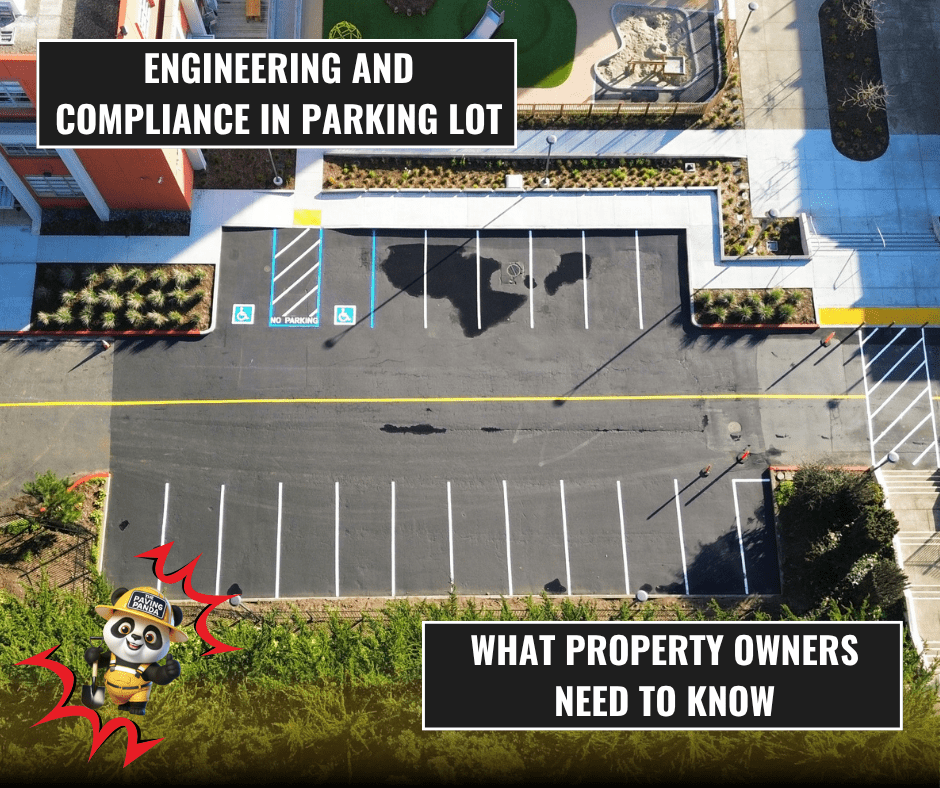
1. Parking Lots
-
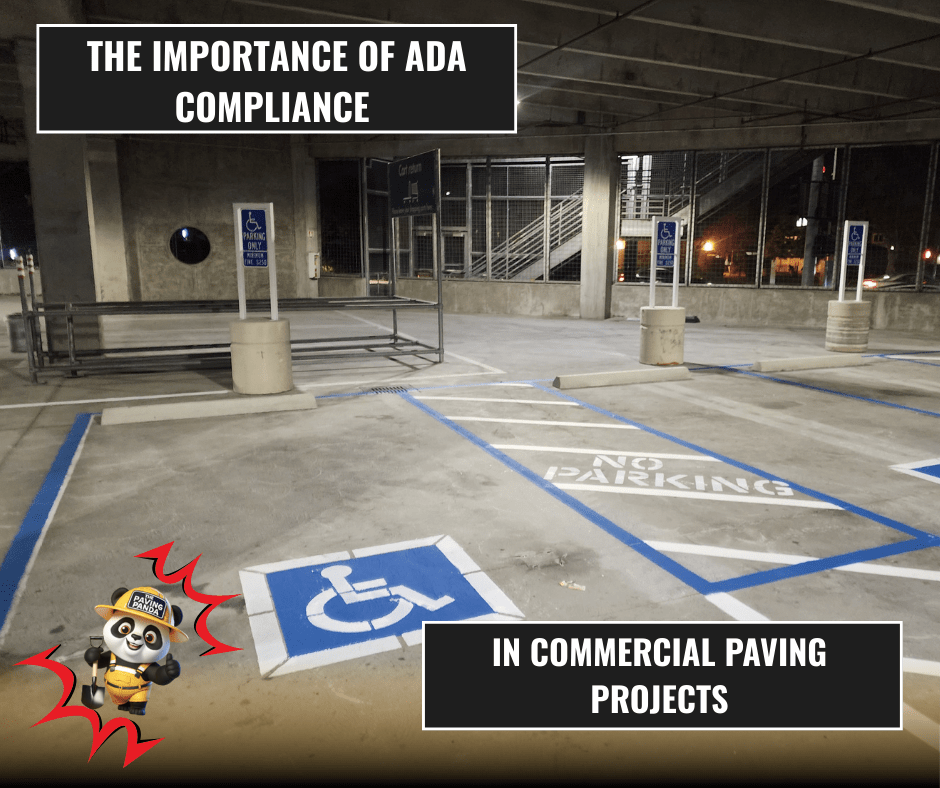
Accessible parking space dimensions (8ft wide + 5ft access aisle).
-
Proper signage and van-accessible spaces.
-
Slope gradients (max 1:48 for parking areas).
2. Entrances & Pathways
-
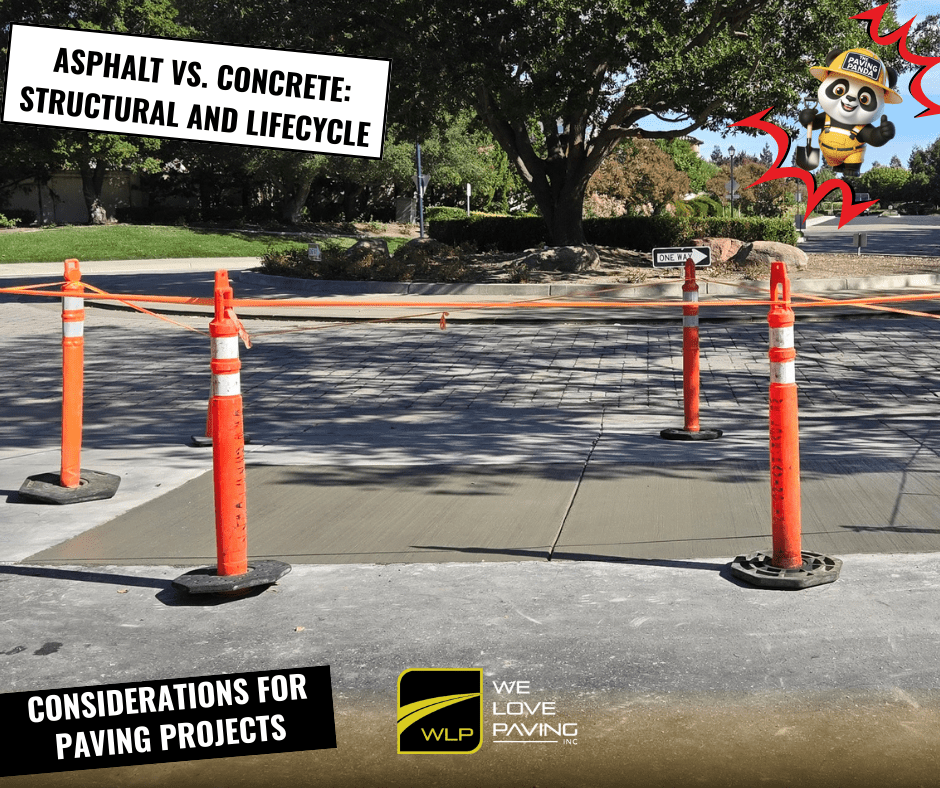
Ramp slopes (max 1:12) and handrail compliance.
-
Doorway widths (min 32 inches clear opening).
-
Smooth, hazard-free pathways (no cracks or uneven pavement).
3. Restrooms
-
Grab bar placement, sink heights, and clear floor space.
-
ADA-compliant stall dimensions.
4. Interior Spaces
-
Counter heights, aisle widths, and accessible seating.
-
Emergency exits and signage visibility.
The CASp Inspection Process
-
Schedule an Inspection
-
Partner with a state-certified CASp inspector (like We Love Paving’s network of specialists).
-
-
On-Site Evaluation
-
The inspector reviews all accessibility features and documents violations with photos/measurements.
-
-
Detailed Report
-
Receive a prioritized list of fixes, ranging from minor adjustments (e.g., repainting parking lines) to major renovations (e.g., ramp installations).
-
-
Post-Inspection Benefits
-
Legal Safe Harbor: Display your CASp certificate to deter lawsuits.
-
Compliance Roadmap: Use the report to budget and plan repairs.
-
Common Issues Found in CASp Inspections
-
Parking Lot Failures: Faded striping, missing access aisles, or incorrect signage.
-
Entrance Barriers: Steep ramps, lack of handrails, or doors requiring >5 lbs of force to open.
-
Restroom Violations: Improper toilet seat heights or insufficient turning space.
-
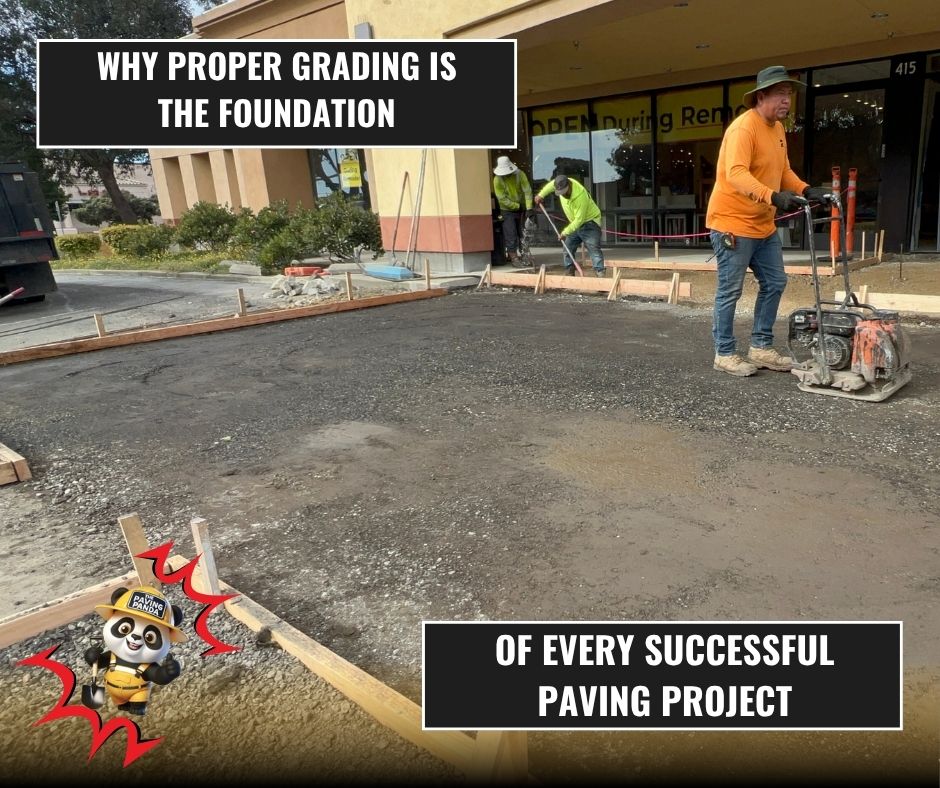
Paving Hazards: Uneven sidewalks, potholes, or tripping risks.
Real-World Example:
A historic Berkeley retail store faced a lawsuit over its cracked, sloped sidewalk. After a CASp inspection, they resurfaced the pavement, installed compliant ramps, and avoided future litigation.
Why Partner with We Love Paving for CASp Compliance?
-
Expertise in Accessibility Paving
-
We resolve common violations like parking lot slope issues, non-compliant ramps, and hazardous pathways.
-
-
Seamless Coordination with CASp Inspectors
-
We work alongside certified specialists to ensure repairs meet exact standards.
-
-
Cost-Effective Solutions
-
Proactive fixes are far cheaper than lawsuit settlements. Example: Repainting parking lines costs ~
20,000+ in legal fees.
-
-
Ongoing Maintenance
-
We offer annual paving audits to keep your property compliant as regulations evolve.
-
FAQs About CASp Inspections
Q: How often should I get a CASp inspection?
A: Inspect your property every 3–5 years or after renovations, ownership changes, or new ADA guidelines.
Q: Does a CASp report expire?
A: No, but updates are recommended if you modify your property or laws change.
Q: Is the CASp report confidential?
A: Yes—unless you choose to use it as evidence in court.
Conclusion
In Northern California’s high-risk legal environment, a CASp inspection is more than a compliance check—it’s an investment in your business’s longevity and reputation. By addressing accessibility gaps early, you avoid lawsuits, foster inclusivity, and demonstrate social responsibility.
Call to Action
Don’t gamble with ADA compliance! Contact We Love Paving today to schedule your CASp inspection and paving repairs.