Annual Pavement Maintenance Checklist for Property Managers

Annual Pavement Maintenance Checklist for Property Managers

As a property manager, keeping your pavement in top condition isn’t just about appearances — it’s about safety, compliance, and protecting your investment. A well-maintained parking lot or driveway reduces liability risks, improves curb appeal, and saves money in the long run. To help you stay on track, here’s an annual pavement maintenance checklist every property manager should follow.

1. Inspect for Cracks and Potholes

Walk through the entire property and look for surface cracks, uneven spots, and potholes. Small cracks can quickly spread with rain and temperature changes, leading to costly repairs if ignored.


2. Evaluate Drainage

Check for standing water after rainfall. Poor drainage can weaken pavement structure and accelerate damage. Make sure drains are clear and that water flows away from the surface.


3. Schedule Sealcoating

Sealcoating acts as a protective layer against UV rays, chemicals, and traffic wear. Most properties benefit from sealcoating every 2–3 years, but evaluating annually ensures you don’t miss the right timing.


4. Refresh Striping and Markings

Faded parking lines, ADA markings, and directional arrows not only look unprofessional but also pose safety risks. Repainting these annually improves organization, compliance, and curb appeal.


5. Check ADA Compliance

Ensure that accessible parking spaces, signage, and ramp areas meet ADA requirements. Non-compliance can lead to costly fines and lawsuits.


6. Assess Lighting and Safety Features

Good lighting increases visibility and safety in parking areas. Inspect all fixtures and replace any that are broken or outdated.


7. Plan for Budgeting and Repairs

Document your findings and schedule preventive maintenance or major repairs in your annual budget. Taking a proactive approach avoids unexpected emergencies.

Staying proactive with pavement maintenance is one of the smartest investments a property manager can make. A well-kept parking lot not only extends the lifespan of your pavement but also protects tenants, visitors, and your budget from costly surprises. By following this annual checklist, you’ll keep your property safe, compliant, and attractive all year long.

We help property managers like you keep their pavements safe, compliant, and looking their best. Whether you need crack repairs, sealcoating, or a full parking lot restoration, our team is ready to assist.

Call us today at (888) 273-0077 to schedule a free assessment and get expert recommendations tailored to your property.
5 Common Asphalt Mistakes That Cost Property Owners Thousands

Asphalt is one of the most valuable assets on your property. A well-maintained parking lot or roadway not only improves curb appeal but also ensures safety and compliance. Unfortunately, many property owners unknowingly make mistakes that lead to costly repairs or even full replacement long before it’s necessary.

Here are the five most common asphalt mistakes you should avoid.


1. Ignoring Small Cracks

Small cracks may look harmless, but they are the gateway to major asphalt damage. When water seeps into cracks, it penetrates the base layer, causing erosion and potholes. Left untreated, this can reduce the lifespan of your asphalt by years.

Tip: Seal cracks as soon as they appear to prevent water infiltration and further damage.


2. Skipping Regular Sealcoating

Sealcoating is like sunscreen for your asphalt. Without it, UV rays, oil, and water break down the surface quickly. Many property owners see sealcoating as an unnecessary expense, but skipping it often results in resurfacing costs that are 10x higher.

Tip: Invest in professional sealcoating every 2–3 years to extend the life of your pavement.


3. Poor Drainage Planning

Water is asphalt’s worst enemy. If your parking lot has low spots, improper slope, or clogged drains, water will pool and accelerate deterioration. Many property owners don’t consider drainage until it’s too late.

Tip: Ensure your pavement design includes proper grading and drainage solutions.


4. Choosing the Cheapest Contractor

It’s tempting to save money upfront, but low-bid contractors often cut corners with thin asphalt layers or poor materials. This leads to premature failure and higher long-term costs.

Tip: Always hire licensed, insured, and experienced paving contractors who use the right equipment and materials.


5. Neglecting Line Striping & ADA Compliance

Faded striping and missing ADA-compliant markings don’t just look bad—they put you at risk of lawsuits and fines. Neglecting this detail can cost property owners thousands in penalties and lost tenants.

Tip: Schedule restriping regularly and work with a contractor who understands ADA regulations.


Final Thoughts

Your asphalt is more than just pavement—it’s an investment in safety, compliance, and property value. By avoiding these common mistakes, you can save thousands of dollars and extend the life of your asphalt for years to come.

👉 At We Love Paving, we help property owners protect their investment with professional paving, sealcoating, and ADA compliance services. Contact us today for a free evaluation and let us keep your pavement in top condition.

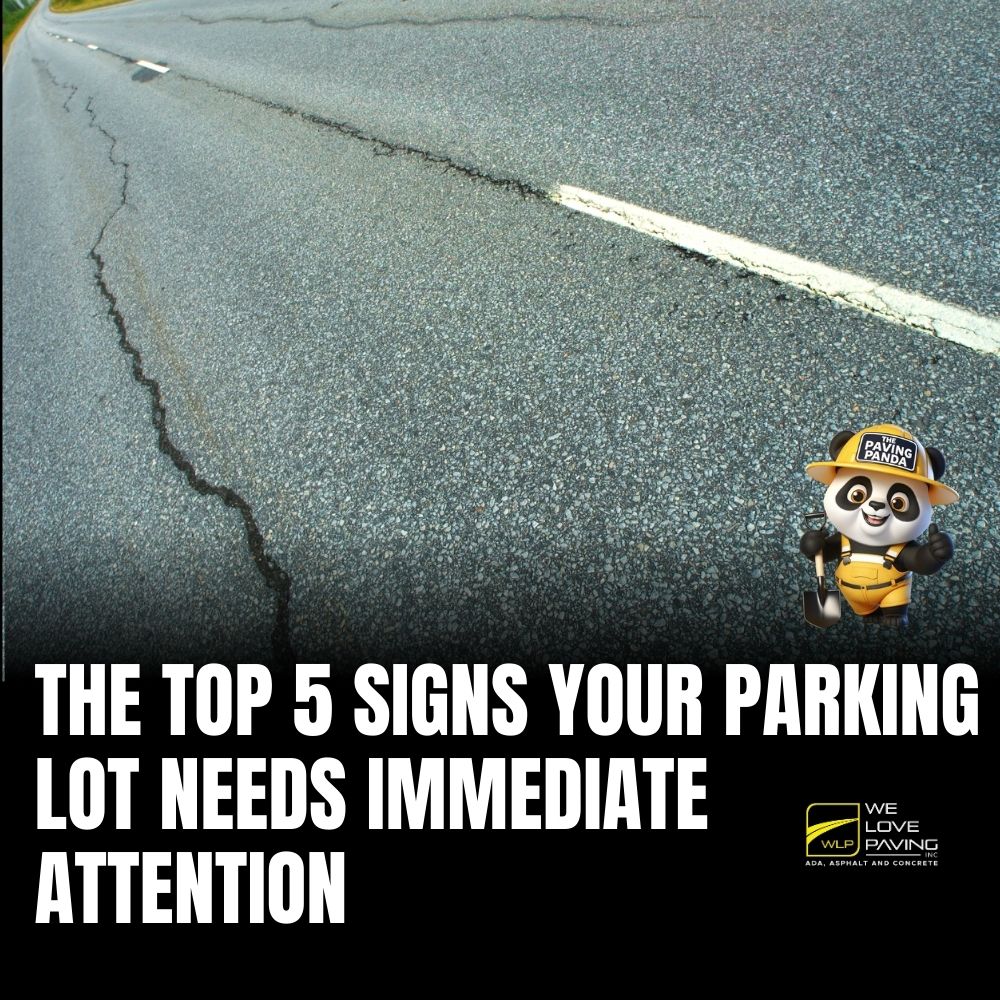
The Top 5 Signs Your Parking Lot Needs Immediate Attention

Your parking lot is more than just a place for vehicles—it’s the first impression customers, tenants, and visitors have of your property. Unfortunately, many owners overlook early warning signs of damage until repairs become expensive. Knowing what to look for can save you money, extend the life of your pavement, and keep people safe.

1. Visible Cracks

Small cracks may seem harmless, but they act like open doors for water. Once moisture seeps in, it weakens the foundation and leads to potholes. Crack sealing at the right time prevents thousands in future repairs.

2. Fading or Dull Color

Asphalt should have a rich, dark color. If your lot looks gray and faded, it’s a clear sign that the surface is oxidizing and becoming brittle. A simple sealcoating treatment restores the look and adds years of protection.

3. Standing Water

Puddles after a rainfall? That means your pavement isn’t draining properly. Poor drainage accelerates damage, weakens the base, and creates liability risks.

4. Potholes

Potholes don’t just damage vehicles—they send a negative message about how the property is maintained. They’re also a safety hazard that can result in accidents and even lawsuits. Address them quickly before they spread.

5. Faded Striping and ADA Markings

Worn-out striping and ADA markings not only reduce safety but can also put you out of compliance with federal regulations. Fresh line striping improves traffic flow, safety, and accessibility.

Final Thoughts

Your parking lot is an investment that should be protected. Paying attention to these early signs will save money, reduce risks, and enhance the appearance of your property.

👉 At WLP, we specialize in paving, sealcoating, ADA compliance, and asphalt repair to keep your property safe and looking professional. Contact us today for a free evaluation!

Why Preventive Asphalt Maintenance Saves You Thousands

When it comes to paving and asphalt, one of the biggest mistakes property owners make is waiting until problems become visible—like cracks turning into potholes—before taking action. This approach not only costs more money in the long run, but it also creates safety risks and damages the professional image of your property.

The Value of Preventive Maintenance

Asphalt, like any surface exposed to traffic and weather, naturally wears down over time. Rain, UV rays, heavy traffic, and temperature changes all speed up deterioration. Without a maintenance plan, what starts as a small crack can quickly turn into a costly repair.

The key is being proactive. Services like sealcoating, crack filling, and routine striping dramatically extend the lifespan of your pavement and reduce the need for major repairs.

Proven Cost Savings

Industry studies show that investing in preventive asphalt maintenance can save property owners up to 65% in total paving costs over the life of the pavement.

For example:

  • Repairing a crack early may cost just a few dollars per linear foot.

  • Ignoring it until it becomes a pothole can multiply the expense by ten.

Safety and Curb Appeal

It’s not just about money. A poorly maintained parking lot or roadway can:

  • Increase the risk of accidents.

  • Hurt the customer experience.

  • Lead to legal issues for failing ADA compliance.

On the other hand, well-maintained pavement projects professionalism and reliability, making it an asset that speaks volumes about your business.

Final Takeaway

At WLP, we believe that a healthy pavement is a smart investment. With the right maintenance program, you protect your budget, ensure safety, and boost your property’s image—all at the same time.

👉 Contact us today to schedule a free inspection and learn how preventive maintenance can save you thousands in future repairs.

Asphalt vs. Concrete: Which Is Better?

When it comes to building or resurfacing a parking lot, property managers and business owners often face the same question: Should I choose asphalt or concrete? Both materials have unique strengths, costs, and lifespans. The right choice depends on your budget, climate, and long-term goals.

Key Differences Between Asphalt and Concrete

Feature Asphalt Concrete
Initial Cost Lower upfront cost Higher upfront cost
Maintenance Requires sealcoating & crack repairs Less frequent, but repairs are more expensive
Lifespan 15–20 years with maintenance 30–40 years with proper care
Weather Resistance Flexible, better in cold climates Performs better in hot climates
Appearance Smooth, dark finish Light, customizable with colors & textures

Benefits of Asphalt

  1. Cost-Effective Installation
    Asphalt is generally cheaper to install, making it a great option for large parking lots.

  2. Quick Installation
    Asphalt projects can often be completed in just a few days, minimizing downtime for your business.

  3. Flexibility
    Asphalt expands and contracts with temperature changes, reducing the risk of major cracks in colder climates.

  4. Recyclable
    Old asphalt can be recycled, making it an eco-friendly option.

Benefits of Concrete

  1. Long Lifespan
    Concrete can last twice as long as asphalt when maintained properly, making it a long-term investment.

  2. Low Maintenance
    Unlike asphalt, concrete doesn’t need regular sealcoating.

  3. Heat Resistance
    In hot climates, concrete doesn’t soften or rut under heavy traffic.

  4. Customizable Appearance
    Concrete can be stamped, stained, or colored for a more decorative look.

Which One Is Right for You?

  • Choose Asphalt if:

    • You want a budget-friendly option.

    • You need a quick installation with minimal business disruption.

    • Your property is in an area with cold winters.

  • Choose Concrete if:

    • You want the longest lifespan and fewer repairs.

    • Your property is in a hot climate like California’s Central Valley.

    • Aesthetic appeal and durability are top priorities.

Final Thoughts

There’s no one-size-fits-all answer—both asphalt and concrete have their place. The best solution depends on your property’s needs, budget, and future plans.

ADA Compliance: Why Your Parking Lot Could Be Costing You More Than You Think

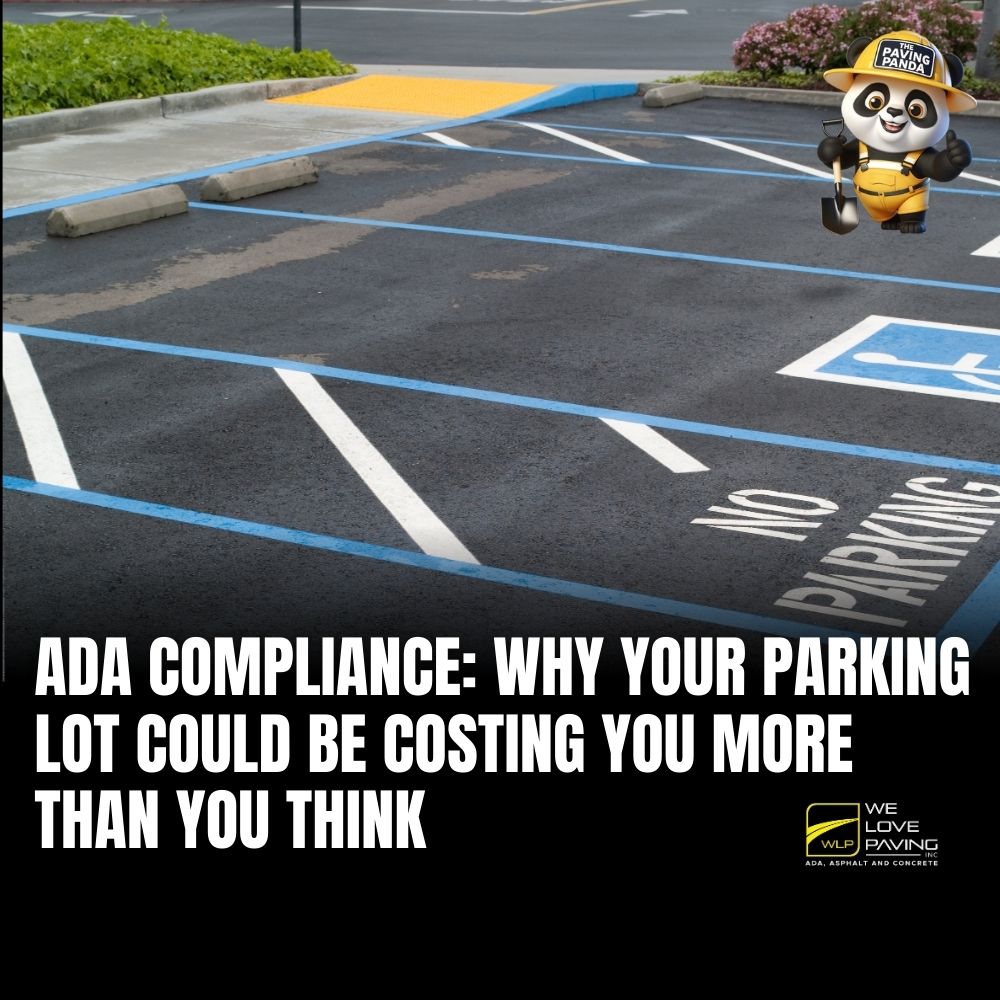
ADA-compliant parking lot with freshly painted handicap spaces, blue striping, and concrete curb ramp with tactile warning surface.

If you own or manage a commercial property in California, ADA compliance is not just a legal requirement—it’s a responsibility to your customers and community. Failing to meet ADA (Americans with Disabilities Act) standards in your parking lot can result in hefty fines, lawsuits, and even lost business opportunities.

👉 You can also review a clear breakdown of the most common ADA parking violations that lead to fines in California

What Is ADA Compliance in Parking Lots?

ADA compliance means making your property accessible for everyone, including people with disabilities. In parking lots, this typically includes:

  • Clearly marked accessible parking spaces

  • Properly designed ramps and curb cuts

  • Signage with the international symbol of accessibility

  • Adequate striping and dimensions for wheelchair access

Why ADA Compliance Matters

1. Avoid Legal Penalties

In California, fines for ADA violations can start at $4,000 per incident—and that’s just the beginning. Lawsuits and legal fees can add up quickly, turning a simple mistake into a costly nightmare.

2. Protect Your Reputation

Customers notice when businesses care about accessibility. A non-compliant parking lot doesn’t just risk fines—it sends a message of neglect. On the other hand, ADA-compliant facilities show professionalism and inclusivity.

3. Increase Customer Satisfaction

Accessible parking means better customer experience. When visitors feel comfortable and safe, they are more likely to return—and recommend your business to others.

4. Future-Proof Your Property

Regulations evolve. By investing in ADA compliance today, you protect your property from future issues and ensure long-term value.

How to Know if Your Parking Lot Is ADA Compliant

Here’s a quick checklist:

  • Do you have the required number of accessible parking spaces based on lot size?

  • Are spaces properly marked with striping and signage?

  • Are ramps, slopes, and curb cuts within legal guidelines?

  • Is paint faded, making lines unclear?

If you answered “no” to any of these, it’s time for an update.

📘 Want to Avoid an ADA Lawsuit? (2025 Guide)

Most parking lot ADA violations happen long before property owners ever realize it.
If you want to make sure your business is protected, we created a simple step-by-step resource covering slopes, signage, van-accessible spaces, and the most common lawsuit triggers.

👉 Read the ADA Lawsuit Prevention Guide (2025) on StopADA

Final Thoughts

Maintaining ADA compliance is not optional—it’s essential. It protects your business, improves safety, and enhances customer experience.


Need help bringing your parking lot up to ADA standards? At We Love Paving, we specialize in ADA-compliant paving and striping. Contact us today for a free inspection and estimate.

The Benefits of Sealcoating Your Commercial Parking Lot

If you own or manage a commercial property, you know that your parking lot is more than just a space for cars—it’s the first impression your customers and tenants get when they arrive. A well-maintained parking lot shows professionalism, care, and reliability. One of the most effective ways to protect and extend the life of your asphalt surface is through sealcoating.

What Is Sealcoating?

Sealcoating is the process of applying a protective layer over asphalt surfaces. This layer shields your pavement from harmful elements such as:

  • UV rays that cause fading and brittleness

  • Water that seeps into cracks and leads to potholes

  • Chemicals and oil spills that damage asphalt over time

By creating a barrier, sealcoating helps your parking lot withstand everyday wear and tear.

Key Benefits of Sealcoating

1. Extends Pavement Life

Unprotected asphalt deteriorates quickly. Sealcoating can double the lifespan of your parking lot, saving you thousands of dollars in costly replacements.

2. Cost-Effective Maintenance

Think of sealcoating as preventive care. Investing in this service now avoids major repairs later. It’s much cheaper to apply a fresh coat than to reconstruct an entire parking lot.

3. Enhances Curb Appeal

A dark, smooth, freshly sealed surface looks brand-new. This gives your property a polished, professional appearance—something that matters for both clients and tenants.

4. Protects Against Weather

In California’s hot summers and rainy winters, asphalt faces extreme conditions. Sealcoating creates a weather-resistant shield, preventing cracks and potholes from forming.

5. Improves Safety

Sealcoating allows for clear striping and markings. Visible lines and ADA-compliant signs improve traffic flow and pedestrian safety.

How Often Should You Sealcoat?

Experts recommend sealcoating your parking lot every 2–3 years, depending on traffic and exposure. Regular inspections will help you determine the right schedule for your property.

Final Thoughts

Sealcoating isn’t just an expense—it’s an investment in your property’s value, safety, and appearance. With proper maintenance, your parking lot can last decades while looking great year after year.


Ready to protect your parking lot? Contact We Love Paving today and schedule a free estimate. Our team serves Tracy, Manteca, and surrounding California communities with expert paving and sealcoating services.

ADA Compliance Checklist: Is Your Parking Lot Breaking the Law?

The Fast Guide to Avoid Lawsuits and Meet the Law

When you’re managing a commercial property or running a business, it’s easy to focus on what’s urgent and overlook what’s truly important — like ADA compliance.

Did you know that one of the most common reasons U.S. businesses get sued is due to non-compliant parking lots?

Here’s a simple breakdown to help you stay safe, legal, and headache-free.


1. What Does the ADA Require in Parking Lots?

The Americans with Disabilities Act (ADA) sets clear requirements:

  • A minimum number of accessible parking spaces based on the total number of spots.

  • At least one van-accessible space per every six accessible ones.

  • Proper ramps with no abrupt edges or unsafe slopes.

  • Clear signage — not just paint on the ground.

  • Safe, obstacle-free access aisles.

And most importantly, everything must meet the exact federal design standards — no guesswork.


2. What Happens If You Don’t Comply?

Best case? You get a warning.
Worst case? A federal lawsuit.

ADA violations can cost upwards of $75,000 per incident, not including legal fees and damage to your reputation.


3. How Do You Know If You’re Compliant?

We recommend a professional ADA inspection.
At We Love Paving, we offer free assessments that include:

  • Measuring parking space sizes.

  • Reviewing ramps, striping, signs, and access.

  • A clear action plan: what’s good, what needs fixing, and how to solve it — fast.


4. Why Work With We Love Paving?

Because we specialize in ADA compliance.
We know the code inside and out and make it easy for you.

From striping and ramps to seal coating and full lot redesigns, we handle everything in-house — no subcontractors, no confusion.


✅ Want Peace of Mind and Legal Protection?

Get your free ADA compliance inspection today.
👉 Click here to schedule with our team

What Is the Best Time of Year to Get Paving Work Done?

What’s the Best Time of Year to Start Your Paving Project?

If you’re planning a paving project—whether it’s a driveway, parking lot, or road—it’s crucial to get the timing right. Weather plays a big role in the success and durability of asphalt and concrete work. So, when is the best time to schedule your paving project?

Let’s break it down:


1. Spring (March–May)

Great for Planning
Spring is when most property owners start thinking about repairs after a long winter. It’s a great time to get quotes, book your contractor early, and get on the schedule before the busy season hits.

🚫 Watch Out for Rain
While temperatures start to rise, spring showers can delay paving jobs or impact curing times, especially for concrete.


2. Summer (June–August)

🔥 Peak Paving Season
Warm, dry conditions are ideal for both asphalt and concrete. Materials cure faster, crews work more efficiently, and the final product lasts longer.

🚧 Book Early!
Summer is paving prime time, which means contractors get booked up fast. If you wait too long, you might be pushed to the end of the line.


3. Fall (September–November)

🍂 Still a Solid Option
Fall offers cooler, stable weather that’s still good for paving. It’s also a great time for last-minute repairs before winter hits.

Shorter Days & Time Sensitivity
As temperatures drop, there’s less daylight and more risk of material setting too slowly—especially late in the season.


4. Winter (December–February)

🥶 Not Recommended (in most areas)
Cold weather makes it hard for asphalt to stay hot enough to compact properly, and concrete takes much longer to cure. Only emergency patchwork is typically done in winter.


So, What’s the Verdict?

If you’re looking for the best results with the least amount of headaches, summer is your best bet, followed closely by early fall. But don’t wait until it’s too late—good paving companies book out months in advance.


Ready to pave the way?
At We Love Paving, we help you plan smart and build strong. Contact us now to lock in your spot before the busy season.

The 5 Most Expensive Mistakes Property Owners Make With Their Parking Lots (And How to Avoid Them)

Your parking lot might seem like a small part of your property…
Until it becomes a costly liability.

At We Love Paving, we see these mistakes every single day. Here’s what you need to watch out for — and how to fix it before it costs you thousands (or a lawsuit).


1. Ignoring small cracks

A crack today becomes a pothole tomorrow.
A pothole becomes a lawsuit.

Fix: Annual crack sealing to prevent moisture and traffic from making the damage worse.


2. Skipping sealcoating every 2–3 years

Sealcoat is like sunscreen for your asphalt.
Without it, the sun, water, and chemicals will destroy your pavement fast.

Fix: Schedule sealcoating in the summer for max protection and longer pavement life.


3. Faded striping and poor layout

Old, confusing, or faded striping creates chaos, poor customer experience — and accidents.

Fix: Professional line striping with high-traffic paint and ADA-compliant layouts.


4. ADA violations

Missing ramps, signs, or correct space widths? That’s not a small issue — it’s a legal one.

ADA fines can exceed $75,000 for a first offense.

Fix: Book a certified ADA compliance audit with WLP and avoid legal trouble before it starts.


5. Waiting until “there’s budget”

Delaying repairs is the most expensive mistake of all.
The damage spreads, and costs multiply.

Fix: Schedule a free inspection and plan ahead. WLP offers flexible solutions that fit your timeline.


The good news?

All of these mistakes are 100% preventable.
You just need the right team by your side.

💬 Message us today to schedule your free site assessment.
We’ll tell you exactly what your parking lot needs to stay safe, accessible, and business-ready — in less than 24 hours.