Asphalt vs. Concrete: Which Is Better?

When it comes to building or resurfacing a parking lot, property managers and business owners often face the same question: Should I choose asphalt or concrete? Both materials have unique strengths, costs, and lifespans. The right choice depends on your budget, climate, and long-term goals.

Key Differences Between Asphalt and Concrete

Feature Asphalt Concrete
Initial Cost Lower upfront cost Higher upfront cost
Maintenance Requires sealcoating & crack repairs Less frequent, but repairs are more expensive
Lifespan 15–20 years with maintenance 30–40 years with proper care
Weather Resistance Flexible, better in cold climates Performs better in hot climates
Appearance Smooth, dark finish Light, customizable with colors & textures

Benefits of Asphalt

  1. Cost-Effective Installation
    Asphalt is generally cheaper to install, making it a great option for large parking lots.

  2. Quick Installation
    Asphalt projects can often be completed in just a few days, minimizing downtime for your business.

  3. Flexibility
    Asphalt expands and contracts with temperature changes, reducing the risk of major cracks in colder climates.

  4. Recyclable
    Old asphalt can be recycled, making it an eco-friendly option.

Benefits of Concrete

  1. Long Lifespan
    Concrete can last twice as long as asphalt when maintained properly, making it a long-term investment.

  2. Low Maintenance
    Unlike asphalt, concrete doesn’t need regular sealcoating.

  3. Heat Resistance
    In hot climates, concrete doesn’t soften or rut under heavy traffic.

  4. Customizable Appearance
    Concrete can be stamped, stained, or colored for a more decorative look.

Which One Is Right for You?

  • Choose Asphalt if:

    • You want a budget-friendly option.

    • You need a quick installation with minimal business disruption.

    • Your property is in an area with cold winters.

  • Choose Concrete if:

    • You want the longest lifespan and fewer repairs.

    • Your property is in a hot climate like California’s Central Valley.

    • Aesthetic appeal and durability are top priorities.

Final Thoughts

There’s no one-size-fits-all answer—both asphalt and concrete have their place. The best solution depends on your property’s needs, budget, and future plans.
Share

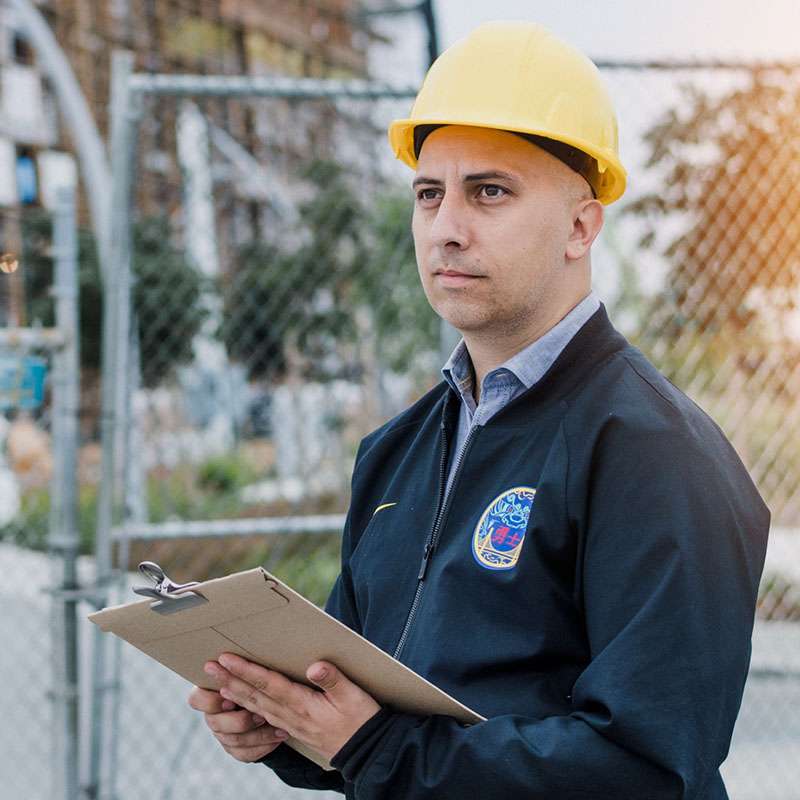
WHO IS FRED?

Fred, Regional Operations Manager, comes from a family of immigrant roots and a story built on sacrifice, discipline, and hard work. Growing up, Fred watched his parents work long hours and weekends to create a better future teaching him the values of perseverance, determination, and doing things the right way every single time.
We Love Paving began with Fred’s father, who started doing what he knew best: paving. Over the years, he built experience alongside respected professionals in the industry, refining his methods and developing a reputation for quality work that speaks for itself. As his clientele grew, so did the vision one built not only on skill, but on integrity and pride in every job.

Posts that might interest you

The Role of Drainage in Asphalt Longevity

The Role of Drainage in Asphalt Longevity

December 10, 2024

How Asphalt Enhances Property Value: A Homeowner’s Guide and estimate property value

How Asphalt Enhances Property Value: A Homeowner’s Guide and estimate property value

December 9, 2024

The Evolution of Driveway Materials: Why Asphalt Still Leads the Pack

December 7, 2024

A Road in California Is Expensive?

A Road in California Is Expensive?

December 5, 2024

Environmental and Regulatory Factors Building a road in California is heavily influenced by the state’s strict environmental regulations. Projects often require environmental impact assessments to ensure compliance with laws designed to protect natural habitats and minimize pollution. These studies add to the cost but are essential for securing permits and avoiding legal issues including using

Sealcoating: The Secret to Extending the Life of Your Asphalt

December 4, 2024

How Weather Affects Your Asphalt: What You Need to Know

How Weather Affects Your Asphalt: What You Need to Know

December 3, 2024

Asphalt is a popular choice for driveways, parking lots, and roadways due to its durability and cost-effectiveness. However, over time, exposure to weather can take a toll on even the best-paved surfaces. Understanding how different weather conditions affect asphalt can help you better maintain your pavement and extend its lifespan. At We Love Paving, we’re

Top 5 Benefits of ADA-Compliant Parking Lots The Ultimate Guide for Your Business

Top 5 Benefits of ADA-Compliant Parking Lots The Ultimate Guide for Your Business

December 2, 2024

When Should You Resurface Your Driveway or Parking Lot?

When Should You Resurface Your Driveway or Parking Lot?

November 28, 2024

When Should You Resurface Your Driveway or Parking Lot? Your driveway or parking lot plays a significant role in the functionality and aesthetics of your property. Over time, wear and tear from traffic, weather, and natural aging can leave the surface cracked, uneven, or unsafe. Knowing when to resurface is key to avoiding costly repairs

Why Paving Is More Than Just Asphalt: How WELOVEPAVING Transforms Communities

Why Paving Is More Than Just Asphalt: How WELOVEPAVING Transforms Communities

November 27, 2024

TOP 5 Tips for A Perfect Asphalt Driveway Or Parking Lot

TOP 5 Tips for A Perfect Asphalt Driveway Or Parking Lot

November 26, 2024

Installing an asphalt driveway or parking lot is a long-term investment that requires proper planning and execution. Whether you’re a homeowner or managing a commercial project, ensuring the quality of the asphalt and the paving process is crucial. Here are the top 5 tips to achieve a flawless asphalt surface. 1.⁠ ⁠Start with Accurate Measurements

Previous Next