When it comes to paving driveways, parking lots, or pathways in San Jose, asphalt is a top choice for its affordability, durability, and adaptability to the region’s climate. But navigating the local paving scene requires insider knowledge—from understanding Silicon Valley’s unique weather challenges to finding trusted contractors. In this guide, We Love Paving breaks down everything you need to know about asphalt paving in San Jose, including costs, FAQs, and tips to ensure your project lasts for decades.
Why Choose Asphalt in San Jose?
San Jose’s Mediterranean climate—hot, dry summers and mild, wet winters—makes asphalt an ideal paving material. Here’s why:
-
Heat Resistance: Asphalt’s dark color absorbs heat, but modern mixes with polymer additives resist softening in high temps (common in summer).
-
Quick Installation: Projects can often be completed in 1–2 days, minimizing disruption.
-
Cost-Effective: Asphalt is 30–50% cheaper than concrete upfront, perfect for budget-conscious homeowners.
-
Flexibility: Handles minor ground shifts common in areas with clay soils (like South San Jose).
Cost of Asphalt Paving in San Jose
Average costs depend on project size, materials, and labor. Here’s a breakdown:
| Project | Cost Range | Details |
|---|---|---|
| Residential Driveway | 8 per sq. ft. |
600 sq. ft. driveway: 4,800 |
| Parking Lot | 6 per sq. ft. |
2,000 sq. ft. lot: 12,000 |
| Repairs/Resurfacing | 3 per sq. ft. |
Crack filling, sealcoating, or patches |
Why San Jose Costs Vary:
-
Labor Rates: Higher than national averages due to Silicon Valley’s cost of living.
-
Permits: San Jose may require permits for curb cuts or drainage changes (
500). -
Slope/Soil Prep: Hillside homes (e.g., Almaden Valley) often need extra grading.
Top 5 Asphalt FAQs for San Jose Homeowners
1. “How long does asphalt last in San Jose?”
With proper maintenance, asphalt lasts 15–25 years. Sealcoating every 2–3 years and fixing cracks promptly are key.
2. “Will summer heat damage my asphalt driveway?”
Modern asphalt mixes are designed for heat resistance. Opt for polymer-modified asphalt (used by top local contractors) to prevent softening.
3. “Can I pave during the rainy season?”
Avoid paving in heavy rain (November–March), as moisture affects curing. Spring and fall are ideal.
4. “How do I find a reliable asphalt contractor?”
-
Check reviews on Google, Yelp, and the California Contractors State License Board (CSLB).
-
Ask for local references (e.g., projects in Willow Glen or Evergreen).
-
Ensure they use Caltrans-approved materials for longevity.
5. “Are permeable asphalt options available?”
Yes! Permeable asphalt (used in San Jose’s Green Stormwater Infrastructure Plan) reduces runoff and complies with local eco-regulations.
Maintenance Tips for San Jose’s Climate
-
Sealcoat Before Summer: Protect against UV rays and summer heat.
-
Clean Oil Stains Quickly: Use degreasers to prevent asphalt breakdown.
-
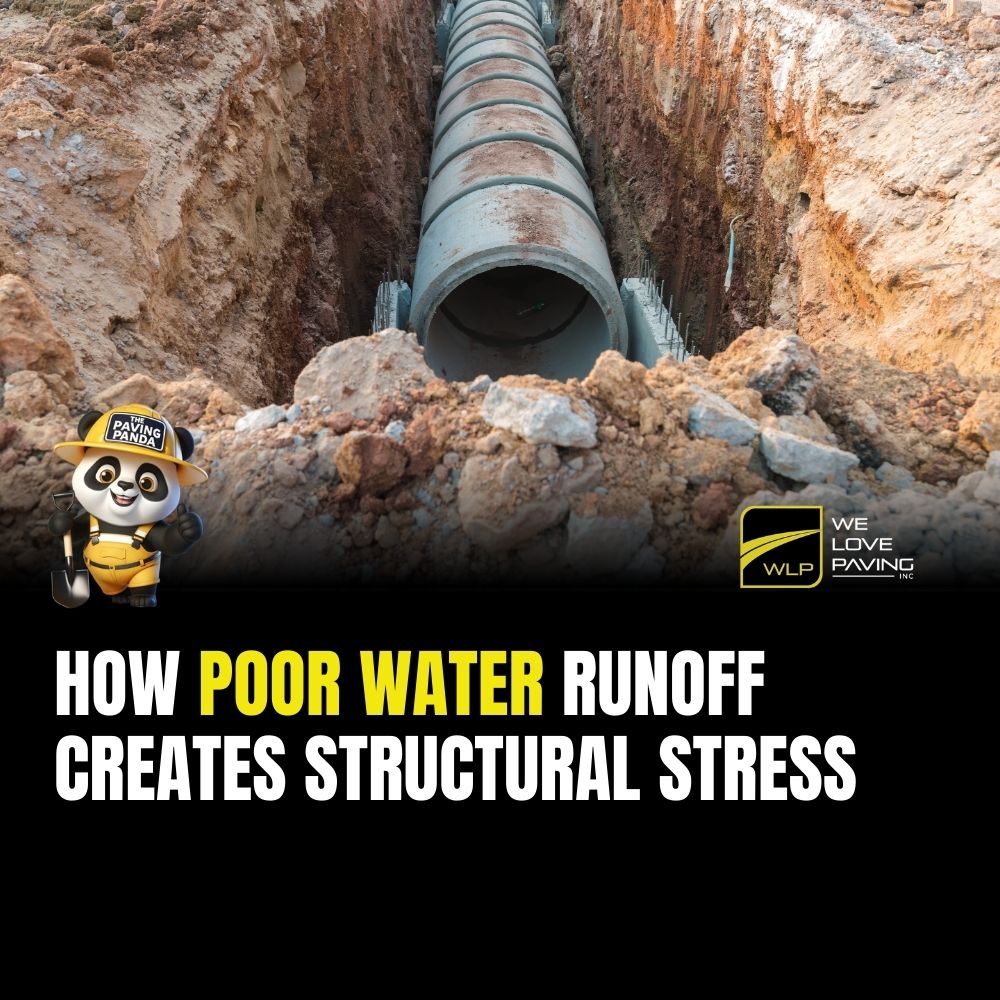
Manage Drainage: Ensure water flows away from pavement to avoid erosion (critical in winter).
-
Fill Cracks Annually: Use rubberized crack filler to keep moisture out.
Eco-Friendly Asphalt Solutions
San Jose encourages sustainable paving practices:
-
Recycled Asphalt (RAP): Crushed and reused asphalt is 20–30% cheaper and reduces landfill waste.
-
Cool Pavements: Light-colored coatings or additives reflect heat, lowering urban temperatures.
-
Permeable Pavements: Compliant with San Jose’s stormwater management rules.
Local Case Study: A San Jose Success Story
Location: Naglee Park Historic District
Challenge: A 1950s home needed a driveway that blended with historic charm but met modern durability standards.
Solution: Contractors used stamped asphalt (mimicking brick) with a heat-resistant sealant. The project cost $6,500 and included permeable edges to meet city drainage codes.
How to Choose a San Jose Asphalt Contractor
-
Verify Licenses: Ensure CSLB # and insurance are valid.
-
Ask About Materials: Locally sourced aggregates (e.g., from quarries in Milpitas) cut costs.
-
Get a Written Warranty: Reputable contractors offer 1–5 year warranties on workmanship.
-
Compare Quotes: Get 3+ estimates (average San Jose rates:
150/hour).
Permits & Regulations in San Jose
-
Residential Driveways: A permit is required if altering curb height or adding drainage.
-
Commercial Projects: Must comply with ADA standards and city zoning laws.
-
Environmental Rules: Follow San Jose’s Stormwater Management Guidelines to avoid fines.
7 Signs You Need Asphalt Repair
-
Alligator cracking (web-like patterns).
-
Potholes deeper than 2 inches.
-
Faded color (indicates oxidation).
-
Pooling water after rain.
-
Uneven surfaces (trip hazards).
-
Loose gravel or edges.
-
Age: 10+ years without sealcoating.
FAQs: Quick Answers for San Jose Residents
Q: How soon can I drive on new asphalt?
A: Wait 3–5 days for full curing.
Q: Does San Jose offer rebates for permeable paving?
A: Yes! Check the San Jose Environmental Services Department for current programs.
Q: Can asphalt be recycled?
A: Absolutely—100% recyclable. Many local companies (e.g., Zanker Recycling) accept old asphalt.
Final Word
From historic neighborhoods like Rose Garden to newer developments in North San Jose, asphalt remains the go-to paving solution for its blend of practicality and value. By partnering with a trusted local contractor and staying proactive with maintenance, your asphalt surface will withstand Silicon Valley’s unique demands for years to come.