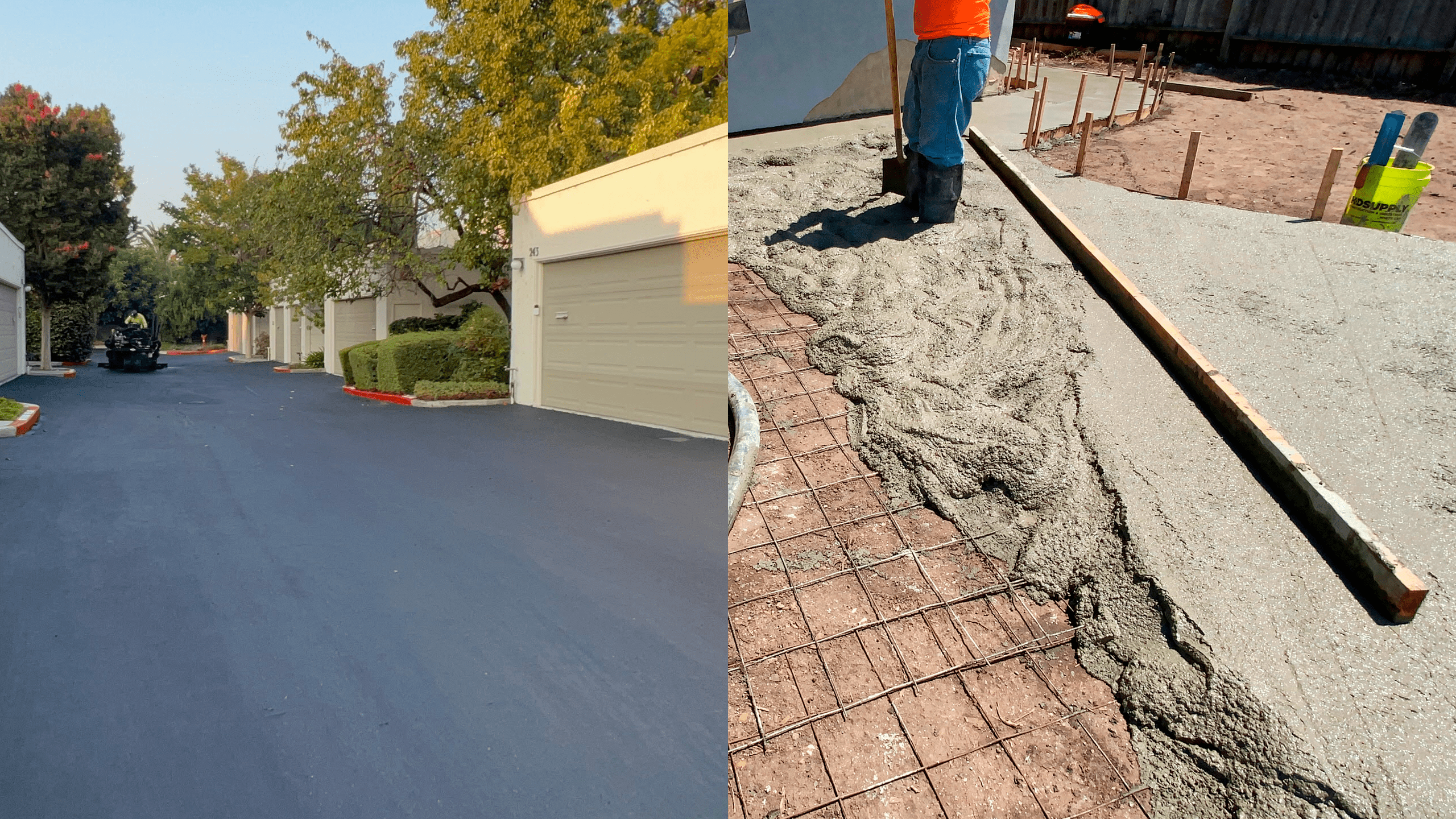
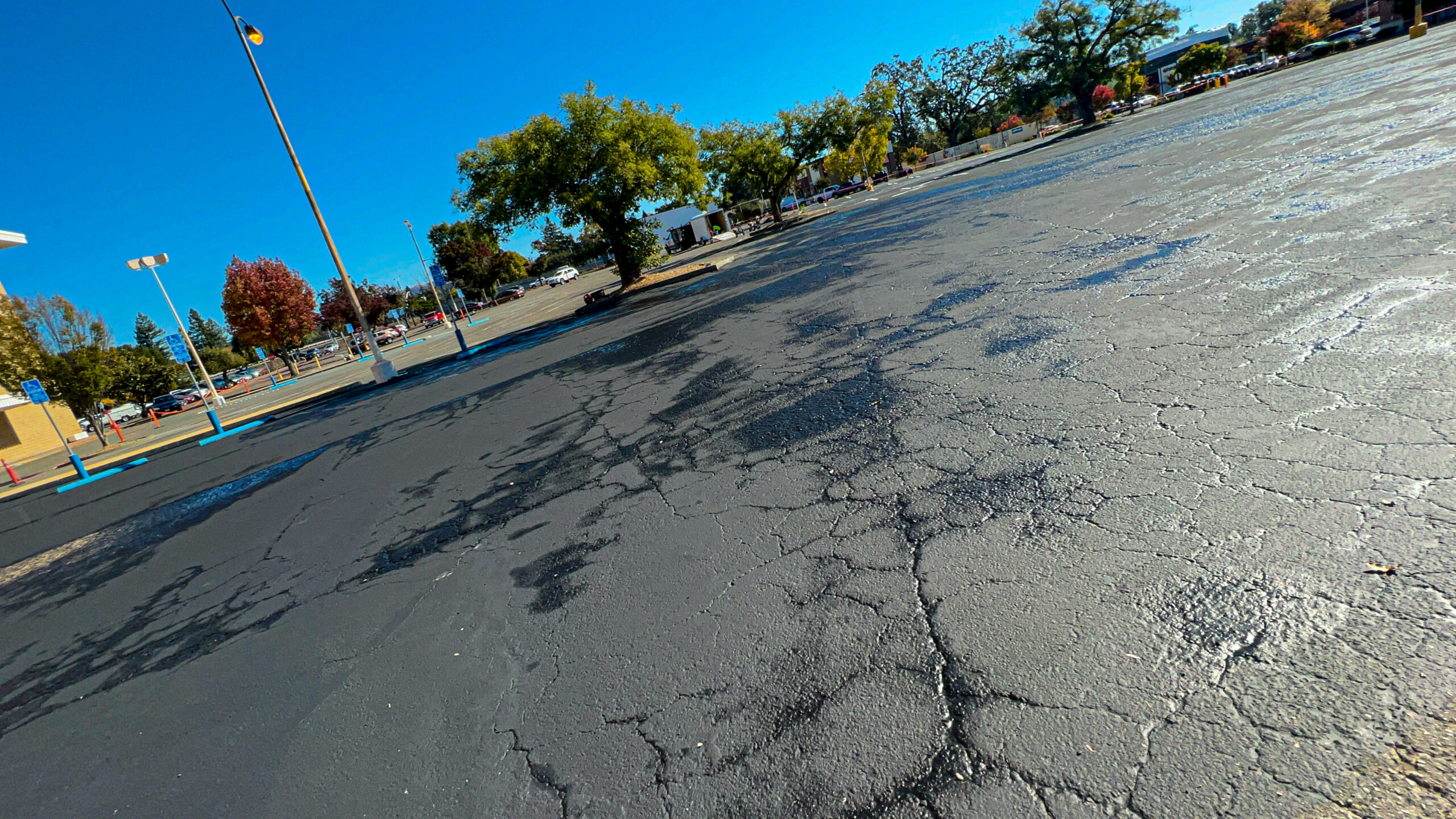
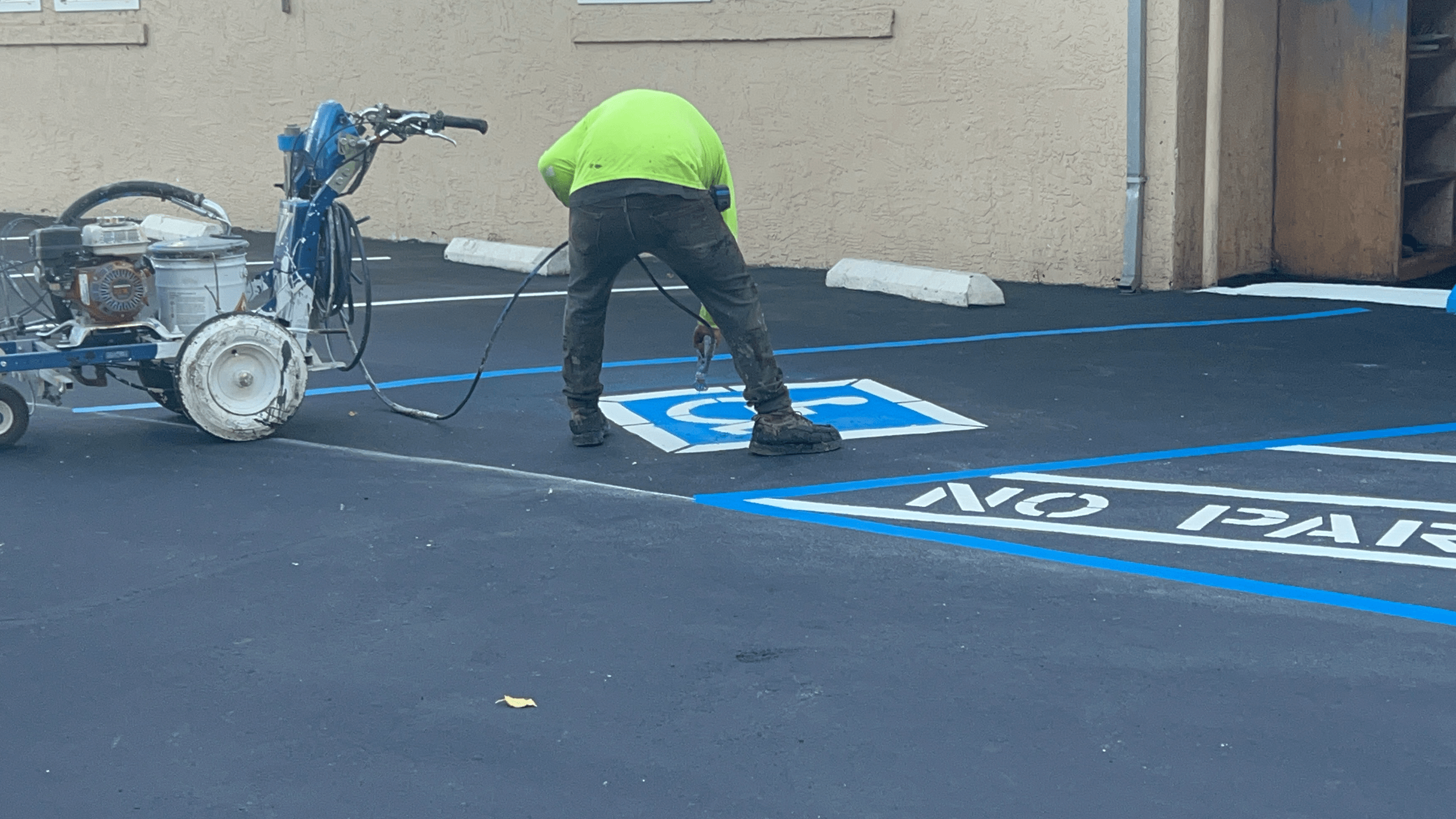
Do i Need A Permit For A Driveway?

If you’re considering installing or renovating a driveway, one of the first questions you might ask yourself is, “Do I need a permit for this project?” The short answer is: it depends. Regulations regarding driveway permits vary depending on your location, the scope of the project, and local government requirements. Here, we’ll break down the key factors to help you navigate the process.


Why Permits Matter

Permits are legal authorizations issued by local governments to ensure that construction projects comply with zoning laws, building codes, and safety regulations. Driveway permits, in particular, help maintain public safety, manage water runoff, and preserve property values in the area.

Failing to obtain the necessary permits can result in fines, delays, and even the removal of your newly installed driveway. It’s always better to check and comply with regulations before starting any construction.


Factors That Determine Permit Requirements

Several factors influence whether you need a permit for your driveway project:

1. Location

  • Urban areas and municipalities are more likely to require permits due to stricter zoning laws.

  • Rural areas may have fewer restrictions, but it’s still wise to check with local authorities.

2. Type of Work

  • New Installation: A permit is almost always required when installing a new driveway, especially if it connects to a public road.

  • Resurfacing or Repairs: Minor repairs or resurfacing often don’t require permits, but extensive changes to the size, material, or structure might.

  • Expansion or Relocation: If you’re expanding or relocating your driveway, a permit will likely be necessary.

3. Material Used

  • Different materials (e.g., asphalt, concrete, gravel) may have specific requirements, especially in areas prone to flooding or erosion.

4. Drainage Considerations

  • Driveways can impact local drainage systems. Permits help ensure that your project doesn’t cause water runoff problems for your neighbors or public roads.

5. Connection to Public Infrastructure

  • Any project that alters sidewalks, curbs, or access to public roads usually requires a permit.


How to Check Permit Requirements

1. Contact Your Local Building Department

  • Start by reaching out to your city or county building department. They can provide specific information about permit requirements in your area.

2. Review Zoning Regulations

  • Check local zoning laws to see if your property’s location or classification affects your driveway plans.

3. Consult with Professionals

  • Contractors or paving companies often have experience with local permitting processes and can guide you through the requirements.

4. Search Online

  • Many municipalities provide guidelines and application forms on their websites.


The Permit Application Process

If a permit is required, here’s what you can typically expect:

  1. Submit an Application: Provide details about your project, including plans, dimensions, and materials.

  2. Pay Fees: Permit fees vary by location but usually range from $50 to $200.

  3. Inspection: An inspector may visit the site before, during, or after the project to ensure compliance.

  4. Approval: Once approved, you’ll receive the permit and can begin construction.


Exceptions and Special Cases

In some cases, you may not need a permit. For example:

  • Gravel Driveways: Some municipalities do not require permits for gravel driveways due to their simplicity.

  • Private Property Projects: If the driveway is entirely on private property and doesn’t affect public roads, permits may not be necessary.

However, always double-check local regulations to avoid surprises.


Conclusion

While obtaining a permit for a driveway might seem like a hassle, it’s an essential step to ensure your project complies with local laws and safety standards. By understanding the requirements and working with local authorities or professionals, you can save time, avoid fines, and create a driveway that meets both functional and legal expectations. Before starting your project, take the time to research and plan—your future self (and your neighbors) will thank you!

Share

WHO IS FRED?

Fred, Regional Operations Manager, comes from a family of immigrant roots and a story built on sacrifice, discipline, and hard work. Growing up, Fred watched his parents work long hours and weekends to create a better future teaching him the values of perseverance, determination, and doing things the right way every single time.
We Love Paving began with Fred’s father, who started doing what he knew best: paving. Over the years, he built experience alongside respected professionals in the industry, refining his methods and developing a reputation for quality work that speaks for itself. As his clientele grew, so did the vision one built not only on skill, but on integrity and pride in every job.

Posts that might interest you

Understanding the Cost of Asphalt Paving: A Guide to Project Complexity and Material Pricing

Understanding the Cost of Asphalt Paving: A Guide to Project Complexity and Material Pricing

July 18, 2024

When planning an asphalt paving project, one of the most challenging aspects is the cost per square foot. Unlike other straightforward purchases, the price of asphalt paving can fluctuate significantly based on various factors. These include the complexity of the project, the quality of materials, and the ever-changing prices of asphalt itself. Let’s investigate these

The Importance and Value of Asphalt: The “Black Diamonds” of Infrastructure

The Importance and Value of Asphalt: The “Black Diamonds” of Infrastructure

July 17, 2024

Asphalt, often called the “Black Diamonds” of the construction industry, is critical in developing and maintaining modern infrastructure. This term, highlighting the material’s value and indispensability, underscores asphalt’s significance in road construction, economic impact, and environmental benefits. Economic Impact of Asphalt The economic benefits of asphalt extend beyond its initial application in road construction. The

Does Asphalt Harden Over Time? Understanding the Aging Process and Its Implications

Does Asphalt Harden Over Time? Understanding the Aging Process and Its Implications

July 16, 2024

Asphalt, commonly known as bitumen, is a vital material used in constructing roads, driveways, and parking lots. Known for its durability and flexibility, asphalt provides a smooth driving surface and withstands various environmental conditions. However, one question that often arises is, “Does asphalt harden over time?” Understanding the hardening process of asphalt is crucial for

How Can You Tell if Asphalt is Bad in Sacramento, California?

How Can You Tell if Asphalt is Bad in Sacramento, California?

July 9, 2024

Asphalt is the backbone of Sacramento’s infrastructure, from the driveway of a charming home in East Sacramento to the expansive parking lots of Arden-Arcade. However, the Valley’s unique climate—with its blistering summer heat and damp winters—can be unforgiving. Knowing the warning signs of failing pavement can save you thousands of dollars in reconstruction costs. In

What is ADA Compliance in Sacramento, California?

What is ADA Compliance in Sacramento, California?

July 9, 2024

The Americans with Disabilities Act (ADA) is a federal civil rights law enacted in 1990 to prevent discrimination against individuals with disabilities. ADA compliance ensures that public spaces and facilities are accessible to everyone, regardless of their physical abilities. In Sacramento, California, ADA compliance is essential for both public and private entities, including businesses, educational

Asphalt Paving Service in Sacramento: What You Need to Know

Asphalt Paving Service in Sacramento: What You Need to Know

July 9, 2024

Sacramento, California, with its sunny climate and bustling urban environment, is an ideal location for durable and attractive asphalt paving projects. Whether you’re a homeowner looking to enhance your driveway or a business owner seeking to improve your parking lot, asphalt paving services in Sacramento offer a range of solutions to meet your needs. In

Is an Asphalt Paving Patio Better Than Concrete?

Is an Asphalt Paving Patio Better Than Concrete?

July 9, 2024

When planning an outdoor living space, homeowners often face the choice between an asphalt paving patio and a concrete patio. Both options offer unique benefits and drawbacks, and the decision largely depends on factors such as aesthetics, budget, durability, and maintenance requirements. In this article, we will explore the pros and cons of asphalt paving

Why is My Asphalt Driveway Cracking?

Why is My Asphalt Driveway Cracking?

July 8, 2024

Asphalt driveways are a popular choice for many homeowners due to their durability, cost-effectiveness, and ease of installation. However, over time, it’s common for asphalt driveways to develop cracks. Understanding the underlying causes of these cracks can help homeowners take preventative measures and address issues before they escalate into more significant problems. In this article,

What are the Requirements for ADA Parking in California?

What are the Requirements for ADA Parking in California?

July 8, 2024

The Americans with Disabilities Act (ADA) ensures that individuals with disabilities have equal access to public accommodations, including parking facilities. California, known for its progressive stance on accessibility, has specific regulations that complement federal ADA standards to ensure that parking facilities are accessible to all individuals. Understanding these requirements is crucial for property owners, architects,

The Benefits of Asphalt Paving in Sacramento

The Benefits of Asphalt Paving in Sacramento

July 5, 2024

Asphalt is a crucial component of Sacramento’s infrastructure, serving as the foundation for mobility, safety, and urban aesthetics. However, not all asphalt surfaces are created equal. A key factor in the quality of an asphalt surface is its thickness. The required thickness depends on the traffic load and soil conditions. Cost-Effective Asphalt is cheaper to

Previous Next