If you’re considering installing or renovating a driveway, one of the first questions you might ask yourself is, “Do I need a permit for this project?” The short answer is: it depends. Regulations regarding driveway permits vary depending on your location, the scope of the project, and local government requirements. Here, we’ll break down the key factors to help you navigate the process.
Why Permits Matter
Permits are legal authorizations issued by local governments to ensure that construction projects comply with zoning laws, building codes, and safety regulations. Driveway permits, in particular, help maintain public safety, manage water runoff, and preserve property values in the area.
Failing to obtain the necessary permits can result in fines, delays, and even the removal of your newly installed driveway. It’s always better to check and comply with regulations before starting any construction.
Factors That Determine Permit Requirements
Several factors influence whether you need a permit for your driveway project:
1. Location
- Urban areas and municipalities are more likely to require permits due to stricter zoning laws.
- Rural areas may have fewer restrictions, but it’s still wise to check with local authorities.
2. Type of Work
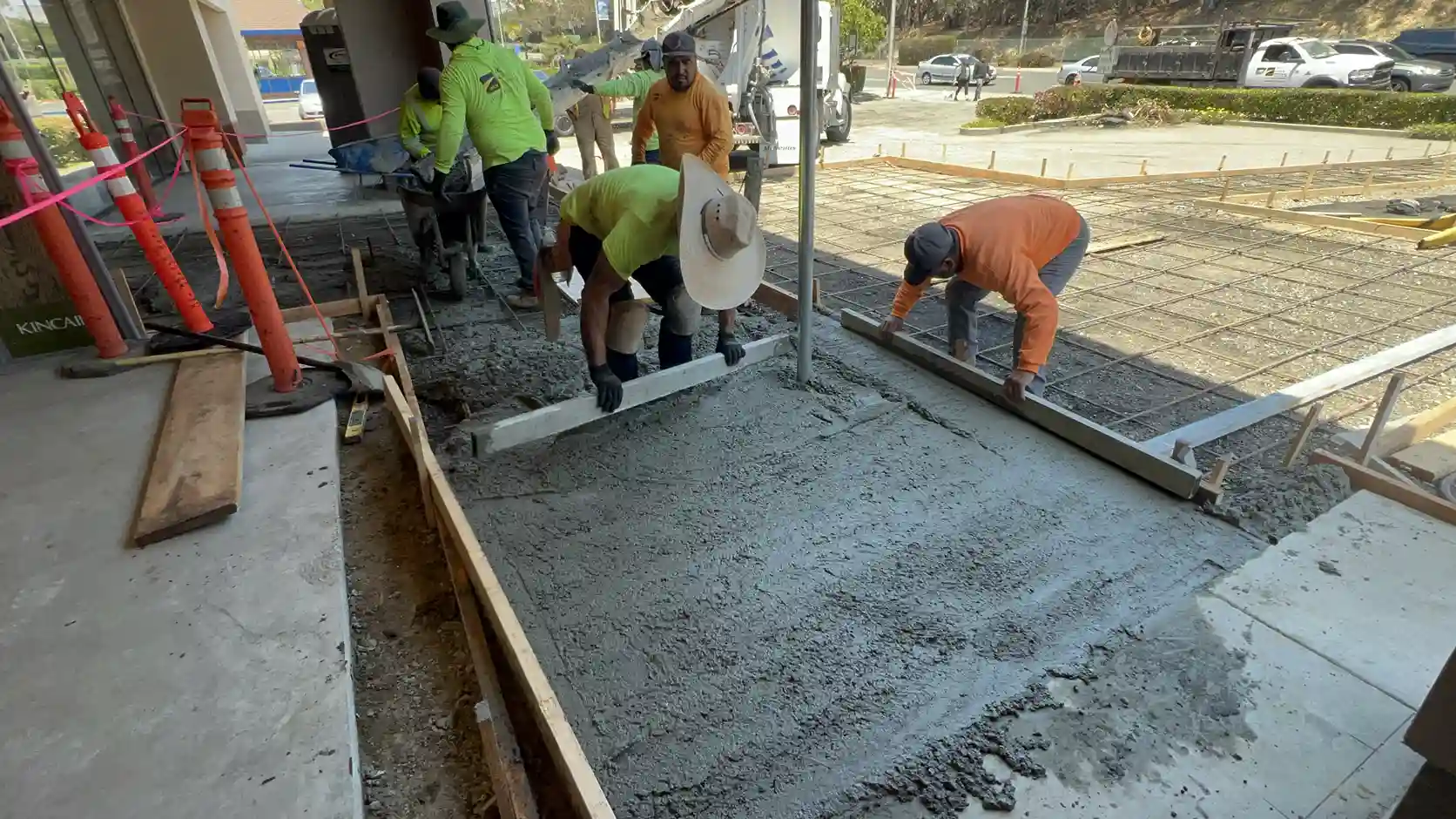
- New Installation: A permit is almost always required when installing a new driveway, especially if it connects to a public road.
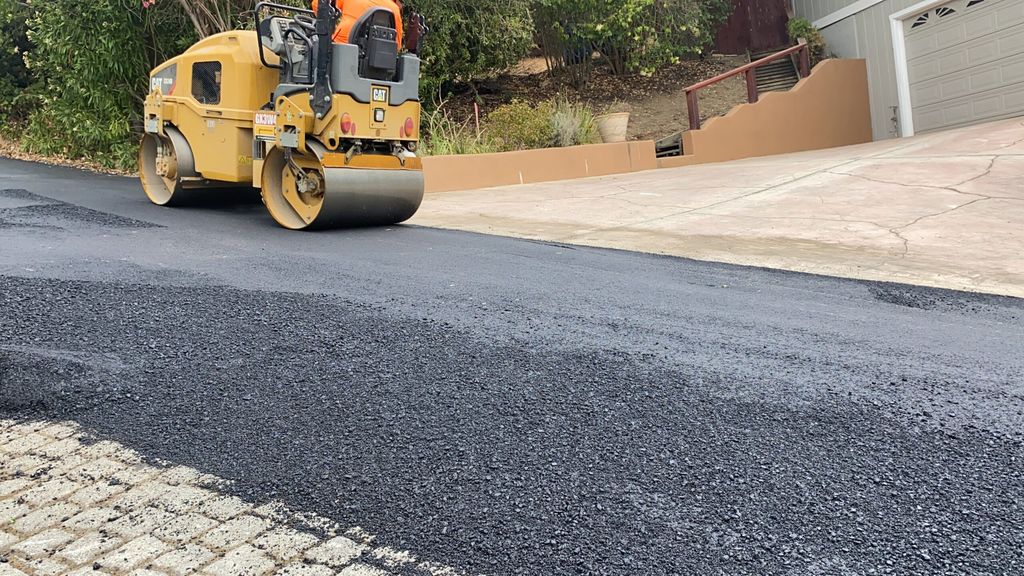
- Resurfacing or Repairs: Minor repairs or resurfacing often don’t require permits, but extensive changes to the size, material, or structure might.
- Expansion or Relocation: If you’re expanding or relocating your driveway, a permit will likely be necessary.
3. Material Used
- Different materials (e.g., asphalt, concrete, gravel) may have specific requirements, especially in areas prone to flooding or erosion.
Gravel vs. Asphalt: Permeability and Runoff Control
The fundamental technical difference lies in gravel being classified as a permeable surface, unlike asphalt or concrete (impermeable surfaces). While solid materials force rainwater to travel over the surface as runoff, potentially overwhelming local sewer systems, gravel allows water to infiltrate through the granular base into the subsoil. This absorption capacity reduces environmental impact and is why many municipal regulations are more flexible with gravel driveways; they actively help prevent flooding and recharge natural aquifers efficiently.
4. Drainage Considerations
- Driveways can impact local drainage systems. Permits help ensure that your project doesn’t cause water runoff problems for your neighbors or public roads.
5. Connection to Public Infrastructure
- Any project that alters sidewalks, curbs, or access to public roads usually requires a permit.
Understanding the Right-of-Way
The Right-of-Way is the critical transition area where your private property meets public infrastructure. Although you own the land, the municipality typically reserves a strip for public utilities, sidewalks, or future road expansions. When building a gravel driveway, the connection point (known as the apron) is the most heavily regulated zone. Any alteration here almost invariably requires a specific permit, as improper grading or gravel displacement onto the street can compromise road safety and public drainage, resulting in legal liabilities for the homeowner.
How to Check Permit Requirements
1. Contact Your Local Building Department
- Start by reaching out to your city or county building department. They can provide specific information about permit requirements in your area.
2. Review Zoning Regulations
- Check local zoning laws to see if your property’s location or classification affects your driveway plans.
3. Consult with Professionals
- Contractors or paving companies often have experience with local permitting processes and can guide you through the requirements.
4. Search Online
- Many municipalities provide guidelines and application forms on their websites.
The Permit Application Process
If a permit is required, here’s what you can typically expect:
- Submit an Application: Provide details about your project, including plans, dimensions, and materials.
- Pay Fees: Permit fees vary by location but usually range from $50 to $200.
- Inspection: An inspector may visit the site before, during, or after the project to ensure compliance.
- Approval: Once approved, you’ll receive the permit and can begin construction.
Building Permit vs. Grading Permit
It is a common misconception that a gravel driveway does not require paperwork because no cement is used. However, if your project involves moving significant volumes of earth or altering the natural topography to create a stable base, you likely need a “Grading Permit.” This permit focuses on soil stability and erosion prevention. Before applying, check if your excavation exceeds local thresholds (commonly 50 cubic yards or 1,000 square feet). A grading permit ensures your project will not cause landslides or negatively impact neighboring properties during heavy storms.
Exceptions and Special Cases
In some cases, you may not need a permit. For example:
- Gravel Driveways: Some municipalities do not require permits for gravel driveways due to their simplicity.
- Private Property Projects: If the driveway is entirely on private property and doesn’t affect public roads, permits may not be necessary.
However, always double-check local regulations to avoid surprises.

Doing Your Driveway Right from Day One
We know that dealing with permits can feel like a hassle, but at We Love Paving, we believe a successful project starts with playing by the rules. Getting your permit isn’t just paperwork; it’s the guarantee that your gravel driveway will be safe, durable, and respectful of your community. By planning smart and working with the pros, you dodge fines and ensure your investment pays off for years to come. Do it right, keep it legal, and build with confidence! Your property (and your neighbors) will thank you for it.