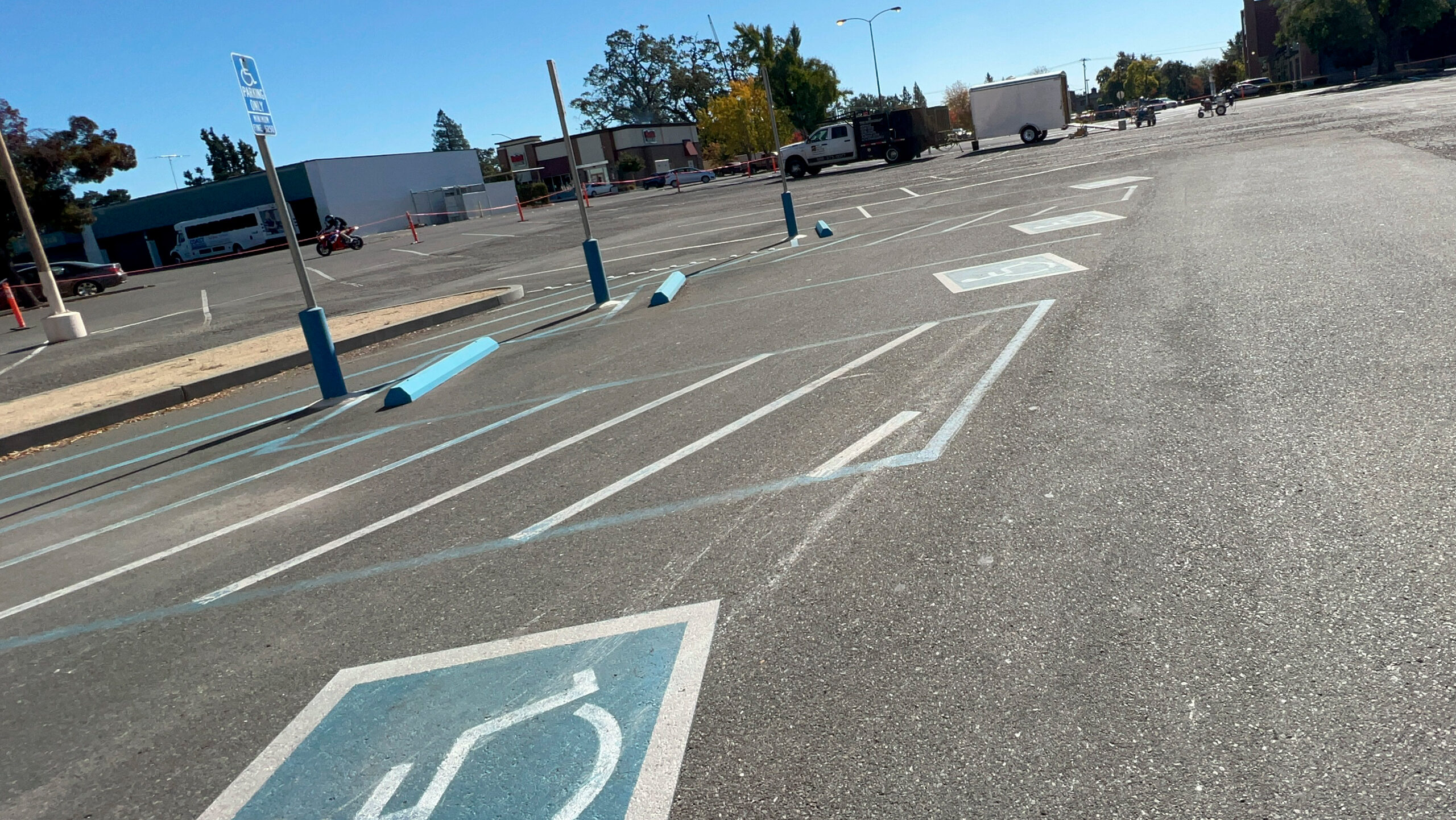
Why New Asphalt Can Still Fail Early

common assumption among property owners is that new asphalt automatically means long-term performance.

The surface looks smooth. Striping is crisp. There are no cracks, no potholes, no visible issues. Yet in many cases, signs of failure begin appearing far sooner than expected.

Early asphalt failure is rarely caused by a single mistake. More often, it is the result of underlying conditions that are invisible at the surface.


New Asphalt Does Not Eliminate Structural Variables

Fresh asphalt is only the top layer of a pavement system.

Below the surface are:

  • The base layer

  • The sub-base

  • The soil conditions beneath

If these layers are compromised, even brand-new asphalt will reflect those weaknesses over time.

New pavement does not correct poor drainage, unstable subgrades, or long-standing settlement patterns. It simply covers them.


Base and Sub-Base Conditions Matter More Than Surface Age

One of the most common causes of early failure is inadequate base preparation.

If the base layer:

  • Is not properly compacted

  • Contains moisture

  • Was built over unstable soils

The asphalt above it will move, settle, and crack regardless of how new it is.

Surface appearance may remain acceptable for months or even years, but structural movement continues underneath.


Water Exposure Begins Immediately

Water is the single most damaging factor for asphalt performance.

Even new asphalt is vulnerable to:

  • Poor drainage design

  • Low spots that allow water to pool

  • Inadequate slope control

  • Water intrusion at edges and joints

Once water penetrates the pavement system, it weakens the base and accelerates deterioration. This process often starts long before visible damage appears.


Traffic Stress Is Often Underestimated

Many parking lots are designed based on average traffic assumptions.

In reality, stress is concentrated in specific areas:

  • Drive lanes with turning movements

  • Fire lanes

  • Trash enclosures

  • Delivery and loading zones

These areas experience higher shear forces and repeated stress, causing early wear even when the asphalt itself is new.

Without reinforcement or targeted design considerations, early distress is likely.


New Asphalt Can Mask Existing Problems

Overlay projects are especially prone to early failure.

When new asphalt is placed over an existing surface without addressing underlying issues, it can temporarily improve appearance while hiding:

  • Drainage deficiencies

  • Slope deviations

  • Settlement zones

The result is a lot that looks new but continues to behave like an old pavement system.


Early Visual Condition Can Be Misleading

New asphalt often gives a false sense of security.

Because the surface looks intact, owners may delay inspections or maintenance. Meanwhile, small issues develop unnoticed:

  • Subtle settlement

  • Minor cracking

  • Early water intrusion

By the time damage becomes visible, corrective options are more limited and more costly.


Early Maintenance Still Matters on New Asphalt

One of the most overlooked factors in early failure is delayed maintenance.

New asphalt still requires:

  • Timely sealing

  • Monitoring of high-stress areas

  • Drainage observation

  • Early crack repair

Waiting too long allows small issues to grow into structural problems.


Why Early Failure Often Comes as a Surprise

From a property owner’s perspective, early failure feels sudden.

In reality, the conditions that caused it were present from the beginning — just not visible.

This disconnect between appearance and performance is why new asphalt can still fail far earlier than expected.


The We Love Paving Perspective

At We Love Paving, asphalt performance is evaluated as a system — not a surface.

Understanding what lies beneath the pavement allows property owners to:

  • Set realistic lifespan expectations

  • Protect new investments

  • Reduce premature repairs

  • Plan maintenance strategically

New asphalt is an improvement, not a guarantee.

Long-term performance depends on what supports it.


Share

WHO IS FRED?

Fred, Regional Operations Manager, comes from a family of immigrant roots and a story built on sacrifice, discipline, and hard work. Growing up, Fred watched his parents work long hours and weekends to create a better future teaching him the values of perseverance, determination, and doing things the right way every single time.
We Love Paving began with Fred’s father, who started doing what he knew best: paving. Over the years, he built experience alongside respected professionals in the industry, refining his methods and developing a reputation for quality work that speaks for itself. As his clientele grew, so did the vision one built not only on skill, but on integrity and pride in every job.

Posts that might interest you

Depths for Asphalt Paving and Striping in Sacramento, California: A Comprehensive Guide for Residential Driveways

Depths for Asphalt Paving and Striping in Sacramento, California: A Comprehensive Guide for Residential Driveways

June 4, 2024

When it comes to constructing or renovating your driveway, getting the depth of asphalt paving and striping just right is crucial for longevity, durability, and compliance with local regulations. In this comprehensive guide, we’ll delve into the factors to consider when determining the optimal depths for your driveway in Sacramento, California. Asphalt Paving Depth Local

Uncovering the Importance of Paving in Sacramento, California: A Comprehensive Investigation

Uncovering the Importance of Paving in Sacramento, California: A Comprehensive Investigation

June 4, 2024

Sacramento, California, known for its rich history, diverse culture, and bustling urban landscape, stands as the capital city of the Golden State. Amidst its vibrant tapestry, one often overlooked yet crucial aspect of urban infrastructure emerges – paving. In this investigation, we delve deep into the significance of paving in Sacramento, exploring its impact on

Unveiling the Reigning Champion: The Most Durable Paving Solutions

Unveiling the Reigning Champion: The Most Durable Paving Solutions

May 31, 2024

In the realm of construction, durability reigns supreme. When it comes to paving, the quest for the most durable solution is paramount, especially for infrastructure subjected to heavy traffic, harsh weather conditions, and the test of time. But what exactly constitutes durability in paving, and which materials emerge as the undisputed champions? Join us as

Paving the Way: Exploring the Pros and Cons of Using Pavers in Your Landscape

Paving the Way: Exploring the Pros and Cons of Using Pavers in Your Landscape

May 31, 2024

Pavers are a versatile and popular choice for landscaping projects, offering durability, aesthetic appeal, and ease of installation. Whether you’re considering a patio, driveway, walkway, or even a pool deck, pavers can be an excellent option to enhance the functionality and beauty of your outdoor space. In this comprehensive guide, we’ll delve into the world

Decoding Paving in Construction: Understanding Its Significance

Decoding Paving in Construction: Understanding Its Significance

May 30, 2024

In the vast landscape of construction terminology, few terms are as ubiquitous and multifaceted as “paving.” From roads and driveways to sidewalks and parking lots, paving plays a crucial role in shaping our built environment and facilitating transportation and accessibility. But what exactly does paving entail, and why is it so integral to the construction

Why Concrete Paving? Unraveling the Advantages

Why Concrete Paving? Unraveling the Advantages

May 30, 2024

In the realm of construction and infrastructure, concrete paving stands out as a versatile and durable solution for a wide range of projects. From roads and sidewalks to parking lots and airport runways, concrete paving offers numerous advantages that make it a preferred choice for engineers, contractors, and project stakeholders alike. Join us as we

Paving vs. Concrete: Unraveling the Debate 2024

Paving vs. Concrete: Unraveling the Debate 2024

May 30, 2024

In the realm of construction and infrastructure, few debates are as enduring as the one between paving and concrete. Each method has its proponents and detractors, with arguments centered around cost, durability, and environmental impact. But which is truly better? Join us as we delve into the heart of this debate and attempt to unravel

Understanding Concrete Contractors

Understanding Concrete Contractors

May 29, 2024

Concrete is the cornerstone of modern construction, known for its strength, durability, and versatility. When it comes to working with this essential building material, the expertise of a concrete contractor is invaluable. But what exactly is a concrete contractor, and what role do they play in construction projects? In this comprehensive guide, we’ll explore the

Understanding the California Disabled Persons Act

Understanding the California Disabled Persons Act

May 28, 2024

In California, ensuring equal access and accommodations for individuals with disabilities is a priority, not just from a moral standpoint, but also from a legal perspective. The California Disabled Persons Act (CDPA) is a crucial piece of legislation designed to protect the rights of individuals with disabilities and promote accessibility in various aspects of public

Understanding ADA Compliance in Sacramento

Understanding ADA Compliance in Sacramento

May 28, 2024

Accessibility is a fundamental aspect of creating inclusive and welcoming spaces for everyone, regardless of their physical abilities. In Sacramento, California, ensuring compliance with the Americans with Disabilities Act (ADA) is essential for public buildings, facilities, and spaces. But does Sacramento have its own ADA law, and what does it entail? In this comprehensive guide,

Previous Next