Depths for Asphalt Paving and Striping in Sacramento, California: A Comprehensive Guide for Residential Driveways

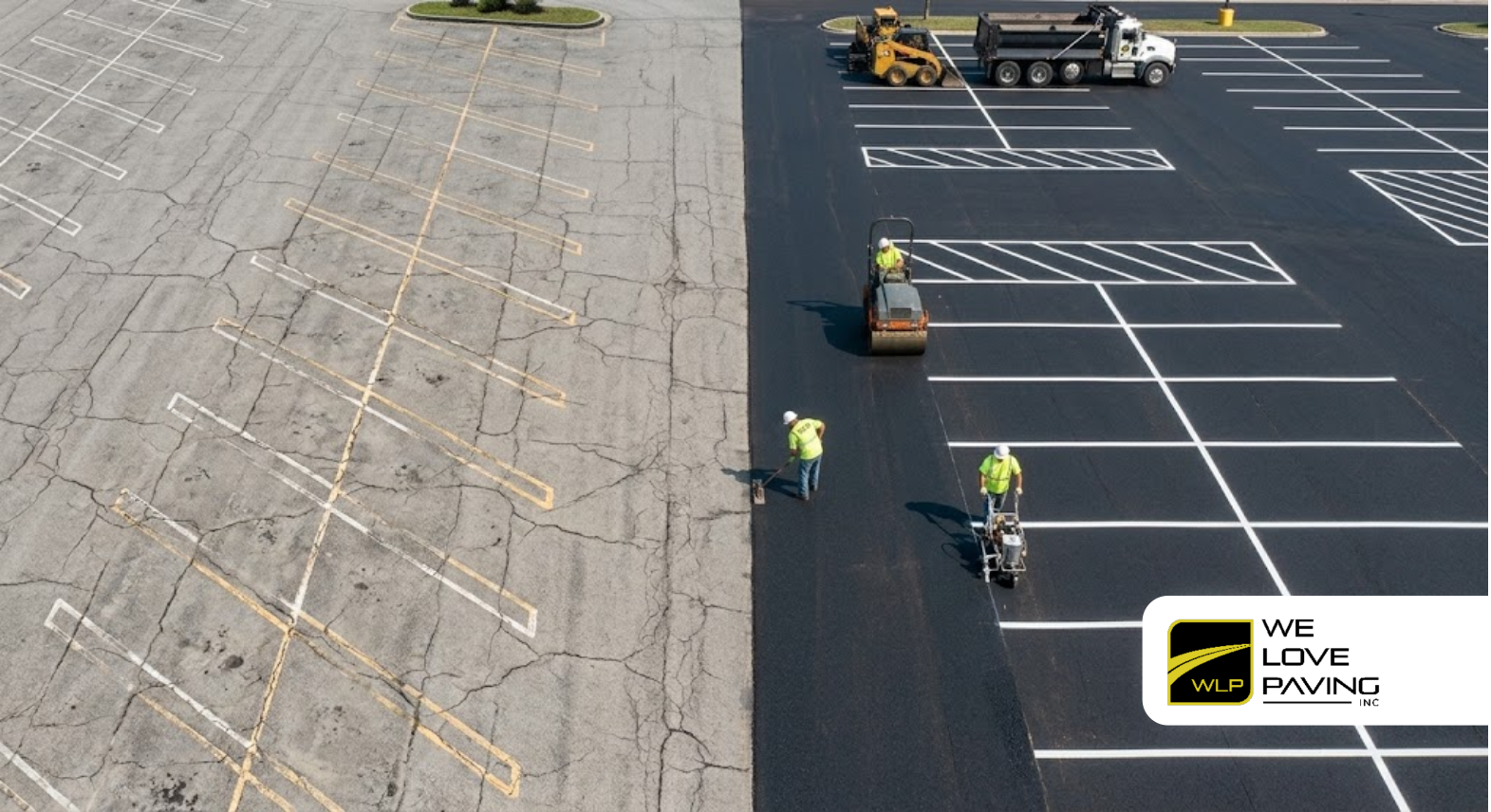
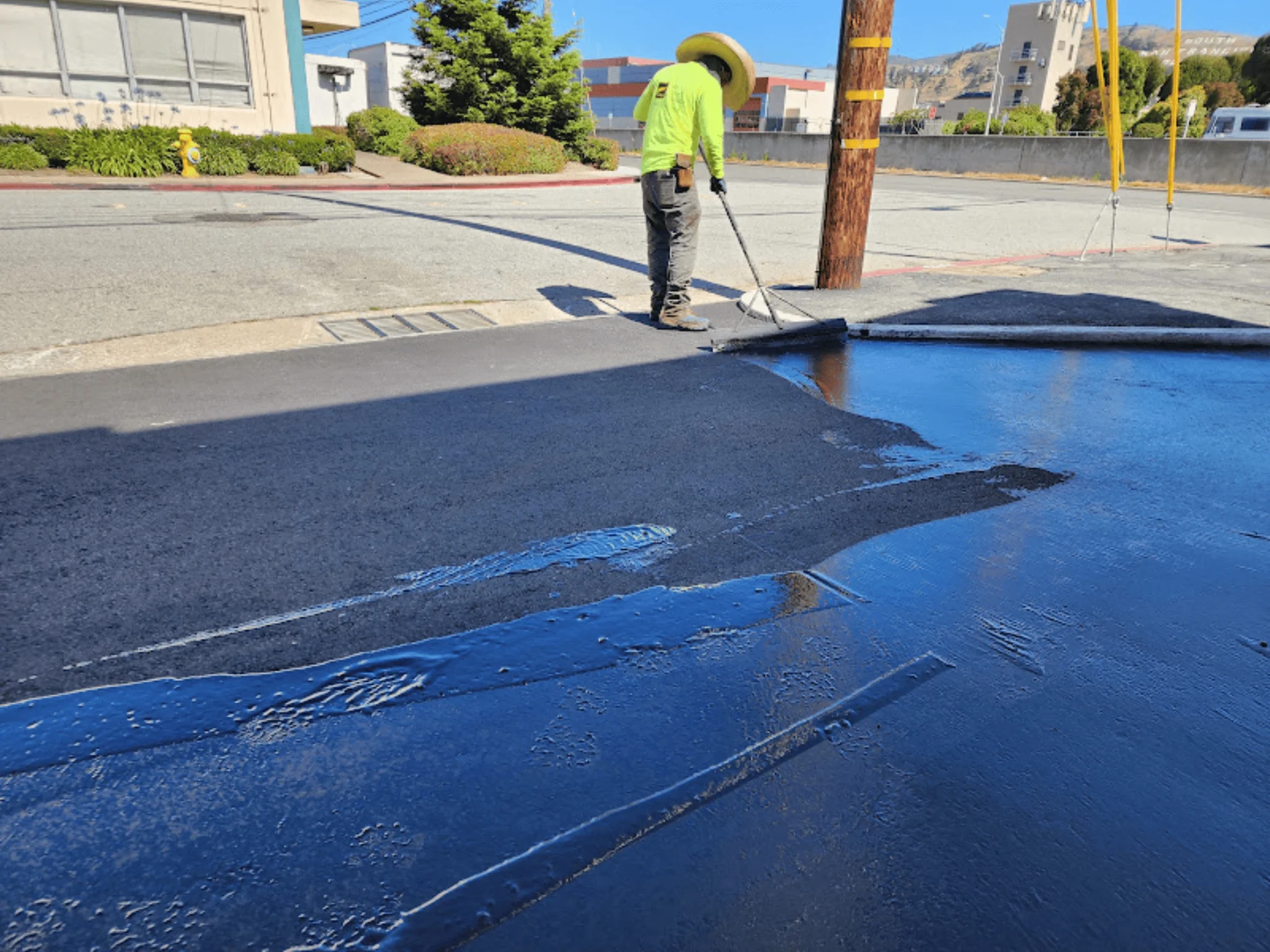
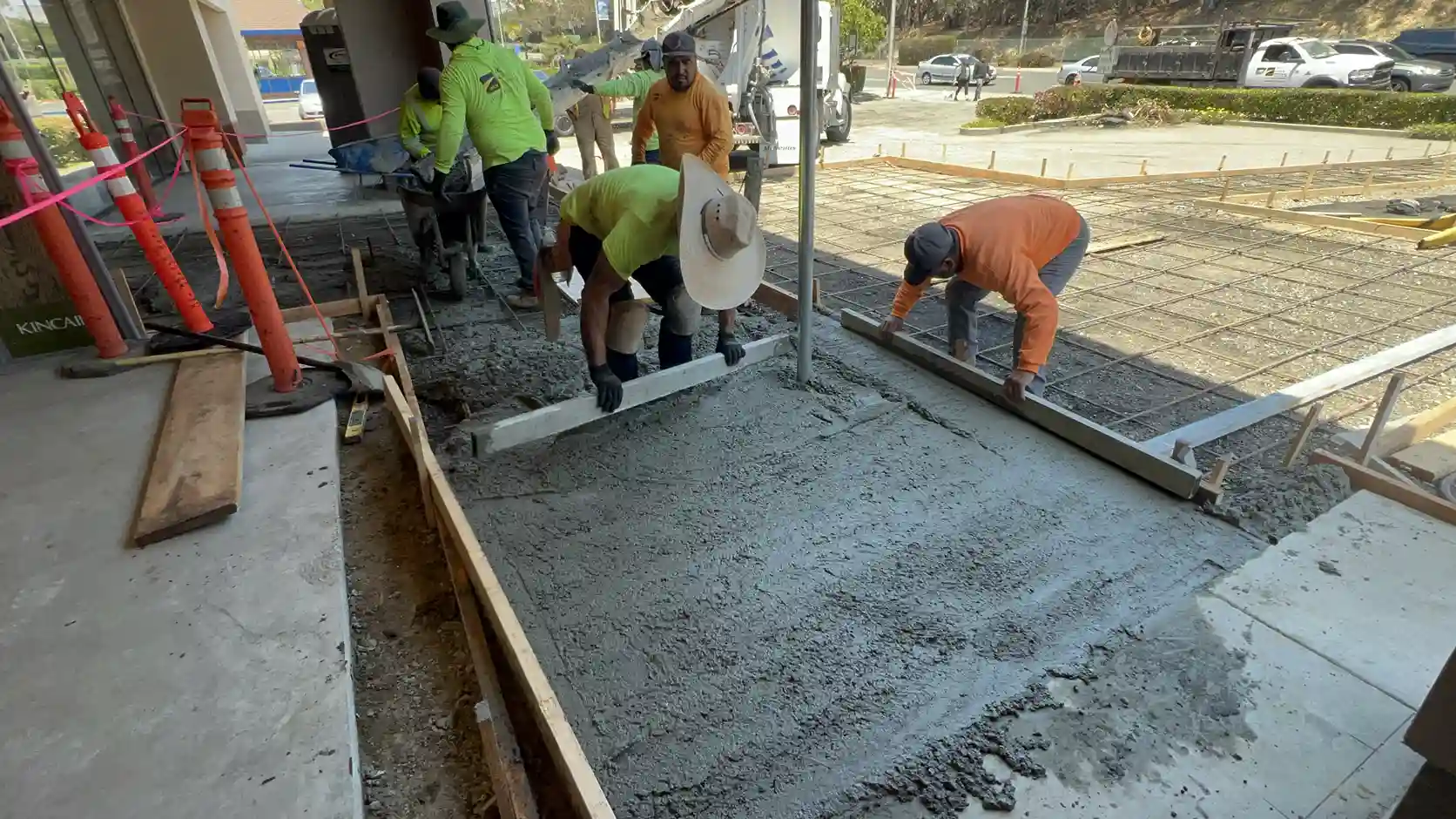
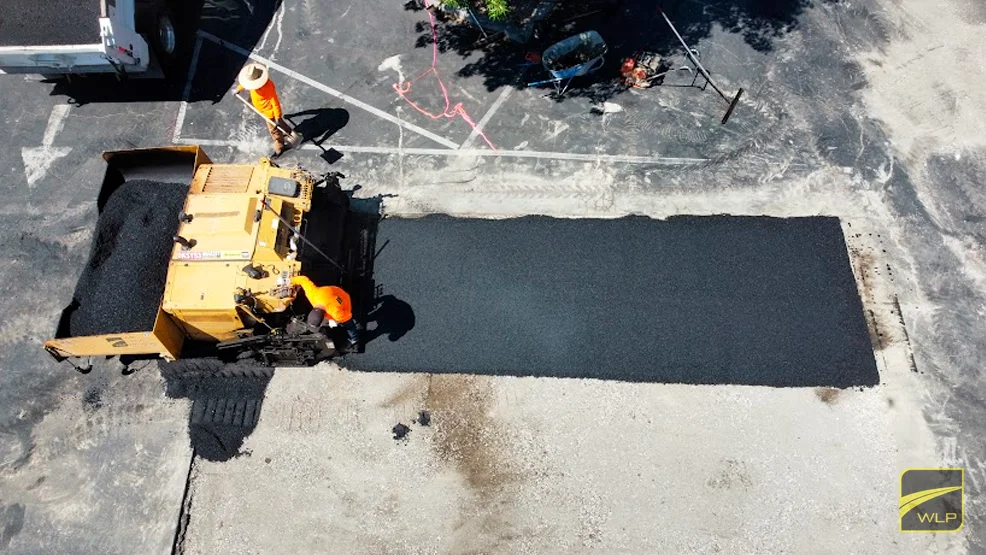
Quality paving materials used in Dublin projects. Premium asphalt and concrete by We Love Paving in Dublin, California.
Estimation Tools

Calculate costs in seconds

Fast, accurate estimates that help you close more jobs. Less guesswork, more profit.

When it comes to constructing or renovating your driveway, getting the depth of asphalt paving and striping just right is crucial for longevity, durability, and compliance with local regulations. In this comprehensive guide, we’ll delve into the factors to consider when determining the optimal depths for your driveway in Sacramento, California.

Asphalt Paving Depth

Local Regulations and Standards

Before embarking on your driveway project, it’s essential to familiarize yourself with any regulations or standards set by local municipalities or homeowner associations. These guidelines often specify minimum requirements for asphalt depth to ensure structural integrity and safety.

Climate Considerations

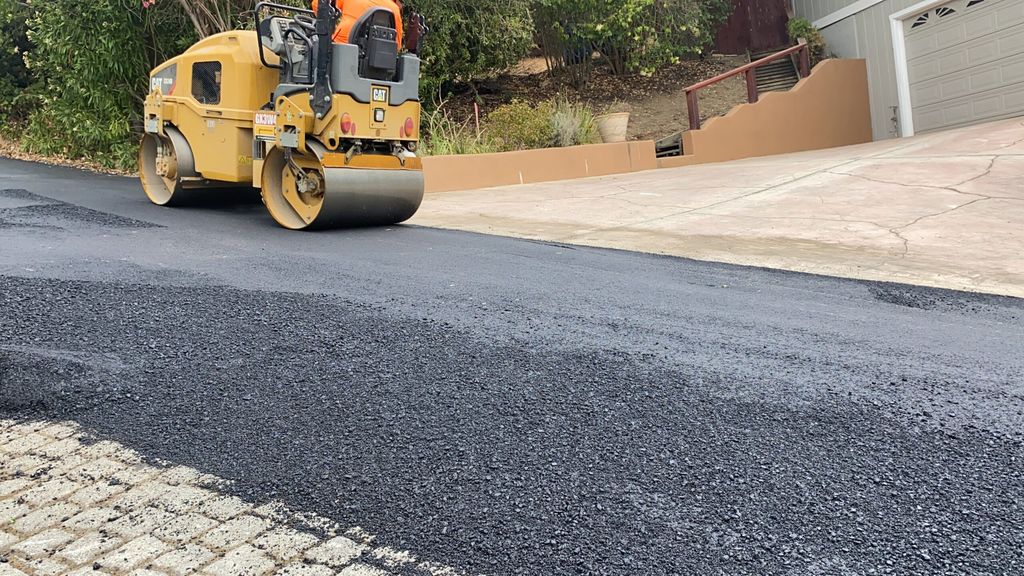
Sacramento’s climate is characterized by hot, dry summers and mild, wet winters. While extreme temperature fluctuations are less common compared to colder regions, exposure to sunlight and occasional rain can impact asphalt durability. A paving depth of 2 to 3 inches is generally recommended to withstand these conditions effectively.

Soil Stability

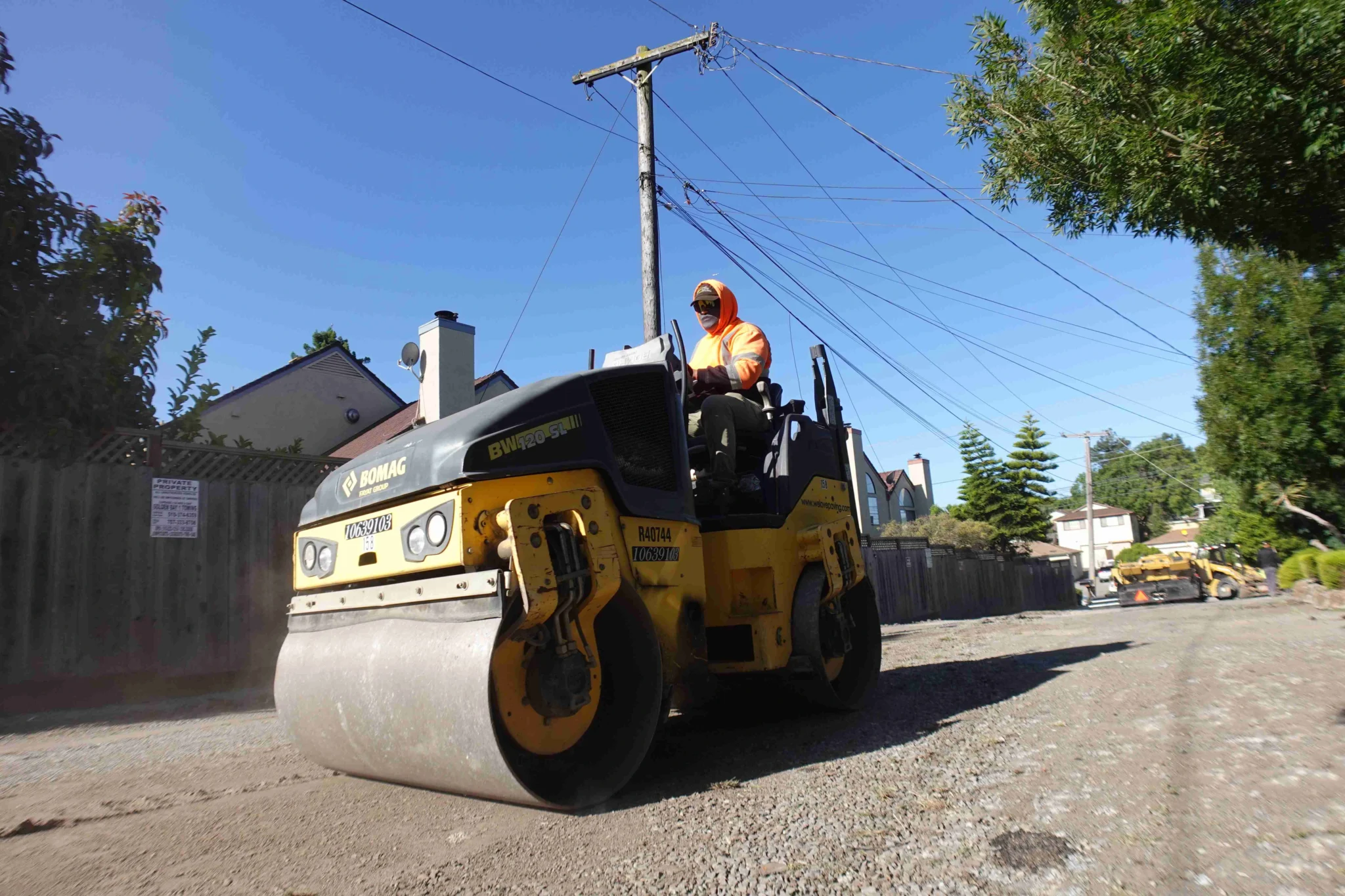
The stability of the soil upon which your driveway sits is a crucial factor in determining asphalt depth. Proper preparation of the subgrade through compaction and grading is necessary to provide a solid foundation for the asphalt layer. In instances where the soil is particularly soft or prone to shifting, additional measures such as reinforcing fabric or sub-base stabilization may be required.

Traffic Load

Consider the types and frequency of vehicles that will use your driveway. For residential driveways accommodating standard passenger cars and light trucks, a paving depth of 2 to 3 inches is suitable. However, driveways experiencing heavier traffic or occasional use by heavy vehicles like RVs or delivery trucks may benefit from a thicker asphalt layer for increased durability.

Paving Striping Depth

Regulatory Requirements

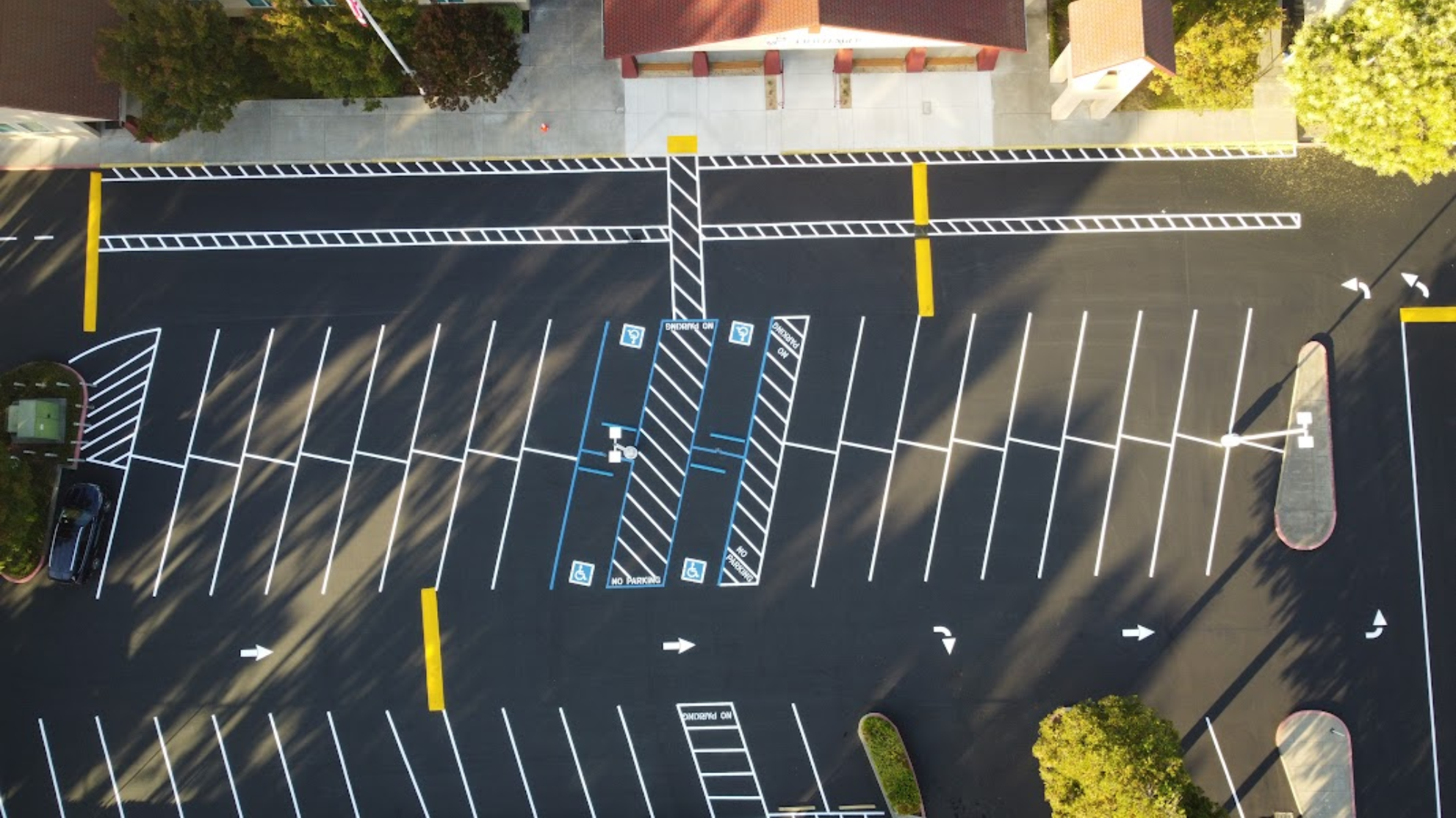
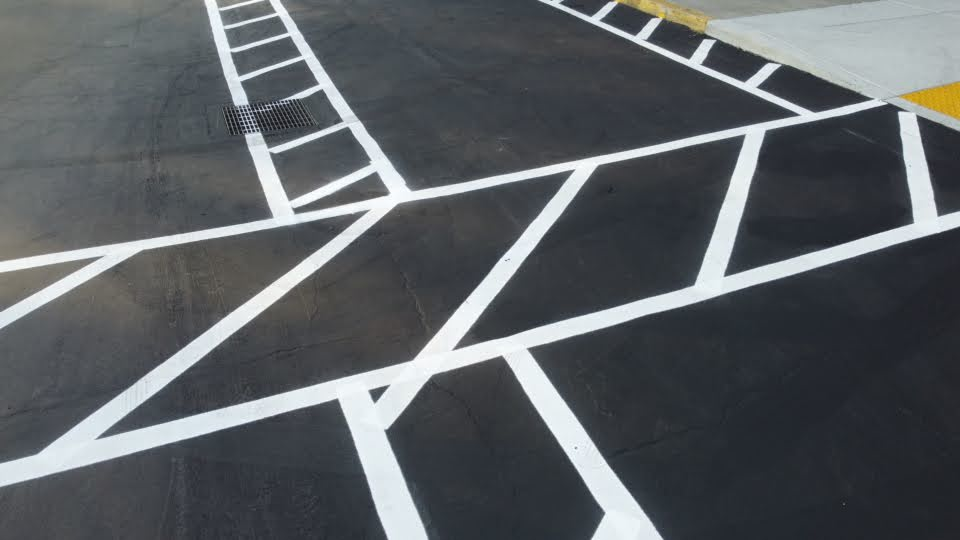
Paving striping, including parking lines and markings, must adhere to local regulations and standards. These guidelines often dictate the dimensions, colors, and placement of markings for safety and compliance purposes.

Visibility and Durability

The depth of paving striping depends on factors such as visibility and durability. In high-traffic areas or where frequent re-striping is impractical, thermoplastic or epoxy-based striping materials may be preferred for their longevity and visibility.

Surface Preparation

Proper surface preparation is crucial for durable striping. The pavement surface must be clean, dry, and free of debris or contaminants to ensure proper adhesion of the striping materials.

Maintenance Considerations

Regular maintenance, including cleaning and re-striping as needed, is essential to preserve the visibility and functionality of pavement markings. Areas with heavy traffic or harsh environmental conditions may require more frequent maintenance to ensure safety and compliance.

In conclusion

Achieving the optimal depths for asphalt paving and striping is essential for the longevity, durability, and safety of your residential driveway in Sacramento, California. By understanding the factors at play and consulting with experts, you can ensure a well-constructed driveway that meets both your functional and regulatory requirements.

Need Immediate Help?

Let's Talk About Your Project

Don't wait until minor damage turns into major expenses. Our team of experts is ready to provide you with guaranteed solutions. Contact us now for direct advice from a professional.

Frequently Asked Questions (FAQ)

Got Questions? Find Your Answers Here!!

What is the recommended asphalt depth for a residential driveway in Sacramento?

The recommended asphalt depth for a residential driveway in Sacramento consists of a two-inch surface layer over a six-inch compacted aggregate base. This specific configuration provides the structural integrity necessary to support passenger vehicles while resisting the expansive clay soil movements common throughout the Sacramento Valley region effectively.

How does subgrade preparation affect driveway longevity in California?

Subgrade preparation affects driveway longevity by providing a stable, well-draining foundation that prevents asphalt from shifting or cracking prematurely. In California, mechanical compaction must reach ninety-five percent density to withstand seasonal thermal expansion. Proper soil stabilization reduces the risk of structural base failures and expensive pothole repairs significantly.

Why is striping essential for residential and commercial paving in Sacramento?

Striping is essential for paving in Sacramento because the high-contrast markings define traffic flow and ensure compliance with ADA accessibility requirements. Using traffic-grade thermoplastic paint ensures that parking stalls and fire lanes remain visible for over twenty-four months. Clear markings reduce property owner liability and improve overall safety.

What are the risks of using inadequate asphalt thickness for driveways?

The risks of using inadequate asphalt thickness include rapid surface deterioration and structural failure under standard vehicle loads. Pavements thinner than two inches often develop alligator cracking within three years due to base instability. Ensuring the correct thickness prevents water infiltration, which is responsible for ninety percent of premature foundation erosion.

How do soil conditions in Sacramento influence driveway paving specifications?

Sacramento soil conditions, characterized by expansive clay, require thicker aggregate bases to prevent asphalt buckling and structural damage. We Love Paving recommends a minimum of six to eight inches of crushed rock base to facilitate drainage. This engineering specification counteracts the soil's natural tendency to shift during California’s wet winters.

Professional customer review project by We Love Paving in Northern California, California. Verified local construction quality.

Fred / Founder

Fred, Founder and Regional Operations Manager at We Love Paving, comes from a family that values hard work and discipline. Growing up watching his parents work long hours with integrity and dedication, Fred learned early on that quality paving isn’t just about asphalt, it’s about consistency, accountability, and doing the job right.

Share

Posts That Might Interest You

Why Is Parking So Expensive for Property Owners?

May 15, 2026

Many commercial property owners underestimate how expensive parking areas become once maintenance, accessibility, and pavement deterioration start overlapping at the same time. At first, parking lot costs usually appear manageable. Small cracks, faded striping, drainage problems, or isolated surface wear may not seem urgent while the property continues operating normally. Over time, however, those smaller

ADA Compliant Checklist for Parking Lots

ADA Compliant Checklist for Parking Lots

May 15, 2026

Many commercial properties develop accessibility problems gradually without property owners realizing how much conditions have changed over time. Parking lots, sidewalks, ramps, and pedestrian access routes constantly experience wear from traffic movement, weather exposure, drainage shifts, and surface aging. Because these changes happen slowly, accessibility concerns are often overlooked until inspections, complaints, or liability risks

Biggest Mistakes Made by a Landlord With Parking Lots

Biggest Mistakes Made by a Landlord With Parking Lots

May 15, 2026

Many property owners focus heavily on tenant spaces, landscaping, and building appearance while overlooking one of the most heavily used parts of the property: the parking lot. The problem is that pavement deterioration rarely stays cosmetic for long. Small surface issues gradually begin affecting traffic flow, drainage behavior, pedestrian safety, tenant perception, and operational costs

Parking Lot Snow Removal and Winter Pavement Damage

Parking Lot Snow Removal and Winter Pavement Damage

May 15, 2026

Winter weather places commercial parking lots under far more stress than many property owners realize. Snow accumulation, freezing temperatures, ice formation, and repeated plowing activity gradually affect asphalt surfaces throughout the season. Even parking lots that appear stable during warmer months often begin developing new wear patterns once winter conditions repeatedly impact traffic areas, drainage

Next

Estimation Tools

Calculate costs in seconds

Fast, accurate estimates that help you close more jobs. Less guesswork, more profit.