When a Small Crack Becomes a $50,000 Problem

It starts as a thin line across your parking lot. Barely noticeable — until it rains, freezes, and months later, your entire pavement starts to crumble.

Most property managers think of crack filling as cosmetic maintenance. In reality, it’s the first line of defense against structural failure that can turn a $300 fix into a $50,000 replacement.


The Real Cost of Ignoring Cracks

Water is pavement’s worst enemy. Once it seeps into small surface cracks, it weakens the layers underneath — the base and sub-base that keep your pavement stable.

As temperatures change, cracks expand and contract, allowing even more moisture to penetrate. Over time, what began as a hairline fracture evolves into alligator cracking, potholes, and full-depth failure.

Reactive repairs cost 10–20 times more than preventive crack filling. What could’ve been a simple maintenance task becomes a full reconstruction project.


Crack Filling Is Structural, Not Cosmetic

Crack filling restores the pavement’s structural integrity, not just its appearance. By sealing the openings, you prevent water, oil, and debris from infiltrating and compromising the base.

Professional crack filling involves:

  • Cleaning the cracks thoroughly to remove dirt and vegetation.

  • Routing to create uniform edges for better bonding.

  • Applying hot-pour sealant designed to expand and contract with temperature changes.

This process ensures flexibility and durability — keeping your surface sealed and strong year-round.


How Often Should You Fill Cracks?

Preventive maintenance is all about timing.

  • Inspect your pavement once a year, ideally in spring or fall.

  • Crack filling works best when temperatures are between 40°F and 75°F.

  • Pair it with sealcoating every 2–3 years to maximize pavement life.

Regular maintenance can double your pavement’s lifespan — from 8–10 years to as much as 20.


Real-World Math: The $50,000 Lesson

A 50,000-square-foot commercial parking lot in California skipped crack filling for three consecutive years. What started as minor surface cracking evolved into widespread base erosion and structural failure.

The result? Full milling and asphalt overlay were required.
Total cost: $48,700.
Estimated cost of annual crack filling: ~$600/year.

A small oversight turned into a massive repair bill.


How to Stay Ahead

Here’s a simple checklist to protect your pavement investment:

  • Inspect at the beginning and end of each season.

  • Fill cracks larger than ¼ inch immediately.

  • Hire licensed professionals — not general handymen.

  • Keep photo records and maintenance logs.

Being proactive today prevents massive reconstruction tomorrow.


Don’t Let a Small Crack Become Your Biggest Expense

At We Love Paving, we don’t just patch problems — we prevent them.
Our crack filling services are designed to stop damage before it spreads, protecting your property and your budget.

👉 Schedule your free crack inspection today and keep small problems from becoming $50,000 headaches.

Share

WHO IS FRED?

Fred, Regional Operations Manager, comes from a family of immigrant roots and a story built on sacrifice, discipline, and hard work. Growing up, Fred watched his parents work long hours and weekends to create a better future teaching him the values of perseverance, determination, and doing things the right way every single time.
We Love Paving began with Fred’s father, who started doing what he knew best: paving. Over the years, he built experience alongside respected professionals in the industry, refining his methods and developing a reputation for quality work that speaks for itself. As his clientele grew, so did the vision one built not only on skill, but on integrity and pride in every job.

Posts that might interest you

5 Signs Your Asphalt Needs Professional Attention (Before It Costs You More)

5 Signs Your Asphalt Needs Professional Attention (Before It Costs You More)

June 2, 2025

Why Pavement Fails (And How to Prevent It)

Why Pavement Fails (And How to Prevent It)

May 30, 2025

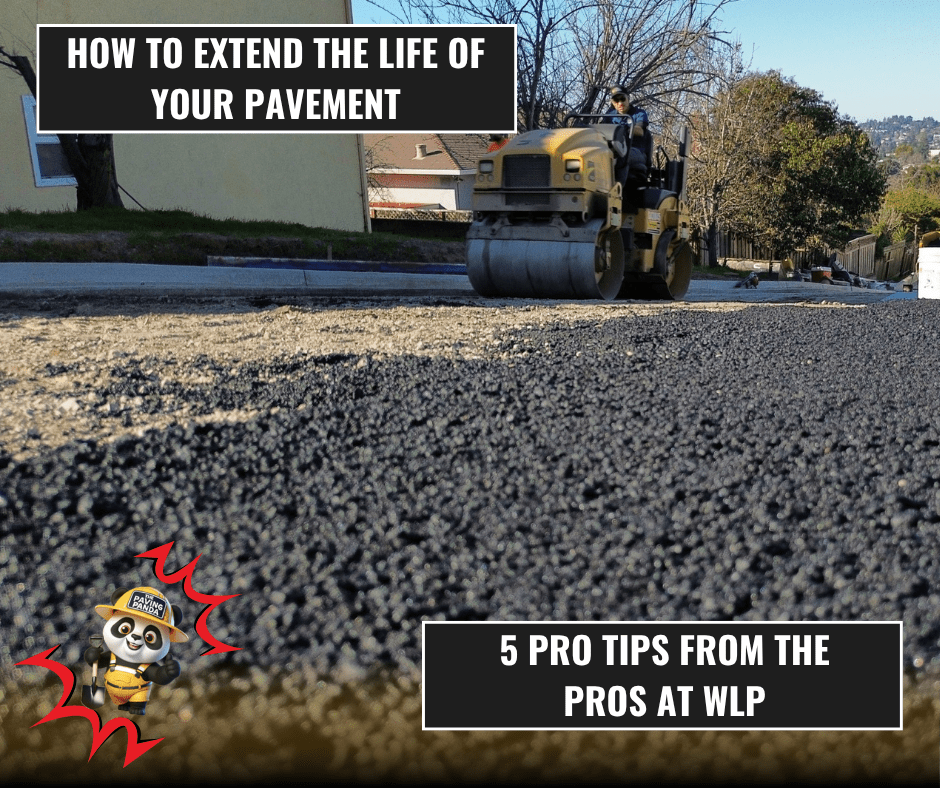
How to Extend the Life of Your Pavement: 5 Pro Tips from the Pros at WLP

How to Extend the Life of Your Pavement: 5 Pro Tips from the Pros at WLP

May 29, 2025

Regular inspections are essential to extending the life of asphalt pavement. Evaluating the surface at least twice a year helps identify early cracking, surface wear, and drainage issues before they escalate into costly repairs. Early detection reduces long-term damage and preserves pavement integrity. Crack sealing and minor asphalt repairs should be addressed as soon as

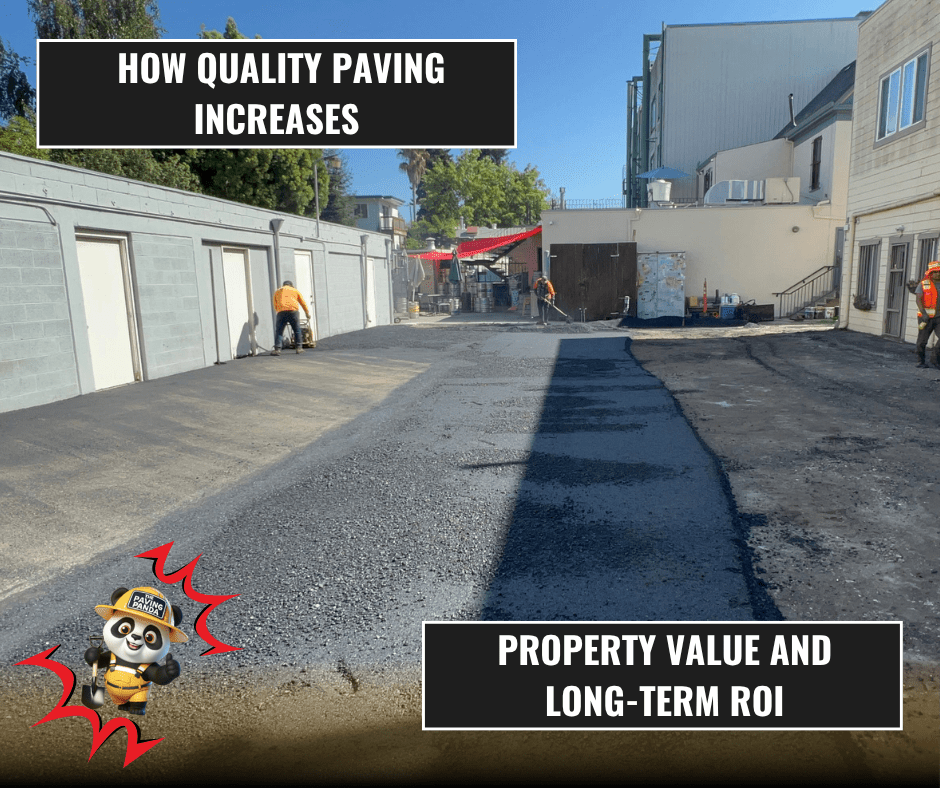
How Quality Paving Increases Property Value and Long-Term ROI

How Quality Paving Increases Property Value and Long-Term ROI

May 23, 2025

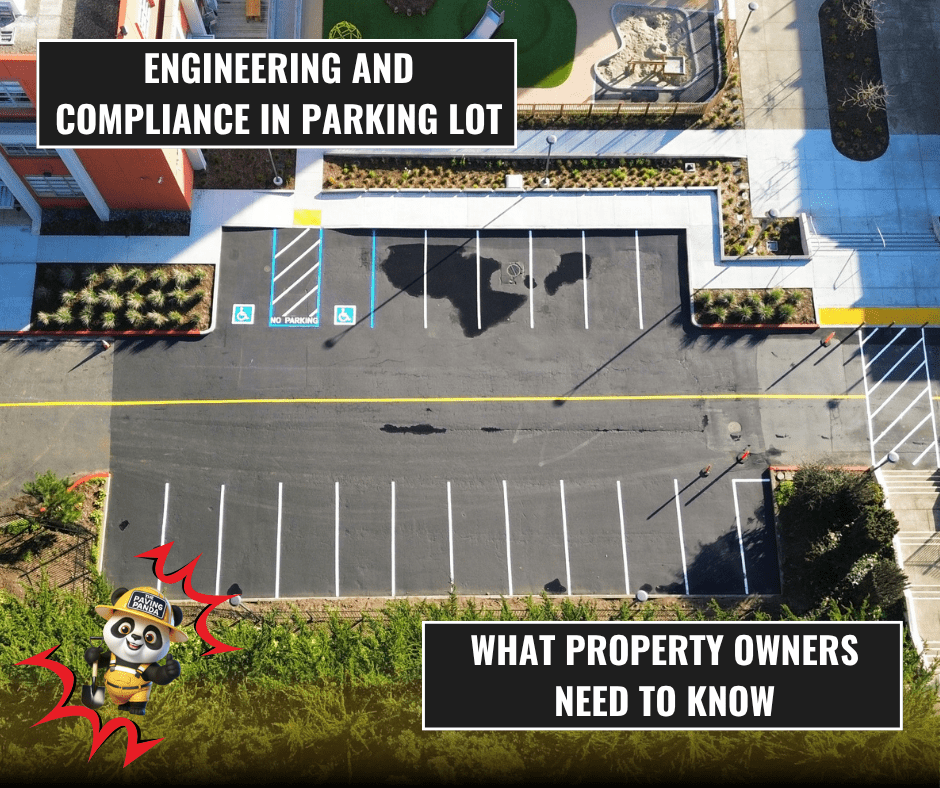
Engineering and Compliance in Parking Lot Design: What Property Owners Need to Know

Engineering and Compliance in Parking Lot Design: What Property Owners Need to Know

May 22, 2025

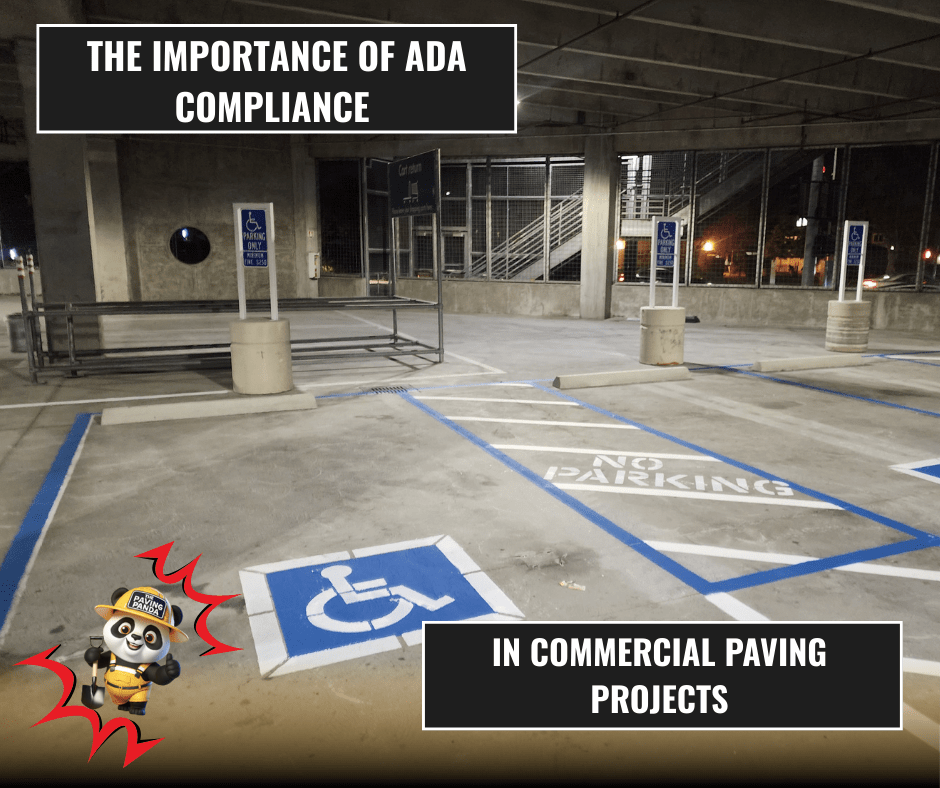
The Importance of ADA Compliance in Commercial Paving Projects

The Importance of ADA Compliance in Commercial Paving Projects

May 21, 2025

When it comes to commercial paving, aesthetics and durability are important—but ADA compliance is non-negotiable. Failure to meet federal accessibility standards doesn’t just lead to fines—it exposes your business to lawsuits, limits customer access, and damages your reputation. At We Love Paving, we specialize in paving solutions that are fully ADA-compliant from the ground up—because

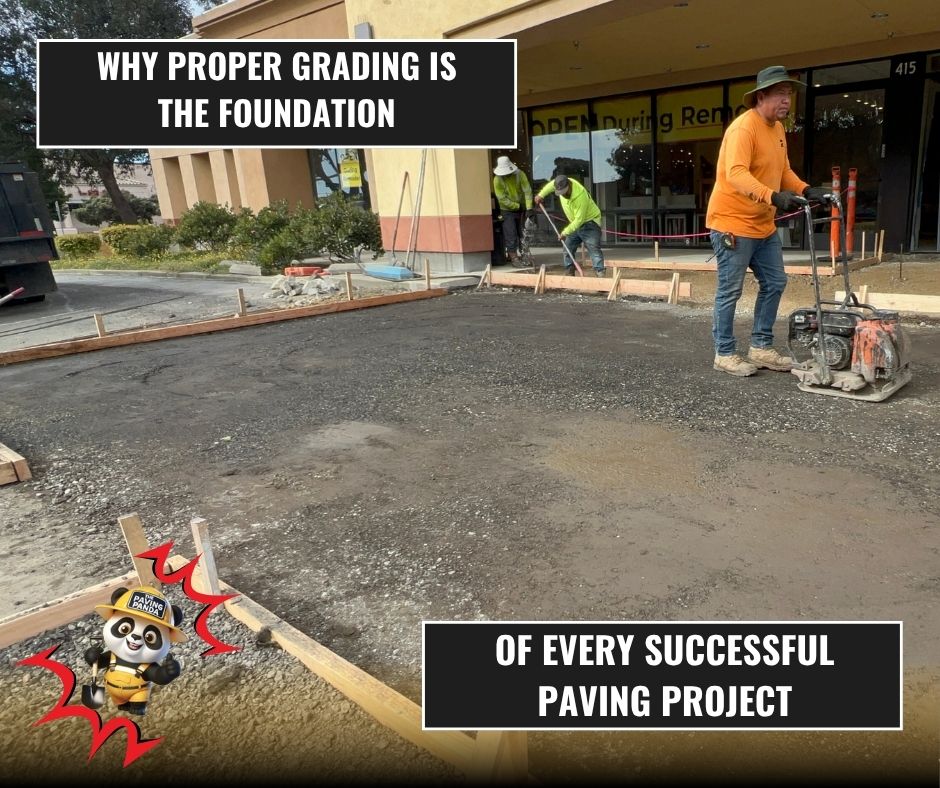
Why Proper Grading Is the Foundation of Every Successful Paving Project

Why Proper Grading Is the Foundation of Every Successful Paving Project

May 20, 2025

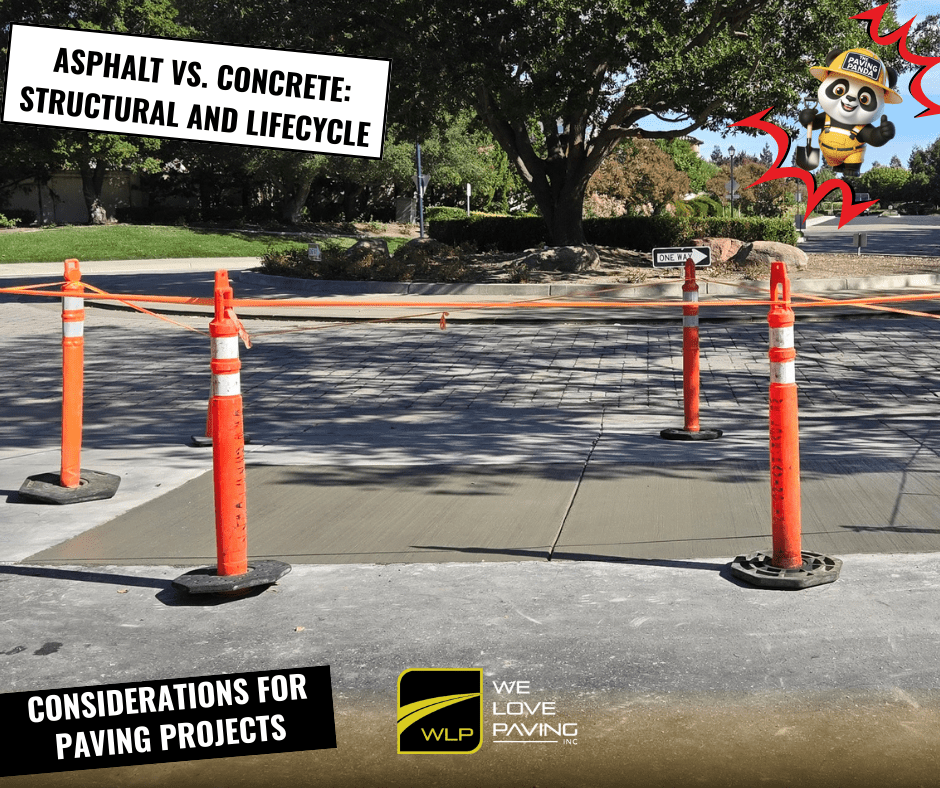
Asphalt vs. Concrete: Structural and Lifecycle Considerations for Paving Projects

Asphalt vs. Concrete: Structural and Lifecycle Considerations for Paving Projects

May 19, 2025

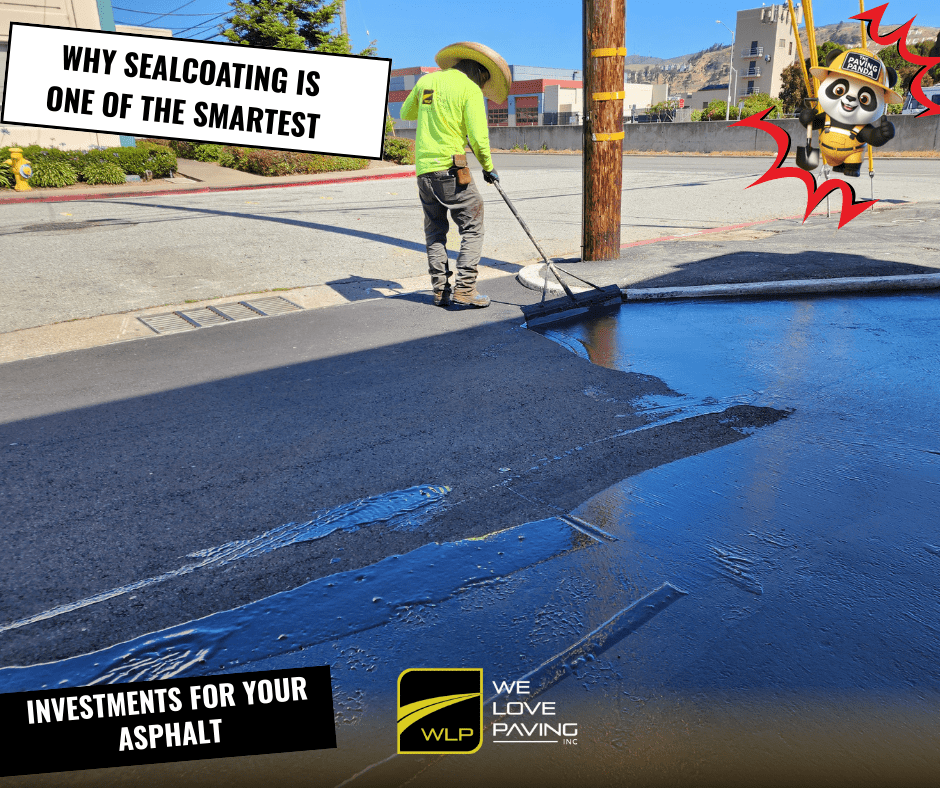
Why Sealcoating Is One of the Smartest Investments for Your Asphalt

Why Sealcoating Is One of the Smartest Investments for Your Asphalt

May 16, 2025

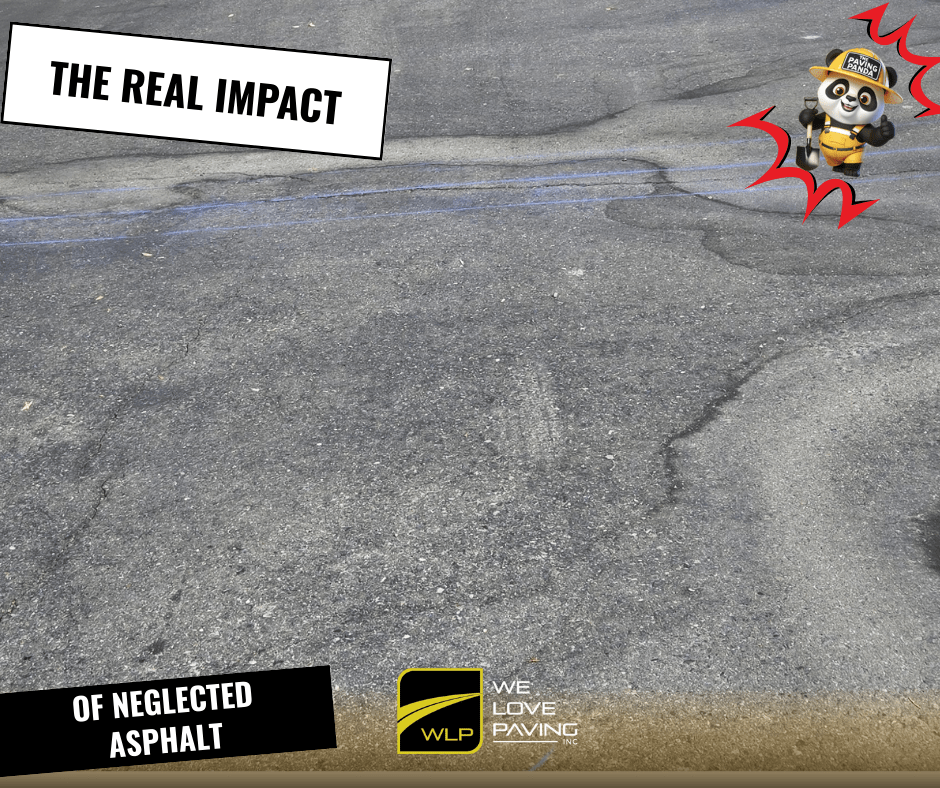
The Real Impact of Neglected Asphalt Maintenance

The Real Impact of Neglected Asphalt Maintenance

May 15, 2025

Previous Next