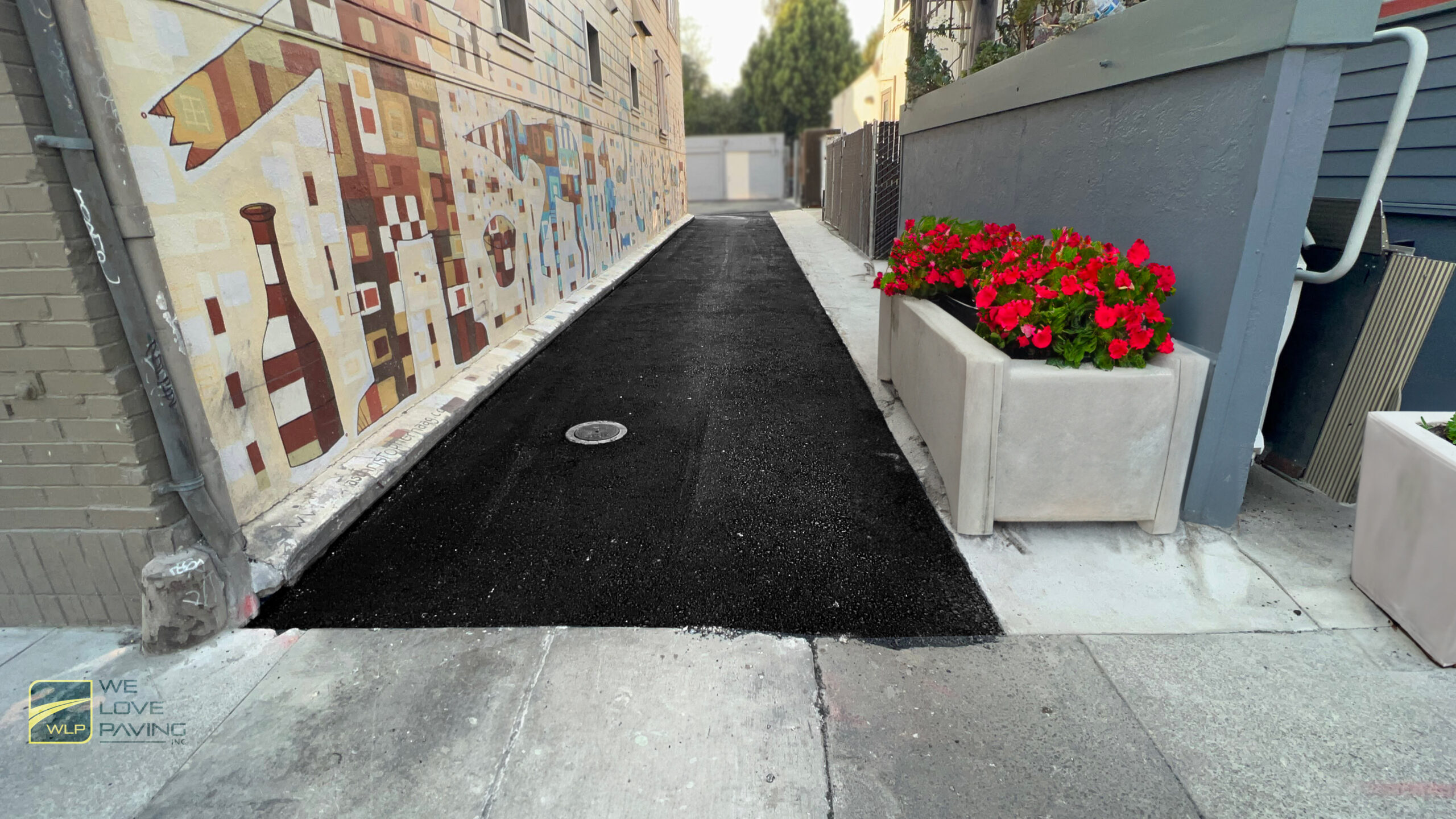
If you’re considering upgrading your home’s curb appeal with a new concrete driveway, one of your first questions is likely, “How much will this cost?” Concrete driveways are a popular choice for their durability, versatility, and clean aesthetic, but pricing can vary widely based on factors like size, design, and location. In this comprehensive guide, we’ll break down the average costs, hidden expenses, and tips to maximize your investment—so you can budget wisely and make informed decisions.
Average Cost of a Concrete Driveway
On average, homeowners spend
15 per square foot for a standard concrete driveway installation. For a typical 24’x24’ two-car driveway (576 sq. ft.), this translates to
8,600. However, prices can climb to $25+ per square foot for custom designs, intricate finishes, or challenging site conditions.
Here’s a quick cost breakdown:
| Driveway Size | Total Cost Range |
|---|---|
| Single-Car (300 sq. ft.) | 4,500 |
| Two-Car (576 sq. ft.) | 8,600 |
| Large/Extra-Long (1,000 sq. ft.) | 15,000 |
6 Key Factors That Influence Concrete Driveway Costs
1. Size and Layout
Larger driveways naturally cost more due to increased material and labor needs. Complex shapes (e.g., curved edges, multiple entry points) or sloped terrain also require extra time and expertise to grade and level the sub-base properly.
2. Concrete Type and Thickness
-
Basic Gray Concrete: The most affordable option (
10/sq. ft.). -
Stamped Concrete: Mimics brick, stone, or wood (
25/sq. ft.). -
Colored/Stained Concrete: Adds hues like terracotta or charcoal (
20/sq. ft.). -
Exposed Aggregate: Reveals decorative stones in the surface (
30/sq. ft.).
Thickness matters too. Most driveways use 4–6 inches of concrete, but thicker slabs (6+ inches) are recommended for heavy vehicles like RVs, adding 10–20% to costs.
3. Site Preparation
Proper preparation ensures longevity but can add expenses:
-
Excavation and Grading: Removing old pavement, rocks, or debris (
5/sq. ft.). -
Sub-Base Installation: A gravel/sand base (4–8 inches thick) prevents cracking (
3/sq. ft.). -
Drainage Solutions: Fixing poor drainage with French drains or slopes (
2,500).
4. Labor and Location
Labor accounts for 50–60% of total costs. Rates vary by region:
-
Urban Areas: Higher labor costs (e.g.,
10/sq. ft. in California vs.
7/sq. ft. in the Midwest). -
Rural Areas: Potential travel fees for contractors.
5. Decorative Finishes and Add-Ons
Enhance aesthetics and functionality with:
-
Heated Driveways: Melt snow automatically (
25/sq. ft. for hydronic/electric systems). -
Sealing: Protects against stains and weather (
0.25/sq. ft. annually). -
Edging or Borders: Concrete curbs or pavers (
15/linear foot).
6. Permits and Inspections
Local building codes may require permits for driveway installations, especially in flood-prone areas. Permit fees typically range from
500.
Concrete vs. Asphalt: Which Is More Cost-Effective?
While asphalt driveways are cheaper upfront (
8/sq. ft.), concrete offers long-term savings:
-
Lifespan: Concrete lasts 25–40 years vs. asphalt’s 15–20 years.
-
Maintenance: Concrete requires less frequent sealing and repairs.
-
Resale Value: Concrete boosts curb appeal, potentially increasing home value by 5–10%.
Hidden Costs to Watch For
-
Unexpected Soil Issues: Clay-heavy or unstable soil may need stabilization (
3/sq. ft.). -
Reinforcement: Steel rebar or wire mesh (adds
1.50/sq. ft.) prevents cracking. -
Winter Installations: Cold-weather concrete pouring may require additives or insulated blankets (+
1,500). -
Removal of Old Driveways: Demolition and disposal of existing surfaces (
6/sq. ft.).
How to Save Money on Your Concrete Driveway
-
Choose Simplicity: Skip elaborate patterns or colors for a basic finish.
-
Plan Off-Season: Contractors may offer discounts in late fall or winter.
-
Bundle Services: Pair your driveway with a patio or walkway project.
-
Compare Quotes: Get estimates from 3–5 licensed, insured contractors.
FAQs About Concrete Driveway Costs
Q: How long does it take to install a concrete driveway?
A: 3–7 days, including curing time (concrete needs 7–28 days to fully harden).
Q: Can I install a concrete driveway myself?
A: DIY is risky—improper pouring or leveling leads to cracks. Always hire professionals.
Q: Does concrete crack over time?
A: Minor cracks are normal, but proper installation and control joints minimize them.
Q: How often should I seal my driveway?
A: Every 2–5 years, depending on climate and wear.
Q: Are there eco-friendly concrete options?
A: Yes! Recycled aggregate or pervious concrete reduces environmental impact.
Why Choose We Love Paving for Your Driveway Project?
At We Love Paving, we combine craftsmanship with transparency to deliver stunning, budget-friendly driveways:
-
Free On-Site Estimates: Detailed quotes with no hidden fees.
-
Local Expertise: Knowledge of regional soil and weather challenges.
-
15-Year Warranty: Peace of mind on materials and workmanship.
-
Satisfaction Guarantee: We don’t stop until you love your new driveway.
Ready to Transform Your Home’s Exterior?
A concrete driveway is more than just a parking spot—it’s the first impression of your home. With proper planning and the right contractor, you can enjoy a functional, beautiful surface that lasts decades.
Contact We Love Paving today to schedule a consultation and get a personalized quote. Let’s build a driveway that combines quality, style, and value!