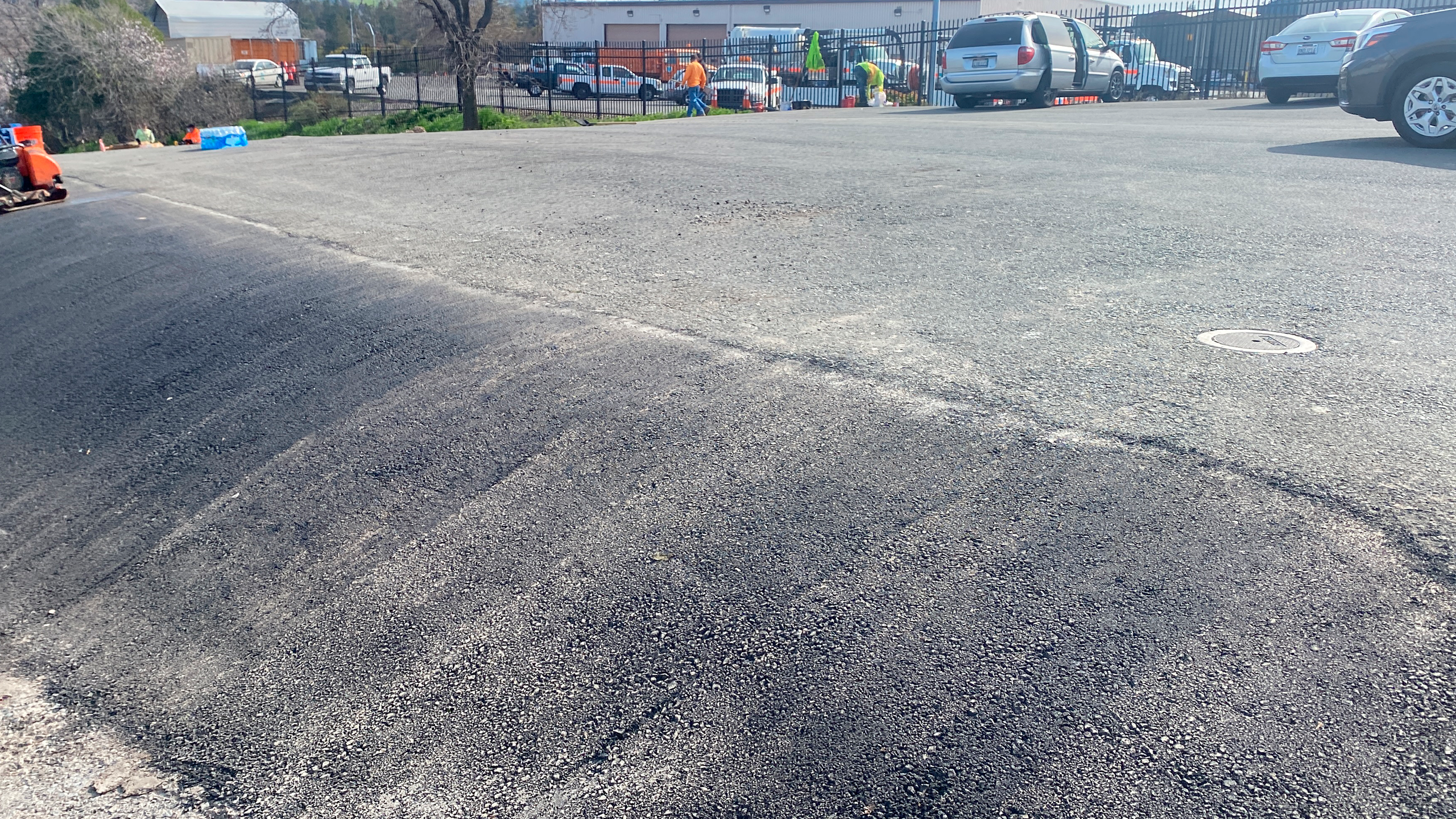
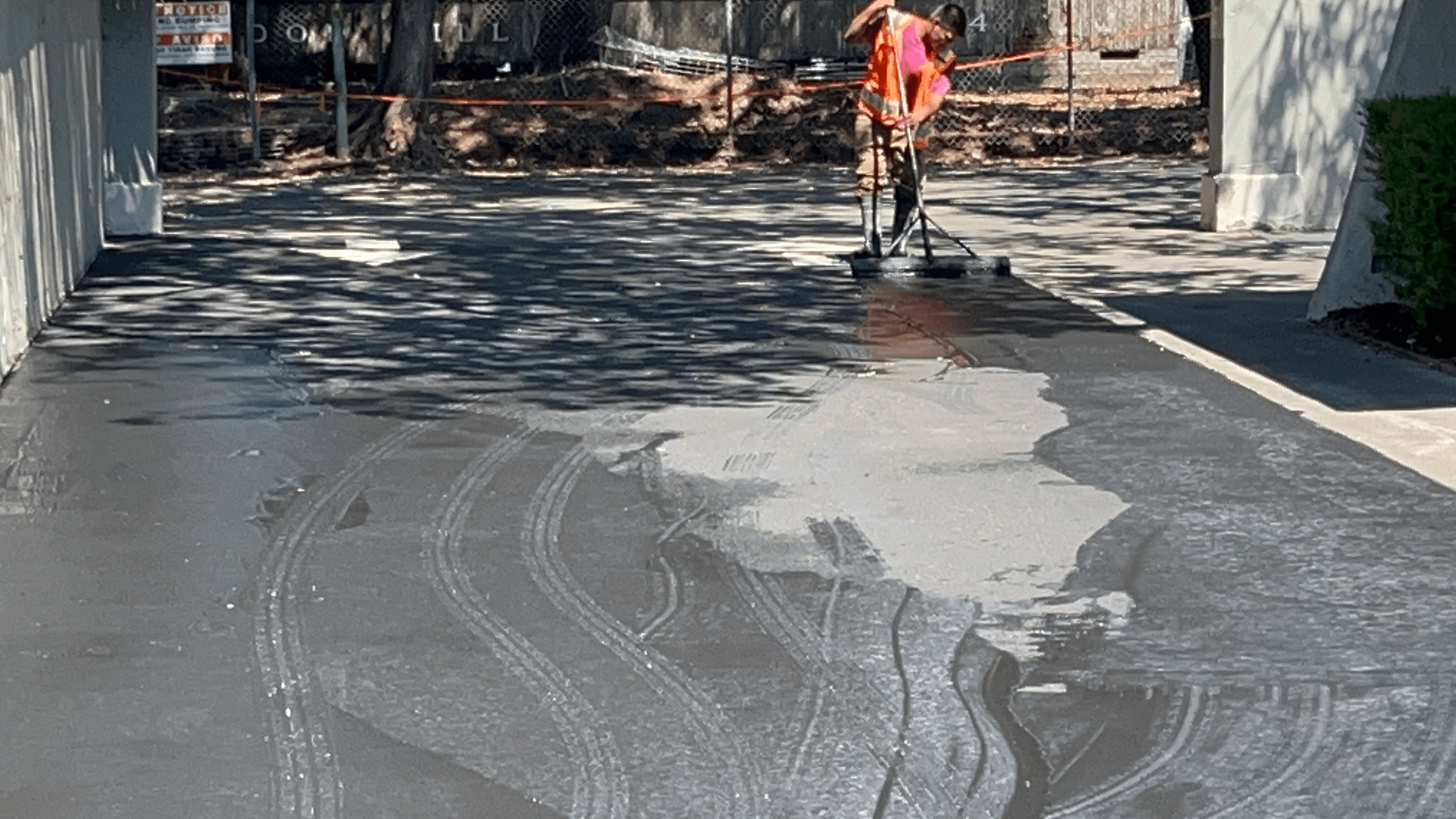
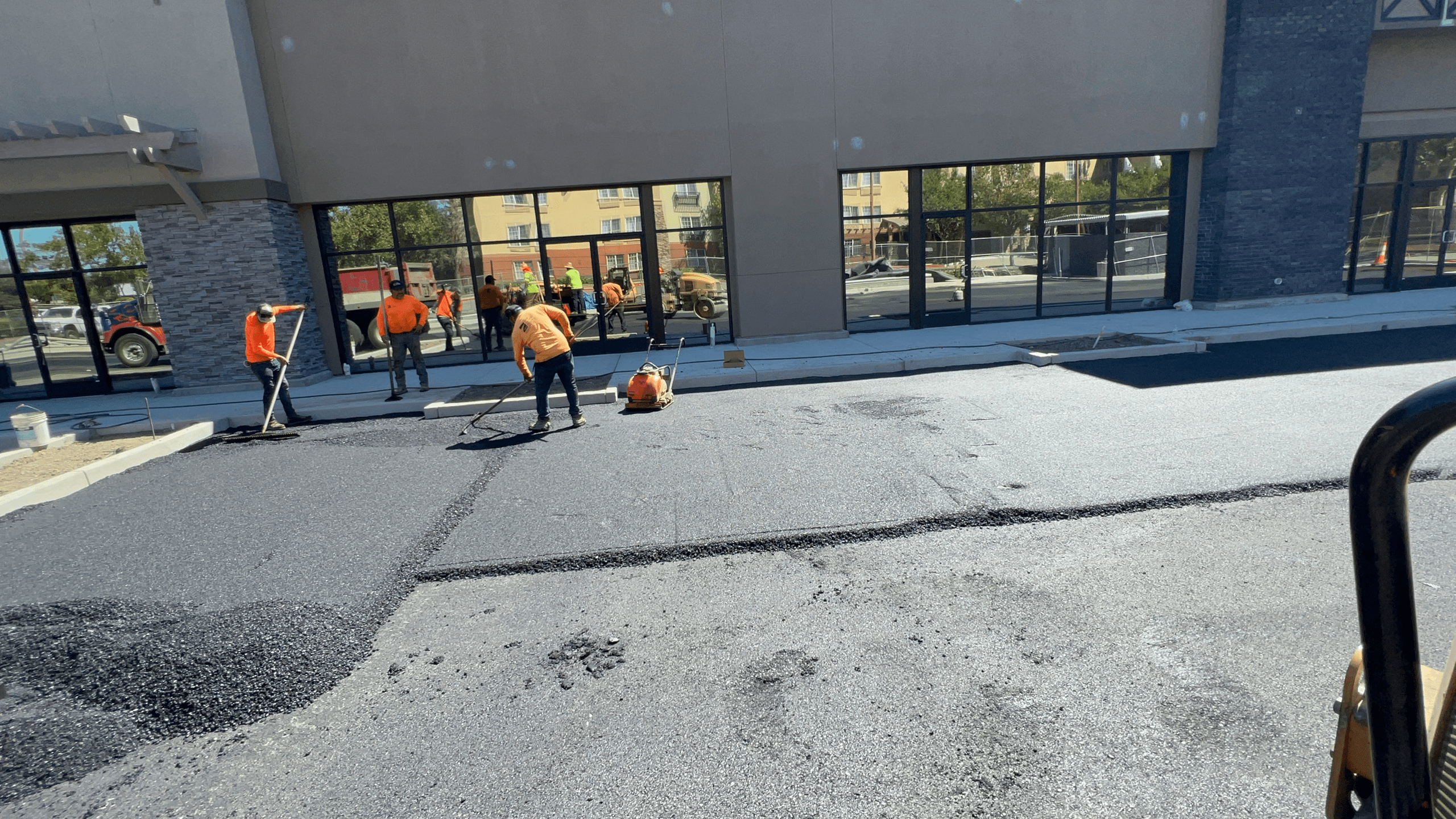
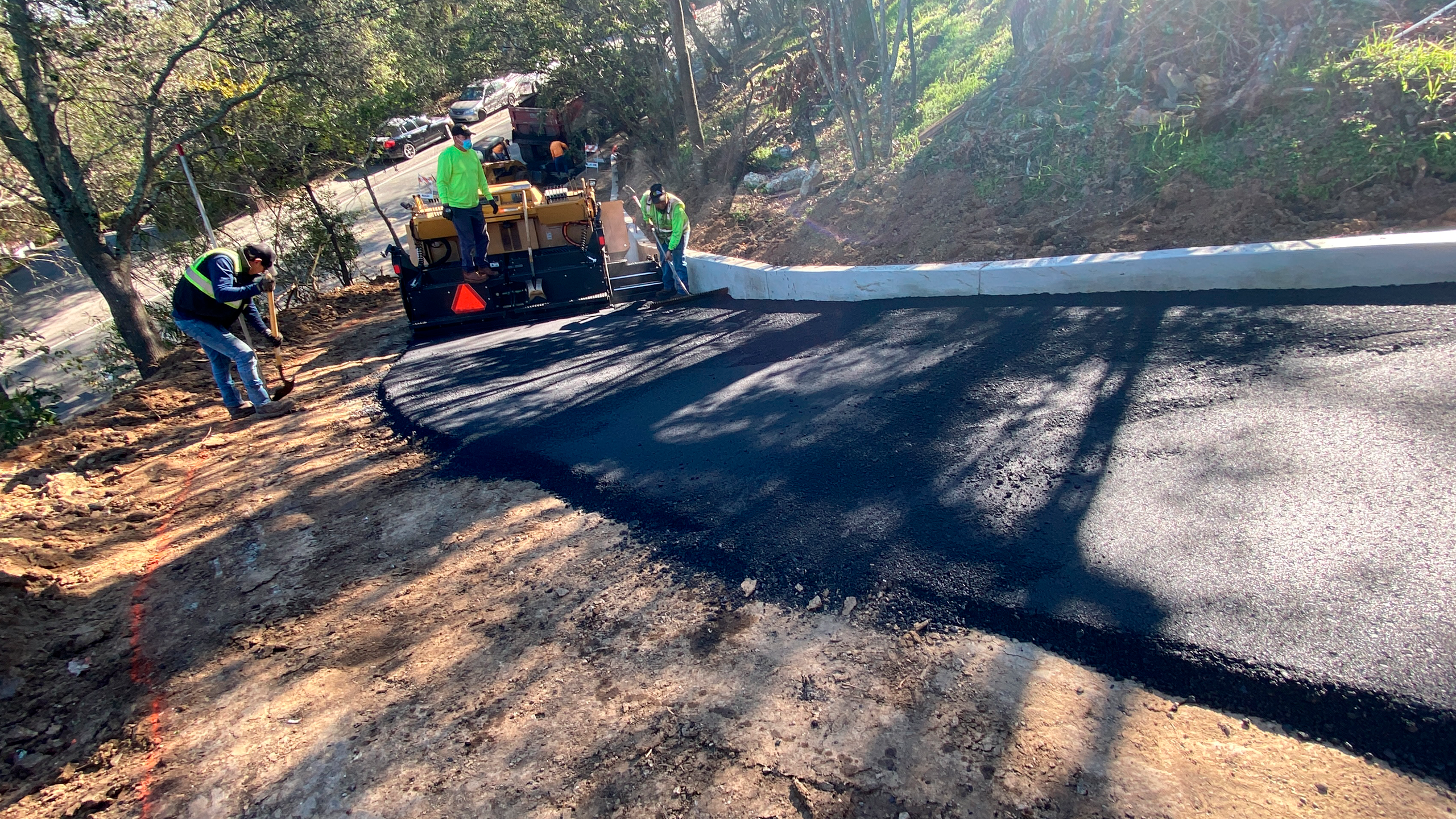
Asphalt paving is a critical component of urban infrastructure, serving as the backbone of city streets, highways, and parking lots. Its durability, cost-effectiveness, and ease of maintenance make it a popular choice for municipalities worldwide. In Sacramento, California, where urban development and traffic demand are continually increasing, understanding the life expectancy of asphalt paving is essential for effective urban planning and budgeting.
Factors Influencing the Life Expectancy of Asphalt Paving
The lifespan of asphalt paving can vary widely depending on several factors. On average, well-constructed asphalt pavement can last between 15 to 30 years. However, this can be influenced by the following:
Climate and Weather Conditions
Temperature Fluctuations: Sacramento experiences hot summers with temperatures often exceeding 90°F and mild, wet winters. These temperature extremes can cause the asphalt to expand and contract, leading to cracks and potholes over time.
Precipitation: Although Sacramento’s rainfall is relatively moderate, averaging about 20 inches per year, the occasional heavy downpour can seep into cracks and cause water damage, undermining the pavement structure.
Traffic Volume and Load
Vehicle Types: The type and volume of traffic significantly affect asphalt’s lifespan. Heavy vehicles, such as trucks and buses, exert more pressure on the pavement, accelerating wear and tear.
Traffic Flow: High-traffic areas, such as downtown Sacramento and major thoroughfares like Interstate 5 and Highway 50, are more prone to faster deterioration due to constant use.
Quality of Materials Used
Asphalt Mix: The quality of the asphalt mix used in paving plays a crucial role in its longevity. Superior mixes with proper compaction and binding agents ensure a longer lifespan.
Aggregate Quality: The type and quality of aggregate (crushed stone, gravel, sand) used in the mix also impact durability. High-quality aggregates provide better support and resistance to wear.
Construction Practices
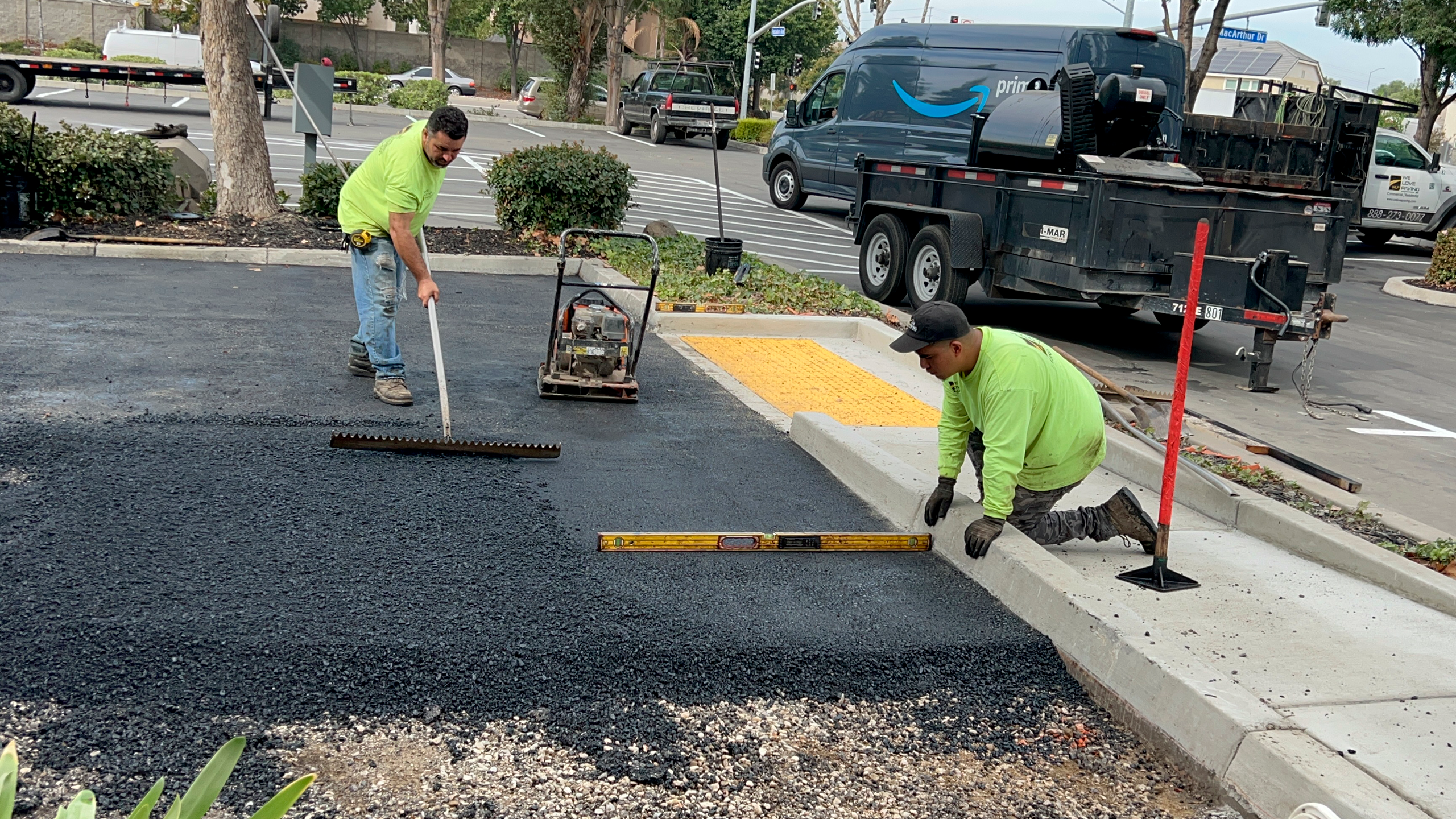
Proper Installation: Ensuring proper installation practices, such as adequate base preparation, appropriate thickness, and correct compaction, is vital for the pavement’s longevity.
Temperature Control: Asphalt must be laid and compacted at the right temperature to prevent premature aging and cracking.
Maintenance and Repair Practices
Routine Maintenance: Regular maintenance, such as sealcoating, crack sealing, and patching, can significantly extend the life of asphalt paving by protecting it from the elements and reducing further damage.
Timely Repairs: Promptly addressing minor issues, such as cracks and potholes, prevents them from developing into more extensive and costly problems.
Asphalt Paving in Sacramento
Sacramento’s unique climate and urban environment present specific challenges and considerations for asphalt paving.
Climate Impact
The hot summer temperatures can cause asphalt to soften and become more susceptible to damage from heavy traffic. Conversely, cooler winter temperatures can lead to contraction and cracking. Sacramento’s relatively low humidity levels help mitigate some moisture-related issues but do not eliminate them entirely.
Traffic Patterns
Sacramento’s traffic patterns vary, with downtown areas experiencing heavy congestion and residential neighborhoods seeing lighter traffic. Major highways and arterials, such as Highway 99 and Interstate 80, handle substantial volumes of heavy vehicles, demanding more robust and durable asphalt solutions.
Local Regulations and Standards
Sacramento follows specific regulations and standards for asphalt paving to ensure quality and longevity. These include guidelines on material specifications, construction methods, and maintenance practices. Adherence to these standards is crucial for achieving optimal pavement performance.
Materials and Methods
The materials used for asphalt paving in Sacramento are typically chosen to withstand local climate conditions and traffic demands. This includes high-quality asphalt mixes with additives to enhance durability and resistance to temperature fluctuations.
Case Studies
Examining real-world examples can provide valuable insights into the factors affecting asphalt longevity in Sacramento.
Long-Lasting Pavements
Example 1: A well-maintained residential street in East Sacramento, paved with a high-quality asphalt mix and subjected to routine maintenance, has shown minimal signs of wear after 20 years of service.
Example 2: A section of Highway 50 that underwent extensive rehabilitation and resurfacing with improved materials and techniques has demonstrated excellent durability, withstanding heavy traffic for over 15 years without significant deterioration.
Premature Failures
Example 1: A commercial parking lot in Midtown Sacramento experienced premature cracking and potholing within 5 years due to poor installation practices and substandard materials. Lack of routine maintenance exacerbated the issues.
Example 2: A stretch of Interstate 5 suffered from early wear and tear due to heavy truck traffic and inadequate base support, leading to frequent repairs and resurfacing efforts.
Maintenance and Best Practices
Implementing effective maintenance and best practices is key to maximizing the life expectancy of asphalt paving in Sacramento.
Recommended Maintenance Schedules
Sealcoating: Applying a sealcoat every 3-5 years can protect the asphalt from UV rays, water infiltration, and oxidation.
Crack Sealing: Sealing cracks as soon as they appear prevents water from penetrating the pavement and causing further damage.
Patching and Pothole Repairs: Timely patching of potholes and damaged areas prevents them from expanding and compromising the entire pavement structure.
Effective Repair Techniques
Overlaying: Applying a new layer of asphalt over the existing pavement can extend its life by providing a fresh, smooth surface.
Full-Depth Reclamation: In cases of severe damage, full-depth reclamation involves pulverizing the existing pavement and base materials, mixing them with new asphalt, and compacting to create a durable new surface.
Innovations in Asphalt Technology
Polymer-Modified Asphalt: Adding polymers to the asphalt mix enhances flexibility and resistance to cracking, especially beneficial in Sacramento’s fluctuating temperatures.
Warm Mix Asphalt: Using warm mix asphalt technology reduces the production and placement temperatures, leading to lower emissions and improved workability.
Cost Implications
Understanding the cost implications of asphalt paving is crucial for effective budgeting and decision-making.
Initial Installation vs. Long-Term Maintenance
Initial Costs: High-quality materials and proper installation practices may increase initial costs but result in a more durable pavement with lower long-term maintenance expenses.
Maintenance Savings: Regular maintenance, while incurring ongoing costs, significantly extends pavement life and reduces the frequency and severity of repairs, ultimately saving money in the long run.
Economic Impact
City Budgets: Investing in durable asphalt solutions and proactive maintenance can help municipalities like Sacramento manage their infrastructure budgets more efficiently and reduce the financial burden on taxpayers.
Property Values: Well-maintained streets and pavements contribute to higher property values and improved quality of life for residents.
Conclusion
The life expectancy of asphalt paving in Sacramento, California, is influenced by a combination of climate, traffic, materials, construction practices, and maintenance efforts. By understanding these factors and implementing best practices, the city can maximize the lifespan of its asphalt pavements, ensuring safe and durable roadways for its residents. Investing in quality materials, proper installation, and routine maintenance not only enhances pavement longevity but also delivers long-term economic benefits for the community.