What is the Difference Between Road Asphalt and Driveway Asphalt?

If your driveway is looking cracked, faded, or worn out, you’re likely looking for the most efficient way to restore it. One of the most common questions property owners ask is: Can you put new asphalt over an old asphalt driveway?

The short answer is yes, but it depends heavily on the condition of the existing surface. This process, known as an asphalt overlay, can save you time and money, provided the foundation is solid. To make the best choice for your property, it’s also essential to understand the materials you are working with—including the often-confused difference between cement and concrete.

Is Your Driveway a Candidate for an Asphalt Overlay?

An asphalt overlay involves applying a new layer of hot-mix asphalt (typically 1.5 to 2 inches thick) over your existing driveway. However, this is only a viable solution if:

  1. The Subbase is Stable: If the ground underneath is shifting or sinking, a new layer of asphalt will simply crack in the same spots.
  2. No Major Drainage Issues: An overlay can slightly change the height of your driveway, so water runoff must be managed.
  3. Limited Structural Damage: While an overlay covers surface cracks, it cannot fix “alligator cracking” or deep potholes that reach the foundation.

Understanding Your Materials: Cement vs. Concrete

When discussing resurfacing, many people use the terms “cement” and “concrete” interchangeably, but they are fundamentally different. Knowing the difference helps you understand why asphalt is often a more flexible choice for overlays.

  • What is Cement? Cement is actually an ingredient, not a finished surface. It is a fine powder made of limestone and other minerals that acts as the “glue” or binder.
  • What is Concrete? Concrete is the finished product. It is a mixture of aggregates (sand, gravel, or crushed stone), water, and cement.

Think of it like baking: Cement is the flour, and concrete is the loaf of bread. In the paving world, asphalt acts similarly to concrete, but it uses bitumen (a tar-like petroleum product) as the binder instead of cement.

Why Asphalt Overlay vs. Concrete?

While a concrete surface is extremely durable, it is much harder to “overlay” than asphalt. Concrete is rigid and prone to cracking if the base moves. Asphalt, being more flexible, is better suited for the temperature swings and soil shifts common in California, making it the ideal candidate for a resurfacing project.

The Asphalt Over Asphalt Process

If our experts determine your driveway is suitable for an overlay, the process typically follows these steps:

  • Cleaning and Prep: Removing all debris and weeds from the old surface.
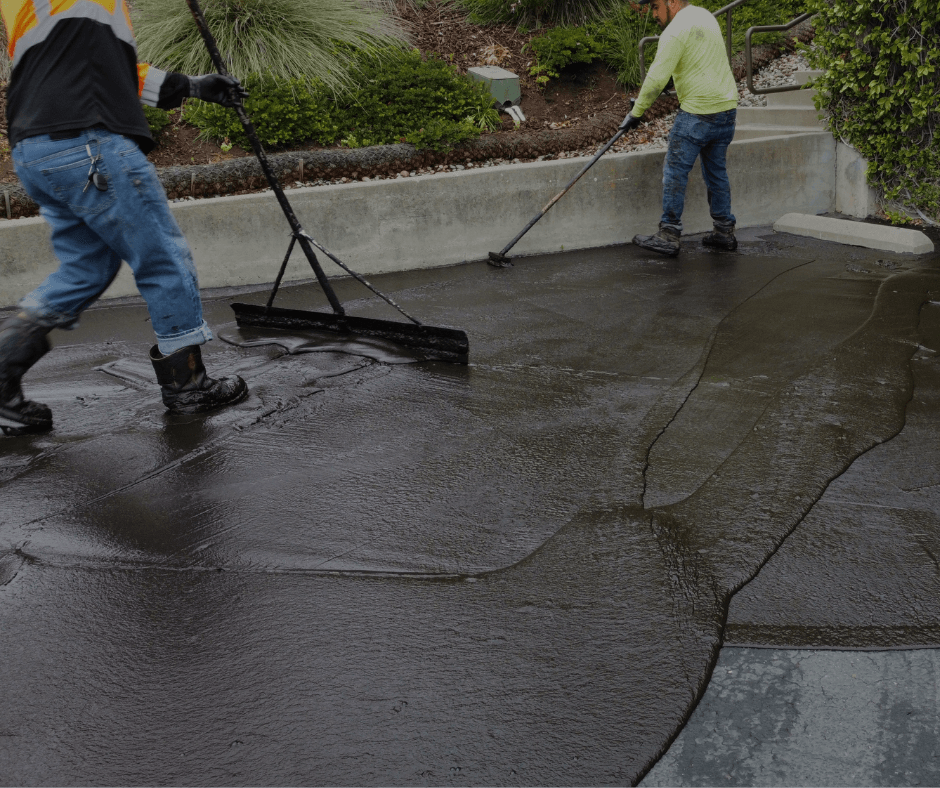
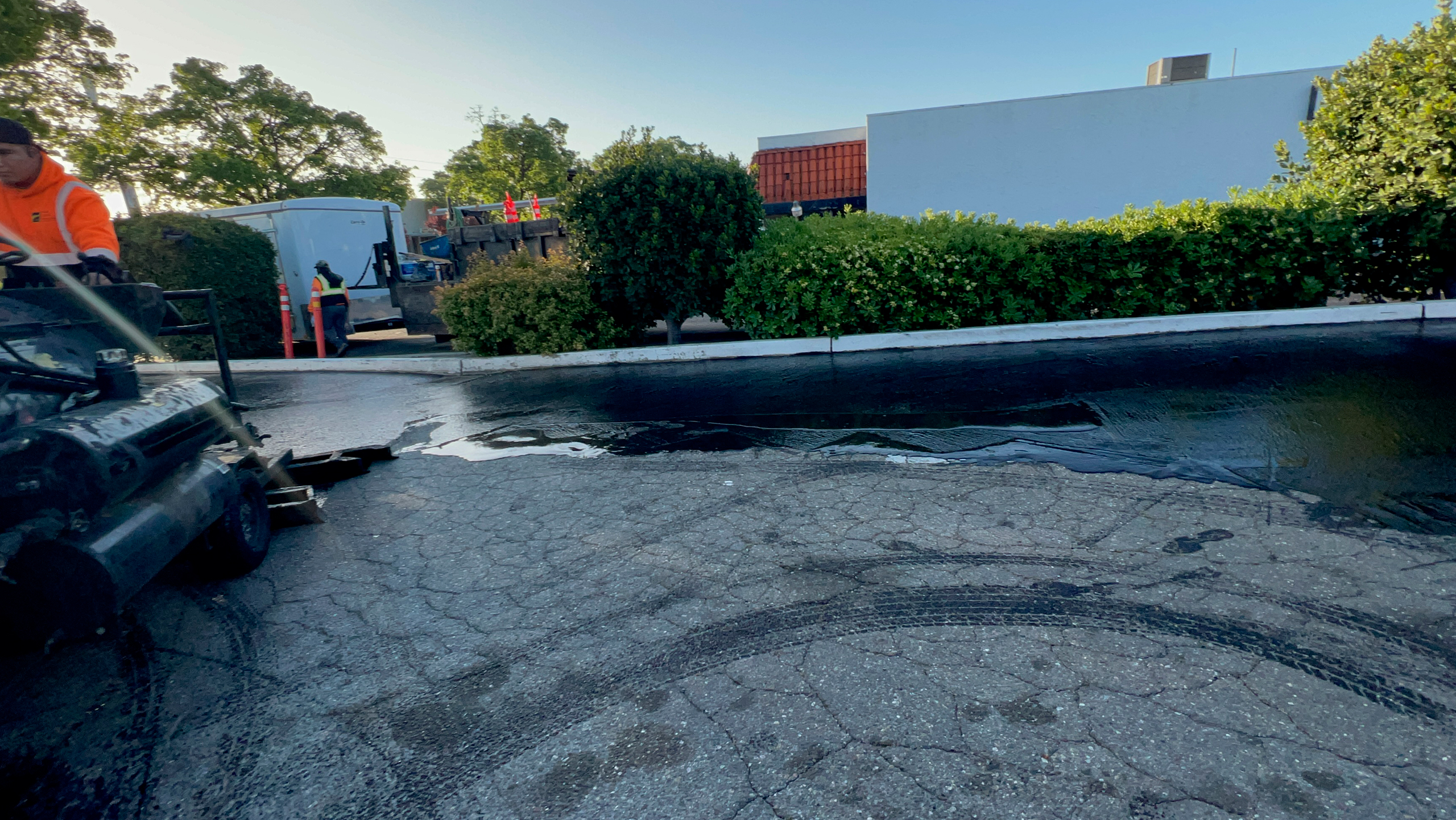
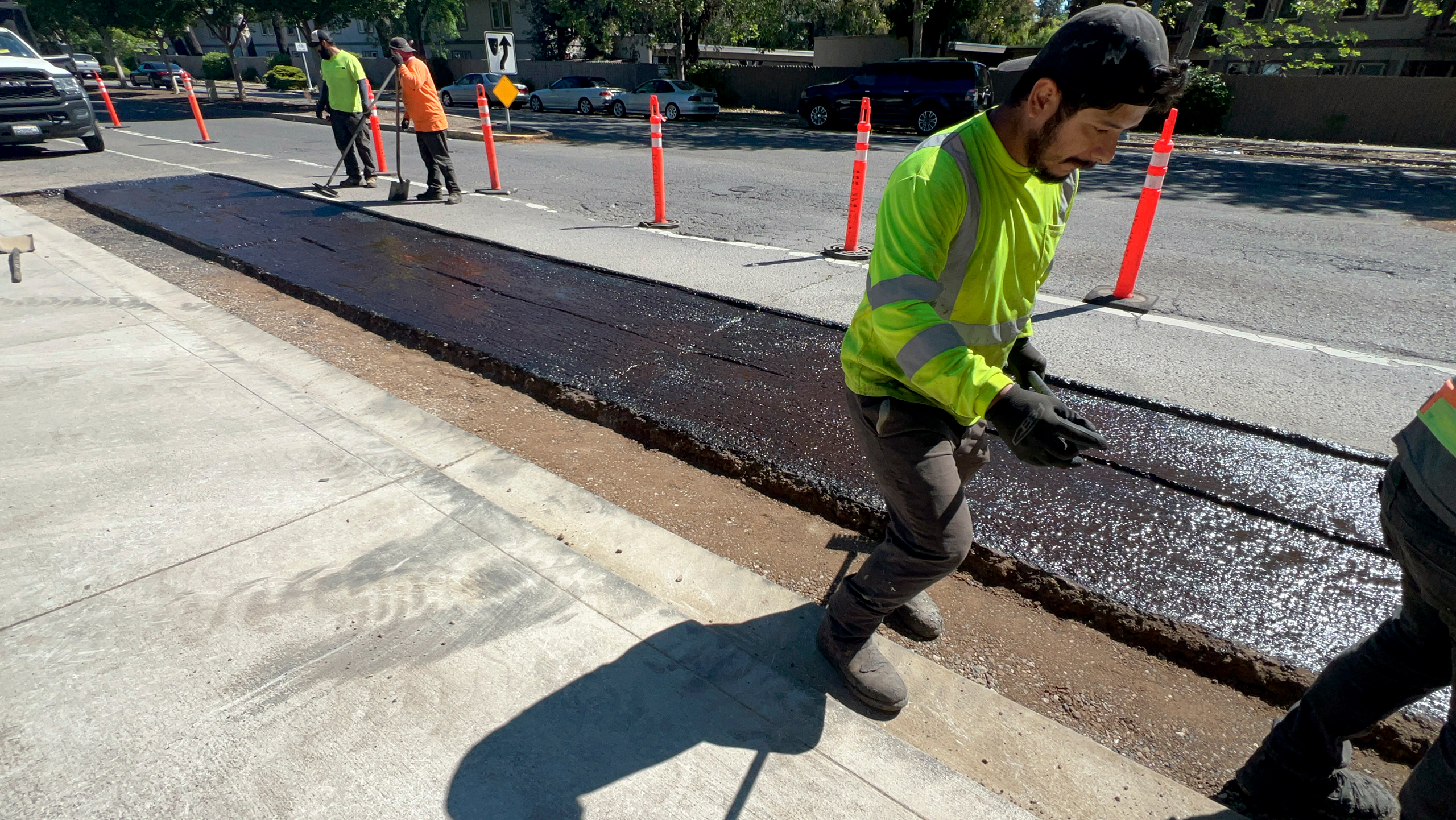
  • Tack Coating: Applying a liquid asphalt binder that acts as “glue” to ensure the new layer bonds perfectly to the old one.
  • Leveling: Filling in low spots or minor depressions to create a smooth base.
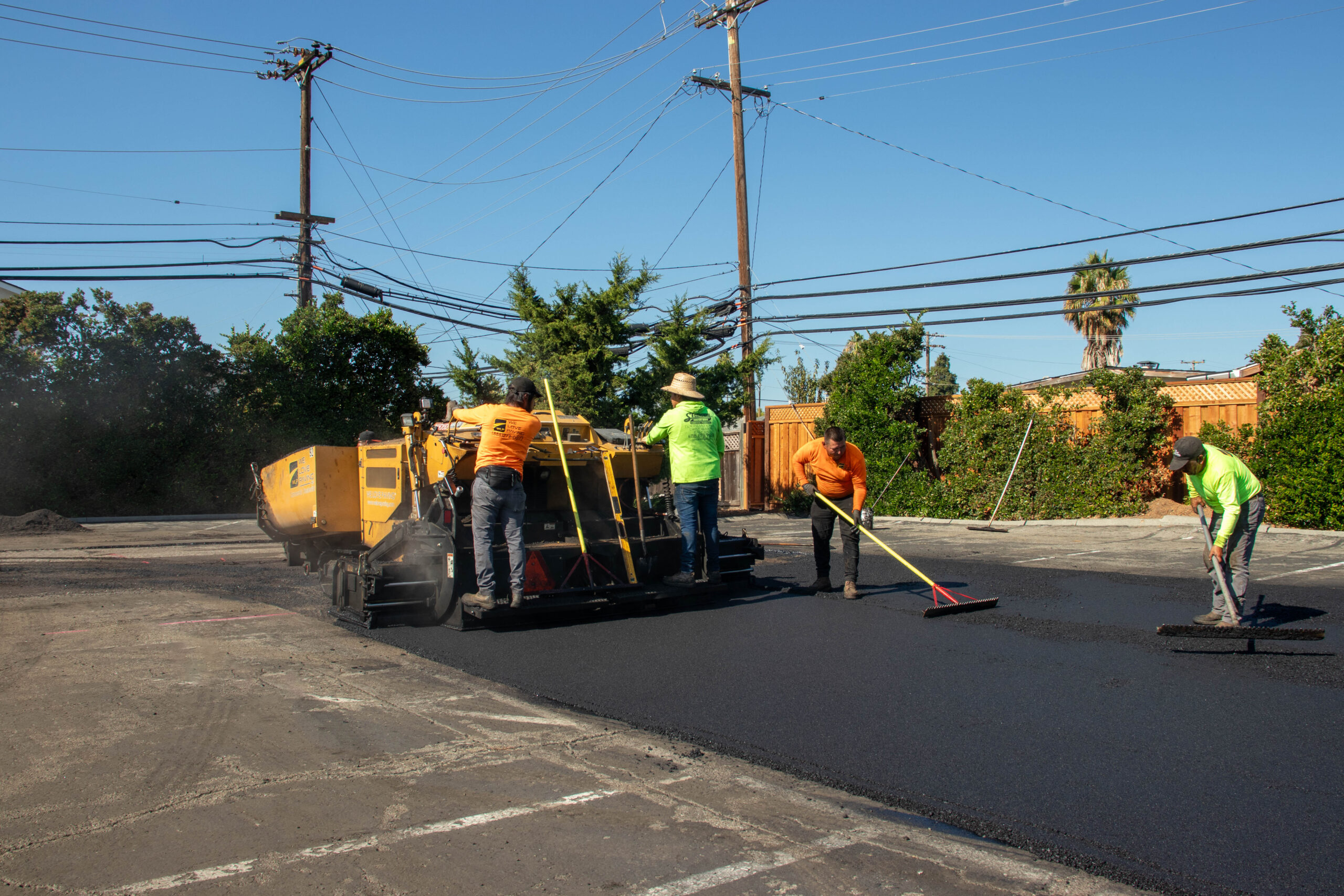
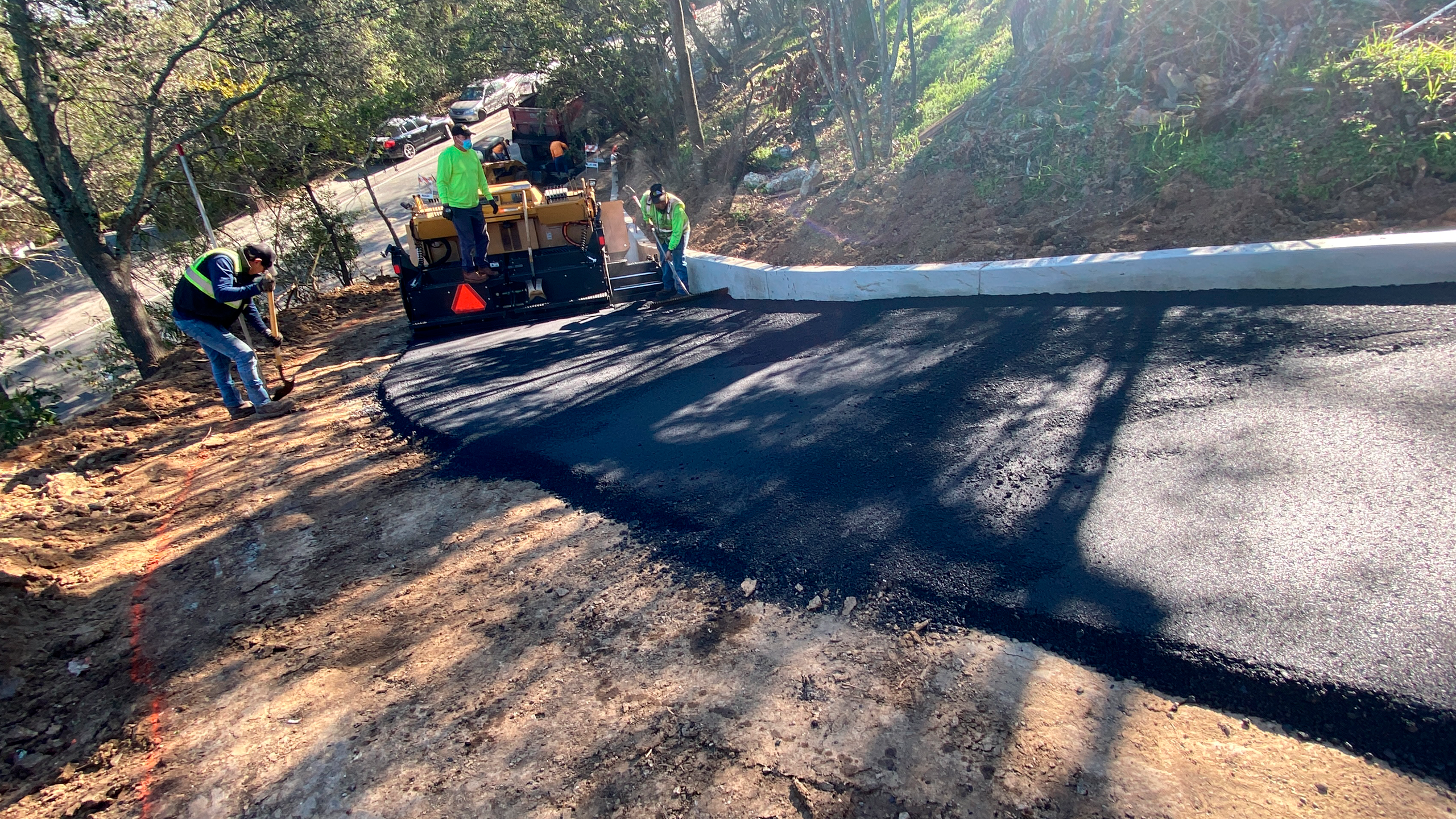
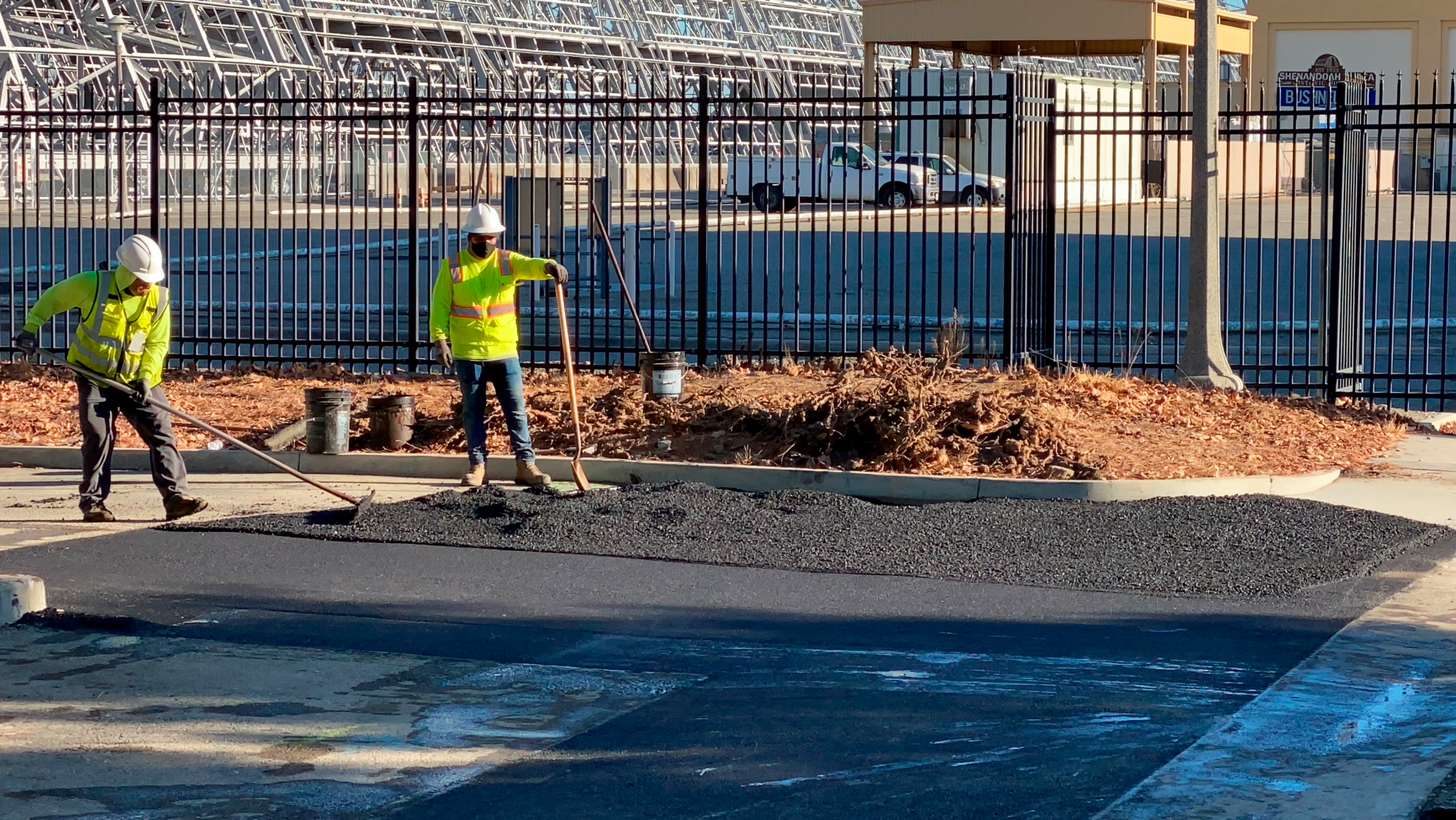
  • The Overlay: Spreading and compacting the new hot-mix asphalt.

When an Overlay Isn’t Enough

If your old asphalt is severely crumbled or the cement-based subbase has failed, a simple overlay will only be a temporary band-aid. In these cases, a full “rip-and-replace” is necessary to ensure your new driveway lasts for the next 20 years.

Conclusion

Asphalting over an old driveway is a smart, cost-effective way to boost curb appeal and functionality. By understanding the difference between your material options—from the binding properties of cement to the durability of finished concrete and asphalt—you can make an informed decision that protects your investment.

Share

WHO IS FRED?

Fred, Regional Operations Manager, comes from a family of immigrant roots and a story built on sacrifice, discipline, and hard work. Growing up, Fred watched his parents work long hours and weekends to create a better future teaching him the values of perseverance, determination, and doing things the right way every single time.
We Love Paving began with Fred’s father, who started doing what he knew best: paving. Over the years, he built experience alongside respected professionals in the industry, refining his methods and developing a reputation for quality work that speaks for itself. As his clientele grew, so did the vision one built not only on skill, but on integrity and pride in every job.

Posts that might interest you

Understanding the Concrete Business: A Comprehensive Overview

Understanding the Concrete Business: A Comprehensive Overview

June 18, 2024

The term “concrete business” encompasses a wide range of activities within the construction industry. From the production and delivery of ready-mixed concrete to the construction of roads, buildings, and other infrastructure projects, businesses involved in concrete play a crucial role in shaping the built environment. This article delves into the definition of a concrete business,

How Much Does it Cost to Pave One Mile of Road in California?

How Much Does it Cost to Pave One Mile of Road in California?

June 17, 2024

Paving a mile of road in California is a complex process influenced by various factors, including materials, labor, equipment, environmental regulations, and the geographical characteristics of the area. Understanding the costs involved requires breaking down these factors and examining them in detail. This blog delves into the intricacies of road paving in California, providing a

How to Save Money on Paving Your Driveway in Sacramento, California.

How to Save Money on Paving Your Driveway in Sacramento, California.

June 14, 2024

Paving a driveway can be a significant investment, but with careful planning and smart choices, you can save money while ensuring a quality result. Sacramento, with its unique climate and soil conditions, requires specific considerations. Here’s a comprehensive guide on how to save money on paving your driveway in Sacramento. Plan and Budget Wisely Before

Seal Coat vs. Slurry Seal: Understanding the Differences and Benefits

Seal Coat vs. Slurry Seal: Understanding the Differences and Benefits

June 13, 2024

When it comes to maintaining and prolonging the life of asphalt pavements, two common treatments often come into play: seal coat and slurry seal. Both methods serve the purpose of protecting and enhancing asphalt surfaces, but they have distinct differences in composition, application, and suitability for various conditions. In this article, we’ll delve deep into

Do You Put Sand or Gravel Under Asphalt Paving? A Guide for Sacramento, California

Do You Put Sand or Gravel Under Asphalt Paving? A Guide for Sacramento, California

June 11, 2024

When it comes to installing asphalt paving in Sacramento, California, one of the most common questions homeowners and builders have is whether to use sand or gravel as a base. Both materials play crucial roles in ensuring a durable, stable, and aesthetically pleasing paved surface. This article explores the importance of using sand and gravel

What is Concreting in Construction? A Focus on Sacramento, California

What is Concreting in Construction? A Focus on Sacramento, California

June 11, 2024

Concreting is a fundamental process in construction, playing a crucial role in creating durable and robust structures. From residential homes to commercial buildings and infrastructure projects, concrete is a versatile and widely used material. In Sacramento, California, concreting is essential for the city’s ongoing growth and development. This article delves into the specifics of concreting

Why Choose Asphalt for Road Construction in San Mateo, California?

Why Choose Asphalt for Road Construction in San Mateo, California?

June 10, 2024

In the picturesque city of San Mateo, California, maintaining and developing infrastructure is vital to support a growing community and enhance the quality of life. When it comes to road construction, asphalt emerges as the material of choice, offering a blend of practicality, sustainability, and performance. This article explores why asphalt is favored in San

The Essential Guide to Road Base Depth in San Mateo, California

The Essential Guide to Road Base Depth in San Mateo, California

June 7, 2024

When it comes to constructing roads, one of the critical factors that influence durability and performance is the depth of the road base. This is particularly important in regions like San Mateo, California, where specific geological and environmental conditions can impact road stability. This article investigates the ideal road base depth for San Mateo, incorporating

An Investigation into Why Paving Slabs Are So Expensive

An Investigation into Why Paving Slabs Are So Expensive

June 6, 2024

Paving slabs, commonly used in patios, walkways, and driveways, are a popular choice for outdoor paving due to their durability and aesthetic appeal. However, one frequently raised concern is their high cost. This investigation explores the factors contributing to the expense of paving slabs, covering material selection, manufacturing processes, transportation, labor, and market dynamics. Understanding

An Investigation into the Two Main Types of Paving: Concrete and Asphalt

An Investigation into the Two Main Types of Paving: Concrete and Asphalt

June 6, 2024

Paving is a crucial aspect of urban development and infrastructure. The choice of paving material significantly impacts the durability, cost, maintenance, and overall aesthetic of roads, driveways, and other paved surfaces. This investigation delves into the two main types of paving: concrete and asphalt. By examining their composition, installation processes, advantages, disadvantages, and applications, we

Previous Next