The Americans with Disabilities Act (ADA) is a federal civil rights law enacted in 1990 to prevent discrimination against individuals with disabilities. ADA compliance ensures that public spaces and facilities are accessible to everyone, regardless of their physical abilities. In Sacramento, California, ADA compliance is essential for both public and private entities, including businesses, educational institutions, and government buildings. This article will explore what ADA compliance entails in Sacramento, its importance, and the requirements for achieving and maintaining compliance.
Importance of ADA Compliance
ADA compliance is crucial for several reasons:
Legal Requirements
Federal Law: The ADA is a federal law, and non-compliance can result in legal penalties, fines, and lawsuits. Ensuring ADA compliance protects organizations from legal repercussions.
California Building Code: In addition to the ADA, California has its own building code (Title 24) that includes specific accessibility requirements. Compliance with both sets of regulations is mandatory.
Inclusivity and Accessibility
Equal Access: ADA compliance ensures that individuals with disabilities have equal access to public spaces, services, and employment opportunities. This promotes inclusivity and social equity.
Improved Customer Experience: Accessible facilities enhance the customer experience for everyone, including individuals with disabilities, elderly individuals, and families with young children.
Enhanced Reputation
Community Image: Businesses and organizations that prioritize accessibility demonstrate their commitment to serving all members of the community. This can enhance their reputation and foster goodwill among customers and stakeholders.
Key Areas of ADA Compliance
ADA compliance covers a wide range of areas, each with specific requirements to ensure accessibility. Here are some key areas to focus on:
Building Access and Entrances
Ramps and Slopes: Entrances must have ramps or sloped surfaces to accommodate individuals using wheelchairs or mobility devices. The slope must meet specific gradient requirements for ease of use.
Doorways: Doorways must be wide enough (at least 32 inches) to allow wheelchair access. Automatic doors or accessible door hardware are also recommended.
Parking Facilities
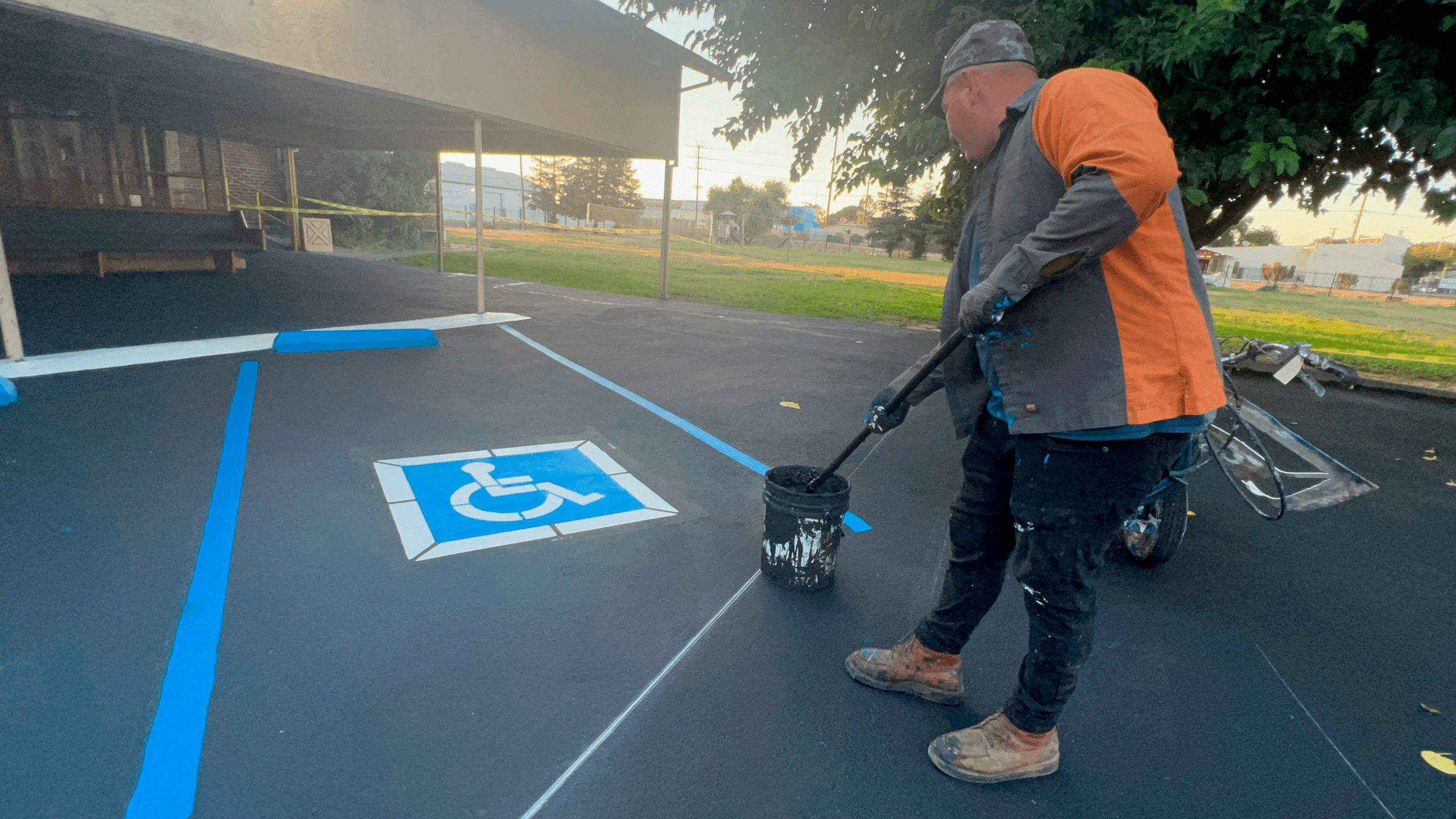
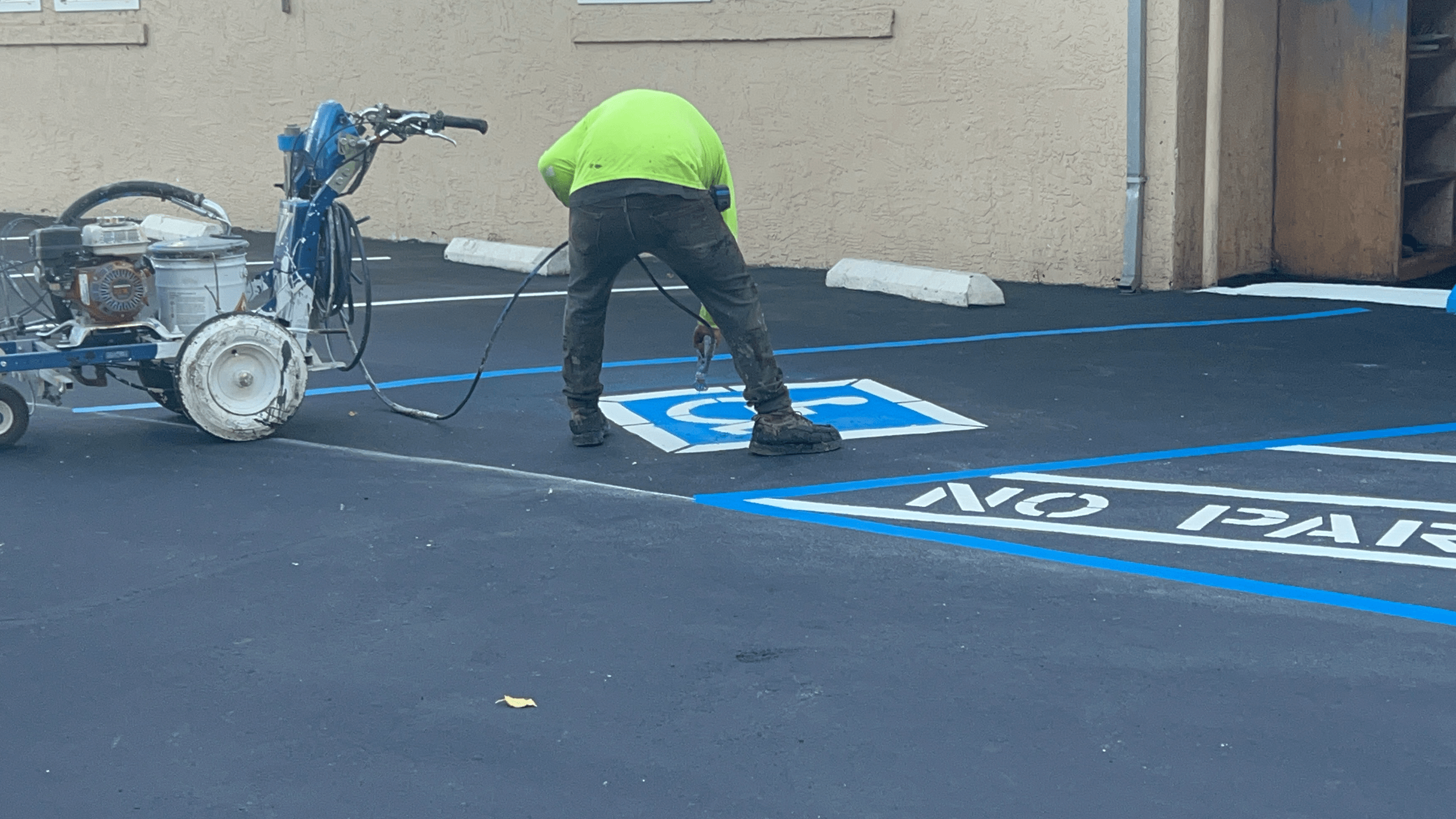
Accessible Parking Spaces: Parking lots must include a designated number of accessible parking spaces, with proper signage and access aisles. These spaces should be located close to the building entrance.
Van-Accessible Spaces: A portion of accessible parking spaces must be van-accessible, with wider access aisles to accommodate wheelchair lifts.
Interior Accessibility
Pathways and Hallways: Interior pathways must be wide enough for wheelchair navigation (at least 36 inches) and free of obstructions. Turning spaces should be provided where necessary.
Elevators: Multi-story buildings must have accessible elevators with features such as tactile buttons, audible signals, and enough space for wheelchairs.
Restrooms
Accessible Stalls: Restrooms must include at least one accessible stall with grab bars, adequate space for wheelchair maneuvering, and appropriate height for fixtures like sinks and toilets.
Signage and Controls: Clear signage indicating accessible restrooms and easy-to-operate controls for faucets and dispensers are required.
Public Spaces and Amenities
Seating Areas: Public seating areas, such as in waiting rooms and auditoriums, must have designated wheelchair spaces with companion seating.
Service Counters: Service counters should have a lowered section (no higher than 36 inches) to accommodate individuals in wheelchairs.
Communication Accessibility
Signage: All signage should include Braille and raised characters for individuals with visual impairments. Directional signs should be clear and easy to read.
Assistive Listening Systems: Facilities with public speaking areas, such as theaters and lecture halls, should provide assistive listening systems for individuals with hearing impairments.
Steps to Achieve ADA Compliance
Achieving ADA compliance involves a series of steps to ensure that facilities and services meet accessibility standards. Here’s a guide to help you get started:
Conduct an Accessibility Audit
Professional Assessment: Hire a professional to conduct a thorough accessibility audit of your facility. This assessment will identify areas that need improvement and provide a detailed report on compliance issues.
Self-Evaluation: Smaller businesses can start with a self-evaluation checklist provided by the ADA. This can help identify obvious barriers and prioritize areas for improvement.
Develop an Action Plan
Prioritize Changes: Based on the audit results, prioritize changes that will have the most significant impact on accessibility. Address critical issues first, such as entrance accessibility and restroom modifications.
Set Timelines: Create a timeline for implementing changes, considering budget constraints and the complexity of the modifications. Ensure that you are making steady progress toward full compliance.
Implement Modifications
Hire Qualified Contractors: Work with contractors experienced in ADA compliance to carry out necessary modifications. Ensure that they follow the guidelines and standards set forth by the ADA and California Building Code.
Monitor Progress: Regularly monitor the progress of modifications to ensure they are being completed correctly and on schedule.
Train Staff and Raise Awareness
Staff Training: Train your staff on ADA requirements and the importance of accessibility. Ensure they understand how to assist individuals with disabilities and use accessible features correctly.
Public Awareness: Raise awareness about accessibility improvements through your website, social media, and on-site signage. This demonstrates your commitment to inclusivity and informs customers about the changes.
Maintain Compliance
Regular Inspections: Conduct regular inspections to ensure that accessibility features remain in good condition and meet current standards. Address any issues promptly to maintain compliance.
Stay Informed: Keep up to date with changes in ADA regulations and California Building Code. Adjust your facilities and policies as needed to comply with new requirements.
Conclusion
ADA compliance in Sacramento, California, is essential for creating inclusive, accessible environments that serve all members of the community. By understanding the key areas of ADA compliance, conducting thorough assessments, and implementing necessary modifications, businesses and organizations can ensure they meet legal requirements and provide equal access to individuals with disabilities. Prioritizing accessibility not only enhances the customer experience but also demonstrates a commitment to social equity and community engagement. By staying informed and proactive, you can maintain ADA compliance and contribute to a more inclusive Sacramento.