Unveiling the Mysteries of Sealcoating: A Comprehensive Guide to Its Process and Benefits

Sealcoating, often hailed as the guardian angel of asphalt surfaces, plays a crucial role in preserving and enhancing their longevity. From parking lots to driveways, sealcoating serves as a protective shield against the elements, preventing deterioration and maintaining aesthetic appeal. In this comprehensive guide, we embark on a grand investigation into the world of sealcoating, exploring its process, benefits, and everything in between.

Understanding Sealcoating

To unravel the essence of sealcoating, we delve into its fundamental definition and purpose. Sealcoating refers to the application of a protective layer onto asphalt surfaces, typically composed of bitumen, coal tar, or asphalt emulsion. This coating serves as a barrier against UV rays, water penetration, oil spills, and other damaging agents, thereby extending the lifespan of the pavement.

The Science Behind Sealcoating

Behind the seemingly simple act of applying a black coating lies a sophisticated blend of science and engineering. We explore the chemistry of sealcoating materials, understanding how they interact with asphalt to form a durable bond. Factors such as viscosity, solids content, and aggregate size significantly influence the performance and longevity of the sealcoat.

The Sealcoating Process Unveiled

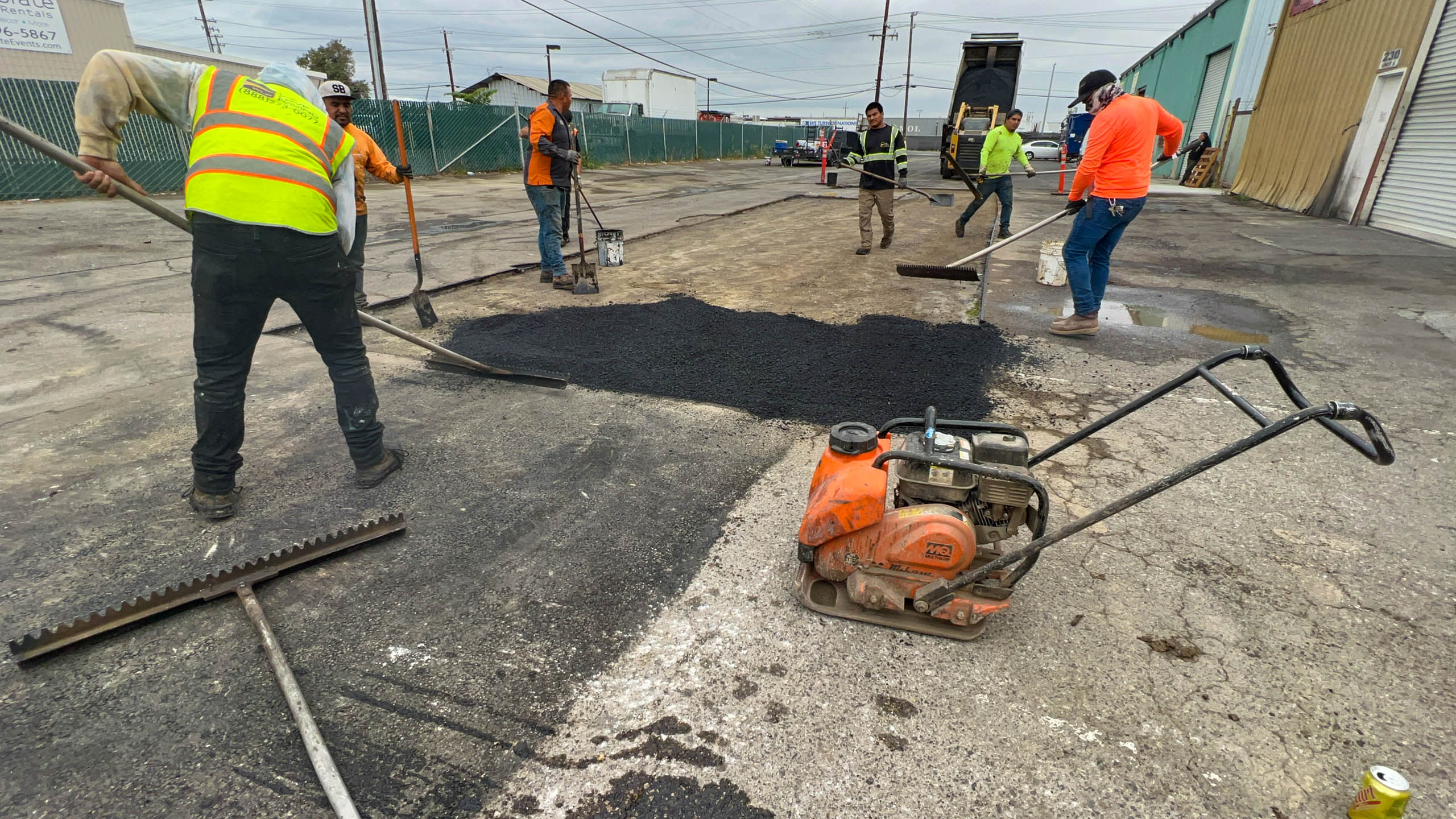
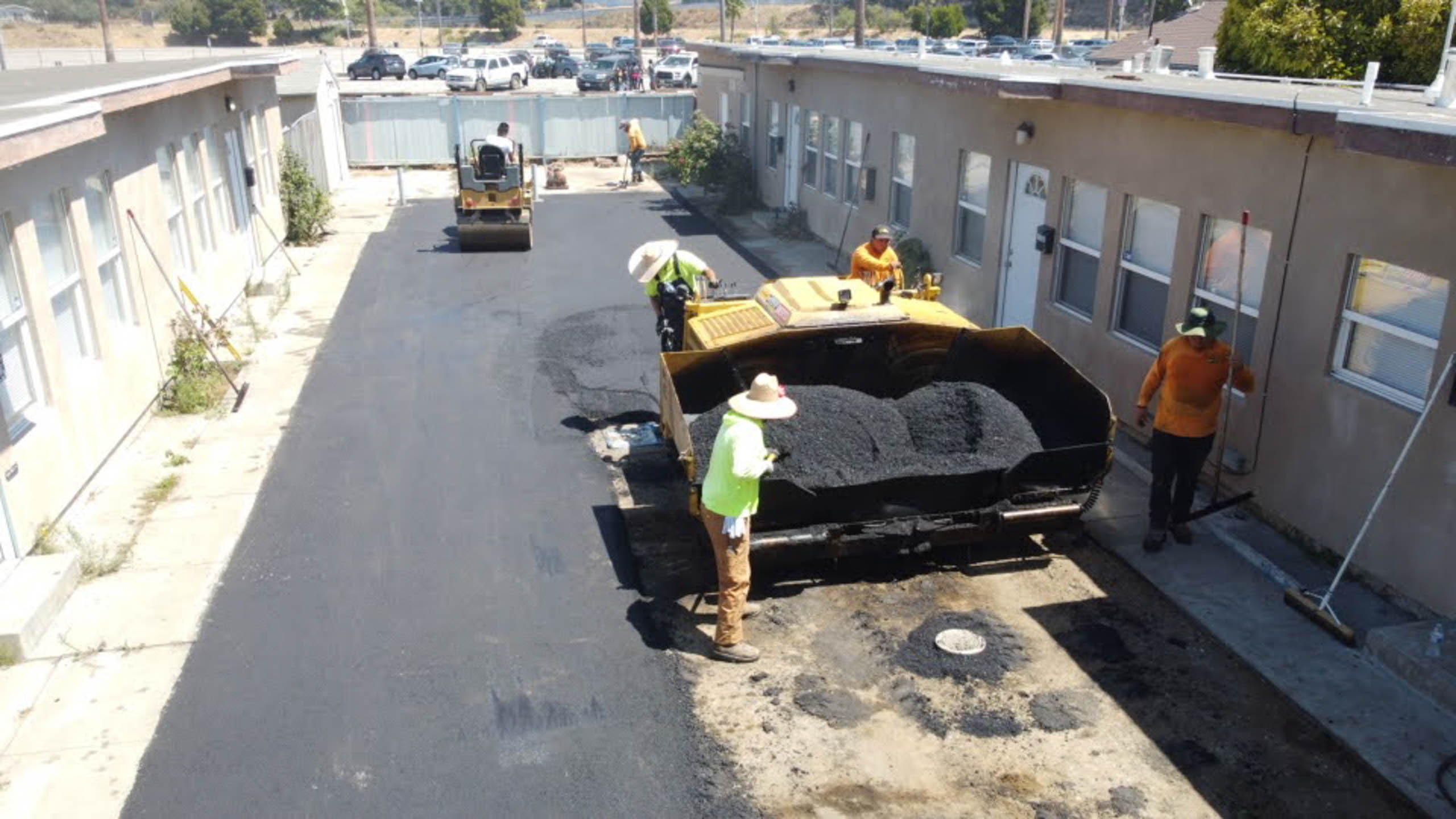
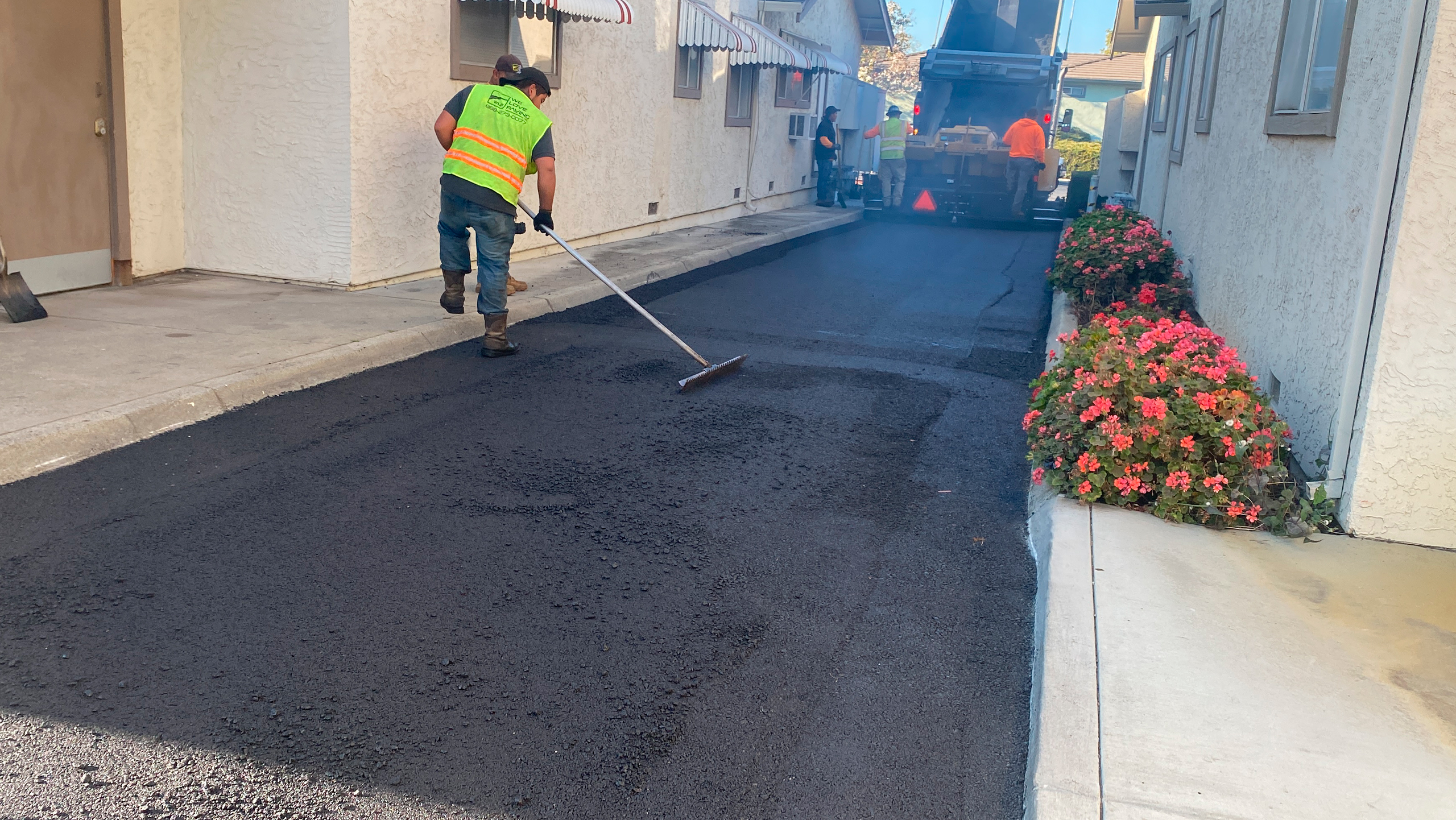
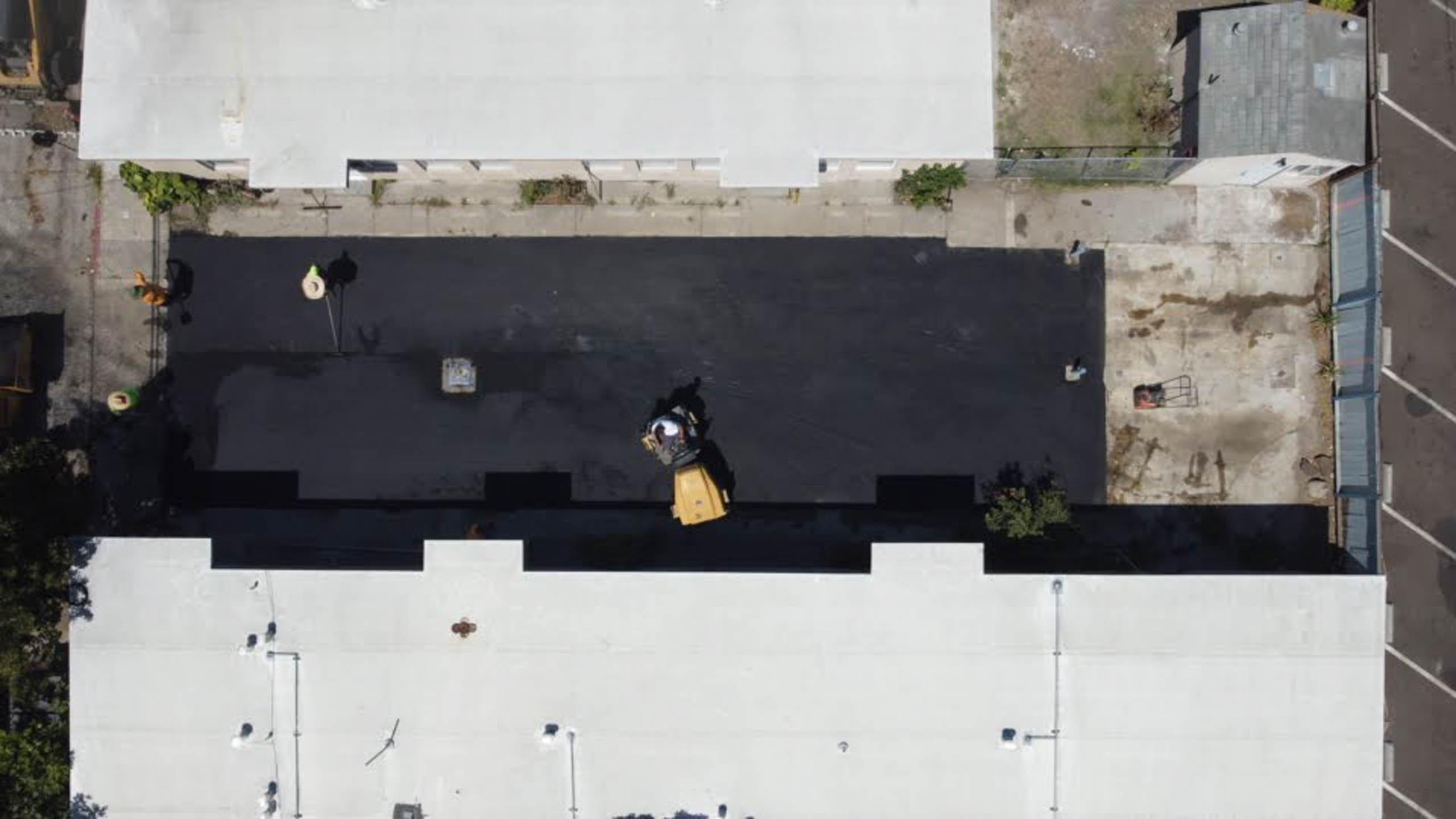
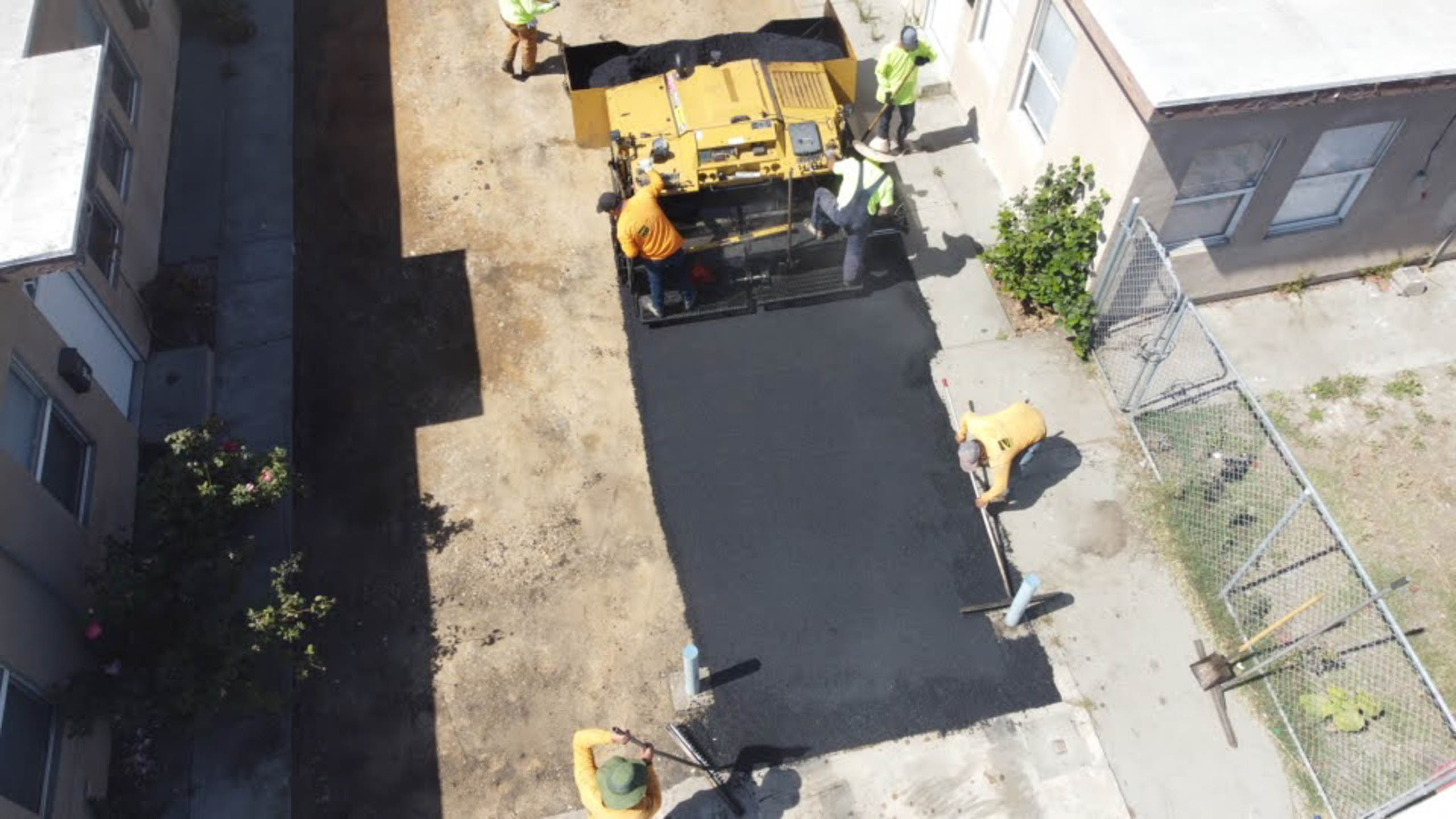
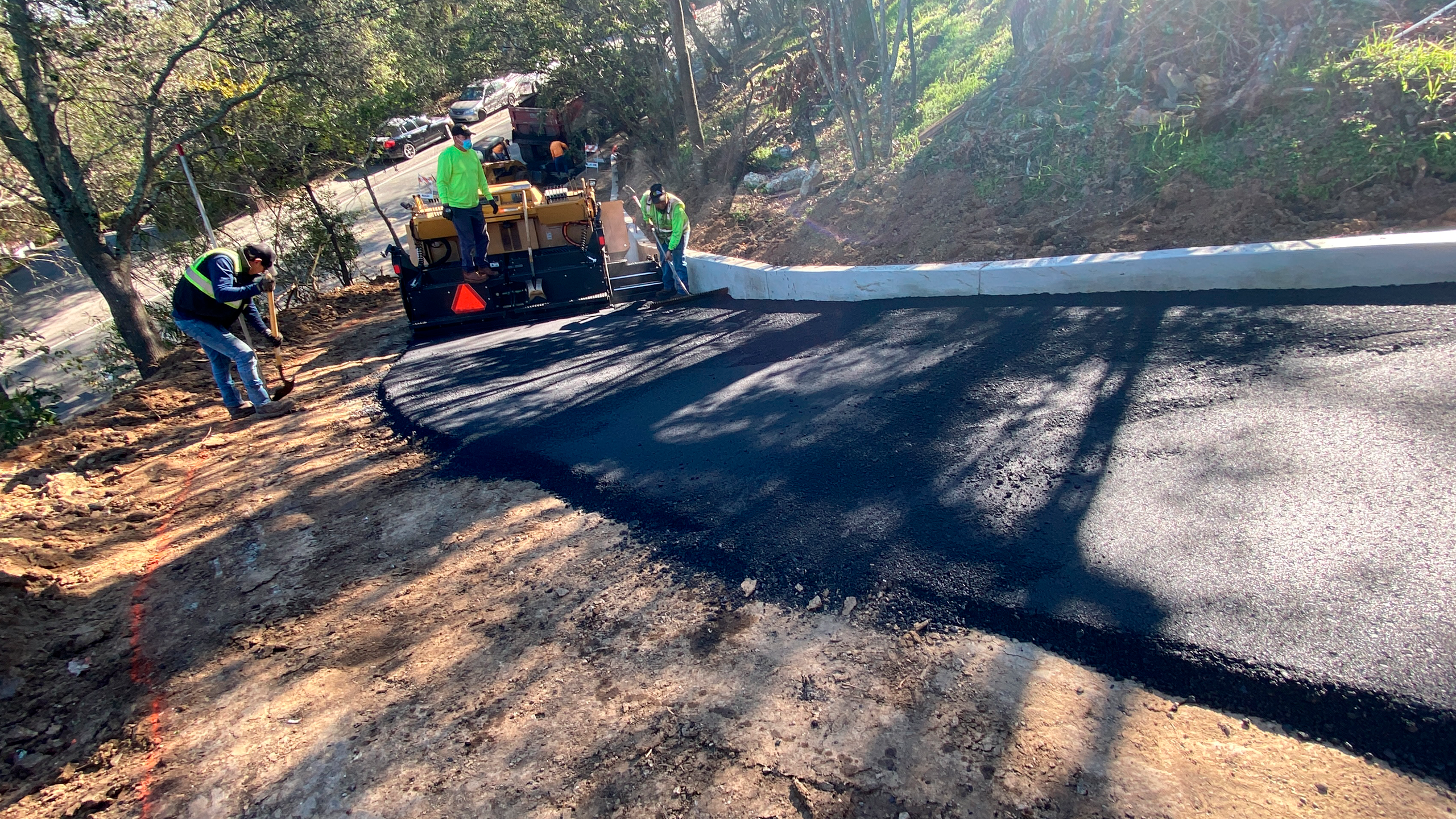
Embarking on a journey through the sealcoating process, we uncover the intricate steps involved in rejuvenating asphalt surfaces. From surface preparation to the application of the sealcoat itself, each phase demands precision and expertise. We explore the various techniques employed by professionals, including spraying, brushing, and squeegee application, highlighting their pros and cons.

Factors Affecting Sealcoating Performance

While sealcoating holds immense potential for protecting asphalt surfaces, its efficacy can be influenced by several factors. Environmental conditions, such as temperature and humidity, play a pivotal role in determining the drying time and adhesion of the sealcoat. Furthermore, proper surface preparation, including cleaning and crack sealing, is essential to ensure optimal performance and longevity.

Benefits Beyond Protection

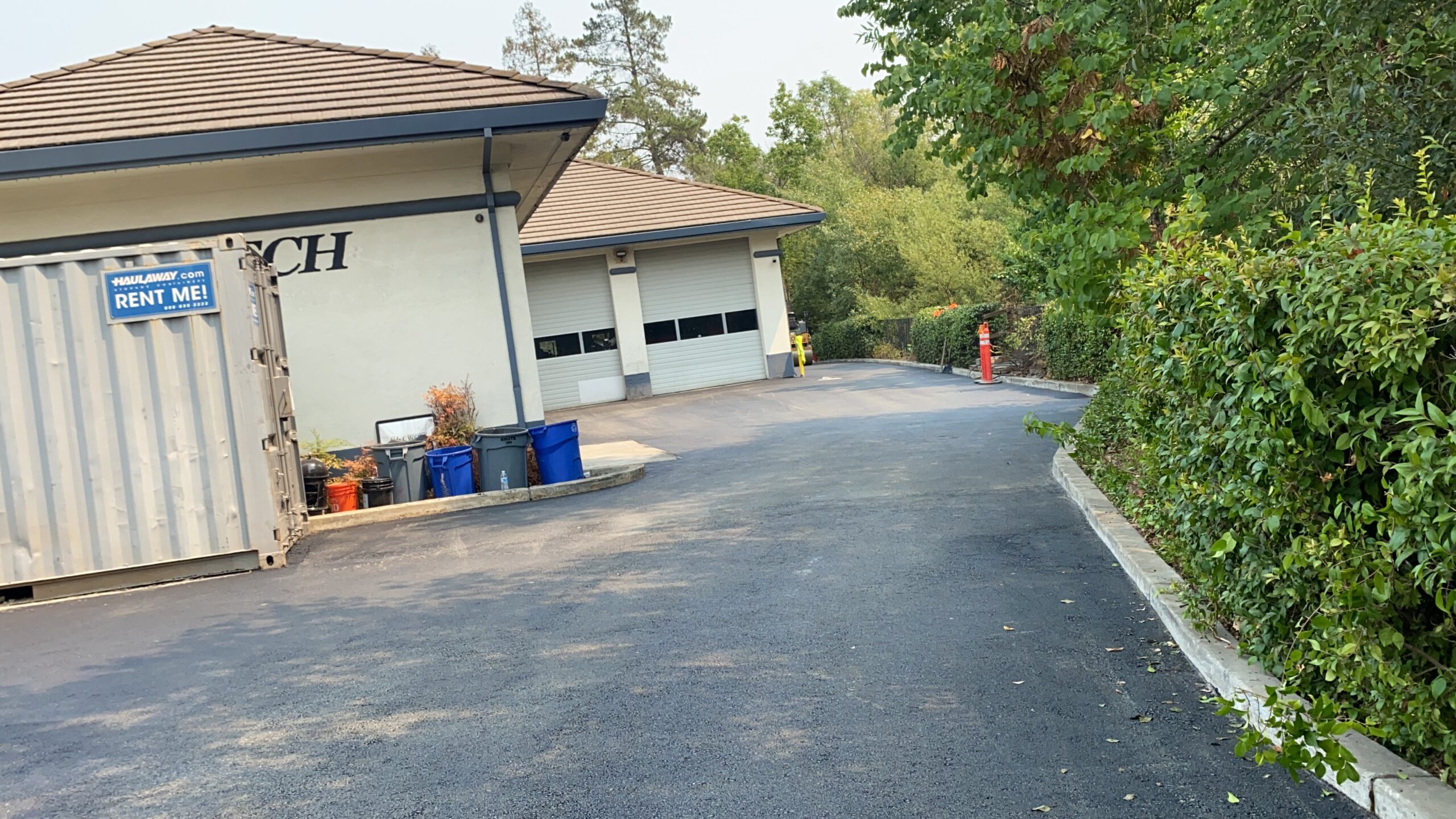
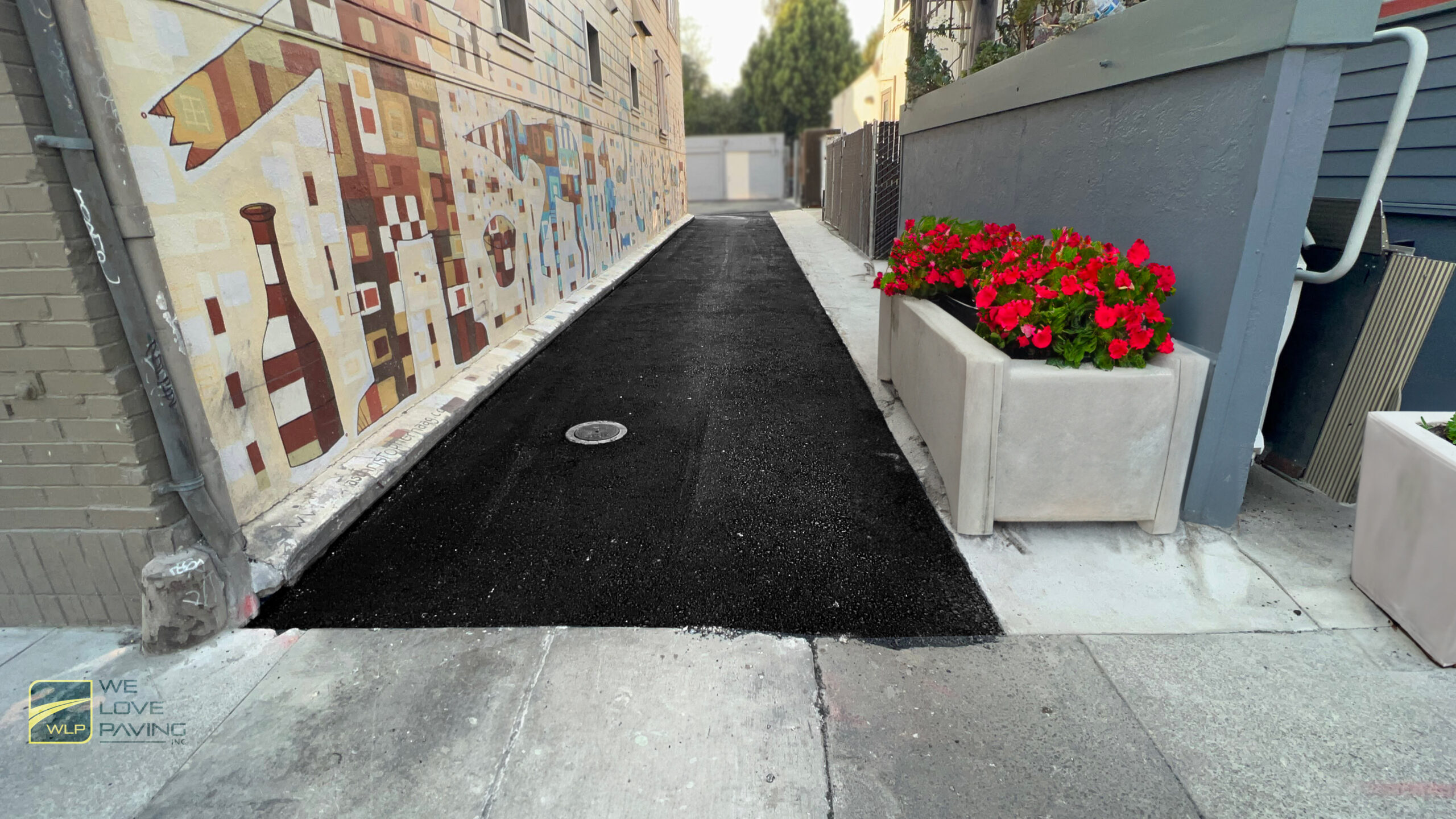
Beyond its primary role as a protective barrier, sealcoating offers a myriad of additional benefits. We explore how sealcoating enhances the aesthetic appeal of asphalt surfaces, restoring their rich black color and smooth texture. Moreover, by filling surface voids and minor cracks, sealcoating improves traction and reduces the risk of slip and fall accidents, enhancing safety for pedestrians and vehicles alike.

Sustainability and Environmental Considerations

In an era of increasing environmental consciousness, sustainability has become a paramount consideration in sealcoating practices. We examine the environmental impact of sealcoating materials, weighing the pros and cons of traditional coal tar-based sealers versus eco-friendly alternatives. Additionally, we explore innovative technologies such as recycled asphalt pavement (RAP) and bio-based sealcoatings, which offer promising solutions for reducing carbon footprint.

Sealcoating Maintenance and Longevity

While sealcoating provides a formidable defense against the ravages of time and weather, regular maintenance is key to preserving its effectiveness. We delve into the importance of periodic inspections and maintenance routines, including crack sealing, pothole repair, and reapplication of sealcoat as needed. By adhering to a proactive maintenance regimen, property owners can maximize the lifespan of their asphalt surfaces and minimize long-term costs.

Debunking Common Myths and Misconceptions

In the realm of sealcoating, myths and misconceptions abound, often clouding the judgment of property owners. We debunk common myths surrounding topics such as the ideal frequency of sealcoating, the necessity of expensive additives, and the supposed dangers of sealcoat fumes. By separating fact from fiction, we empower readers to make informed decisions regarding their sealcoating needs.

Conclusion

In the grand tapestry of asphalt maintenance, sealcoating emerges as a shining beacon of protection and preservation. Through meticulous preparation, expert application, and diligent maintenance, asphalt surfaces can withstand the test of time and weather, serving as durable foundations for countless journeys ahead. As stewards of our built environment, let us embrace the transformative power of sealcoating and pave the way to a brighter, smoother future.

Share

WHO IS FRED?

Fred, Regional Operations Manager, comes from a family of immigrant roots and a story built on sacrifice, discipline, and hard work. Growing up, Fred watched his parents work long hours and weekends to create a better future teaching him the values of perseverance, determination, and doing things the right way every single time.
We Love Paving began with Fred’s father, who started doing what he knew best: paving. Over the years, he built experience alongside respected professionals in the industry, refining his methods and developing a reputation for quality work that speaks for itself. As his clientele grew, so did the vision one built not only on skill, but on integrity and pride in every job.

Posts that might interest you

The #1 Asphalt Calculator For Projects

The #1 Asphalt Calculator For Projects

November 21, 2024

How to Tell if Concrete Will Buckle: Expert Tips for California Homeowners

How to Tell if Concrete Will Buckle: Expert Tips for California Homeowners

November 21, 2024

Concrete is known for its strength and durability, but even in the best conditions, cracks can form. In California, the combination of unique environmental factors, soil types, and climate challenges can accelerate this process. Understanding why concrete cracks and how to prevent it is key to maintaining durable surfaces for years to come. Top Causes

Asphalt and What Is the Square Foot Price?

Asphalt and What Is the Square Foot Price?

September 5, 2024

Asphalt Paving FAQs for HOAs: A Comprehensive Guide

Asphalt Paving FAQs for HOAs: A Comprehensive Guide

August 26, 2024

Homeowners’ Associations (HOAs) are responsible for maintaining common areas within communities, ensuring that shared spaces remain safe, attractive, and functional. One of the most significant aspects of this responsibility is the maintenance and management of asphalt-paved areas, such as roads, driveways, and parking lots. Proper asphalt paving and maintenance can extend the lifespan of these

How to Calculate the Price of Asphalt

How to Calculate the Price of Asphalt

August 23, 2024

Asphalt is a popular paving material for driveways, parking lots, and roads due to its durability and cost-effectiveness. If you’re planning to pave an area with asphalt, one of the first things you’ll want to know is how much it will cost. Calculating the price of asphalt involves several factors, including the size of the

What is the Cheapest Form of Paving?

What is the Cheapest Form of Paving?

August 23, 2024

When it comes to enhancing your property with a paved surface, cost is often a major consideration. Whether you’re looking to pave a driveway, patio, walkway, or other outdoor areas, finding a budget-friendly solution that doesn’t compromise on quality is key. While there are numerous paving options available, each with its own set of advantages

Can You Asphalt Over an Old Asphalt Driveway?

Can You Asphalt Over an Old Asphalt Driveway?

August 19, 2024

Yes but only when the existing asphalt is structurally sound. Asphalt overlay works when the base beneath the driveway is stable and damage is limited to surface wear. If deeper issues exist, adding new asphalt will only mask problems temporarily. Asphalt driveways are known for their durability and longevity, but over time, even the best-maintained

What is the Difference Between Road Asphalt and Driveway Asphalt?

What is the Difference Between Road Asphalt and Driveway Asphalt?

August 16, 2024

If your driveway is looking cracked, faded, or worn out, you’re likely looking for the most efficient way to restore it. One of the most common questions property owners ask is: Can you put new asphalt over an old asphalt driveway? The short answer is yes, but it depends heavily on the condition of the

What Should a New Asphalt Driveway Look Like?

What Should a New Asphalt Driveway Look Like?

August 16, 2024

A properly installed asphalt driveway should have a smooth and even surface with no visible bumps, waves, or depressions. The surface should feel consistent when walking or driving over it, without sudden dips or raised areas. When freshly installed, asphalt typically has a deep black, uniform color, indicating the mix was applied and compacted correctly.

Is Asphalt Good for a Patio?

Is Asphalt Good for a Patio?

August 15, 2024

When it comes to creating outdoor spaces like patios, choosing the right material is crucial for both aesthetics and functionality. While materials like concrete, pavers, and natural stone are often the go-to choices, some homeowners and property owners consider asphalt as an alternative. But is asphalt a good option for a patio? In this blog

Previous Next