The Real Cost of Delaying Asphalt Repairs

As a property owner or manager, it’s easy to put off small repairs — especially when your asphalt lot still looks mostlyokay. But those small cracks and potholes? They’re not just cosmetic. Ignoring them today can lead to serious structural damage, safety hazards, and skyrocketing repair costs down the road.

At WE LOVE PAVING, we’ve seen it time and time again: a small fix delayed becomes a major project. Here’s why it pays to act early — and how we can help you stay ahead of the damage.


1. Cracks Multiply Faster Than You Think

A minor crack may seem harmless, but it’s the first step toward larger structural failure. Water seeps into the crack, softens the base layer, and expands with temperature changes. What starts as a hairline fracture can become a pothole in just a few weeks — especially during heavy rains or heat waves.

🔧 Fixing a crack now: $1–$3 per linear foot
💸 Replacing a failed section later: $15–$25 per square foot


2. Potholes Hurt More Than Your Pavement

Potholes aren’t just ugly — they’re a liability. Cars can be damaged. Pedestrians can trip. If someone gets hurt, you could be looking at a lawsuit or insurance claim.

And let’s be honest: a parking lot full of potholes gives a poor first impression. Whether you’re managing a retail plaza, apartment complex, or office park — curb appeal matters.


3. Damaged Pavement Affects Drainage

Cracks and uneven surfaces can throw off your lot’s drainage system, leading to standing water and subsurface erosion. This weakens the base layer, accelerating pavement failure.

Poor drainage also increases the risk of ADA non-compliance, which can result in fines or accessibility complaints.


4. Full Replacement Is Always More Expensive

Think of asphalt like your roof or HVAC system — routine maintenance is cheaper than total replacement. When damage is ignored, patching becomes impossible, and your only option is milling and repaving the entire area.

Even a medium-sized commercial lot can cost tens of thousands of dollars to replace. But with regular maintenance, you can extend your pavement’s lifespan by 10–15 years.


5. Preventative Maintenance Is the Smart Play

At WE LOVE PAVING, we don’t just repair asphalt — we protect your investment. Our team specializes in:

  • Crack sealing

  • Pothole repair

  • Sealcoating

  • Resurfacing

  • Striping & signage touch-ups

With routine checkups, we can help you stay ahead of costly repairs and keep your pavement safe, smooth, and compliant.


Ready to Get Ahead of the Damage?

The best time to fix your asphalt was yesterday. The second-best time? Today.

📞 Call WE LOVE PAVING now or 📩 schedule a free assessment with our team. We’ll walk your lot, identify potential issues, and provide a detailed plan to protect your pavement — and your bottom line.
Share

WHO IS FRED?

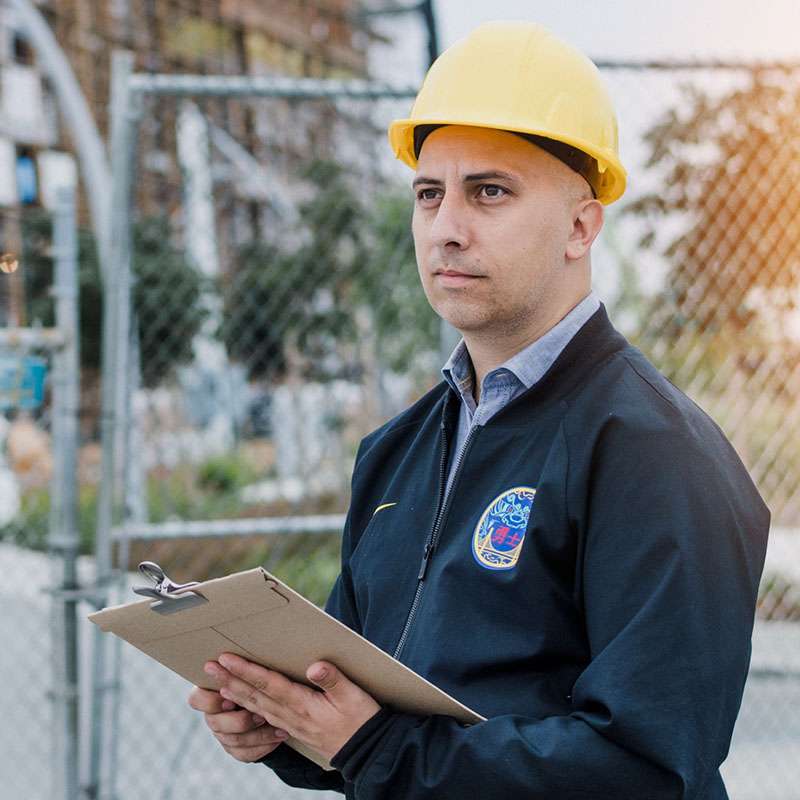
Fred, Regional Operations Manager, comes from a family of immigrant roots and a story built on sacrifice, discipline, and hard work. Growing up, Fred watched his parents work long hours and weekends to create a better future teaching him the values of perseverance, determination, and doing things the right way every single time.
We Love Paving began with Fred’s father, who started doing what he knew best: paving. Over the years, he built experience alongside respected professionals in the industry, refining his methods and developing a reputation for quality work that speaks for itself. As his clientele grew, so did the vision one built not only on skill, but on integrity and pride in every job.

Posts that might interest you

How Long Should an Asphalt Driveway Last Before Cracking?

How Long Should an Asphalt Driveway Last Before Cracking?

July 5, 2024

When investing in an asphalt driveway, homeowners often wonder about its longevity and durability. Asphalt driveways are popular due to their affordability, aesthetic appeal, and resilience. However, like any material, asphalt is not immune to wear and tear, and over time, cracking can occur. This article explores the lifespan of asphalt driveways before cracking, with

What Temperature Should Asphalt Be Between Lifts? Insights from Sacramento, California

What Temperature Should Asphalt Be Between Lifts? Insights from Sacramento, California

July 5, 2024

Asphalt paving is a precise and methodical process where temperature plays a critical role in ensuring the durability and quality of the pavement. This is particularly true for the placement of multiple lifts or layers of asphalt. In Sacramento, California, with its distinctive climate, understanding the optimal temperature for asphalt between lifts is essential for

How Long Does an Asphalt Overlay Last? A Focus on Sacramento, California

How Long Does an Asphalt Overlay Last? A Focus on Sacramento, California

July 4, 2024

Asphalt overlays are a crucial component of road maintenance and construction, offering a cost-effective solution for renewing and extending the life of existing pavements. In Sacramento, California, where urban expansion and infrastructural development are ongoing, understanding the longevity of asphalt overlays is vital for city planners, construction companies, and residents. This article delves into the

How Much Asphalt Can Be Laid in a Day?

How Much Asphalt Can Be Laid in a Day?

July 3, 2024

Asphalt paving is a critical component of many construction projects, from residential driveways to major highways. One of the most important considerations for project managers and homeowners alike is understanding how much asphalt can be laid in a day. This not only impacts the timeline of a project but also its overall cost and logistical

How Steep Can an Asphalt Driveway Be?

How Steep Can an Asphalt Driveway Be?

July 3, 2024

Asphalt driveways are a popular choice for homeowners due to their durability, cost-effectiveness, and ease of installation. However, one critical factor to consider when planning an asphalt driveway is its slope. The steepness of a driveway can significantly impact its functionality, safety, and longevity. In this article, we will explore how steep an asphalt driveway

What is the Life Expectancy of Asphalt Paving in Sacramento, California?

What is the Life Expectancy of Asphalt Paving in Sacramento, California?

July 2, 2024

Asphalt paving is a critical component of urban infrastructure, serving as the backbone of city streets, highways, and parking lots. Its durability, cost-effectiveness, and ease of maintenance make it a popular choice for municipalities worldwide. In Sacramento, California, where urban development and traffic demand are continually increasing, understanding the life expectancy of asphalt paving is

What is the Minimum Thickness of Asphalt Pavement?

What is the Minimum Thickness of Asphalt Pavement?

July 2, 2024

The minimum thickness for asphalt pavement depends on the project: residential driveways require at least 2 inches, while commercial parking lots often start at 4 inches for durability. Factors Influencing Asphalt Pavement Thickness Traffic Load: The volume and weight of traffic that the pavement will support is a primary consideration. Heavier loads, such as those

What is the Tolerance for Asphalt Thickness?

What is the Tolerance for Asphalt Thickness?

July 1, 2024

Asphalt pavement quality is crucial for the longevity and durability of roads, driveways, and parking lots. One key aspect that affects the performance of asphalt surfaces is the thickness tolerance. This detailed guide will explore the importance of asphalt thickness tolerance, the factors that influence it, measurement techniques, and best practices for maintaining accurate thickness

What is the Best Quality Asphalt for Driveways?

What is the Best Quality Asphalt for Driveways?

June 28, 2024

Choosing the best quality asphalt for your driveway is essential to ensure durability, aesthetic appeal, and cost-effectiveness. This guide explores the types of asphalt, their benefits, and how to select the best option for your driveway needs. Understanding Asphalt Factors to Consider When Choosing Asphalt Types of Asphalt for Driveways Comparing Asphalt to Other Materials

How Thick Should Asphalt Paving Be?

How Thick Should Asphalt Paving Be?

June 28, 2024

Choosing the right thickness for asphalt paving is crucial for the longevity and durability of the surface, whether it’s a driveway, parking lot, or roadway. The thickness of asphalt paving affects its ability to withstand traffic loads, weather conditions, and overall wear and tear. This article will explore the factors influencing asphalt thickness and provide

Previous Next