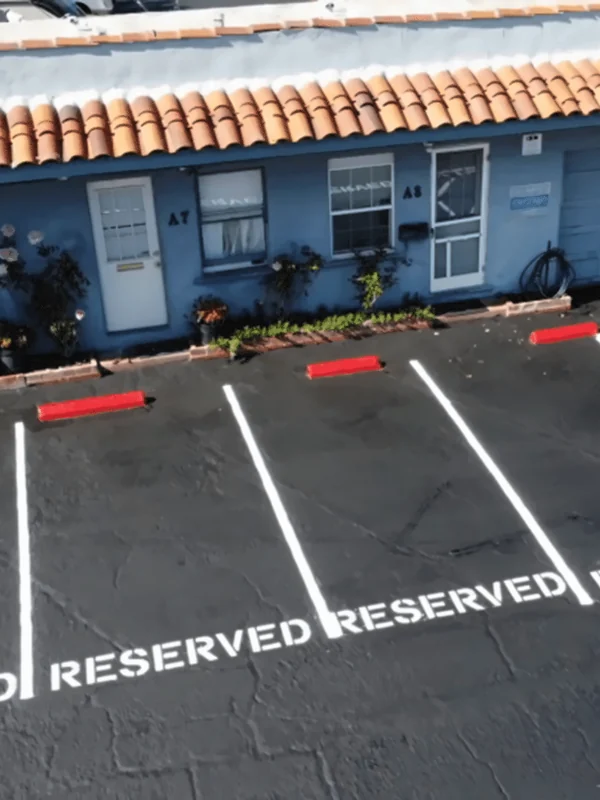
Pavement Engineering Excellence and HOA Parking Rules in California
We optimize safety and regulatory compliance in collective environments through high-precision pavement engineering and long-term asset management strategies, ensuring infrastructure longevity.

INFORMATIONAL RESOURCE
What You’ll Find On This Page
Managing driving surfaces in master-planned developments requires a critical balance between California Vehicle Code (CVC) legality and asphalt structural integrity.
CVC
Implementation of technical signage with regulatory dimensions and typography to ensure legal validity in space management.
Smart Maintenance
Preservation cycles designed to extend pavement lifecycle up to 25 years through high-resistance technical sealcoating applications.
Universal Accessibility & ADA
Obstacle-free surface transitions and high-visibility thermoplastic markings that mitigate civil liability risks.
Optimizing Vehicular Flow and Regulatory Safety
Properly delineating loading zones, emergency lanes, and guest spaces is not merely aesthetic, it is a public safety requirement. Well-marked infrastructure reduces ambiguity in enforcing internal traffic regulations. It is essential to evaluate Paving for HOAs to understand how pavement design influences user behavior and environmental fluidity.
Paving Standards for High Durability
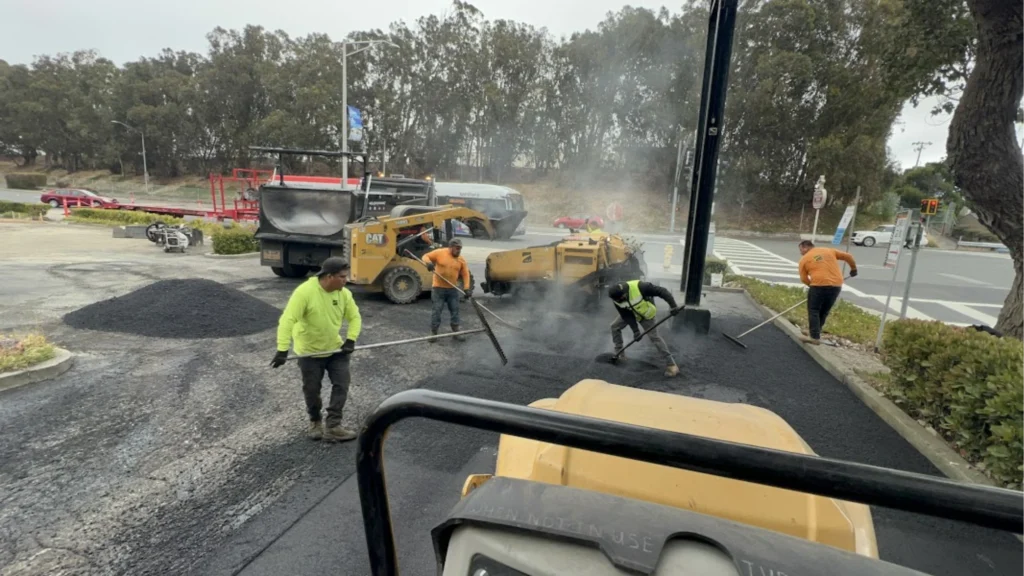
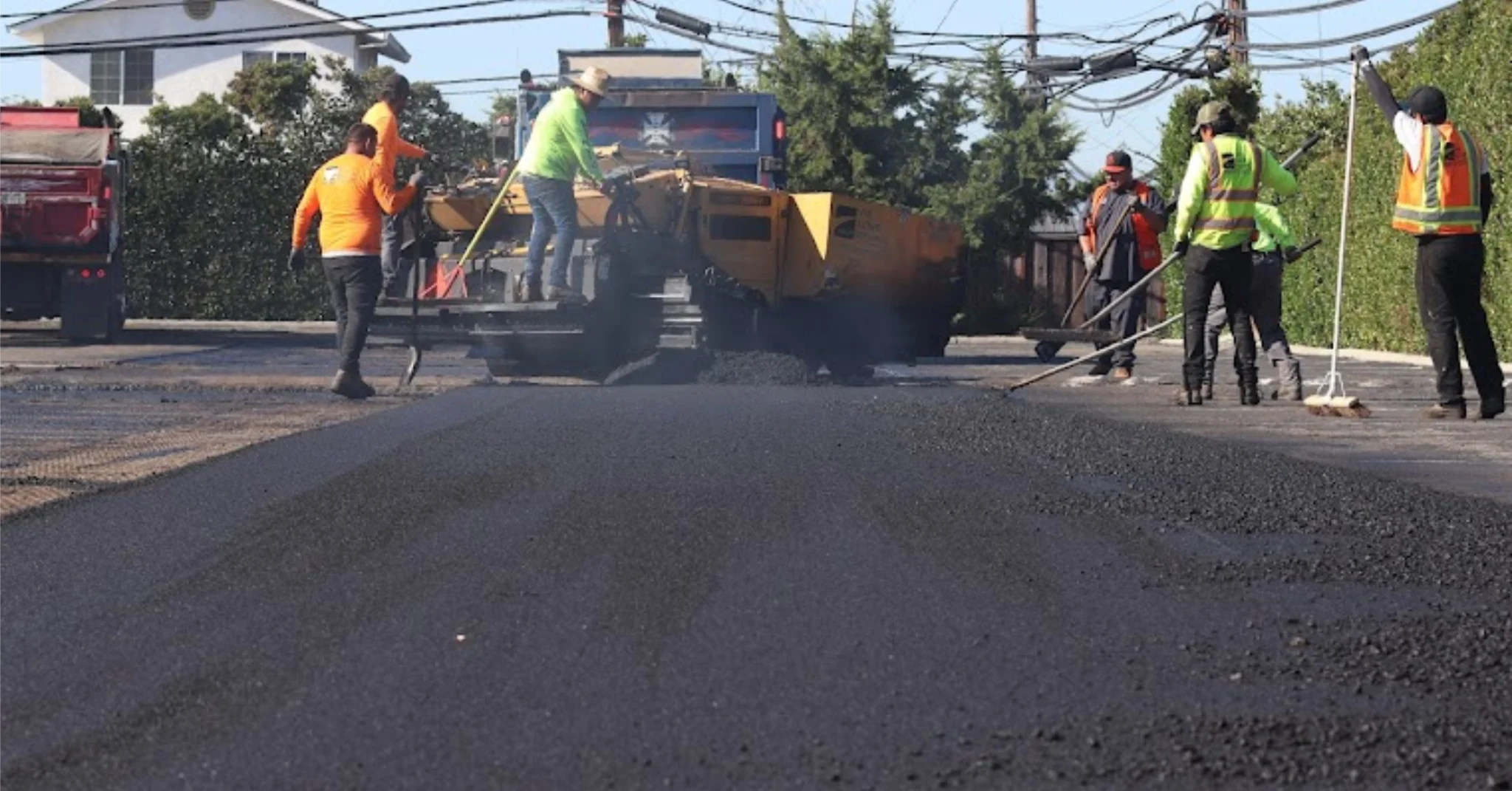
In California, thermal variations demand asphalt mixes with specific polymers that resist wear without compromising flexibility. Applying preventive engineering techniques ensures surfaces withstand service vehicle loads without developing premature structural failures. When considering surface renewal, determining Should You Re-Stripe is the first step toward maintaining safety standards and asset value.
Risk Mitigation and ADA Accessibility
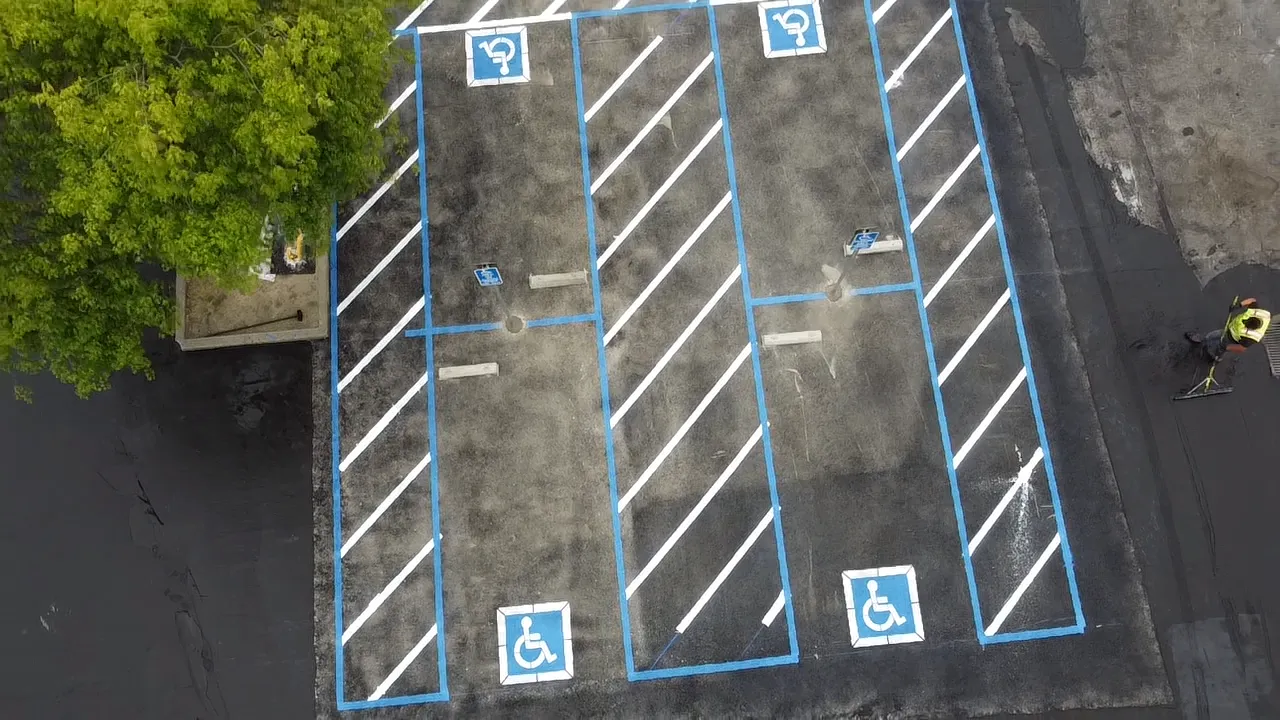
Compliance with the Americans with Disabilities Act (ADA) is a non-negotiable pillar in modern property management. This includes correct ramp leveling (1:12 maximum), installation of detectable warnings, and creating accessible routes connecting to public ways. We focus on Building Safe to eliminate architectural barriers and protect managing entities from litigation stemming from deficient infrastructure.
KEY HIGHLIGHTS
Important Elements to Extract From the Resource
This page is designed to present information in a clear, easy-to-scan format, making it simple to find key insights, understand the content, and take action with confidence.
Mandatory Towing Signage
Per CVC 22658, signs must be at least 17×22 inches and display the local traffic agency’s number and authorized towing company data at every entrance.
Garage Usage Restrictions
Local regulations allow prioritizing operational vehicle parking within private units to free up space in common roads and guest areas.
Inoperable Vehicle Protocols
Technical procedures for removing vehicles lacking essential operational components, ensuring they do not become environmental or safety hazards.
Emergency Response Zones
Strict design and maintenance of Fire Lanes, which must remain clear to guarantee rescue and fire unit access at all times.
KEY HIGHLIGHTS
Is your infrastructure compliant with current California standards?
Ensure your asphalt’s longevity and your property’s legal protection with our specialized technical analysis. We design maintenance plans that transform costs into secure investments.
FAQ
Frequently Asked Questions
Quick answers to the questions we hear most about this topic.
For space management to be legally enforceable, 17×22 inch signs must be installed at all entrances. These must specify restrictions and local authority contact details. Technically, California Vehicle Code § 22658 requires lettering at least one inch high in contrasting colors. Signage must be clearly visible from any point within the parking area to prevent improper towing penalties.
Generally, thermoplastic marking or high-resistance paint renewal should occur every 2 to 3 years, depending on traffic volume and UV exposure. Faded markings increase accident risks and nullify the ability to enforce internal rules. Professional maintenance includes deep cleaning to ensure material adhesion and maximum visibility under ADA standards.
ADA mandates that parking facilities include a specific ratio of accessible spaces, ramps with maximum 8.33% slopes, and travel routes with no vertical changes exceeding 1/4 inch. Non-compliance exposes asset managers to federal accessibility lawsuits. Pavement engineering must integrate slip-resistant surfaces and truncated domes at sidewalk transitions to guarantee universal safety
Smart engineering design uses color coding and differentiated textures to segregate resident areas from visitor spaces, facilitating spatial self-management. Clear pavement markings and strategic vertical signage prevent the misuse of limited spots. This reduces the need for corrective interventions and enhances the overall user experience within the environment.
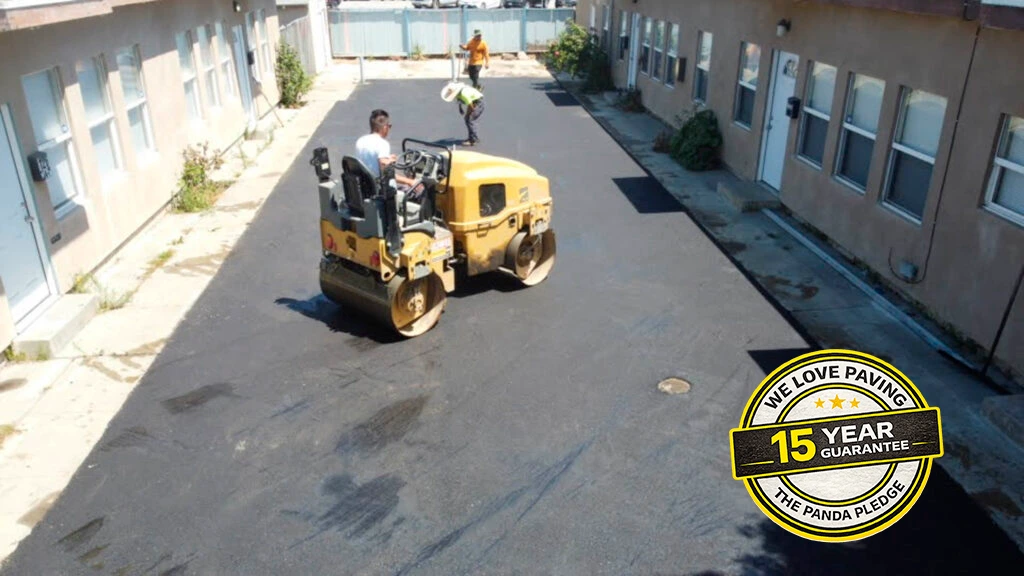
The Panda Pledge is our 15-year pothole-free guarantee, contingent on a maintenance ecosystem including sealcoating every 3-4 years. This proactive approach protects the pavement’s structural base from oxidation and water penetration. By adhering to this technical cycle, owners ensure their infrastructure maintains a high Pavement Condition Index (PCI), minimizing long-term rehabilitation costs.
Moderate traffic zones are typically designed for loads up to 15,000 lbs, while emergency lanes and waste collection areas require 4″ to 6″ thickness for 25,000 lbs or more. Exceeding these design limits causes alligator cracking and structural failure. It is vital to perform a load-bearing analysis before any repaving project to match the asphalt mix with actual service vehicle demands.
READY TO GET STARTED?
Download the complete PDF or request a technical audit with no obligation.