High-Authority Paving Solutions for ADA Compliance in California
In California’s complex legal landscape, paving infrastructure is not just about aesthetics or functionality, it is a critical pillar of regulatory compliance

INFORMATIONAL RESOURCE
What You’ll Find On This Page
Modern paving quality standards require total integration between civil engineering and the legal framework for accessibility. At We Love Paving, we align every project with today’s market demands, where millimeter precision is the only real defense against legal vulnerability.
Precision Slope Diagnostics
We utilize laser-leveling technology to ensure every ramp and transition area meets the required 1:12 ratio, eliminating water pooling and grading errors that trigger audits.
Thermoplastic Stripping and Delineation
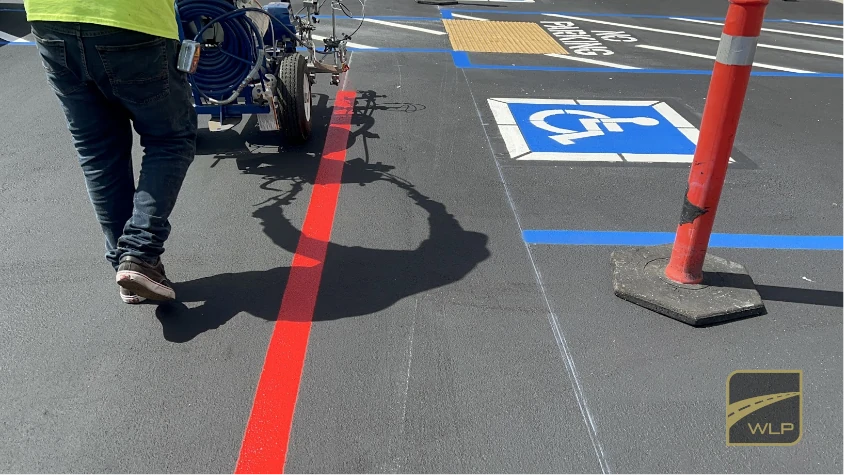
We apply high-visibility, long-lasting materials that exceed reflectivity and slip-resistance standards, ensuring clear and legally defensible access routes.
Non-Slip Surface Engineering
Selection of technical aggregates and sealants that maintain the ADA-required coefficient of friction, even in adverse weather conditions common in California.
Risk Mitigation Through Certified Infrastructure
The current landscape shows that ADA lawsuits in California have evolved toward unprecedented technical scrutiny. It is not enough to pave; it is imperative to implement a design protocol that anticipates legal friction points. Our methodology focuses on the proactive elimination of architectural barriers, ensuring that every inch of asphalt or concrete reinforces operational immunity against third-party inspections.
The Challenge of Compliance in California
The specific thermal and geological variations of our region demand materials that not only comply today but maintain structural integrity against differential settlement. We understand why California entities face higher risks, integrating The Panda Pledge into every project our quality commitment that guarantees technically and legally superior results
Paving Engineering and Accessibility Standards
Technical execution is the core of legal defense. We address the challenges paving companies face through continuous training in California Building Code Title 24. This allows us to execute level transitions, loading zones, and pedestrian walkways with minimal error tolerance, transforming infrastructure into a barrier against opportunistic litigation.
KEY HIGHLIGHTS
Important Elements to Extract From the Resource
This page is designed to present information in a clear, easy-to-scan format, making it simple to find key insights, understand the content, and take action with confidence.
Cross-Slope Auditing
Rigorous evaluation of lateral slopes on access routes to ensure they do not exceed 2%, preventing wheelchair instability and complying with federal standards.
Stable and Firm Surface Protocol
Implementation of compacted bases and high-density asphalt mixes that prevent cracking and surface irregularities greater than 1/4 inch.
Van-Accessible Parking Configuration
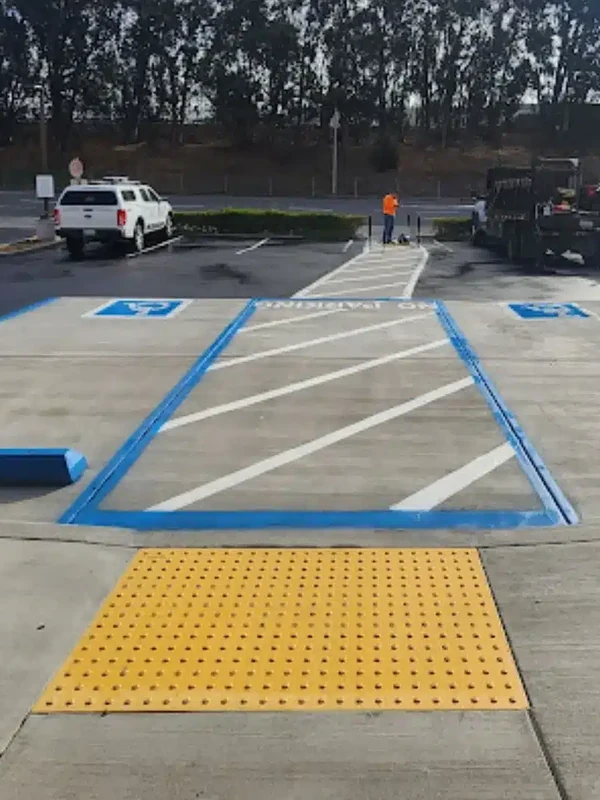
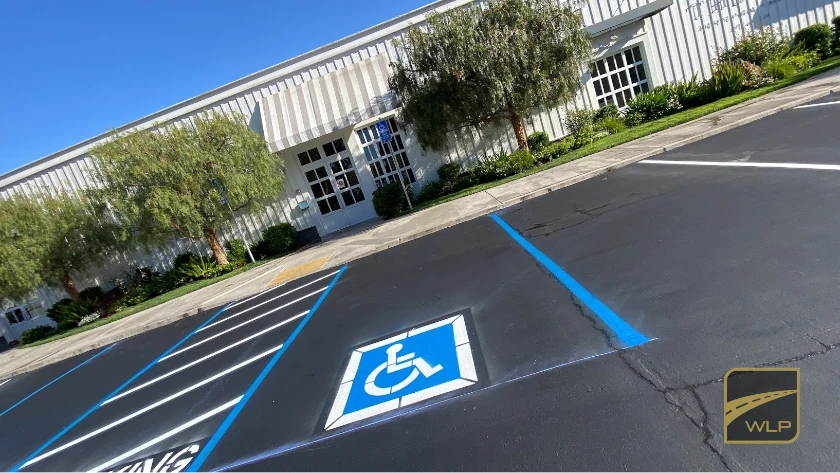
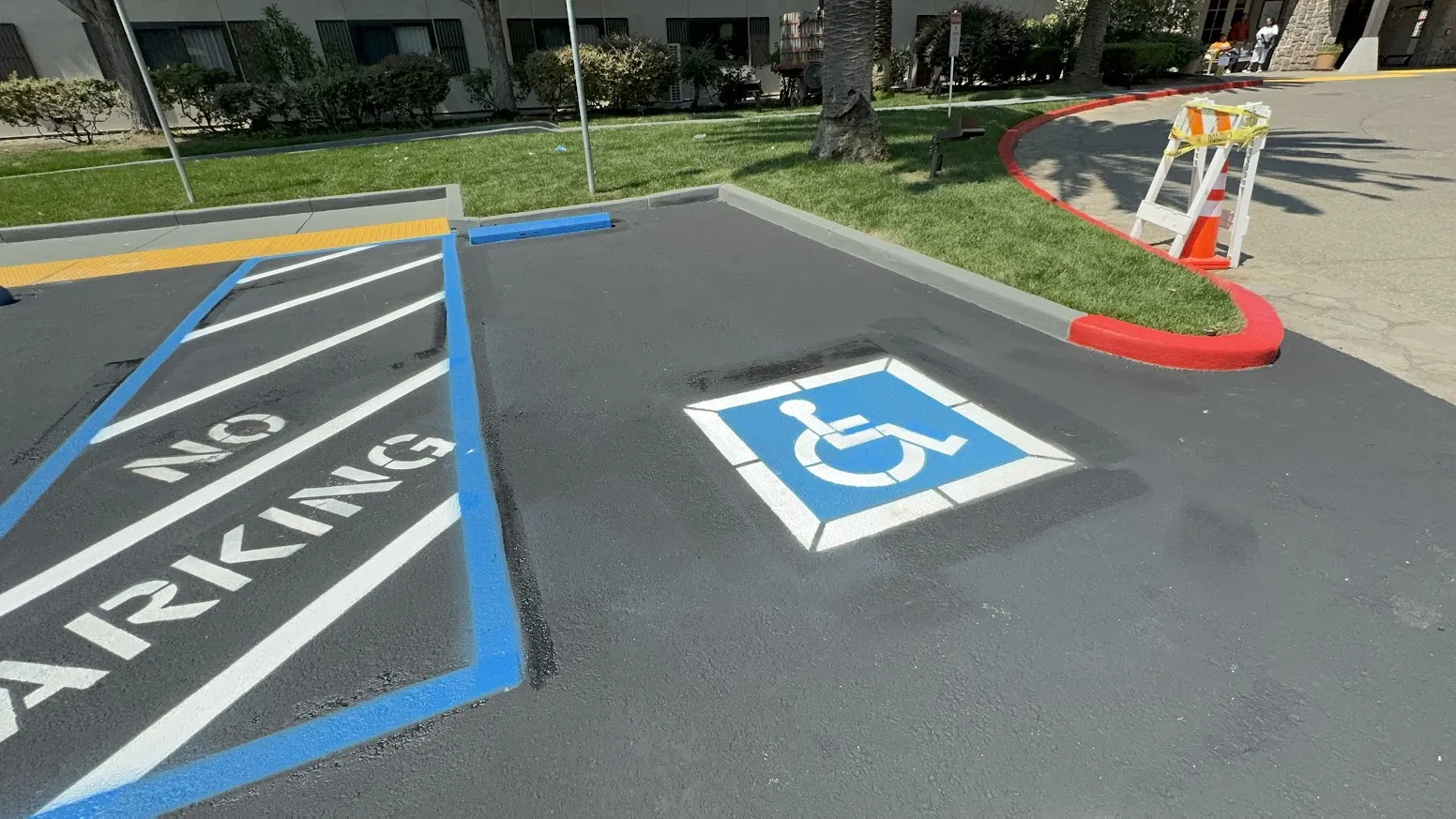
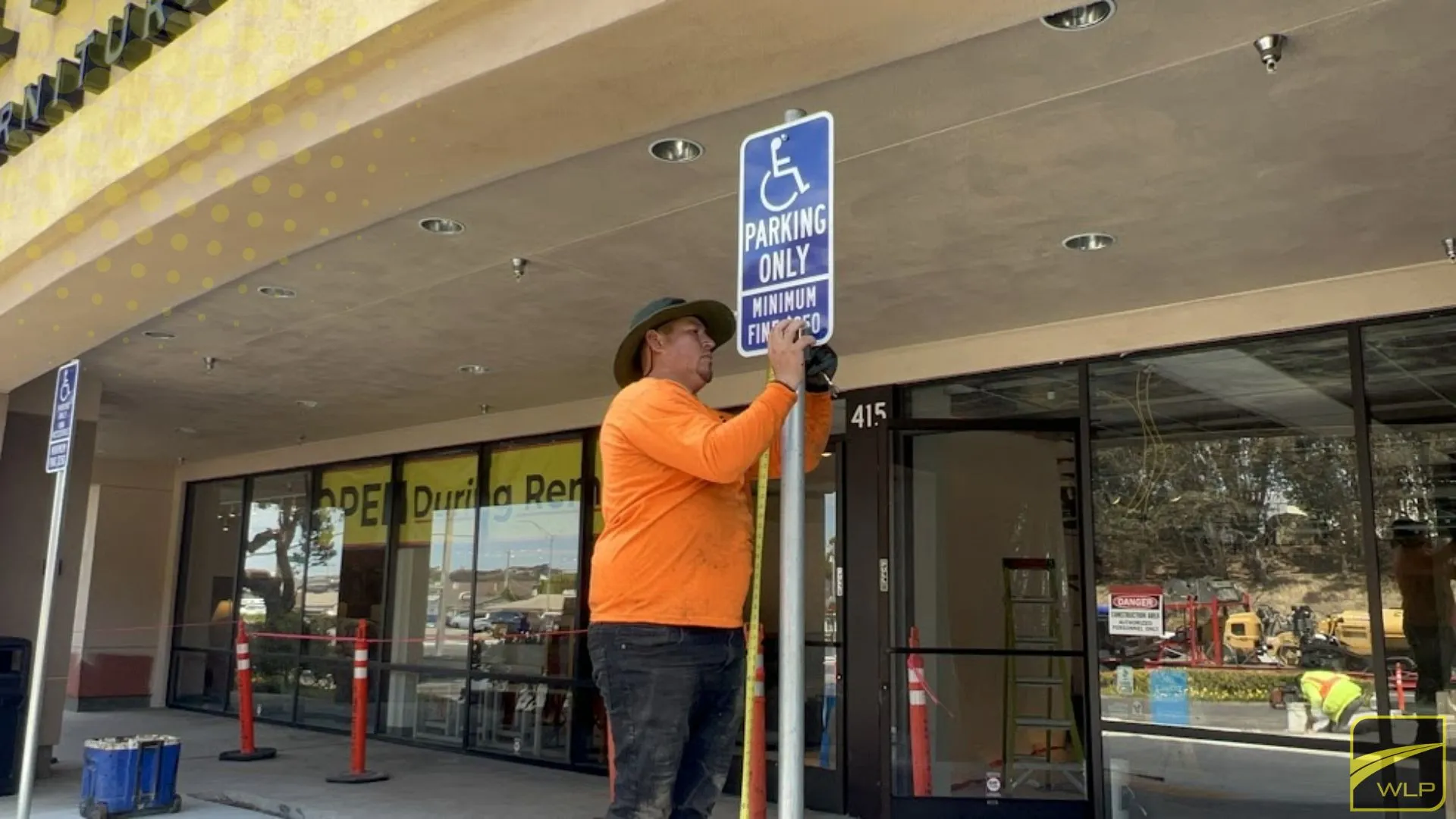
Technical design with exact dimensions (minimum 96-inch width for both space and access aisle) with mandatory vertical signage per state code.
Detectable Warning Systems
Installation of tactile pavings with visual contrast and standardized dimensions at ramp edges to alert visually impaired individuals of level changes.
KEY HIGHLIGHTS
Secure Your ADA Compliance with Paving Experts
Do not let a poorly executed slope become a legal vulnerability. Our technical team is ready to shield your infrastructure with precision engineering and the backing of The Panda Pledge.
FAQ
Frequently Asked Questions
Quick answers to the questions we hear most about this topic.
California allows for the recovery of monetary damages under the Unruh Act, incentivizing litigation over minimal technical deviations in parking surfaces and ramps. Technically, any imperfection greater than half an inch or slopes exceeding regulatory limits by decimal fractions can be classified as architectural barriers, facilitating lawsuits that seek quick settlements based on visible infrastructure failures.
A compliant ramp must maintain a maximum longitudinal slope of 8.33% and a cross slope of less than 2%. Additionally, considering local soil settlement is vital; we use treated granular bases to prevent ground movement from altering these slopes over time, ensuring the transition between asphalt and concrete remains level and free of hazardous lips.
Preventive maintenance, such as crack filling and sealcoating, prevents surface degradation that creates unevenness and potholes, which are primary targets for “failure to maintain access” lawsuits. By maintaining a smooth surface and vibrant signage, you demonstrate a continuous effort toward compliance that significantly weakens any argument of inaccessibility in a legal proceeding.
Thermoplastic striping offers superior durability and reflectivity under constant traffic, ensuring that accessibility symbols and no-parking zones remain unambiguous under all lighting conditions. Legally, a lack of visibility in these markings is one of the most common causes for citations, so using industrial-grade materials ensures long-term compliance.
It is our institutional commitment to technical excellence and integrity in the execution of every paving project in California. It benefits the client by ensuring that every phase, from excavation to final finish, follows quality control protocols that exceed industry standards, providing an extra layer of technical security that protects the investment against future structural or legal failures.
Moisture cycles and temperature changes can cause subgrade expansion that compromises the leveling of accessible routes. Our engineering considers these environmental factors by using resilient asphalt mixes and optimized drainage systems, preventing standing water from eroding surfaces and creating level variations that violate current regulations.
READY TO GET STARTED?
Download the complete PDF or request a technical audit with no obligation.