Whether you’re paving a driveway, a parking lot, or a road, laying asphalt is a precise process that demands attention to detail. With the right equipment, materials, and techniques, you can achieve a smooth, durable surface that will withstand the test of time. In this comprehensive guide, we’ll walk you through the step-by-step process of laying asphalt like a pro.
Step 1: Preparation
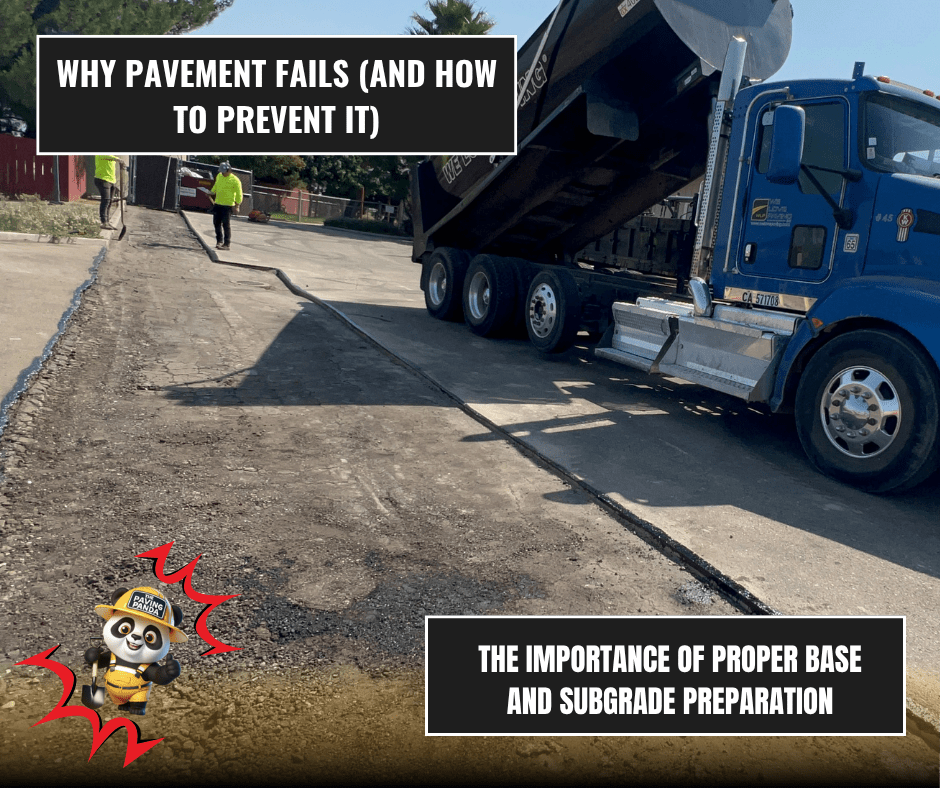
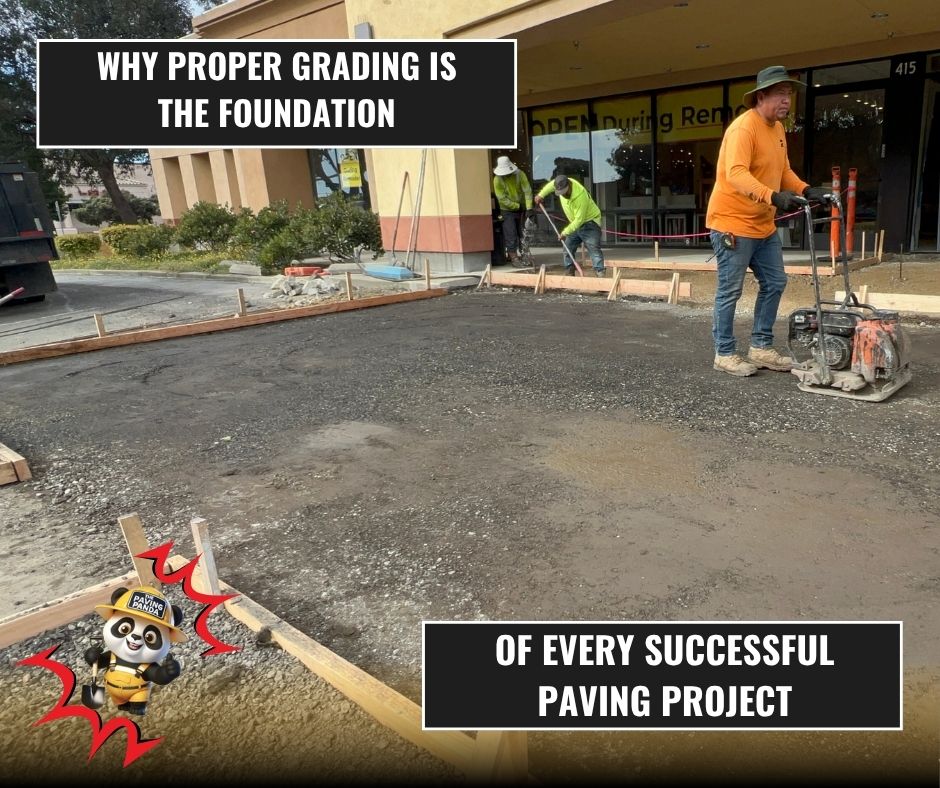
Before you can start laying asphalt, proper preparation is crucial. Begin by clearing the area of any debris, vegetation, or existing pavement. This ensures a clean surface for the new asphalt to adhere to. Next, inspect the subgrade to ensure it is stable and properly graded. Any soft spots or uneven areas should be addressed before proceeding.
Step 2: Base Installation
Once the area is prepped, it’s time to install the base layer. This typically consists of crushed stone or gravel, which provides a stable foundation for the asphalt. The base material should be spread evenly and compacted using a roller or compactor to achieve the desired density. Proper compaction is essential to prevent settling and ensure the longevity of the pavement.
Step 3: Edge Preparation
To create clean, crisp edges, it’s important to prepare the perimeter of the paved area. This can be done using a hand tamper or mechanical edging tool to establish a straight edge along the borders. Proper edging helps contain the asphalt and prevents it from spreading beyond the desired boundaries.
Step 4: Asphalt Mix Preparation
With the base in place, it’s time to prepare the asphalt mix. Asphalt is typically composed of aggregate (such as gravel or sand) bound together with a bitumen binder. The specific mix design will depend on factors such as climate, traffic volume, and intended use. The asphalt mix should be heated to the appropriate temperature to ensure workability and proper compaction.
Step 5: Asphalt Application
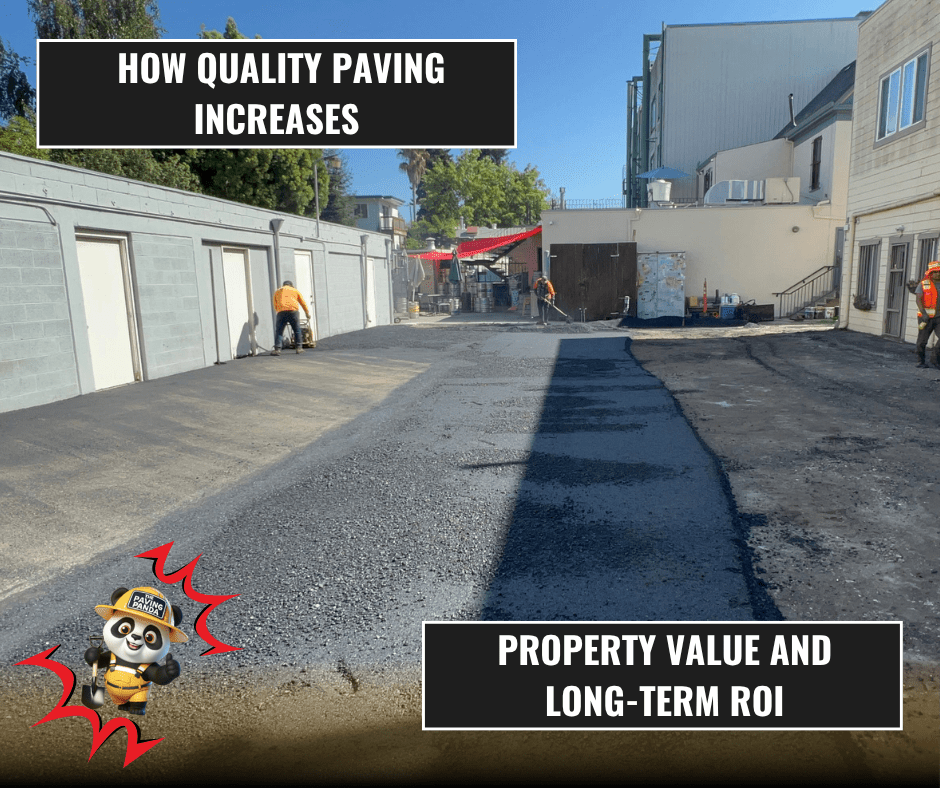
Once the asphalt mix is prepared, it can be applied to the prepared surface. This is typically done using a paving machine, which spreads the asphalt evenly across the area. The asphalt should be applied in multiple layers, with each layer being compacted to the desired thickness. Proper compaction is essential to achieve a smooth, uniform surface and maximize the durability of the pavement.
Step 6: Compaction
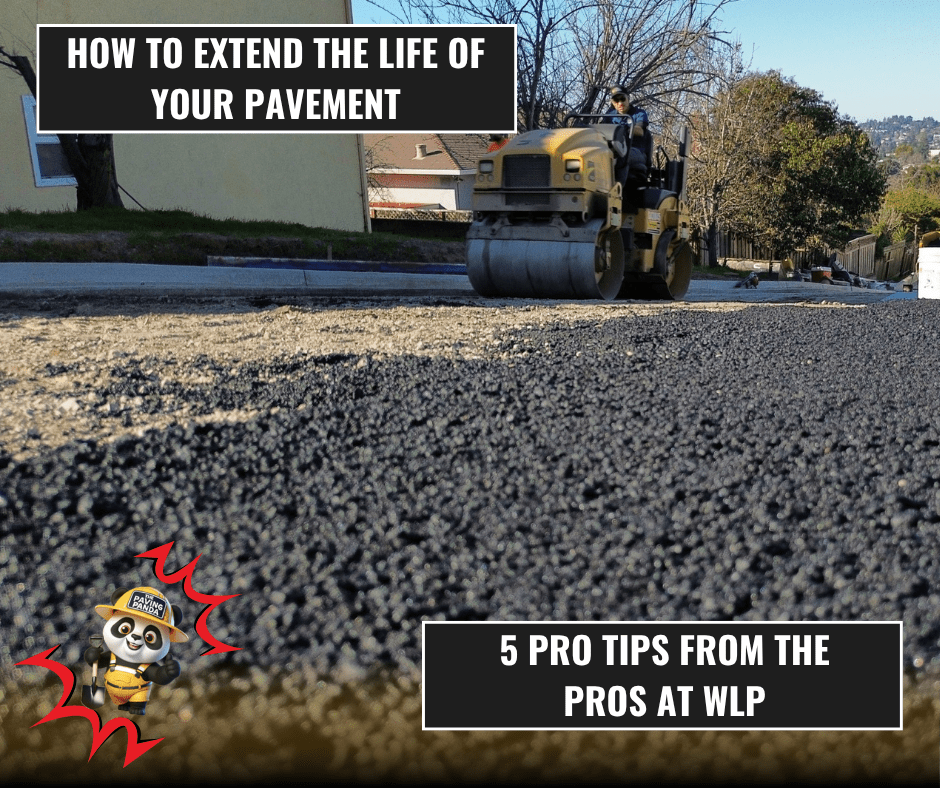
Compaction is perhaps the most critical step in the asphalt laying process. It involves using a heavy roller or compactor to compress the asphalt layers, removing air voids and ensuring proper bonding between the particles. Compaction should be performed systematically, starting from the edges and working towards the center to achieve uniform density across the pavement.
Step 7: Finishing Touches
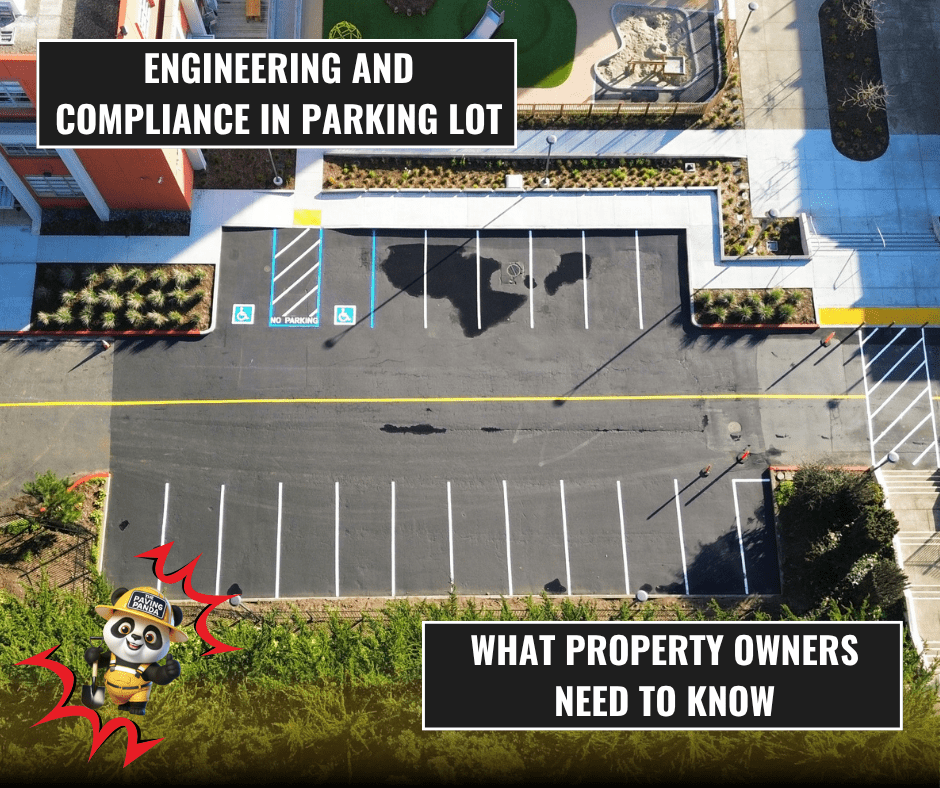
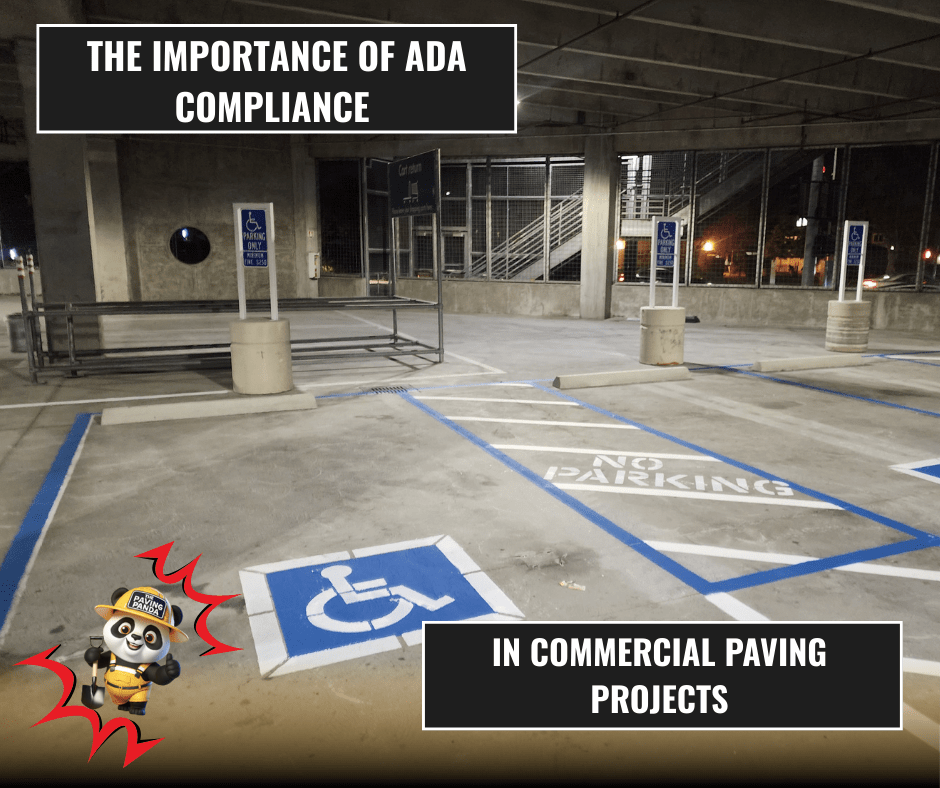
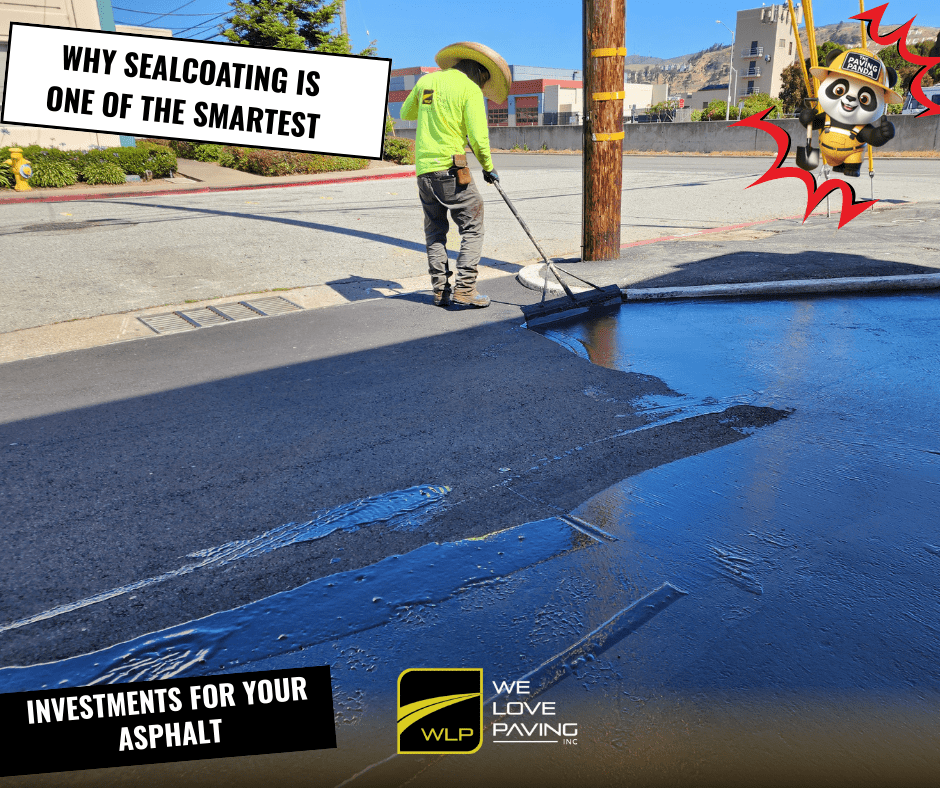
Once the asphalt is compacted, it’s time to add the finishing touches. This may include applying a sealant to protect the surface from water damage and UV exposure. Additionally, any markings or signage can be added to designate traffic lanes, parking spaces, or other relevant information.
Step 8: Curing
After the asphalt is laid and compacted, it requires time to cure and harden properly. This typically takes a few days, during which traffic should be kept off the pavement to avoid damage. Proper curing is essential to ensure the asphalt reaches its full strength and durability.
Step 9: Maintenance
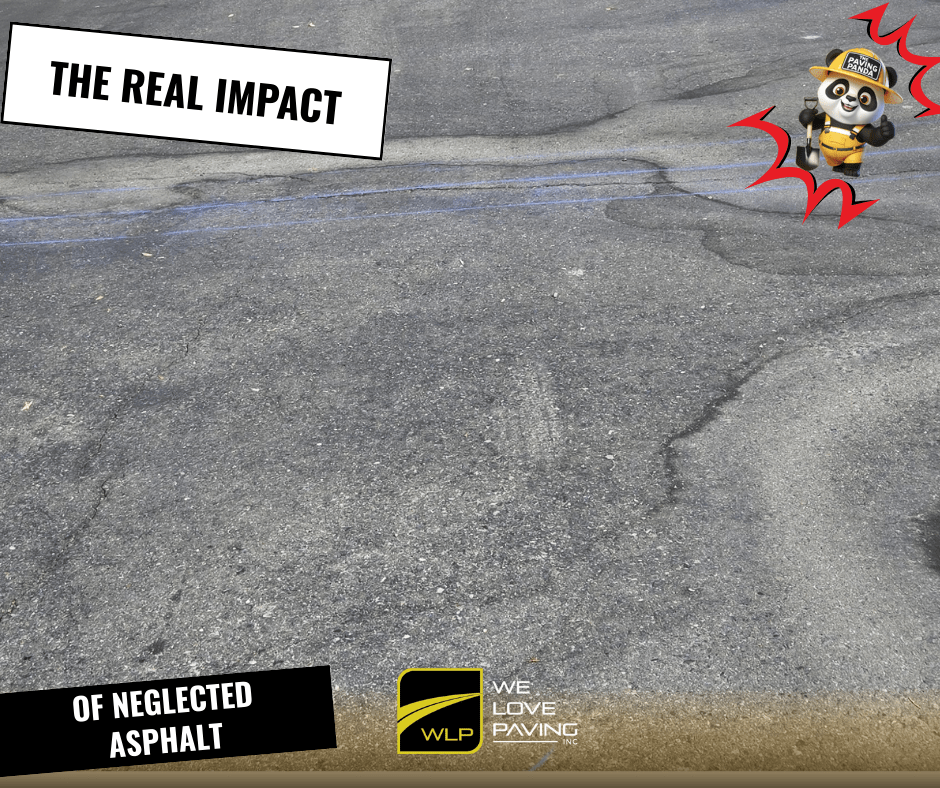
Finally, proper maintenance is essential to prolong the life of the asphalt pavement. This may include regular sweeping to remove debris, periodic sealing to protect the surface, and timely repairs to address any cracks or damage. By staying proactive with maintenance, you can ensure your asphalt pavement remains in top condition for years to come.
Conclusion
Laying asphalt is a precise process that requires careful planning, attention to detail, and the right equipment and materials. By following these step-by-step guidelines, you can achieve professional results and create a durable, long-lasting pavement that will serve you well for years to come. Whether you’re tackling a small driveway or a large parking lot, mastering the art of asphalt laying is a skill that pays dividends in the long run.