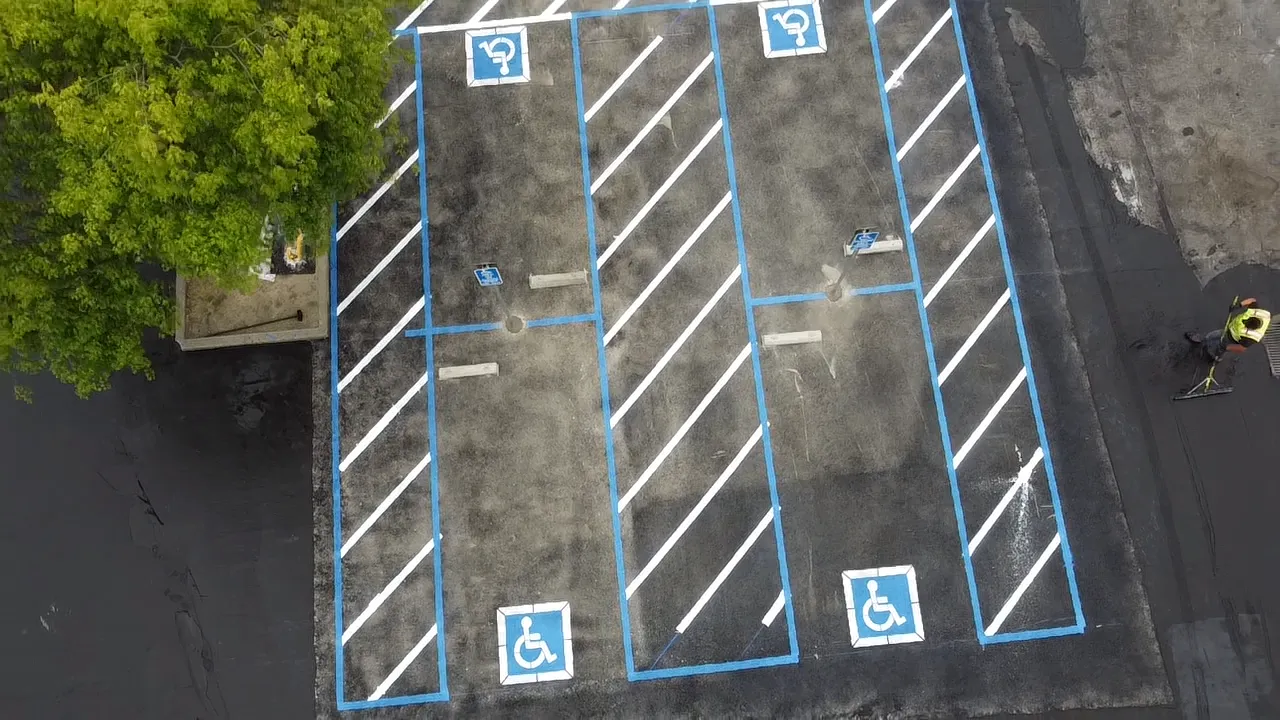
Pavement Engineering for Apartment Complexes & Multi-Family Markets
Optimizing infrastructure lifecycles in high-density environments through high-performance asphalt and advanced logistical planning.
Calls may be monitored or recorded for quality assurance and training purposes.

Trusted By Property Managers & National Brands





Why Choose Us For Your Industry?


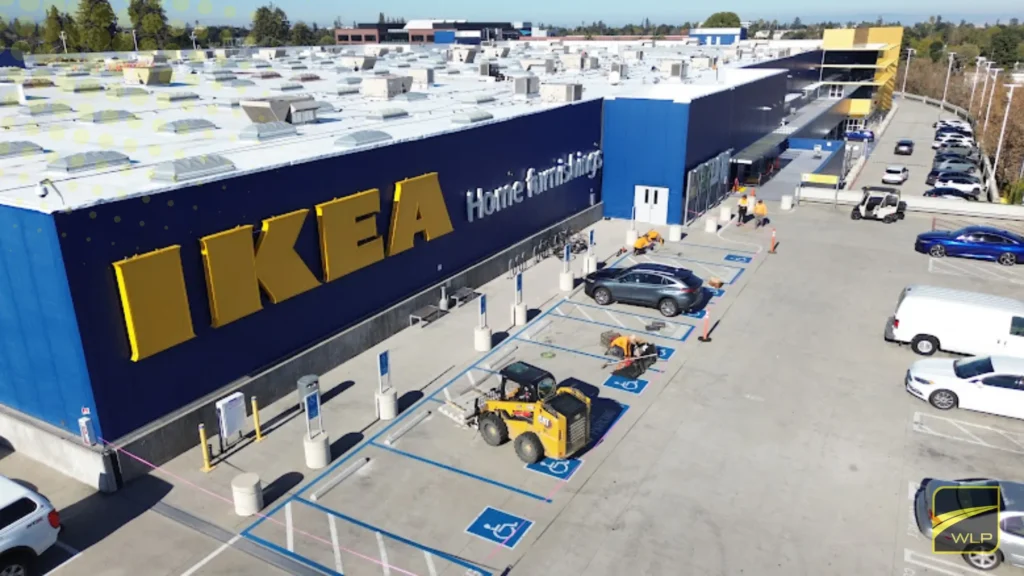
Pavement Management in High-Density Environments
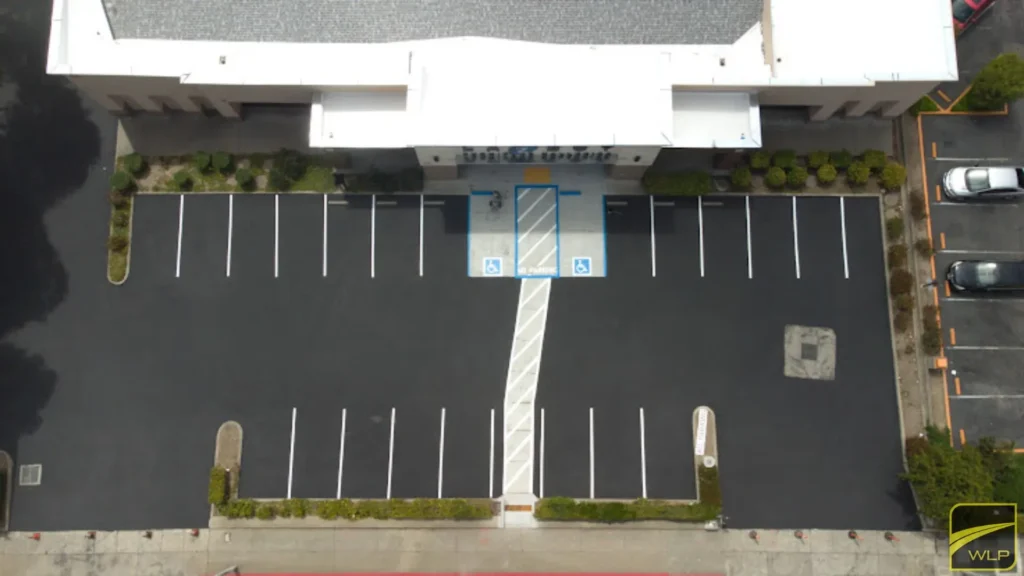
The infrastructure of an apartment complex faces unique challenges: constant traffic, high vehicle turnover, and the imperative to maintain user safety. A data-driven approach ensures that apartment complex parking lot paving is not merely a corrective expense but a strategic investment. In California, thermal fluctuations and heavy usage demand asphalt mixes with specific Performance Grades (PG) to prevent premature failures like rutting or accelerated oxidation.
Ready to elevate your infrastructure standards?
Get a technical assessment of your pavement today. Our senior California team will design a phased execution plan that fits your budget and operational timeline.
Technical Benefits of Partnering with We Love Paving
By delegating road asset management to specialists, property managers achieve:
- Zero-Phase Logistics: Detailed planning to minimize access disruption to housing units.
- Regulatory Compliance: Full alignment with California ADA standards, ensuring accessible routes and legal signage.
- Asset Preservation: Implementing sealcoating and deep patching extends asphalt life by up to 300% compared to unmaintained surfaces.
Experienced Team
Safety First
No Work Stoppage
Guaranteed Results
Risk Mitigation and Road Safety
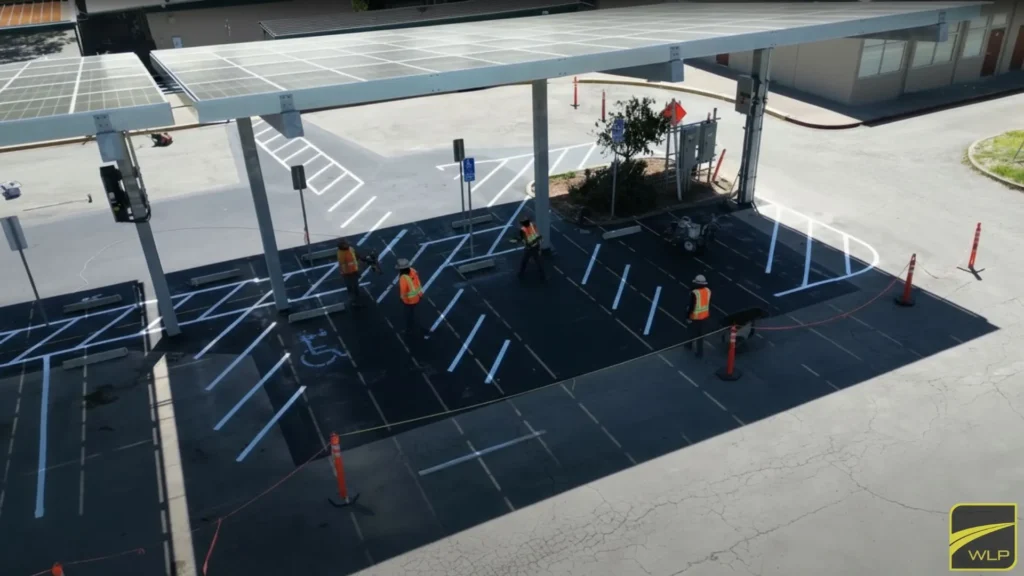
Deteriorated parking areas represent a significant liability risk. Potholes and cracks not only damage vehicles but also increase the risk of pedestrian incidents. Our methodology integrates curb repair, surface leveling to prevent ponding, and the application of thermoplastic markings or high-visibility paint, guaranteeing orderly and safe traffic flow for all residents.

Lifecycle and Asphalt Sustainability
Understanding that paving is the smartest investment requires a long-term cost-benefit analysis. We utilize asphalt recycling techniques and Warm Mix Asphalt (WMA) that reduce the project’s carbon footprint without compromising structural integrity. From the sub-base to the wearing course, every inch is engineered to withstand the specific demands of waste collection zones and heavy loading areas within the complex.
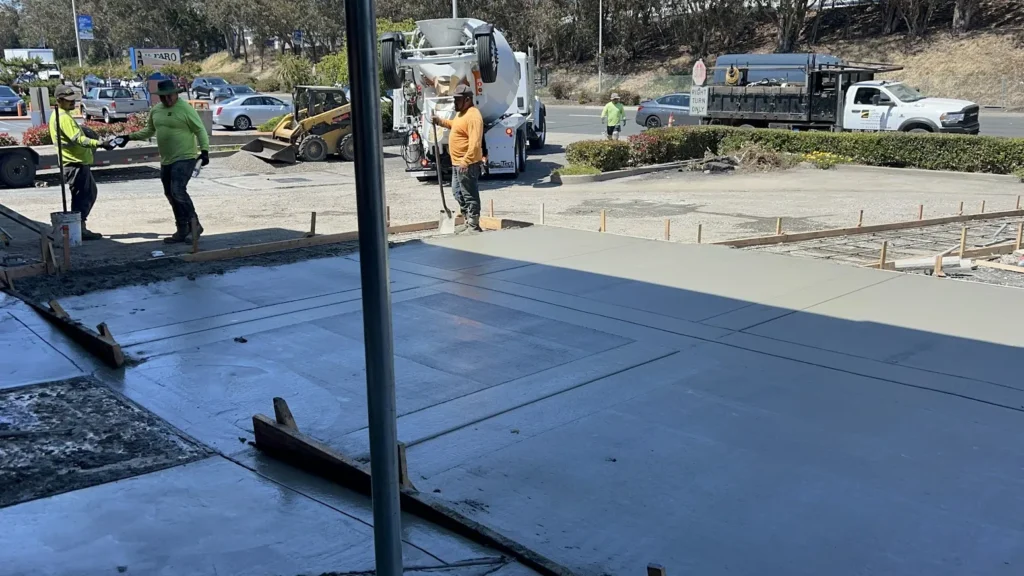
The We Love Paving Excellence Promise
At We Love Paving, we don’t just pour asphalt; we build relationships based on technical transparency. Every project is backed by The Panda Pledge, our unwavering commitment to quality and proactive communication. Our industry-leading warranty ensures your investment is protected against workmanship defects, providing peace of mind to boards and property managers alike. Learn more about our guarantees and warranty here.
This Is What Our Clients Say About Our Work
Frequently Asked Questions (FAQ)
Got Questions? Find Your Answers Here!!
The ideal period is during dry months with temperatures above 50°F. This ensures proper asphalt compaction and efficient solvent evaporation in the sealcoat. Technically, asphalt requires stable weather conditions to reach its design density. In California, this typically occurs between spring and autumn, preventing residual sub-base moisture from compromising the adhesion of the new material.
Any resurfacing project triggers the requirement to update slopes (max 2%), access aisles, and signage per California Title 24. Non-compliance can lead to costly legal penalties. It is imperative that the design includes access ramps and loading zones that meet the exact dimensions required by federal and state regulations in effect for 2026.
Sealcoating is recommended every 3 to 5 years. This sacrificial layer protects the bituminous binder from UV rays, oils, and chemical oxidation that makes pavement brittle. A preventive maintenance program, including crack sealing and deep cleaning, prevents water intrusion into the granular base, avoiding structural failures like “alligator cracking” that would require total reconstruction.
For pedestrian traffic, 2 to 4 hours; for vehicles, a minimum of 24 to 48 hours is recommended. New asphalt needs time to cool and stabilize structurally. Factors such as ambient temperature and ventilation influence curing time. Allowing heavy traffic prematurely can cause permanent deformation or tire marks that affect the project’s aesthetics and leveling.
It depends on the base’s integrity. Patching fixes localized failures, while an overlay applies a new layer over the entire surface, ideal for pavement with superficial wear. If more than 25-30% of the area shows deep structural failure, an overlay is only a temporary fix. Core testing is required to determine if the existing base can support the new load without failing.
A phased execution strategy is used, dividing the parking lot into navigable zones so that parking options and safe pedestrian access to units always exist. Technical communication is key; using zoning maps, temporary detour signage, and strict schedules allows daily flow to continue with minimal friction while ensuring worker and resident safety.
Contact
Start Your Free Proposal
Start your free proposal today. Speak with a paving advisor and find out if your asphalt, concrete, or ADA compliance project qualifies for The Panda Pledge™ long-term protection.
Reply by Next Business Day