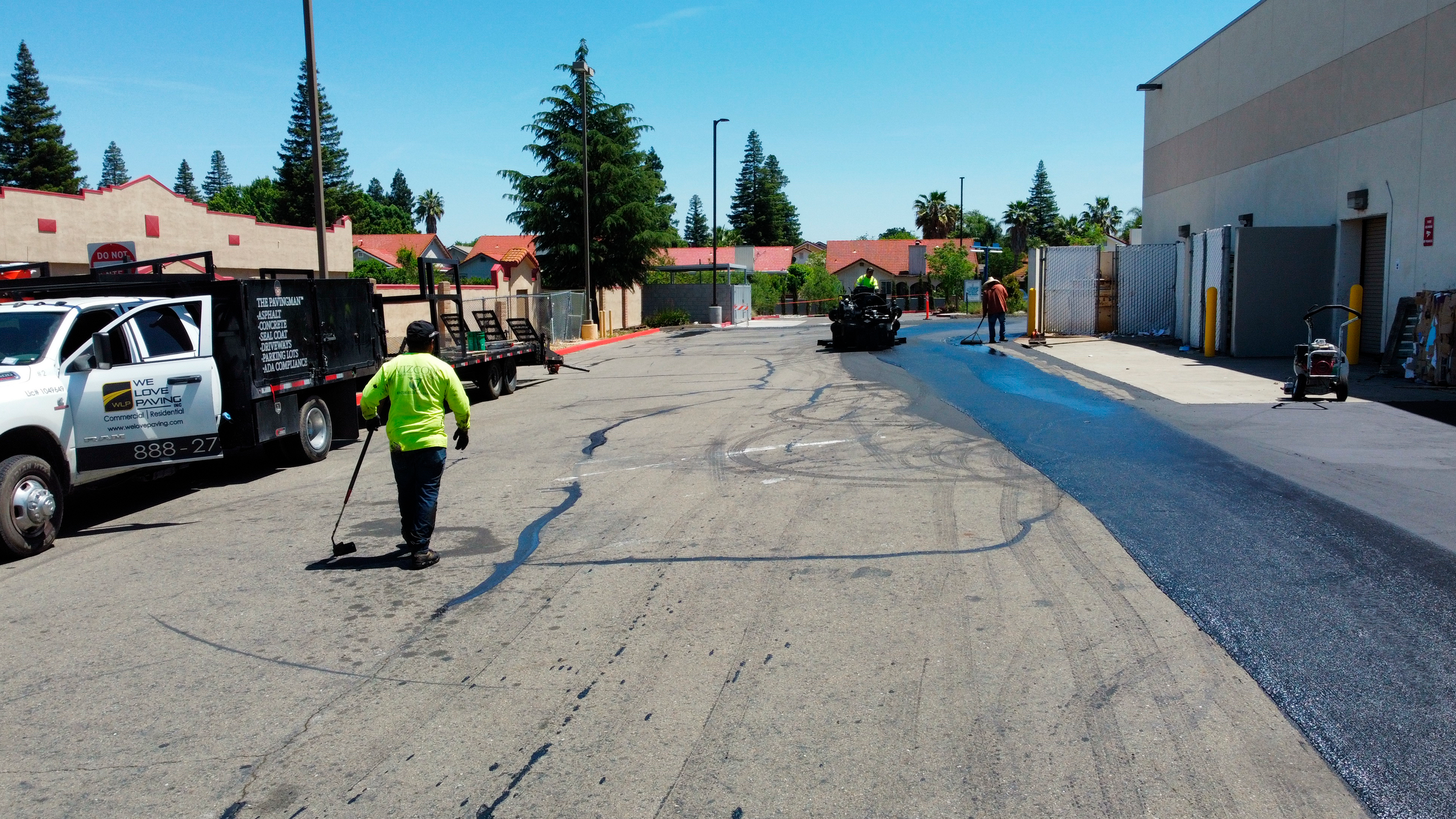
How to Maintain Your Asphalt Driveway: Expert Tips to Extend Its Lifespan

A well-installed asphalt driveway can last 15–25 years—but only with proper care. Cracks, potholes, and fading aren’t just eyesores; they’re signs of deterioration that can lead to costly repairs or premature replacement. Whether you’ve recently installed a new driveway or inherited an aging one, this guide will walk you through essential maintenance steps, common pitfalls to avoid, and expert insights to keep your asphalt looking and performing like new.


Why Asphalt Driveway Maintenance Matters

Asphalt is a cost-effective, durable material, but it’s not invincible. Exposure to UV rays, moisture, temperature swings, and heavy vehicles can weaken its structure over time. Regular maintenance:

  • Prevents Water Damage: Cracks allow water to seep into the base layer, causing erosion and potholes.

  • Saves Money: Addressing small cracks early avoids expensive repairs later.

  • Boosts Curb Appeal: A smooth, jet-black driveway elevates your home’s exterior.

  • Extends Lifespan: Proper care can add 5–10 years to your driveway’s life.


6 Essential Asphalt Maintenance Steps

1. Clean Regularly

Debris like leaves, dirt, and oil stains trap moisture and accelerate wear.

  • Sweep Weekly: Use a stiff broom or leaf blower.

  • Pressure Wash Annually: Removes deep-seated grime and stains (use a low setting to avoid damaging the surface).

  • Treat Oil Stains: Apply a degreaser or kitty litter to absorb spills promptly.

2. Sealcoat Every 2–3 Years

Sealcoating is the #1 way to protect asphalt from UV rays, chemicals, and water.

  • Cost:
    0.15

    0.25 per square foot (DIY kits cost
    50

    100 but lack professional durability).

  • Best Time: Late spring or early fall (dry, 50°F+ weather).

  • Signs You Need It: Fading color, small cracks, or rough texture.

3. Repair Cracks Immediately

Small cracks (less than ¼ inch) can be fixed with a rubberized crack filler. Larger cracks or alligatoring (web-like patterns) require professional patching.

  • DIY Crack Filling: Clean cracks, apply filler, and smooth with a putty knife (
    10

    20 per gallon).

  • Professional Repair: For cracks wider than ½ inch, contractors use hot-pour asphalt (
    1

    3 per linear foot).

4. Address Potholes Promptly

Potholes form when water expands and contracts under the asphalt surface.

  • Temporary Fix: Use cold-patch asphalt from a hardware store (
    5

    10 per bag).

  • Permanent Solution: Pros excavate the damaged area, replace the base, and compact new asphalt (
    50

    300 per pothole).

5. Ensure Proper Drainage

Water pooling on your driveway? Redirect it to prevent foundation damage:

  • Regrade Slopes: Ensure a 2% slope away from your home.

  • Install French Drains or Trench Drains: Redirect water to storm drains or gardens.

6. Avoid Heavy Loads and Sharp Objects

  • Limit Weight: RVs, dumpsters, or construction equipment can dent or crack asphalt.

  • Use Caution with Snow Removal: Metal shovels or picks gouge the surface—opt for plastic tools.

  • Avoid Chemical Deicers: Salt and chloride-based melts erode asphalt; use sand for traction instead.


Seasonal Asphalt Care Checklist

Season Maintenance Tasks
Spring – Inspect for winter damage (cracks/potholes)
– Sealcoat if needed
– Clean gutters to prevent overflow
Summer – Fill new cracks
– Pressure wash stains
– Trim nearby trees to reduce debris
Fall – Clear leaves
– Apply sealant before winter
– Check drainage systems
Winter – Shovel snow promptly
– Avoid deicing chemicals
– Limit parking on the driveway if possible

When to Call a Professional

While DIY fixes work for minor issues, hire a paving contractor for:

  • Large Potholes or Alligator Cracking: Indicates base layer failure.

  • Drainage Problems: Improper grading requires heavy machinery.

  • Resurfacing or Overlays: Restoring a severely worn driveway (
    3

    7 per square foot).

  • Full Replacement: If over 25% of the surface is damaged, replacement is more cost-effective.


Cost of Neglecting Your Asphalt Driveway

Ignoring maintenance leads to:

  1. Potholes: Repair costs jump from
    50(DIY)to

    4,000+ (full replacement).

  2. Foundation Damage: Water seepage can crack your home’s foundation (
    5,000

    15,000 to fix).

  3. Reduced Property Value: A damaged driveway can lower home value by 10–15%.


FAQs About Asphalt Driveway Maintenance

Q: How soon should I sealcoat a new asphalt driveway?
A: Wait 6–12 months for the asphalt to fully cure before sealcoating.

Q: Can I park on my driveway after sealcoating?
A: Avoid parking for 24–48 hours to let the sealant cure.

Q: Why is my asphalt driveway turning gray?
A: UV exposure oxidizes the surface—sealcoating restores the rich black color.

Q: How long does crack filler last?
A: 1–3 years, depending on weather and traffic.

Q: Can asphalt driveways be recycled?
A: Yes! Old asphalt is 100% recyclable and often reused in new pavements.


Why Trust We Love Paving with Your Driveway Maintenance?

  • Preventive Maintenance Plans: Custom schedules to fit your budget and needs.

  • Advanced Repair Techniques: Infrared patching for seamless fixes.

  • Eco-Friendly Products: Biodegradable cleaners and high-quality sealants.

  • Local Expertise: We know your region’s climate challenges inside and out.


Act Now—Protect Your Investment!

Your asphalt driveway is a significant investment—don’t let neglect cut its life short. With routine care and timely repairs, you’ll enjoy a smooth, safe surface for decades.

Contact We Love Paving today to schedule a maintenance inspection or sealcoating service. Let us help you preserve your driveway’s beauty and function!



Share

WHO IS FRED?

Fred, Regional Operations Manager, comes from a family of immigrant roots and a story built on sacrifice, discipline, and hard work. Growing up, Fred watched his parents work long hours and weekends to create a better future teaching him the values of perseverance, determination, and doing things the right way every single time.
We Love Paving began with Fred’s father, who started doing what he knew best: paving. Over the years, he built experience alongside respected professionals in the industry, refining his methods and developing a reputation for quality work that speaks for itself. As his clientele grew, so did the vision one built not only on skill, but on integrity and pride in every job.

Posts that might interest you

How Long Should an Asphalt Driveway Last Before Cracking?

How Long Should an Asphalt Driveway Last Before Cracking?

July 5, 2024

When investing in an asphalt driveway, homeowners often wonder about its longevity and durability. Asphalt driveways are popular due to their affordability, aesthetic appeal, and resilience. However, like any material, asphalt is not immune to wear and tear, and over time, cracking can occur. This article explores the lifespan of asphalt driveways before cracking, with

What Temperature Should Asphalt Be Between Lifts? Insights from Sacramento, California

What Temperature Should Asphalt Be Between Lifts? Insights from Sacramento, California

July 5, 2024

Asphalt paving is a precise and methodical process where temperature plays a critical role in ensuring the durability and quality of the pavement. This is particularly true for the placement of multiple lifts or layers of asphalt. In Sacramento, California, with its distinctive climate, understanding the optimal temperature for asphalt between lifts is essential for

How Long Does an Asphalt Overlay Last? A Focus on Sacramento, California

How Long Does an Asphalt Overlay Last? A Focus on Sacramento, California

July 4, 2024

Asphalt overlays are a crucial component of road maintenance and construction, offering a cost-effective solution for renewing and extending the life of existing pavements. In Sacramento, California, where urban expansion and infrastructural development are ongoing, understanding the longevity of asphalt overlays is vital for city planners, construction companies, and residents. This article delves into the

How Much Asphalt Can Be Laid in a Day?

How Much Asphalt Can Be Laid in a Day?

July 3, 2024

Asphalt paving is a critical component of many construction projects, from residential driveways to major highways. One of the most important considerations for project managers and homeowners alike is understanding how much asphalt can be laid in a day. This not only impacts the timeline of a project but also its overall cost and logistical

How Steep Can an Asphalt Driveway Be?

How Steep Can an Asphalt Driveway Be?

July 3, 2024

Asphalt driveways are a popular choice for homeowners due to their durability, cost-effectiveness, and ease of installation. However, one critical factor to consider when planning an asphalt driveway is its slope. The steepness of a driveway can significantly impact its functionality, safety, and longevity. In this article, we will explore how steep an asphalt driveway

What is the Life Expectancy of Asphalt Paving in Sacramento, California?

What is the Life Expectancy of Asphalt Paving in Sacramento, California?

July 2, 2024

Asphalt paving is a critical component of urban infrastructure, serving as the backbone of city streets, highways, and parking lots. Its durability, cost-effectiveness, and ease of maintenance make it a popular choice for municipalities worldwide. In Sacramento, California, where urban development and traffic demand are continually increasing, understanding the life expectancy of asphalt paving is

What is the Minimum Thickness of Asphalt Pavement?

What is the Minimum Thickness of Asphalt Pavement?

July 2, 2024

The minimum thickness for asphalt pavement depends on the project: residential driveways require at least 2 inches, while commercial parking lots often start at 4 inches for durability. Factors Influencing Asphalt Pavement Thickness Traffic Load: The volume and weight of traffic that the pavement will support is a primary consideration. Heavier loads, such as those

What is the Tolerance for Asphalt Thickness?

What is the Tolerance for Asphalt Thickness?

July 1, 2024

Asphalt pavement quality is crucial for the longevity and durability of roads, driveways, and parking lots. One key aspect that affects the performance of asphalt surfaces is the thickness tolerance. This detailed guide will explore the importance of asphalt thickness tolerance, the factors that influence it, measurement techniques, and best practices for maintaining accurate thickness

What is the Best Quality Asphalt for Driveways?

What is the Best Quality Asphalt for Driveways?

June 28, 2024

Choosing the best quality asphalt for your driveway is essential to ensure durability, aesthetic appeal, and cost-effectiveness. This guide explores the types of asphalt, their benefits, and how to select the best option for your driveway needs. Understanding Asphalt Factors to Consider When Choosing Asphalt Types of Asphalt for Driveways Comparing Asphalt to Other Materials

How Thick Should Asphalt Paving Be?

How Thick Should Asphalt Paving Be?

June 28, 2024

Choosing the right thickness for asphalt paving is crucial for the longevity and durability of the surface, whether it’s a driveway, parking lot, or roadway. The thickness of asphalt paving affects its ability to withstand traffic loads, weather conditions, and overall wear and tear. This article will explore the factors influencing asphalt thickness and provide

Previous Next