How to Extend the Life of Your Pavement: 5 Pro Tips from the Pros at WLP

Regular inspections are essential to extending the life of asphalt pavement. Evaluating the surface at least twice a year helps identify early cracking, surface wear, and drainage issues before they escalate into costly repairs. Early detection reduces long-term damage and preserves pavement integrity.

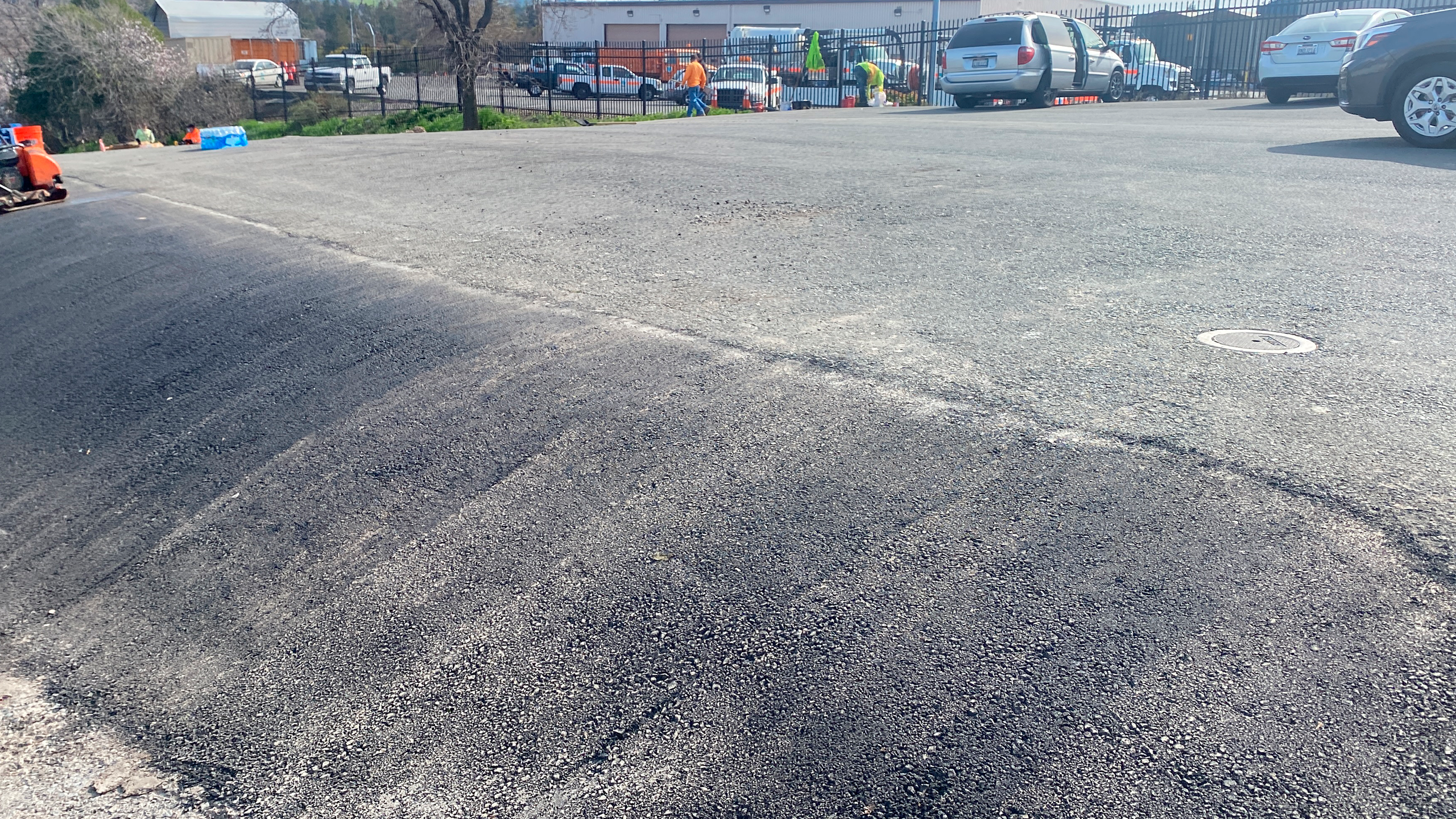
Crack sealing and minor asphalt repairs should be addressed as soon as they appear. Even small cracks allow water to penetrate the pavement and weaken the base below, accelerating deterioration and shortening the lifespan of the asphalt surface.

Your asphalt or concrete surface may look strong on day one but what happens beneath the surface determines how long it truly lasts. At We Love Paving, we’ve repaired thousands of parking lots, driveways, and walkways that failed not because of surface wear, but because of poor planning, shortcuts, or lack of maintenance.

In this blog, we’ll break down the top reasons why pavement fails and how you can prevent it with smart decisions and proactive care.


🧱 1. Poor Subgrade Preparation

The Problem:
Many paving failures begin with the soil underneath. If the subgrade isn’t properly compacted or contains unstable material (like clay or wet silt), it can shift or collapse over time.

The Result:

  • Surface cracking

  • Potholes

  • Settling and uneven areas

How to Prevent It:
At WLP, we begin every project with a soil evaluation. If needed, we improve the base with geotextiles, lime stabilization, or engineered fill—so your pavement has the strong foundation it needs.


💧 2. Inadequate Drainage

The Problem:
Water is pavement’s #1 enemy. Without proper grading and drainage, water seeps below the surface, erodes the base, and weakens the structure from the inside out.

The Result:

  • Alligator cracking

  • Sinkholes or edge collapse

  • Freeze-thaw damage in colder areas

How to Prevent It:
WLP designs drainage systems that move water away from your pavement, including:

  • Proper slope grading

  • Swales and trench drains

  • Edge protection

  • Seamless transitions between surfaces


🧱 3. Low-Quality Materials or Thin Application

The Problem:
Using low-grade asphalt or applying it too thin saves money up front—but reduces the lifespan dramatically.

The Result:

  • Surface degradation within 1–3 years

  • No resistance to vehicle load or weather

  • Frequent, expensive patching

How to Prevent It:
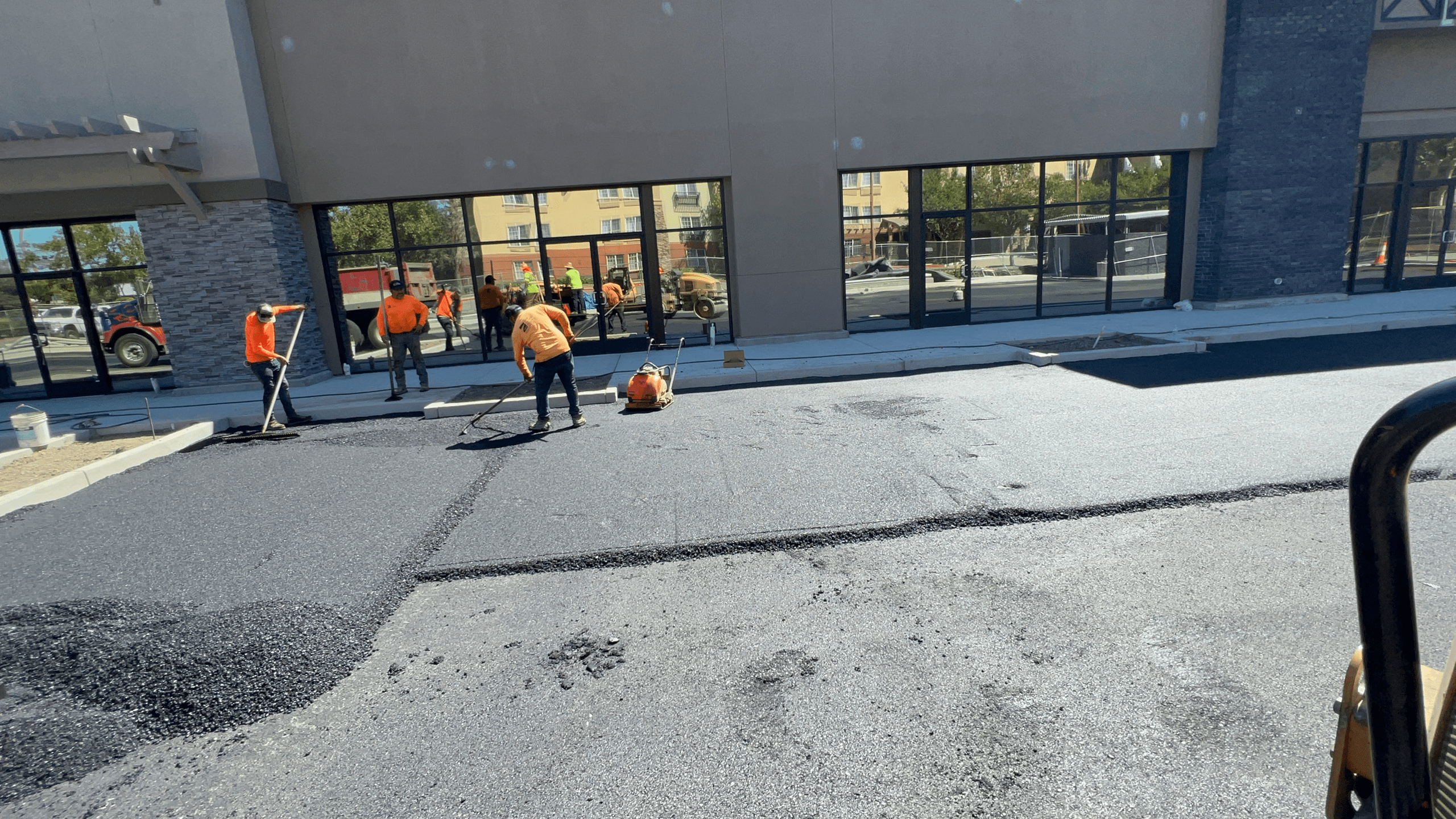
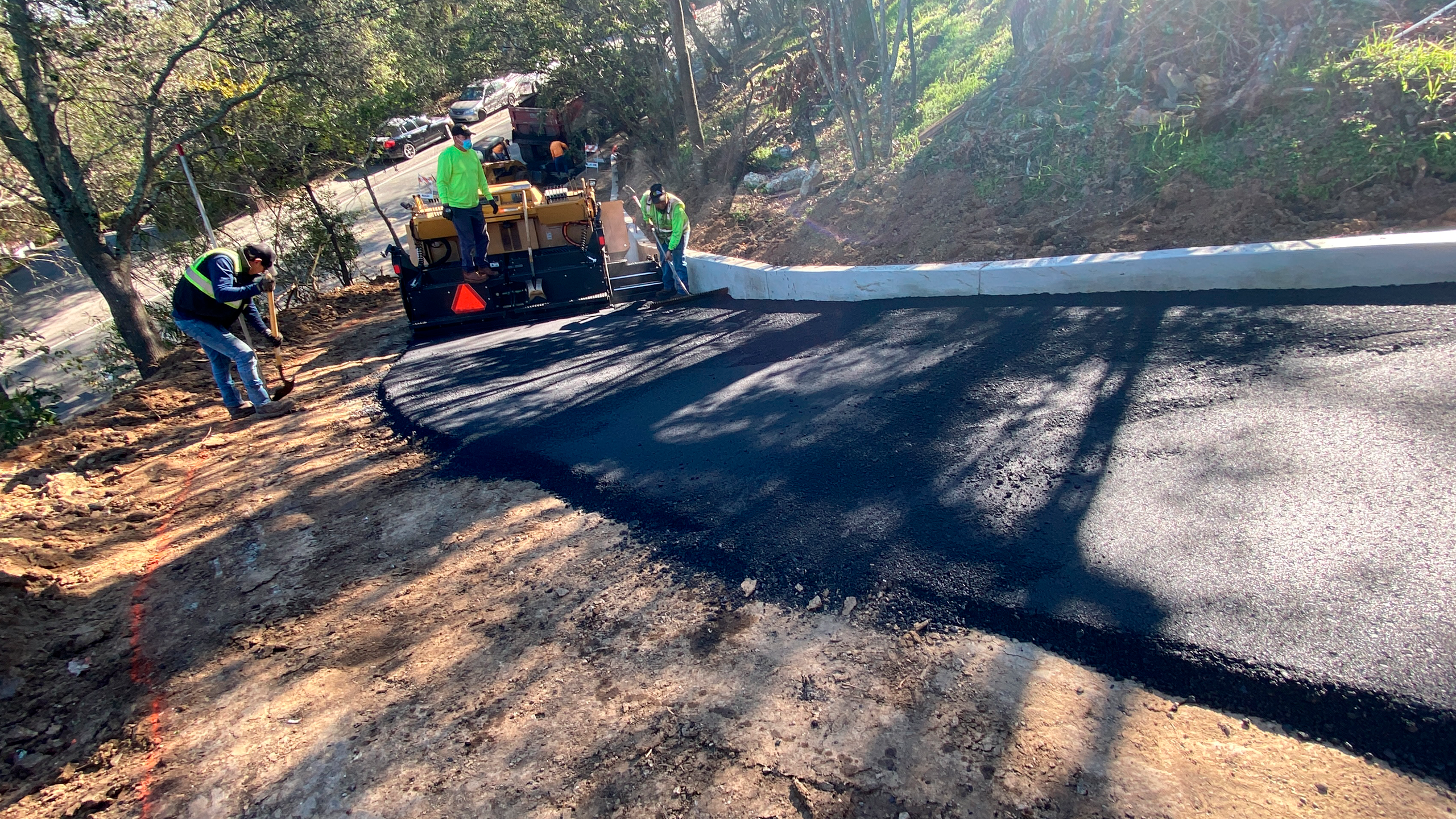
We use high-performance asphalt blends suited to your climate and load conditions, applied at proper thickness for long-term strength (typically 3″ to 6″ compacted in layers).


⚠️ 4. Ignoring Preventive Maintenance

The Problem:
Even the best pavement needs upkeep. Without sealcoating, crack sealing, and regular inspections, small issues grow unnoticed.

The Result:

  • Surface oxidation (gray, brittle look)

  • Water intrusion through cracks

  • Major repairs that could’ve been avoided

How to Prevent It:
WLP offers scheduled maintenance plans including:

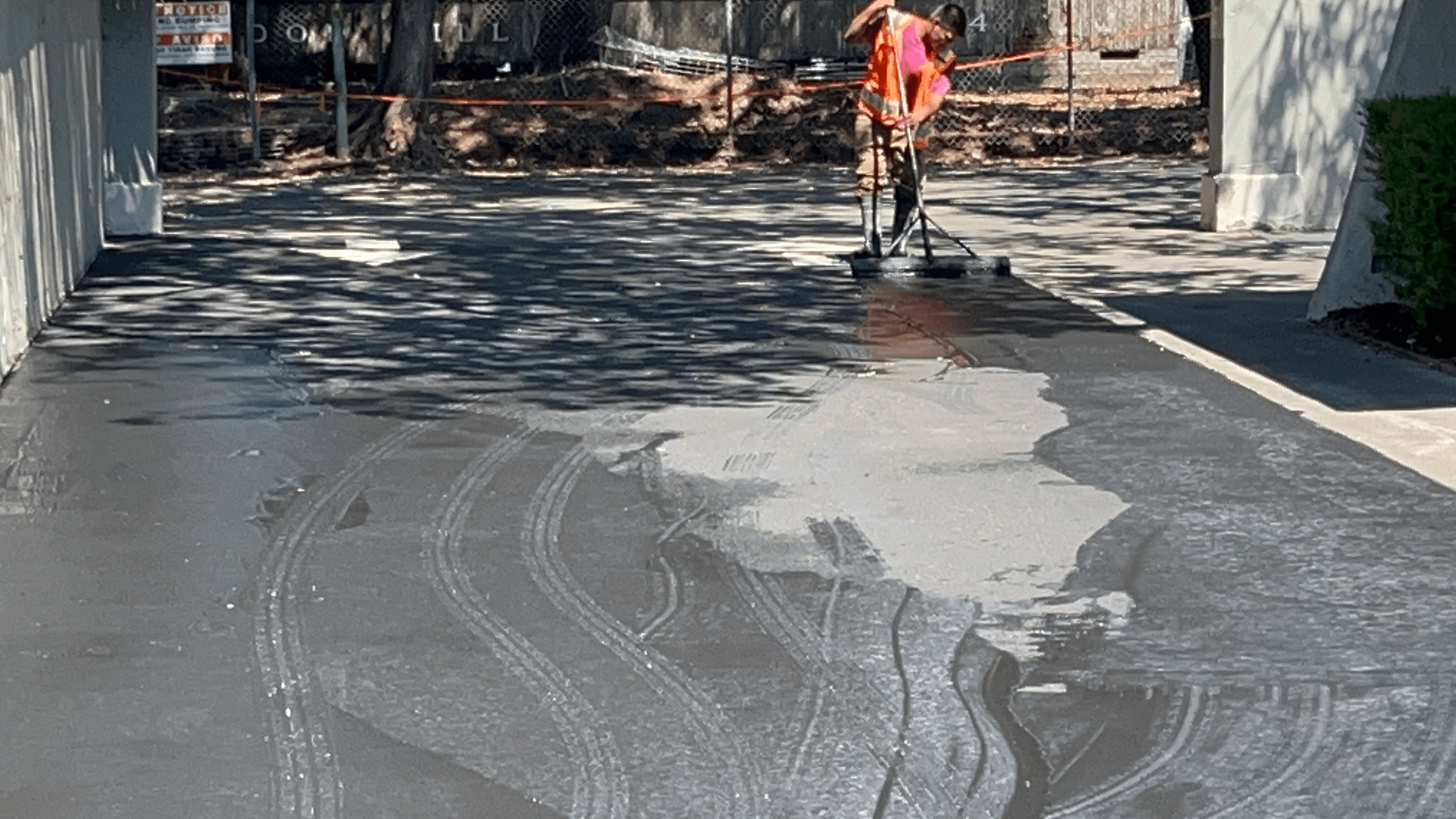
  • Sealcoating every 2–3 years

  • Crack sealing

  • Striping refresh

  • Surface inspections to catch problems early


♿ 5. Lack of ADA Planning or Compliance

The Problem:
ADA compliance isn’t just legal—it’s a structural consideration. Ramps, slopes, and transitions must be precise. If not, you risk violations or having to rip and replace.

The Result:

  • Lawsuits or fines

  • Forced reconstruction

  • Safety risks for users

How to Prevent It:
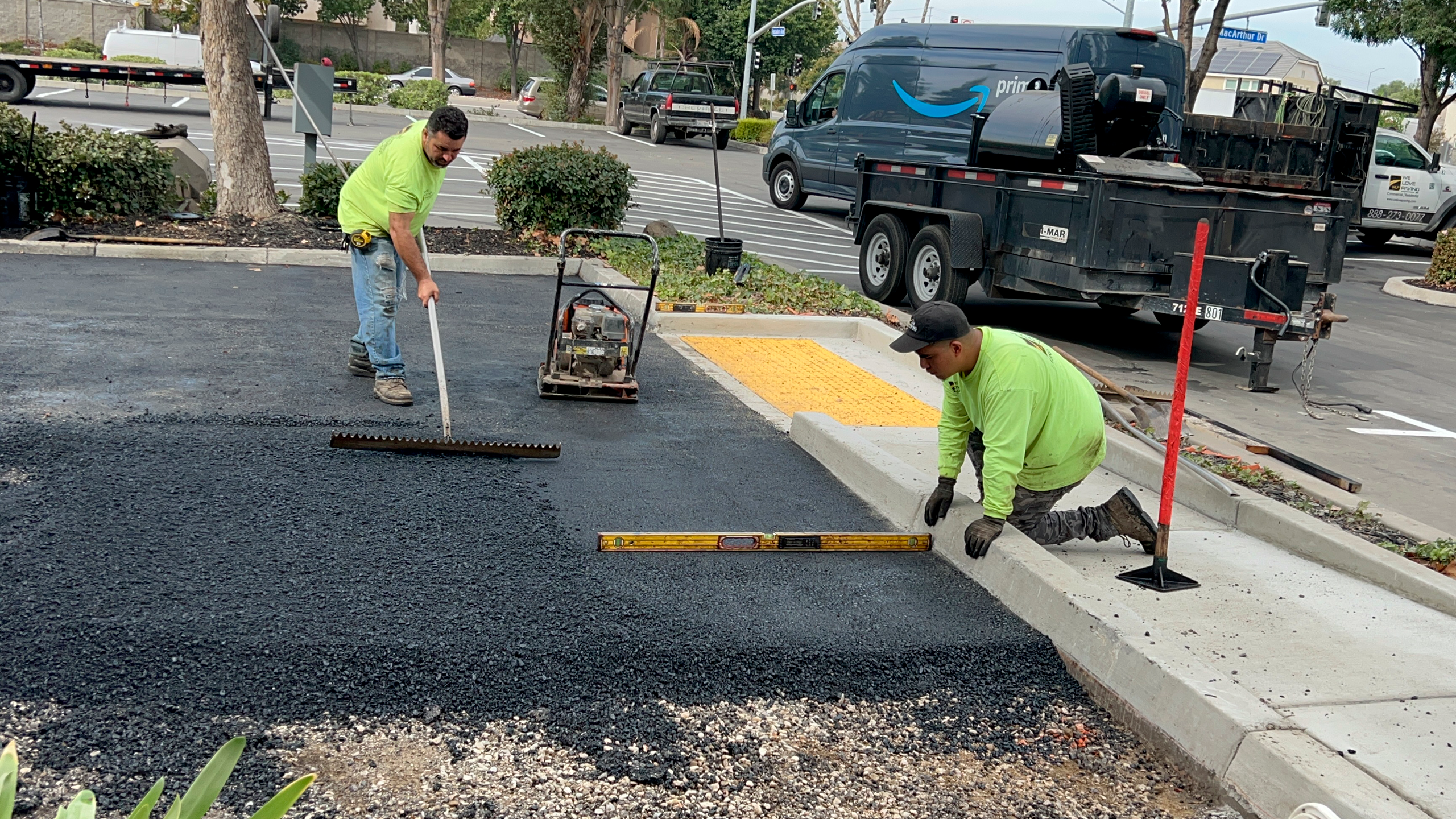
We design and install ADA-compliant layouts from the start, including:

  • Correct slope percentages

  • Truncated domes

  • Accessible parking, ramps, and walkways


🛠️ The WLP Approach: Build It Right, Maintain It Smart

At We Love Paving, we don’t believe in shortcuts. Our approach combines:

  • Engineering-grade preparation

  • Proper grading and drainage

  • Quality materials

  • ADA integration

  • Long-term maintenance planning

We’re here to help you avoid costly failures—and protect your property for years to come.

Consistent maintenance, timely repairs, and seasonal adjustments work together to extend the usable life of asphalt pavement, reduce long-term repair costs, and delay the need for full replacement.


📞 Need a Site Evaluation?

Let us inspect your lot, driveway, or job site. We’ll show you what’s working, what’s not, and how to prevent failure before it happens.

👉 Call (888) 273-0077 or request a free estimate at welovepaving.com

Share

WHO IS FRED?

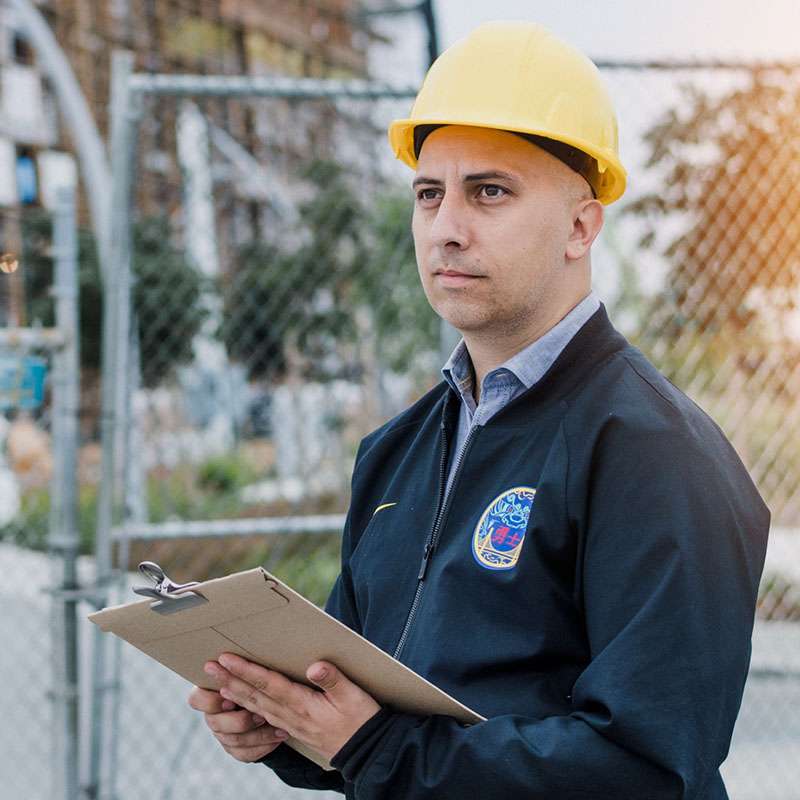
Fred, Regional Operations Manager, comes from a family of immigrant roots and a story built on sacrifice, discipline, and hard work. Growing up, Fred watched his parents work long hours and weekends to create a better future teaching him the values of perseverance, determination, and doing things the right way every single time.
We Love Paving began with Fred’s father, who started doing what he knew best: paving. Over the years, he built experience alongside respected professionals in the industry, refining his methods and developing a reputation for quality work that speaks for itself. As his clientele grew, so did the vision one built not only on skill, but on integrity and pride in every job.

Posts that might interest you

How Long Should an Asphalt Driveway Last Before Cracking?

How Long Should an Asphalt Driveway Last Before Cracking?

July 5, 2024

When investing in an asphalt driveway, homeowners often wonder about its longevity and durability. Asphalt driveways are popular due to their affordability, aesthetic appeal, and resilience. However, like any material, asphalt is not immune to wear and tear, and over time, cracking can occur. This article explores the lifespan of asphalt driveways before cracking, with

What Temperature Should Asphalt Be Between Lifts? Insights from Sacramento, California

What Temperature Should Asphalt Be Between Lifts? Insights from Sacramento, California

July 5, 2024

Asphalt paving is a precise and methodical process where temperature plays a critical role in ensuring the durability and quality of the pavement. This is particularly true for the placement of multiple lifts or layers of asphalt. In Sacramento, California, with its distinctive climate, understanding the optimal temperature for asphalt between lifts is essential for

How Long Does an Asphalt Overlay Last? A Focus on Sacramento, California

How Long Does an Asphalt Overlay Last? A Focus on Sacramento, California

July 4, 2024

Asphalt overlays are a crucial component of road maintenance and construction, offering a cost-effective solution for renewing and extending the life of existing pavements. In Sacramento, California, where urban expansion and infrastructural development are ongoing, understanding the longevity of asphalt overlays is vital for city planners, construction companies, and residents. This article delves into the

How Much Asphalt Can Be Laid in a Day?

How Much Asphalt Can Be Laid in a Day?

July 3, 2024

Asphalt paving is a critical component of many construction projects, from residential driveways to major highways. One of the most important considerations for project managers and homeowners alike is understanding how much asphalt can be laid in a day. This not only impacts the timeline of a project but also its overall cost and logistical

How Steep Can an Asphalt Driveway Be?

How Steep Can an Asphalt Driveway Be?

July 3, 2024

Asphalt driveways are a popular choice for homeowners due to their durability, cost-effectiveness, and ease of installation. However, one critical factor to consider when planning an asphalt driveway is its slope. The steepness of a driveway can significantly impact its functionality, safety, and longevity. In this article, we will explore how steep an asphalt driveway

What is the Life Expectancy of Asphalt Paving in Sacramento, California?

What is the Life Expectancy of Asphalt Paving in Sacramento, California?

July 2, 2024

Asphalt paving is a critical component of urban infrastructure, serving as the backbone of city streets, highways, and parking lots. Its durability, cost-effectiveness, and ease of maintenance make it a popular choice for municipalities worldwide. In Sacramento, California, where urban development and traffic demand are continually increasing, understanding the life expectancy of asphalt paving is

What is the Minimum Thickness of Asphalt Pavement?

What is the Minimum Thickness of Asphalt Pavement?

July 2, 2024

The minimum thickness for asphalt pavement depends on the project: residential driveways require at least 2 inches, while commercial parking lots often start at 4 inches for durability. Factors Influencing Asphalt Pavement Thickness Traffic Load: The volume and weight of traffic that the pavement will support is a primary consideration. Heavier loads, such as those

What is the Tolerance for Asphalt Thickness?

What is the Tolerance for Asphalt Thickness?

July 1, 2024

Asphalt pavement quality is crucial for the longevity and durability of roads, driveways, and parking lots. One key aspect that affects the performance of asphalt surfaces is the thickness tolerance. This detailed guide will explore the importance of asphalt thickness tolerance, the factors that influence it, measurement techniques, and best practices for maintaining accurate thickness

What is the Best Quality Asphalt for Driveways?

What is the Best Quality Asphalt for Driveways?

June 28, 2024

Choosing the best quality asphalt for your driveway is essential to ensure durability, aesthetic appeal, and cost-effectiveness. This guide explores the types of asphalt, their benefits, and how to select the best option for your driveway needs. Understanding Asphalt Factors to Consider When Choosing Asphalt Types of Asphalt for Driveways Comparing Asphalt to Other Materials

How Thick Should Asphalt Paving Be?

How Thick Should Asphalt Paving Be?

June 28, 2024

Choosing the right thickness for asphalt paving is crucial for the longevity and durability of the surface, whether it’s a driveway, parking lot, or roadway. The thickness of asphalt paving affects its ability to withstand traffic loads, weather conditions, and overall wear and tear. This article will explore the factors influencing asphalt thickness and provide

Previous Next