The Americans with Disabilities Act (ADA) is a landmark piece of legislation designed to ensure that individuals with disabilities have equal access to public spaces, businesses, and facilities. For construction projects, adhering to ADA guidelines is not just a legal obligation but a demonstration of inclusivity and forward-thinking design. Failing to comply can lead to costly lawsuits, fines, and damage to your business’s reputation. In this blog, we’ll break down the key steps to ensure your construction projects meet ADA requirements and how partnering with experts like WELOVEPAVING can make compliance seamless.
What is ADA Compliance in Construction?
ADA compliance in construction means designing and building spaces that are accessible to everyone, including individuals with mobility challenges, visual impairments, or other disabilities. This involves adhering to specific guidelines set by the ADA Standards for Accessible Design, covering aspects such as:
-
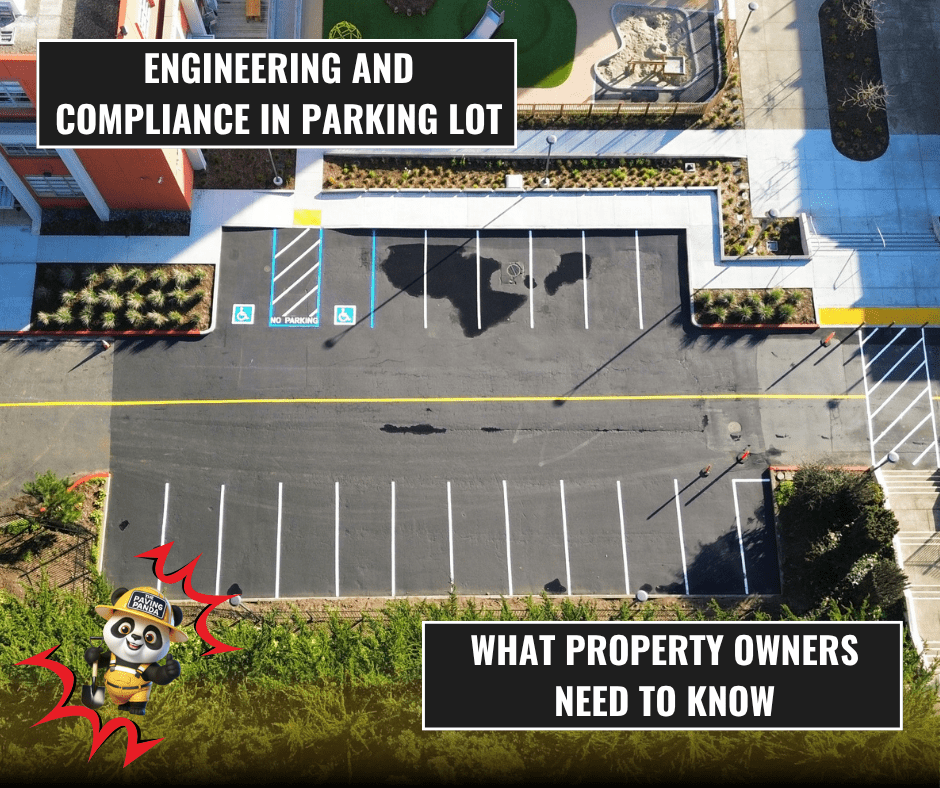
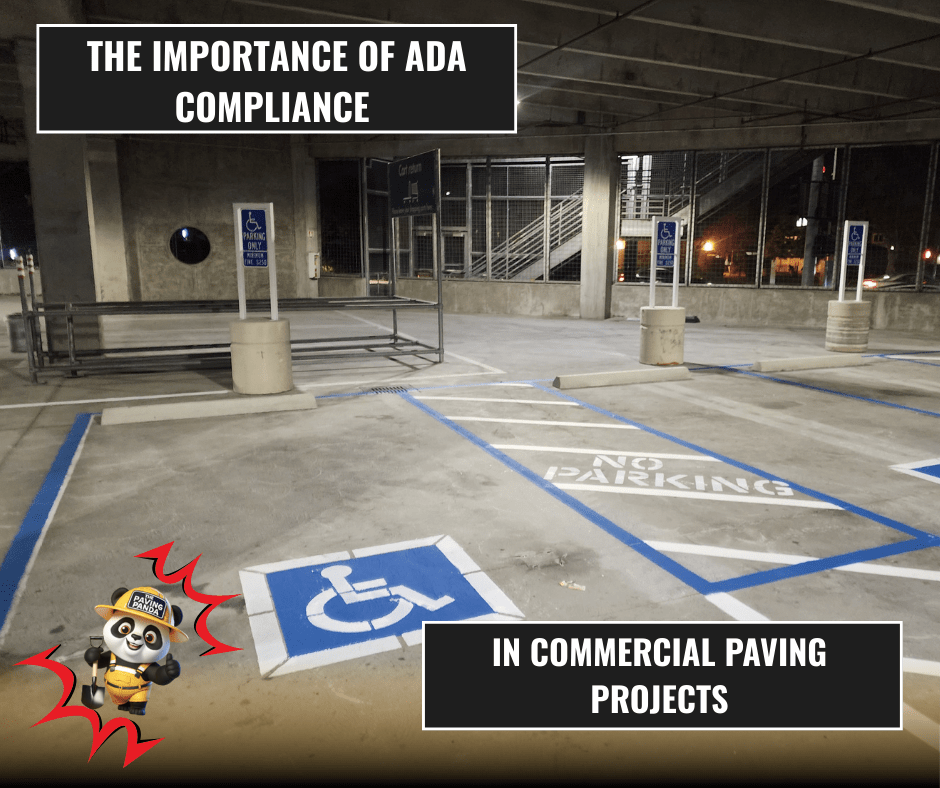
Parking lots: Accessible parking spaces, proper signage, and compliant slopes.
-
Ramps and pathways: Appropriate width, gradient, and handrails for ease of access.
-
Restrooms: Features like grab bars, accessible sinks, and appropriate stall sizes.
-
Entrances and doorways: Ensuring they are wide enough and free of barriers.
Key Steps to Ensure ADA Compliance
-
Understand ADA Standards Early Incorporate ADA guidelines into your project planning phase. Familiarize yourself with local and federal regulations to ensure compliance from the start. Common resources include the ADA Standards for Accessible Design and local building codes.
-
Conduct a Site Assessment Before starting any construction or renovation project, perform a thorough assessment of the site to identify potential accessibility issues. This helps prioritize upgrades and ensures your design aligns with ADA requirements.
-
Design for Accessibility Collaborate with architects and engineers who have experience with ADA compliance. Include features like accessible parking spaces, smooth pathways, and compliant entry points in your plans.
-
Hire Specialists in ADA Compliance Partnering with professionals who specialize in ADA compliance, such as WELOVEPAVING, ensures every aspect of your project meets the required standards. From paving and seal coating to creating accessible pathways, experienced contractors understand the nuances of compliance.
-
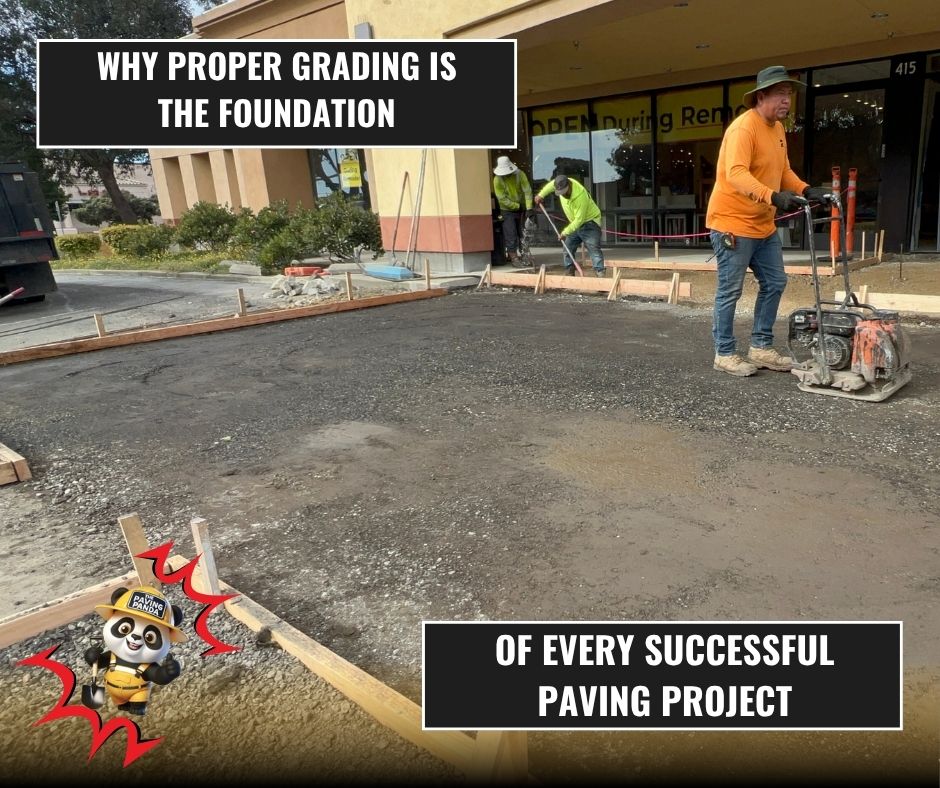
Use Quality Materials High-quality materials can make a significant difference in maintaining ADA compliance over time. For example, durable paving materials reduce the risk of cracks or uneven surfaces that could create accessibility issues.
-
Train Your Team Ensure that everyone involved in the construction process understands ADA requirements. Regular training sessions can help avoid costly mistakes during implementation.
-
Conduct Final Inspections Before opening your facility, conduct a thorough inspection to verify compliance. This step can prevent costly retrofits and ensure your project passes accessibility audits.
Common ADA Mistakes to Avoid
-
Improper Slopes in Parking Lots: Slopes exceeding 2% can make spaces inaccessible for wheelchair users.
-
Missing or Incorrect Signage: Lack of proper signage for accessible parking or pathways can lead to non-compliance.
-
Narrow Doorways: Doors less than 32 inches wide can hinder accessibility.
-
Non-Compliant Ramps: Ramps with steep gradients or no handrails fail to meet ADA standards.
Benefits of ADA Compliance
-
Legal Protection: Avoid lawsuits and fines by adhering to the law.
-
Broader Customer Base: Accessible spaces attract more customers, including individuals with disabilities and their families.
-
Enhanced Reputation: Demonstrating a commitment to inclusivity can boost your business’s public image.
How WELOVEPAVING Can Help
At WELOVEPAVING, we specialize in helping businesses and property owners achieve full ADA compliance. Our services include:
-
Designing and implementing accessible parking lots and pathways.
-
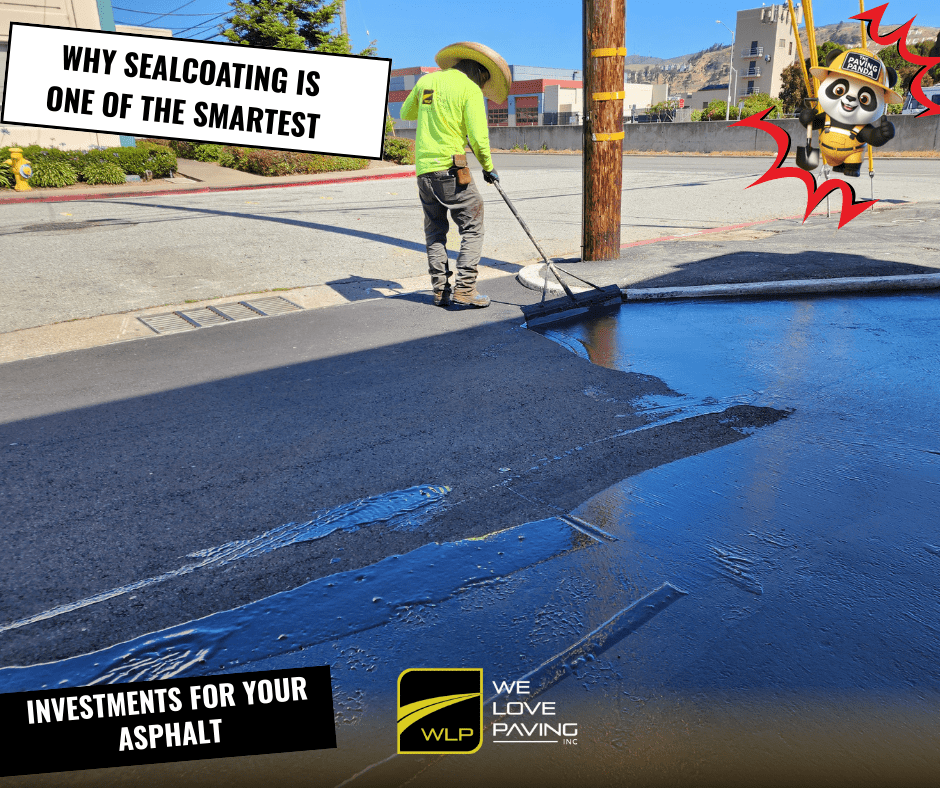
Seal coating to maintain smooth and compliant surfaces.
-
Addressing non-compliance issues with expert-driven solutions.
By choosing WELOVEPAVING, you’re not only ensuring ADA compliance but also creating a safer and more welcoming environment for everyone.
Conclusion
ADA compliance is essential for any construction project. By understanding the standards, planning accordingly, and partnering with experienced professionals, you can ensure your projects are accessible and inclusive. If you’re ready to make your property ADA compliant, contact WELOVEPAVING today and take the first step toward accessibility and success.