Asphalt driveways are a popular choice for homeowners due to their durability, cost-effectiveness, and ease of installation. However, one critical factor to consider when planning an asphalt driveway is its slope. The steepness of a driveway can significantly impact its functionality, safety, and longevity. In this article, we will explore how steep an asphalt driveway can be, the factors that influence this steepness, and practical considerations for homeowners and contractors.
Understanding Driveway Slope
The slope of a driveway is typically expressed as a percentage or ratio, representing the vertical rise over a horizontal distance. For example, a 10% slope means the driveway rises 10 feet for every 100 feet of horizontal distance. The slope is a crucial consideration in driveway design as it affects water drainage, vehicle traction, and ease of use.
Recommended Maximum Slope for Asphalt Driveways
The recommended maximum slope for residential asphalt driveways is generally around 15% (or a ratio of 15:100). However, this recommendation can vary based on local building codes, climate conditions, and specific site requirements. Here’s a closer look at the factors influencing the recommended slope:
- Local Building Codes and Regulations: Different municipalities have specific regulations regarding driveway slopes to ensure safety and functionality. It is essential to check with local authorities for the exact requirements in your area.
- Climate and Weather Conditions: In regions with heavy snowfall or frequent rain, a gentler slope is often preferred to prevent issues with water runoff and ice formation. Steep driveways in such areas can become hazardous during winter or rainy seasons.
- Soil and Subgrade Conditions: The stability and drainage properties of the soil and subgrade beneath the driveway can affect the maximum slope. Poor drainage or unstable soil may necessitate a gentler slope to prevent erosion and structural issues.
- Driveway Usage and Vehicle Types: The types of vehicles using the driveway can influence the slope. For instance, larger vehicles and trucks may require a gentler slope for easy access, while smaller cars may manage steeper inclines.
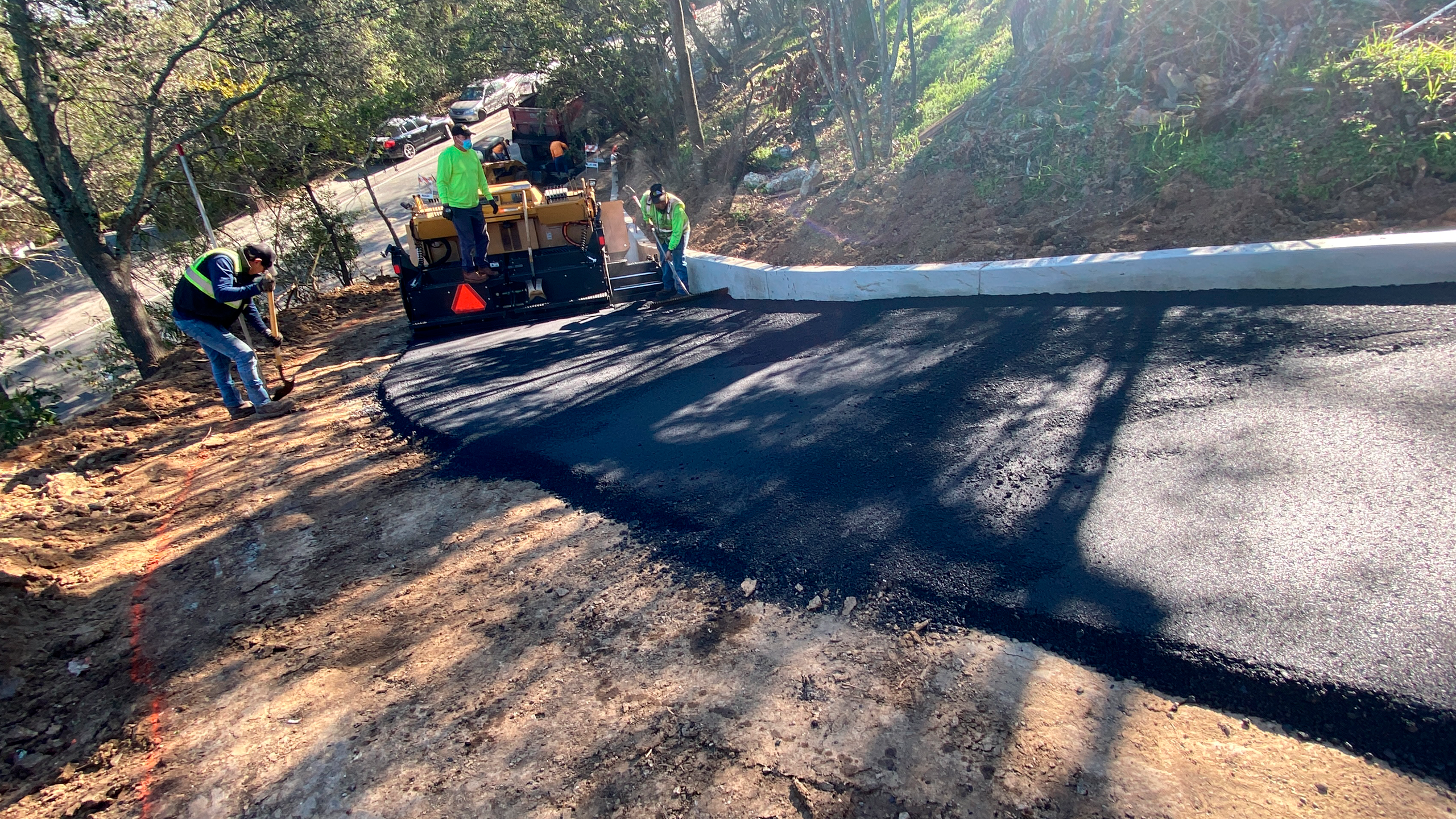
- Driveway Length and Design: Longer driveways can often accommodate steeper slopes more effectively than shorter ones. Additionally, incorporating curves or switchbacks can help manage steeper grades by breaking them into more manageable sections.
Practical Considerations for Steeper Driveways
While a slope of up to 15% is generally acceptable, there are practical considerations to keep in mind when designing and maintaining a steeper asphalt driveway:
- Traction and Safety: Steeper driveways can pose traction challenges, especially during wet or icy conditions. Installing textured or grooved asphalt can help improve traction and reduce the risk of slipping.
- Water Drainage and Erosion Control: Effective drainage is crucial for preventing water accumulation and erosion on steep driveways. Installing proper drainage systems, such as French drains, and using erosion control measures, like retaining walls and gravel beds, can help manage water runoff.
- Maintenance Requirements: Steeper driveways may require more frequent maintenance to address issues like cracking, potholes, and drainage problems. Regular sealing and timely repairs are essential to maintain the driveway’s integrity and longevity.
- Access and Maneuverability: Ensure that the driveway design allows for easy access and maneuverability for vehicles. Consider the turning radius, visibility, and any potential obstacles when planning the layout.
- Snow and Ice Management: In colder climates, managing snow and ice on a steep driveway can be challenging. Homeowners may need to invest in snow removal equipment, such as snow blowers or heated driveway systems, to keep the surface clear and safe.
Case Studies and Real-World Examples
To illustrate the practical application of these principles, let’s look at a few real-world examples of steep asphalt driveways:
- Mountainous Terrain Driveway: In hilly or mountainous regions, steep driveways are common. One example is a driveway in Colorado, where the slope exceeds 20%. To manage this steepness, the homeowner installed a switchback design with multiple curves to reduce the overall grade. Additionally, a heated driveway system was implemented to prevent ice buildup during winter.
- Urban Residential Driveway: In urban areas with limited space, steep driveways are sometimes unavoidable. A homeowner in San Francisco faced a 25% slope for their driveway. To address this, they used a combination of textured asphalt and an automated drainage system to manage water runoff effectively. Regular maintenance, including sealing and crack repair, ensured the driveway remained in good condition.
- Rural Property Driveway: On a rural property in Pennsylvania, a 15% slope driveway was constructed with careful attention to soil stabilization and drainage. The contractor installed a series of culverts and retaining walls to manage water flow and prevent erosion. The use of high-quality asphalt mix and proper compaction techniques ensured the driveway’s durability.
Conclusion
The steepness of an asphalt driveway is a critical factor that affects its functionality, safety, and maintenance requirements. While a maximum slope of 15% is generally recommended for residential driveways, various factors, including local regulations, climate conditions, and specific site characteristics, can influence this guideline. Homeowners and contractors must consider these factors and implement appropriate design and maintenance practices to ensure a safe and durable driveway.