How Much Asphalt Can Be Laid in a Day?

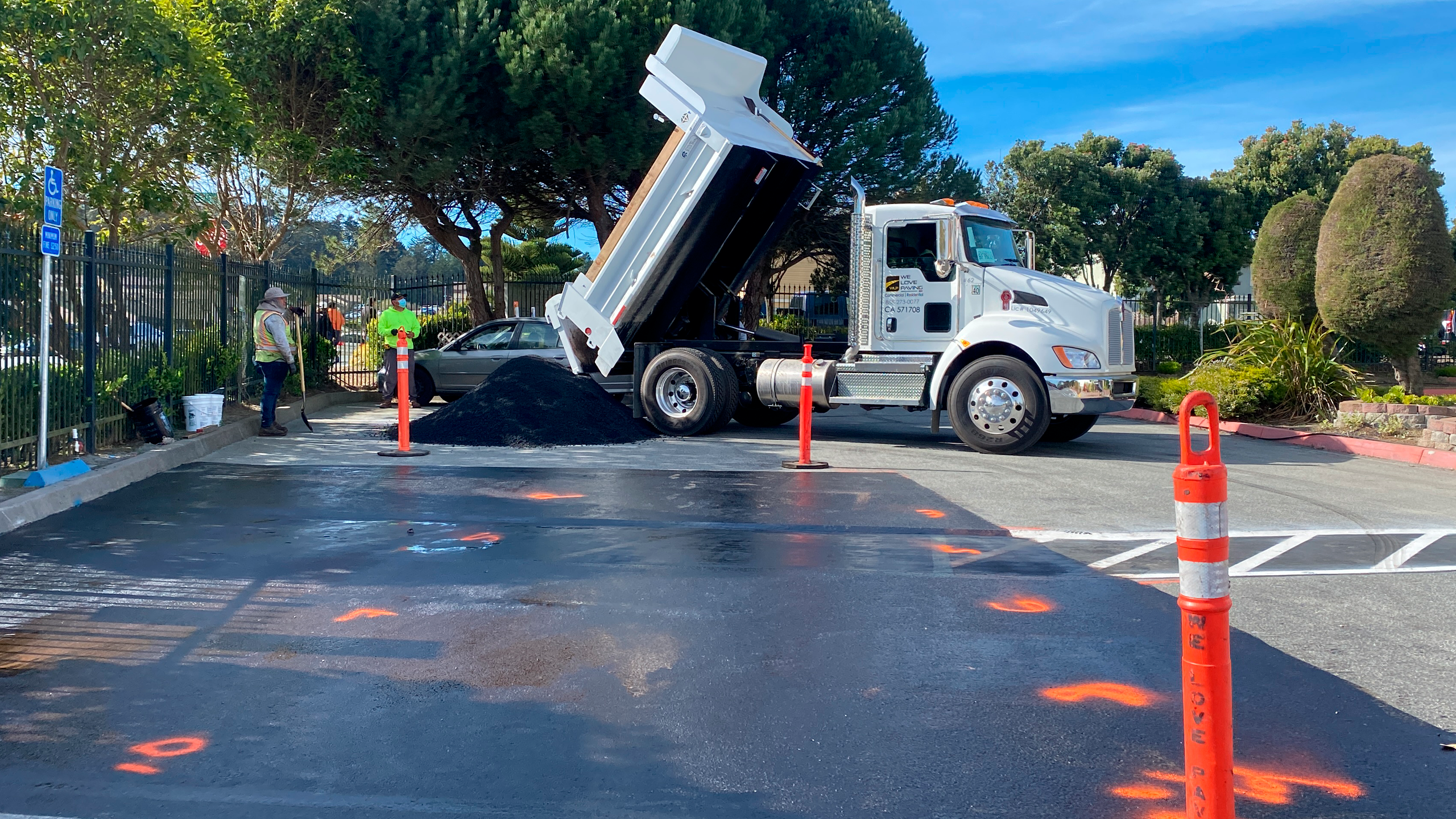
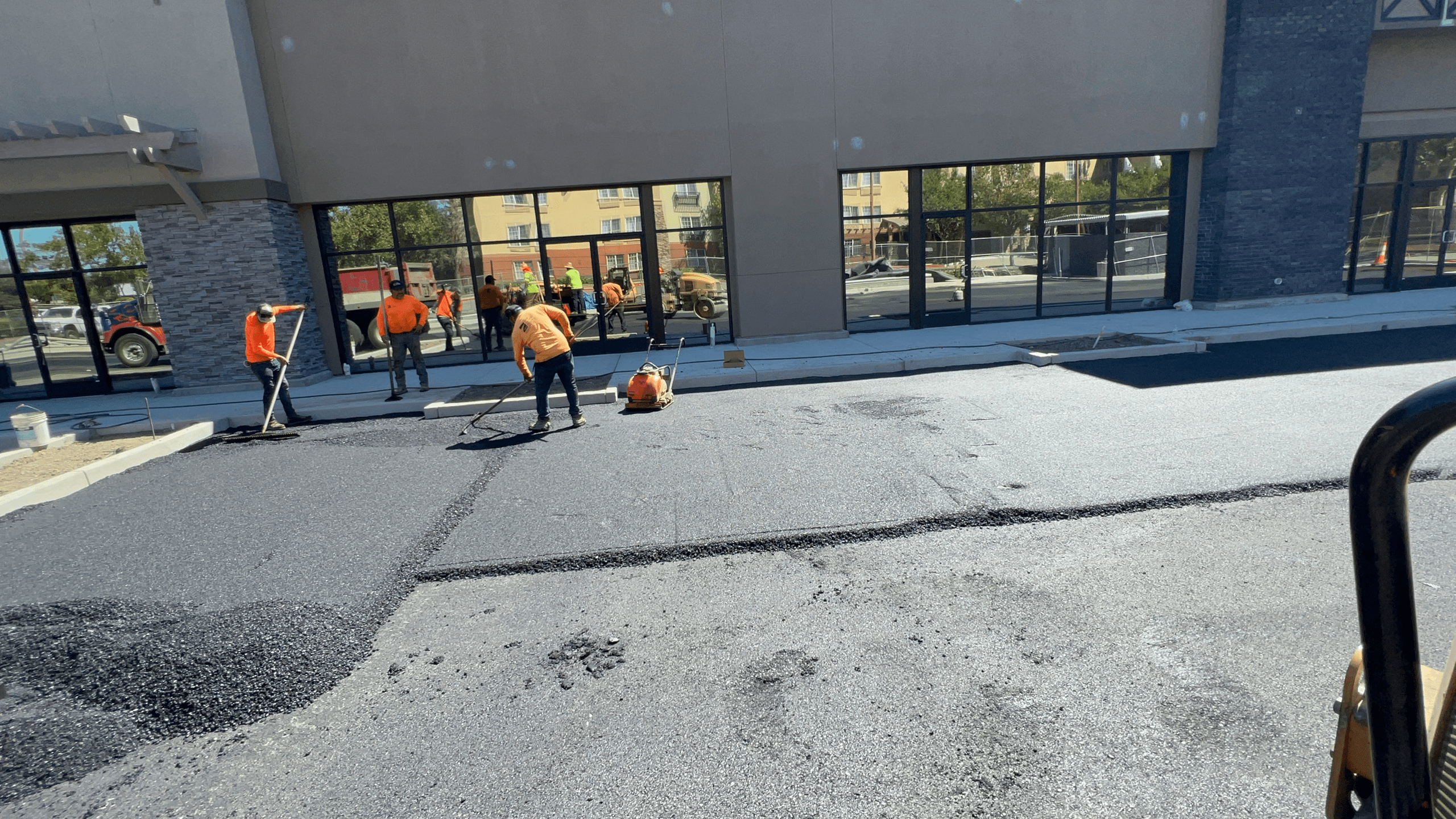
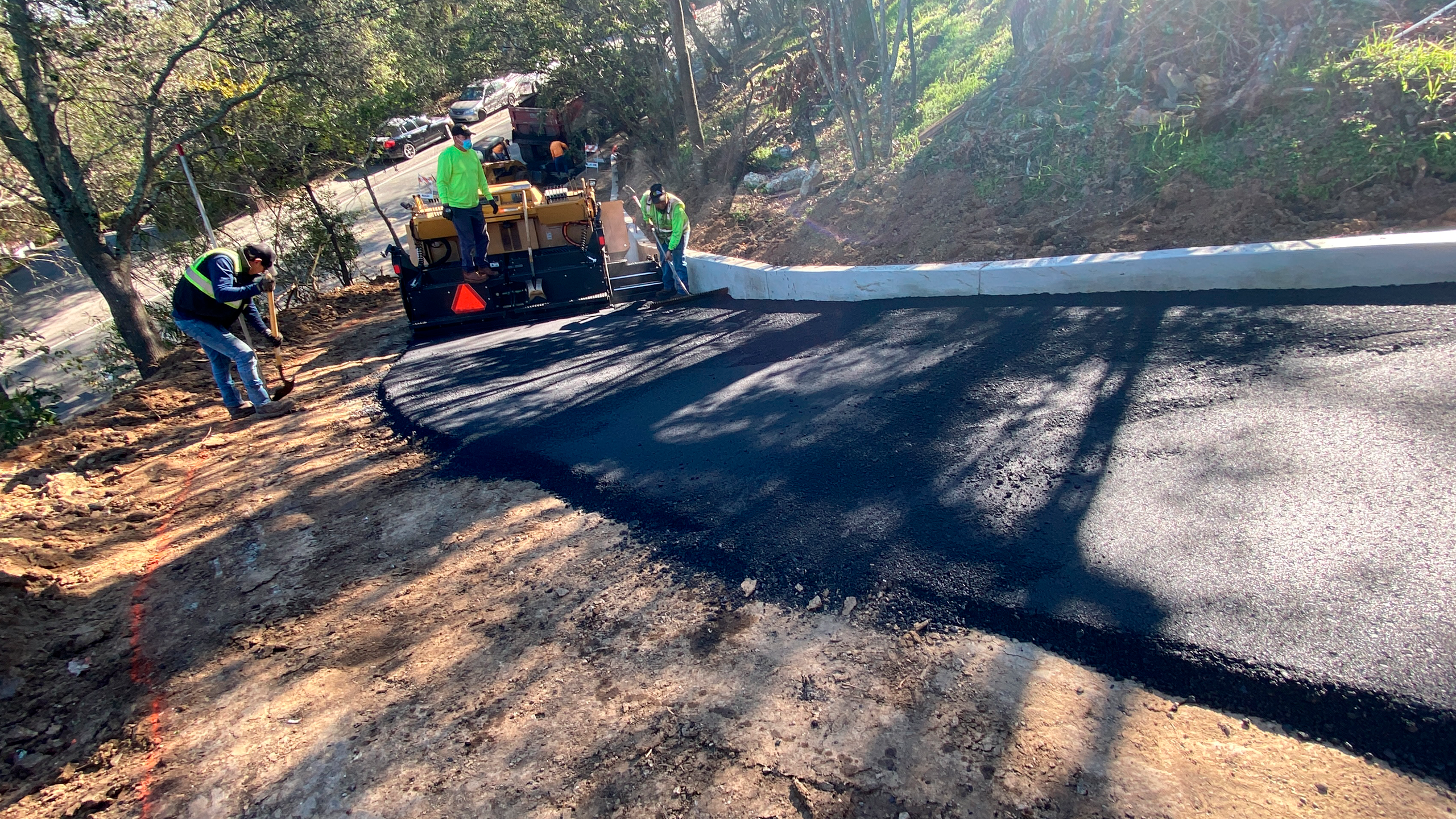
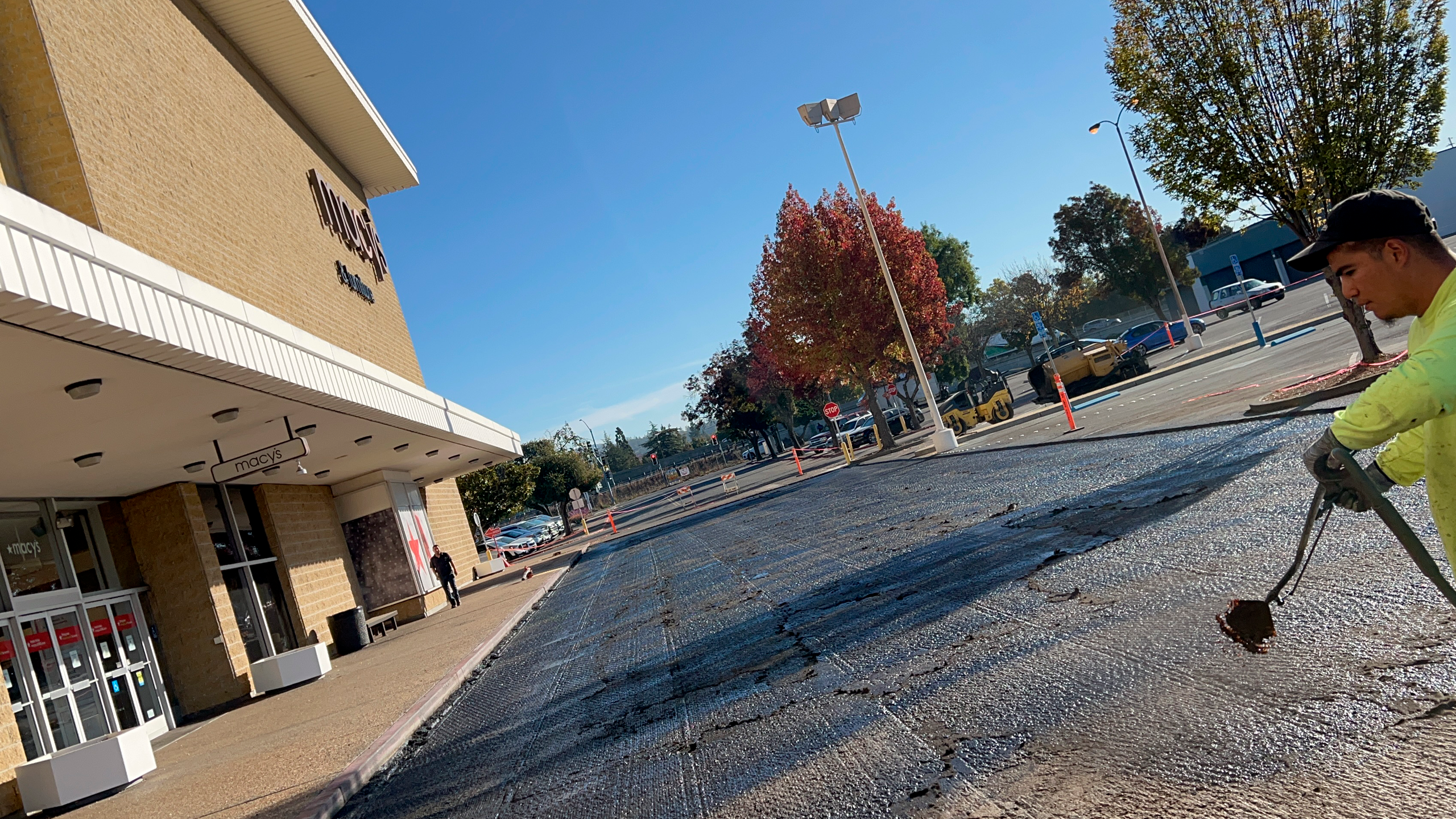
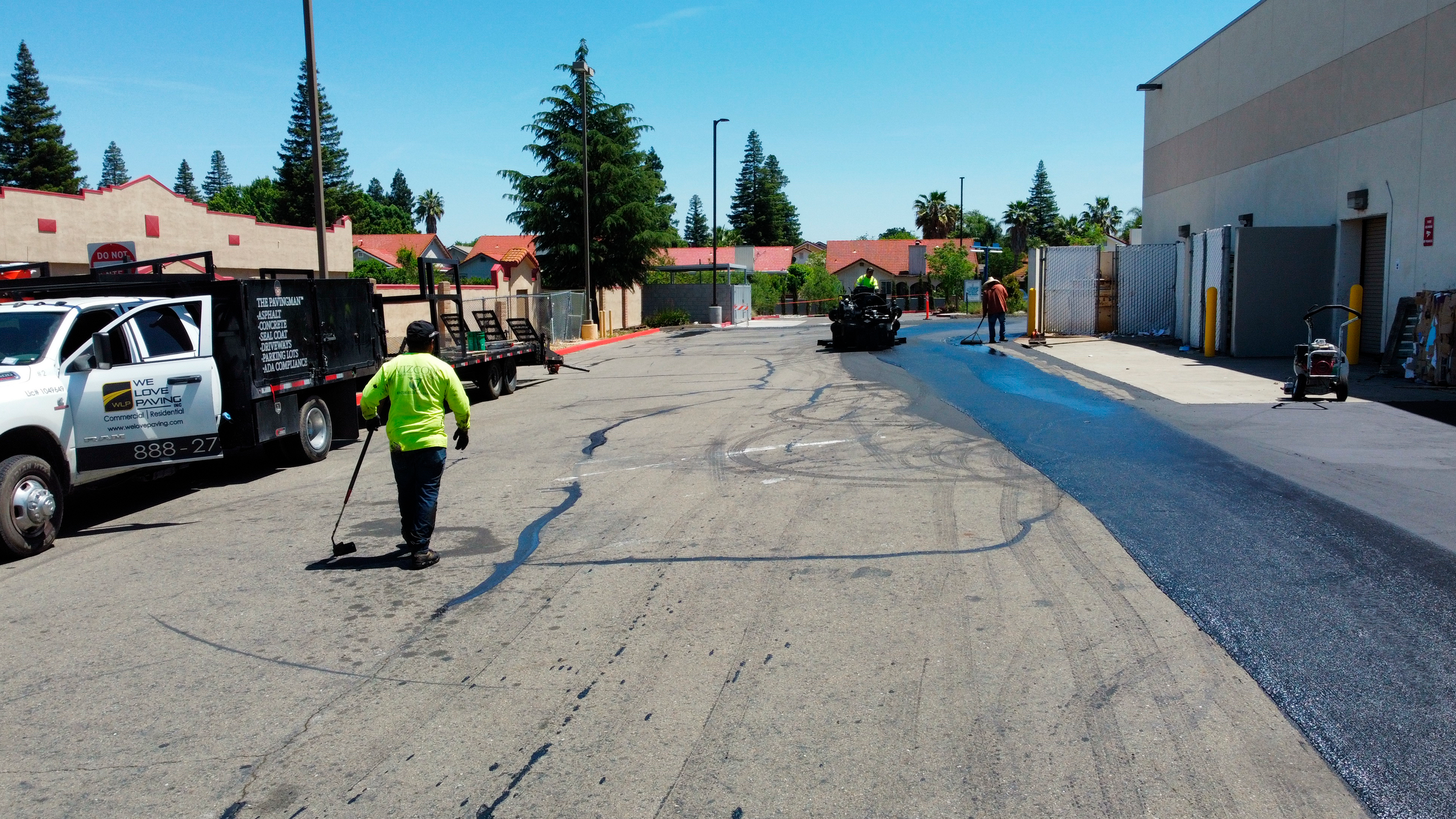
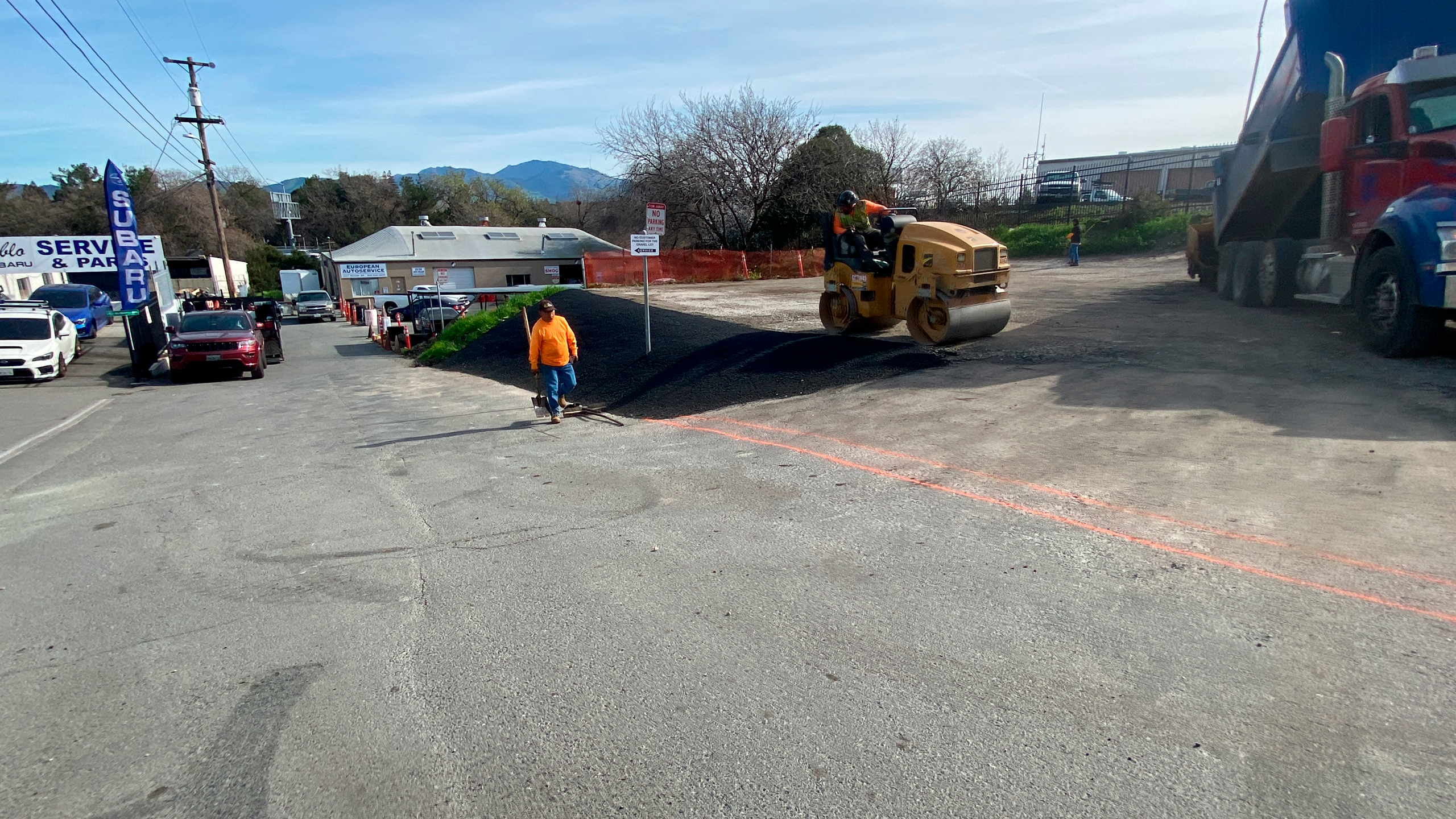
Asphalt paving is a critical component of many construction projects, from residential driveways to major highways. One of the most important considerations for project managers and homeowners alike is understanding how much asphalt can be laid in a day. This not only impacts the timeline of a project but also its overall cost and logistical planning. In this comprehensive guide, we will delve into the factors that influence asphalt paving productivity, with a particular focus on the unique conditions and considerations in Sacramento, California.

Understanding Asphalt Paving Productivity

The amount of asphalt that can be laid in a day depends on several key factors, including:

  1. Type of Project
    • Residential Driveways: Smaller-scale projects such as residential driveways typically see lower daily production rates compared to larger commercial or public projects.
    • Roads and Highways: Larger projects benefit from economies of scale, allowing for higher daily production rates.
  2. Crew Size and Equipment
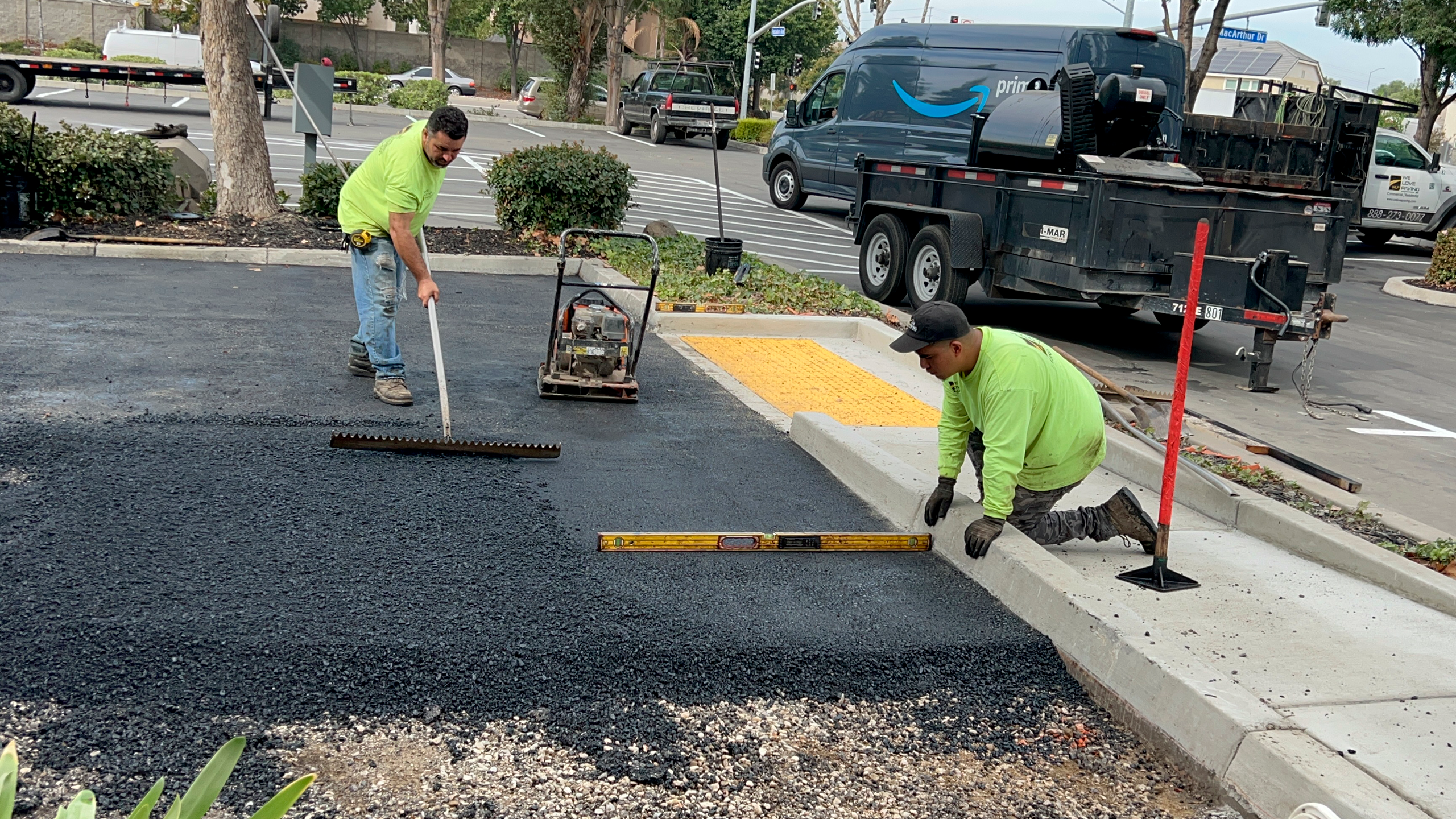
    • Crew Size: The number of workers on a paving crew can significantly impact productivity. A larger, well-coordinated crew can accomplish more in a day.
    • Equipment: The availability and condition of paving equipment, such as pavers, rollers, and trucks, play a crucial role in the amount of asphalt that can be laid.
  3. Weather Conditions
    • Temperature: Asphalt must be laid at certain temperatures to ensure proper compaction and durability. Extreme heat or cold can slow down or halt operations.
    • Rainfall: Rain can cause delays in paving, as wet conditions can affect the quality of the asphalt surface.
  4. Site Preparation
    • Proper site preparation, including grading and base work, is essential for efficient asphalt laying. Inadequate preparation can lead to delays and reduced productivity.
  5. Type of Asphalt
    • Different types of asphalt, such as Hot Mix Asphalt (HMA) and Warm Mix Asphalt (WMA), have varying workability and compaction requirements, affecting the pace of laying.

Asphalt Paving Productivity in Sacramento, California

Sacramento presents unique conditions and challenges for asphalt paving. Here are some specific considerations for this region:

  1. Climate
    • Temperature: Sacramento experiences hot summers with temperatures often exceeding 90°F. This can impact the workability of asphalt and require crews to start early in the morning or work late into the evening to avoid the peak heat.
    • Rainfall: While Sacramento has a relatively dry climate, the rainy season typically occurs from November to March. This can limit paving operations during these months.
  2. Regulations and Standards
    • Sacramento adheres to California state regulations and standards for asphalt paving. This includes environmental regulations aimed at reducing emissions and promoting sustainability, such as the use of Warm Mix Asphalt (WMA).
  3. Traffic Management
    • In urban areas like Sacramento, managing traffic flow during paving operations is crucial. Proper planning and coordination with local authorities can help minimize disruptions and maintain productivity.

Typical Productivity Rates

On average, a professional asphalt paving crew can lay between 2,000 to 4,000 square yards of asphalt in a day for larger projects like roads and highways. For smaller projects like residential driveways, the daily output may range from 1,000 to 2,000 square yards. These figures can vary based on the factors mentioned earlier.

Case Study: Paving a Residential Driveway in Sacramento

Let’s consider a hypothetical case study of paving a residential driveway in Sacramento to illustrate the productivity rates and considerations:

  1. Project Scope
    • A standard residential driveway of approximately 2,000 square feet.
  2. Crew Size and Equipment
    • A crew of 5 workers with a paver, roller, and 2 trucks.
  3. Weather Conditions
    • Paving scheduled for early summer to avoid the peak heat.
  4. Site Preparation
    • Proper grading and base work completed prior to asphalt laying.
  5. Type of Asphalt
    • Hot Mix Asphalt (HMA) chosen for its durability and performance in Sacramento’s climate.

Given these conditions, the crew can efficiently lay the asphalt within a single day, ensuring proper compaction and a high-quality finish.

Tips for Maximizing Asphalt Paving Productivity

  1. Plan Ahead
    • Schedule paving operations during favorable weather conditions to avoid delays and ensure optimal asphalt performance.
  2. Invest in Quality Equipment
    • Maintain and upgrade paving equipment to ensure efficient and reliable operations.
  3. Coordinate with Local Authorities
    • Work closely with local authorities to manage traffic and obtain necessary permits, minimizing disruptions and delays.
  4. Hire Experienced Contractors
    • Choose contractors with a proven track record in asphalt paving to ensure high productivity and quality workmanship.
  5. Regular Maintenance
    • Regularly maintain paved surfaces to extend their lifespan and avoid costly repairs. This includes sealing cracks and addressing minor damages promptly.

Conclusion

Understanding how much asphalt can be laid in a day is essential for effective project planning and execution. In Sacramento, factors such as climate, regulations, and traffic management play a significant role in determining asphalt paving productivity. By considering these factors and implementing best practices, you can ensure a successful asphalt paving project that meets your timeline and quality expectations.

Share

WHO IS FRED?

Fred, Regional Operations Manager, comes from a family of immigrant roots and a story built on sacrifice, discipline, and hard work. Growing up, Fred watched his parents work long hours and weekends to create a better future teaching him the values of perseverance, determination, and doing things the right way every single time.
We Love Paving began with Fred’s father, who started doing what he knew best: paving. Over the years, he built experience alongside respected professionals in the industry, refining his methods and developing a reputation for quality work that speaks for itself. As his clientele grew, so did the vision one built not only on skill, but on integrity and pride in every job.

Posts that might interest you

How Long Should an Asphalt Driveway Last Before Cracking?

How Long Should an Asphalt Driveway Last Before Cracking?

July 5, 2024

When investing in an asphalt driveway, homeowners often wonder about its longevity and durability. Asphalt driveways are popular due to their affordability, aesthetic appeal, and resilience. However, like any material, asphalt is not immune to wear and tear, and over time, cracking can occur. This article explores the lifespan of asphalt driveways before cracking, with

What Temperature Should Asphalt Be Between Lifts? Insights from Sacramento, California

What Temperature Should Asphalt Be Between Lifts? Insights from Sacramento, California

July 5, 2024

Asphalt paving is a precise and methodical process where temperature plays a critical role in ensuring the durability and quality of the pavement. This is particularly true for the placement of multiple lifts or layers of asphalt. In Sacramento, California, with its distinctive climate, understanding the optimal temperature for asphalt between lifts is essential for

How Long Does an Asphalt Overlay Last? A Focus on Sacramento, California

How Long Does an Asphalt Overlay Last? A Focus on Sacramento, California

July 4, 2024

Asphalt overlays are a crucial component of road maintenance and construction, offering a cost-effective solution for renewing and extending the life of existing pavements. In Sacramento, California, where urban expansion and infrastructural development are ongoing, understanding the longevity of asphalt overlays is vital for city planners, construction companies, and residents. This article delves into the

How Much Asphalt Can Be Laid in a Day?

How Much Asphalt Can Be Laid in a Day?

July 3, 2024

Asphalt paving is a critical component of many construction projects, from residential driveways to major highways. One of the most important considerations for project managers and homeowners alike is understanding how much asphalt can be laid in a day. This not only impacts the timeline of a project but also its overall cost and logistical

How Steep Can an Asphalt Driveway Be?

How Steep Can an Asphalt Driveway Be?

July 3, 2024

Asphalt driveways are a popular choice for homeowners due to their durability, cost-effectiveness, and ease of installation. However, one critical factor to consider when planning an asphalt driveway is its slope. The steepness of a driveway can significantly impact its functionality, safety, and longevity. In this article, we will explore how steep an asphalt driveway

What is the Life Expectancy of Asphalt Paving in Sacramento, California?

What is the Life Expectancy of Asphalt Paving in Sacramento, California?

July 2, 2024

Asphalt paving is a critical component of urban infrastructure, serving as the backbone of city streets, highways, and parking lots. Its durability, cost-effectiveness, and ease of maintenance make it a popular choice for municipalities worldwide. In Sacramento, California, where urban development and traffic demand are continually increasing, understanding the life expectancy of asphalt paving is

What is the Minimum Thickness of Asphalt Pavement?

What is the Minimum Thickness of Asphalt Pavement?

July 2, 2024

The minimum thickness for asphalt pavement depends on the project: residential driveways require at least 2 inches, while commercial parking lots often start at 4 inches for durability. Factors Influencing Asphalt Pavement Thickness Traffic Load: The volume and weight of traffic that the pavement will support is a primary consideration. Heavier loads, such as those

What is the Tolerance for Asphalt Thickness?

What is the Tolerance for Asphalt Thickness?

July 1, 2024

Asphalt pavement quality is crucial for the longevity and durability of roads, driveways, and parking lots. One key aspect that affects the performance of asphalt surfaces is the thickness tolerance. This detailed guide will explore the importance of asphalt thickness tolerance, the factors that influence it, measurement techniques, and best practices for maintaining accurate thickness

What is the Best Quality Asphalt for Driveways?

What is the Best Quality Asphalt for Driveways?

June 28, 2024

Choosing the best quality asphalt for your driveway is essential to ensure durability, aesthetic appeal, and cost-effectiveness. This guide explores the types of asphalt, their benefits, and how to select the best option for your driveway needs. Understanding Asphalt Factors to Consider When Choosing Asphalt Types of Asphalt for Driveways Comparing Asphalt to Other Materials

How Thick Should Asphalt Paving Be?

How Thick Should Asphalt Paving Be?

June 28, 2024

Choosing the right thickness for asphalt paving is crucial for the longevity and durability of the surface, whether it’s a driveway, parking lot, or roadway. The thickness of asphalt paving affects its ability to withstand traffic loads, weather conditions, and overall wear and tear. This article will explore the factors influencing asphalt thickness and provide

Previous Next