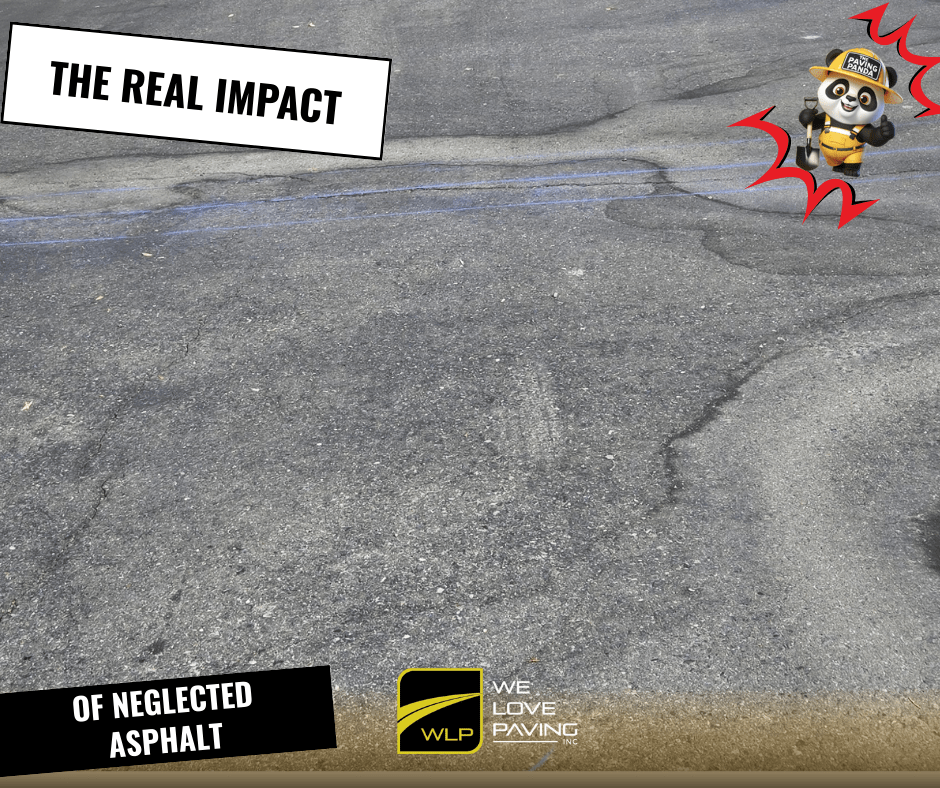
sphalt doesn’t fail because vehicles are heavy.
It fails when weight is applied in ways the pavement system can no longer manage.
Understanding how asphalt handles weight — and why it eventually struggles — explains most premature pavement failures far better than surface appearance ever will.

Asphalt Is Designed to Flex, Not Resist
Asphalt pavement is not rigid.
Unlike concrete, it is engineered to flex slightly under load and then recover. This flexibility allows asphalt to distribute vehicle weight across a wider area instead of concentrating stress at a single point.
That design works — but only when every layer beneath the surface is doing its job.
Weight Is Distributed Through the Pavement Structure
When a vehicle passes over asphalt, the load does not stop at the surface.
It moves downward and outward through:
-
The asphalt layer
-
The base layer
-
The subgrade
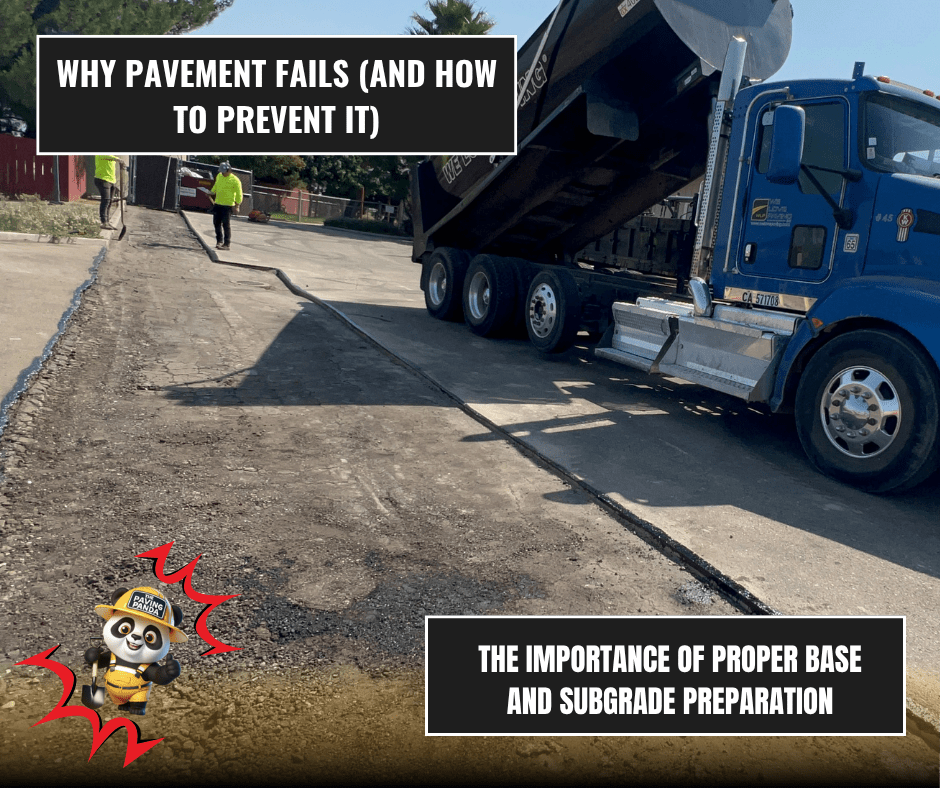
Each layer spreads the load further, reducing stress as it travels downward. The base layer plays a critical role by absorbing and redistributing pressure before it reaches the subgrade.
If any layer weakens, the entire system becomes less effective at handling weight.
Why the Base Matters More Than Thickness
Thicker asphalt does not automatically mean stronger pavement.
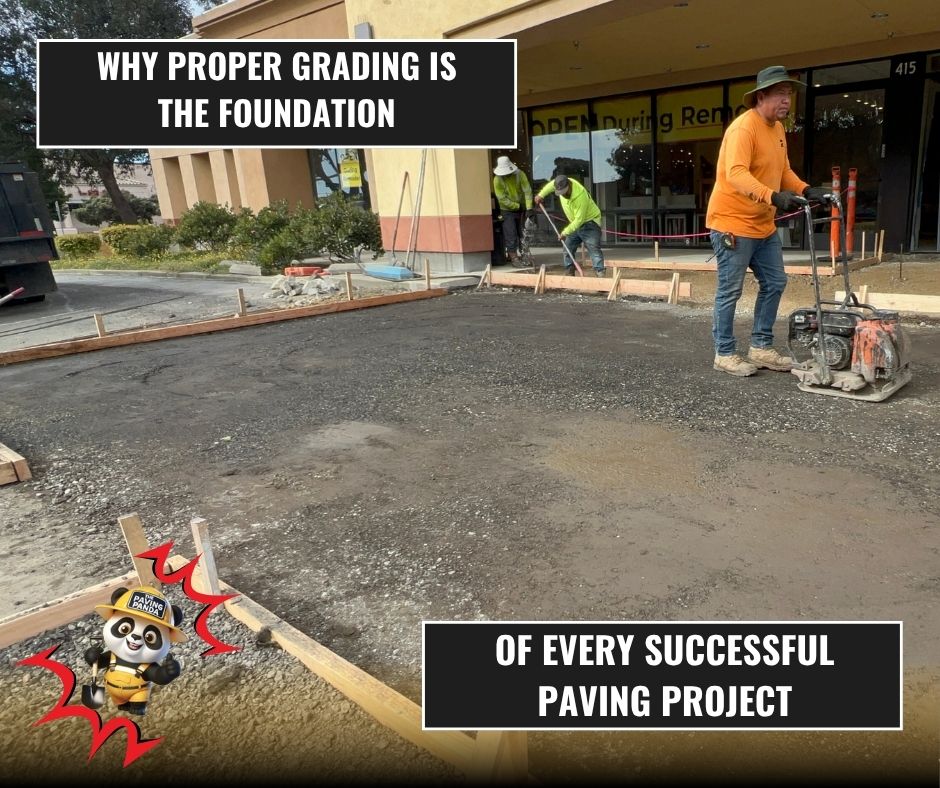
A thin surface over a stable base often outperforms a thick surface over a weak one. When the base loses compaction or becomes saturated with moisture, it can no longer distribute loads evenly.
As a result, weight begins to concentrate in localized areas, leading to deformation, cracking, and settlement — even under normal traffic.
Repeated Loads Cause Fatigue, Not Instant Failure
Asphalt rarely fails from a single heavy vehicle.
It fails from repetition.
Each pass of traffic applies stress. Over time, those stress cycles create fatigue within the pavement system. When fatigue exceeds the pavement’s ability to recover, cracks begin to form and the surface loses shape.
This is why areas with turning vehicles, braking, or slow-moving traffic deteriorate faster than straight travel lanes.
Weight + Water Is the Real Problem
Weight alone is manageable.
Weight applied to a weakened, moisture-affected base is not.
Water reduces friction within the base, allowing movement under load. Each vehicle pass pushes the weakened materials further out of alignment, accelerating damage from below.
This is why drainage and load management are inseparable when evaluating pavement performance.
Why Surface Appearance Is Misleading
A parking lot can look smooth while struggling structurally.
The surface may still rebound after traffic, even as the base gradually loses strength. Once surface cracking and deformation appear, the pavement has already lost much of its load-handling capacity.
At that point, repairs become more complex and less predictable.
The We Love Paving Perspective
We Love Paving evaluates asphalt based on how it distributes and recovers from load — not just how it looks.
By understanding traffic patterns, base condition, and drainage performance, pavement systems can be maintained before load-related damage becomes irreversible.
Final Thought
Asphalt doesn’t fail because vehicles exist.
It fails when the system beneath the surface can no longer spread and recover from the weight applied to it.
Understanding how asphalt actually handles weight is key to preventing premature failure and extending pavement life.