Guide to Calculating Asphalt for Projects in San Jose, California

Asphalt is a crucial component in various construction projects, including roadways, driveways, and parking lots. Accurately estimating the amount of asphalt needed for a project is essential to ensure the right materials are ordered and that the project stays within budget. In this guide, we will walk through the process of calculating asphalt requirements specifically tailored for projects in the San Jose, California area.

Understanding Asphalt Types

Before diving into calculations, it’s important to understand the different types of asphalt commonly used in construction projects:

  1. Hot Mix Asphalt (HMA): This is the most commonly used type of asphalt in road construction. It is produced at high temperatures and is known for its durability and ability to withstand heavy traffic.
  2. Warm Mix Asphalt (WMA): Similar to HMA, WMA is produced at lower temperatures, which reduces energy consumption and greenhouse gas emissions. It offers comparable performance to HMA but with added environmental benefits.
  3. Cold Mix Asphalt: This type of asphalt is often used for temporary repairs or in situations where hot mix or warm mix asphalt is not readily available. It can be applied at ambient temperatures and does not require heating.

Steps to Calculate Asphalt Requirements

  1. Measure the Area: Begin by measuring the area where the asphalt will be applied. For a simple rectangular or square area, this can be done by multiplying the length by the width. If the area is irregularly shaped, divide it into smaller, more manageable sections and measure each separately.
  2. Determine Thickness: The thickness of the asphalt layer will depend on the intended use and the local climate. For driveways and parking lots, a thickness of 2 to 3 inches is typical. For roadways, the thickness may vary based on traffic volume and load requirements. Check local regulations and engineering standards for specific thickness recommendations.
  3. Convert Thickness to Feet: Asphalt thickness is commonly expressed in inches, so it’s important to convert this measurement to feet for consistency in calculations. Divide the thickness in inches by 12 to convert it to feet.
  4. Calculate Volume: Multiply the area (in square feet) by the thickness (in feet) to calculate the volume of asphalt needed in cubic feet.
  5. Convert Volume to Tons: Asphalt is typically sold by weight, so the next step is to convert the volume to tons. The density of asphalt can vary, but a commonly used value is around 2,000 pounds per cubic yard. Divide the volume in cubic feet by 27 (the number of cubic feet in a cubic yard) and then multiply by the density to obtain the weight in tons.
  6. Adjust for Compaction: Asphalt is typically compacted during installation, which can reduce its volume by 10% to 20%. To account for compaction, multiply the calculated tonnage by a compaction factor of 1.1 to 1.2.

Example Calculation

Let’s walk through an example to illustrate the calculation process:

  • Area: 1,000 square feet
  • Thickness: 3 inches
  • Thickness in Feet: 3 inches ÷ 12 = 0.25 feet
  • Volume: 1,000 sq ft × 0.25 ft = 250 cubic feet
  • Volume in Tons: (250 cu ft ÷ 27) × 2,000 lbs/cu yd = 18.52 tons
  • Adjusted Volume: 18.52 tons × 1.1 (compaction factor) = 20.37 tons

Conclusion

Accurately calculating asphalt requirements is crucial for the success of any construction project. By following the steps outlined in this guide and adapting them to the specific requirements of your project in the San Jose, California area, you can ensure that you order the right amount of asphalt and avoid unnecessary costs or delays. Remember to consult with local experts and adhere to relevant regulations and standards throughout the process.

In conclusion, proper planning and calculation are essential for asphalt projects in San Jose, California, ensuring they are completed efficiently and effectively.

Share

WHO IS FRED?

Fred, Regional Operations Manager, comes from a family of immigrant roots and a story built on sacrifice, discipline, and hard work. Growing up, Fred watched his parents work long hours and weekends to create a better future teaching him the values of perseverance, determination, and doing things the right way every single time.
We Love Paving began with Fred’s father, who started doing what he knew best: paving. Over the years, he built experience alongside respected professionals in the industry, refining his methods and developing a reputation for quality work that speaks for itself. As his clientele grew, so did the vision one built not only on skill, but on integrity and pride in every job.

Posts that might interest you

Unveiling Sacramento’s Asphalt Paving: Enhancing Infrastructure and Connectivity

Unveiling Sacramento’s Asphalt Paving: Enhancing Infrastructure and Connectivity

May 6, 2024

Sacramento, California, often dubbed the “City of Trees” or the “River City,” is a vibrant metropolis known for its rich history, diverse culture, and booming economy. Amidst its bustling streets and picturesque landscapes lies a crucial yet often overlooked component of its infrastructure – asphalt paving. In this article, we delve into the significance of

Enhancing San Jose’s Urban Landscape: The Importance of Quality Asphalt Paving in Parking Lots

Enhancing San Jose’s Urban Landscape: The Importance of Quality Asphalt Paving in Parking Lots

May 3, 2024

San Jose, nestled in the heart of Silicon Valley, pulsates with innovation, culture, and diversity. However, amidst its bustling urban landscape, one often overlooked aspect is the quality of parking lots. These vast expanses of asphalt not only serve as spaces for vehicles but also significantly contribute to the city’s aesthetic appeal and functionality. In

Maximizing the Lifespan of Asphalt Sealcoat: Proven Strategies for Longevity

Maximizing the Lifespan of Asphalt Sealcoat: Proven Strategies for Longevity

May 3, 2024

Asphalt sealcoat serves as the protective barrier that shields your pavement from the elements, preventing premature deterioration and extending its lifespan. However, without proper care and maintenance, even the most robust sealcoat can succumb to wear and tear. In this article, we’ll explore effective strategies to make your asphalt sealcoat last longer, ensuring the durability

Unveiling the Mysteries of Sealcoating: A Comprehensive Guide to Its Process and Benefits

Unveiling the Mysteries of Sealcoating: A Comprehensive Guide to Its Process and Benefits

April 30, 2024

Sealcoating, often hailed as the guardian angel of asphalt surfaces, plays a crucial role in preserving and enhancing their longevity. From parking lots to driveways, sealcoating serves as a protective shield against the elements, preventing deterioration and maintaining aesthetic appeal. In this comprehensive guide, we embark on a grand investigation into the world of sealcoating,

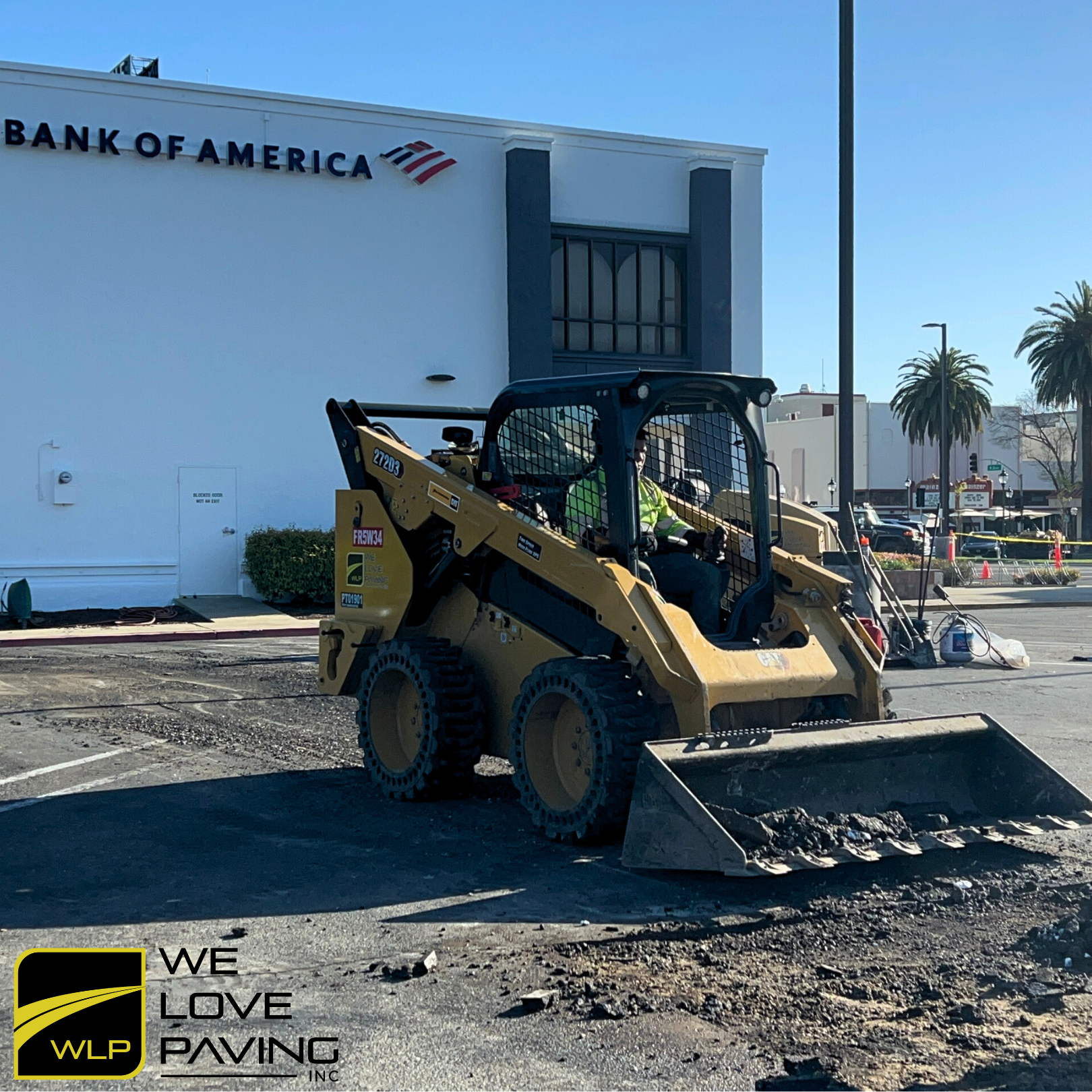
Altering Bank of America’s Parking Lot in Merced, CA

Altering Bank of America’s Parking Lot in Merced, CA

April 25, 2024

vital hub for the community In the heart of Merced, California, the local Bank of America branch stood as a vital hub for the community. However, one glaring issue was the deteriorating state of its parking lot. Cracks snaked across the asphalt like spiderwebs, potholes littered the surface, and years of wear and tear left

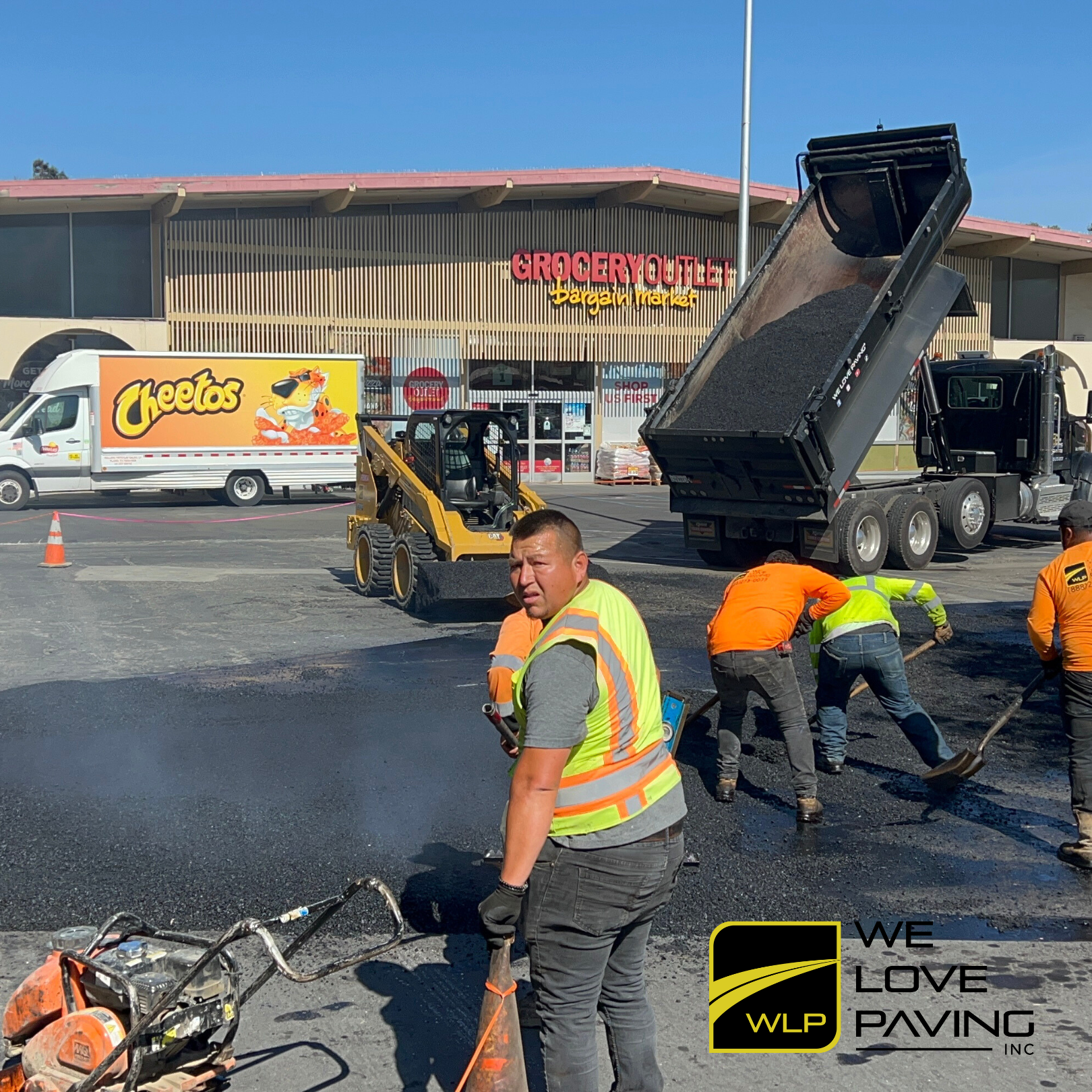
Transforming Grocery Outlet’s Parking Lot in San Pablo, CA

Transforming Grocery Outlet’s Parking Lot in San Pablo, CA

April 25, 2024

  the bustling city of San Pablo, California In the bustling city of San Pablo, California, Grocery Outlet is a cornerstone of the community, offering essential goods and fostering local commerce. However, behind the vibrant storefront, an urgent issue loomed large: the deteriorating state of the parking lot. Faced with potholes, cracks, and uneven surfaces,

Can Asphalt Pave Over Concrete? Exploring the Benefits and Uses (Sacramento)

Can Asphalt Pave Over Concrete? Exploring the Benefits and Uses (Sacramento)

April 25, 2024

The importance One such innovation that has been gaining traction in recent years is the practice of paving asphalt over existing concrete surfaces. While traditional methods may involve removing concrete before laying down asphalt, this alternative approach offers a promising solution for property owners looking to upgrade their driveways, parking lots, or other paved areas

Seal-Coating Your Paving: A Guide to Longevity in Sacramento, California

Seal-Coating Your Paving: A Guide to Longevity in Sacramento, California

April 24, 2024

Maintaining your paving in Sacramento, California, is crucial for preserving its integrity against the region’s unique climate challenges. From scorching summers to occasional rain and winter frost, Sacramento’s weather can take a toll on your pavement. Seal-coating offers an effective solution to protect your pavement and extend its lifespan. In this guide, we’ll delve into

Choosing the Best Contractor for Paving Striping Services in Sacramento, California

Choosing the Best Contractor for Paving Striping Services in Sacramento, California

April 24, 2024

When it comes to maintaining the exterior of your home or business premises, one aspect that often gets overlooked is the condition of your pavement and striping. Whether it’s your driveway, parking lot, or walkways, proper paving and striping can enhance both the aesthetics and functionality of your property. However, achieving optimal results requires the

Paving the Way to Savings: How Asphalt Paving Benefits Bay Area Homeowners

Paving the Way to Savings: How Asphalt Paving Benefits Bay Area Homeowners

April 23, 2024

Open with a scenario familiar to many homeowners in the Bay Area: the dilemma of maintaining driveways, pathways, and parking areas. Introduce the concept of asphalt paving as a solution that not only enhances curb appeal but also delivers long-term cost savings. The Economics of Asphalt Paving Explore the initial investment versus long-term savings of

Previous Next