Unveiling the Mysteries of Sealcoating: A Comprehensive Guide to Its Process and Benefits

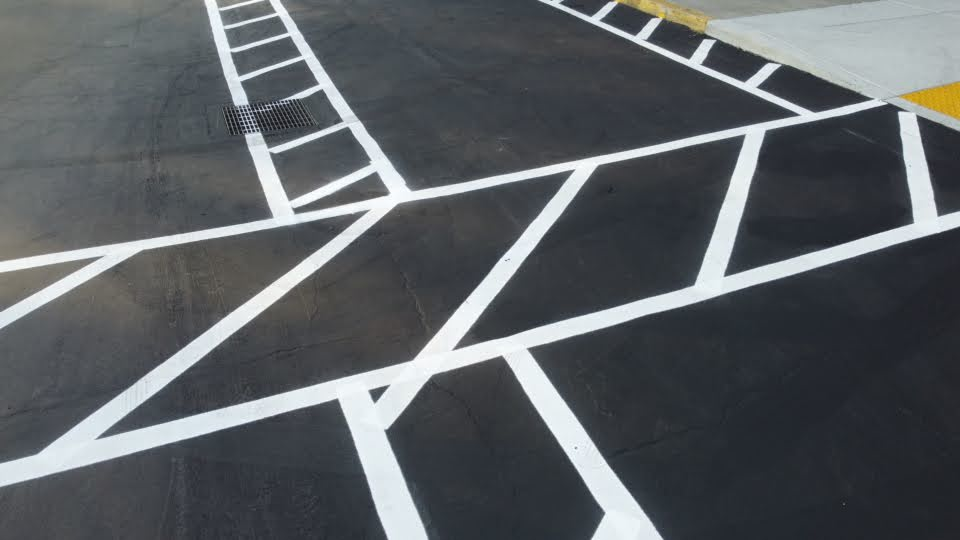
Parking lot paving and striping in Santa Clara, California. ADA-compliant parking lot services by We Love Paving in Santa Clara.
Estimation Tools

Calculate costs in seconds

Fast, accurate estimates that help you close more jobs. Less guesswork, more profit.

Sealcoating, often hailed as the guardian angel of asphalt surfaces, plays a crucial role in preserving and enhancing their longevity. From parking lots to driveways, sealcoating serves as a protective shield against the elements, preventing deterioration and maintaining aesthetic appeal. In this comprehensive guide, we embark on a grand investigation into the world of sealcoating, exploring its process, benefits, and everything in between.

Understanding Sealcoating

To unravel the essence of sealcoating, we delve into its fundamental definition and purpose. Sealcoating refers to the application of a protective layer onto asphalt surfaces, typically composed of bitumen, coal tar, or asphalt emulsion. This coating serves as a barrier against UV rays, water penetration, oil spills, and other damaging agents, thereby extending the lifespan of the pavement.

The Science Behind Sealcoating

Behind the seemingly simple act of applying a black coating lies a sophisticated blend of science and engineering. We explore the chemistry of sealcoating materials, understanding how they interact with asphalt to form a durable bond. Factors such as viscosity, solids content, and aggregate size significantly influence the performance and longevity of the sealcoat.

The Sealcoating Process Unveiled

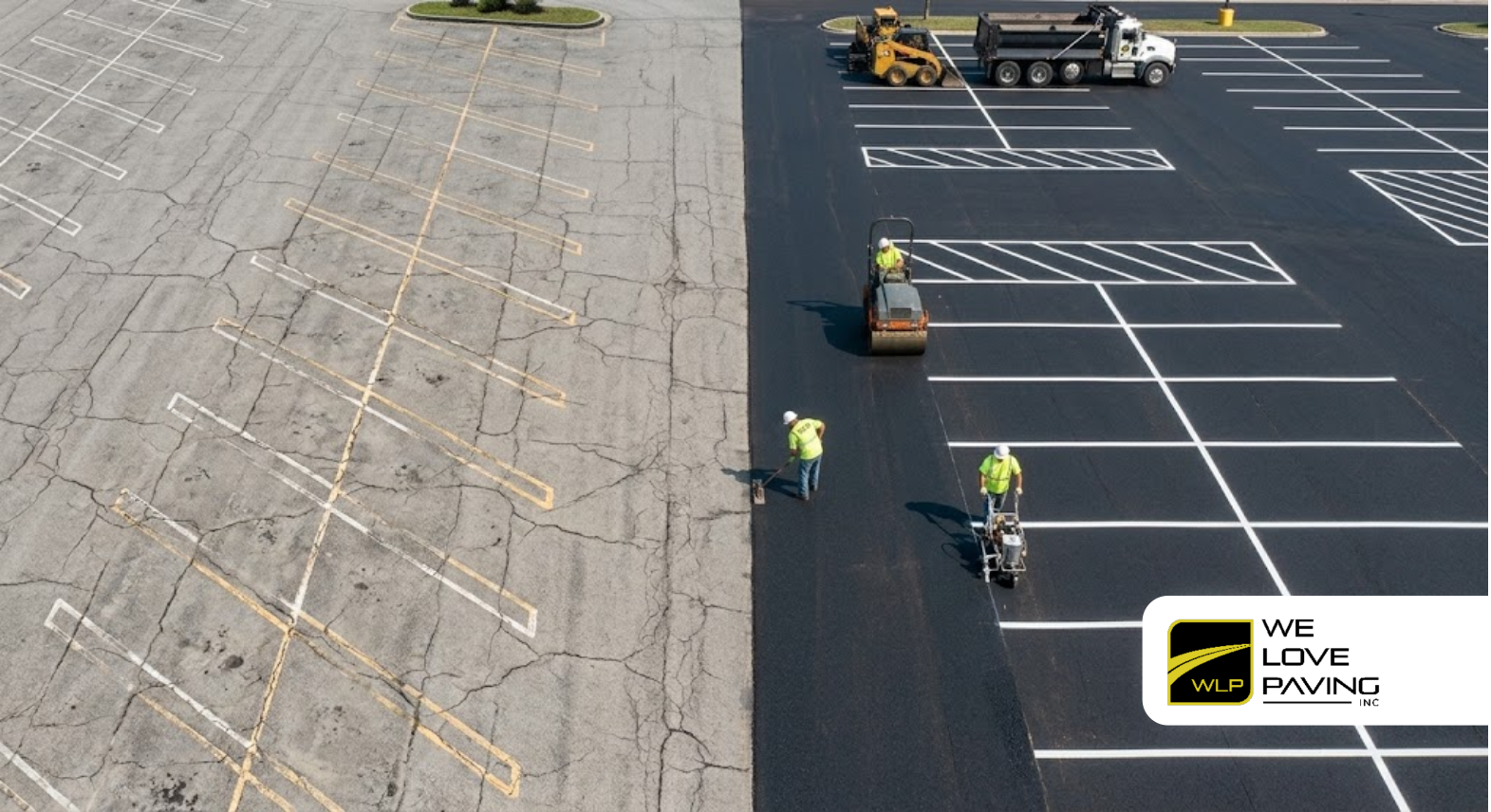
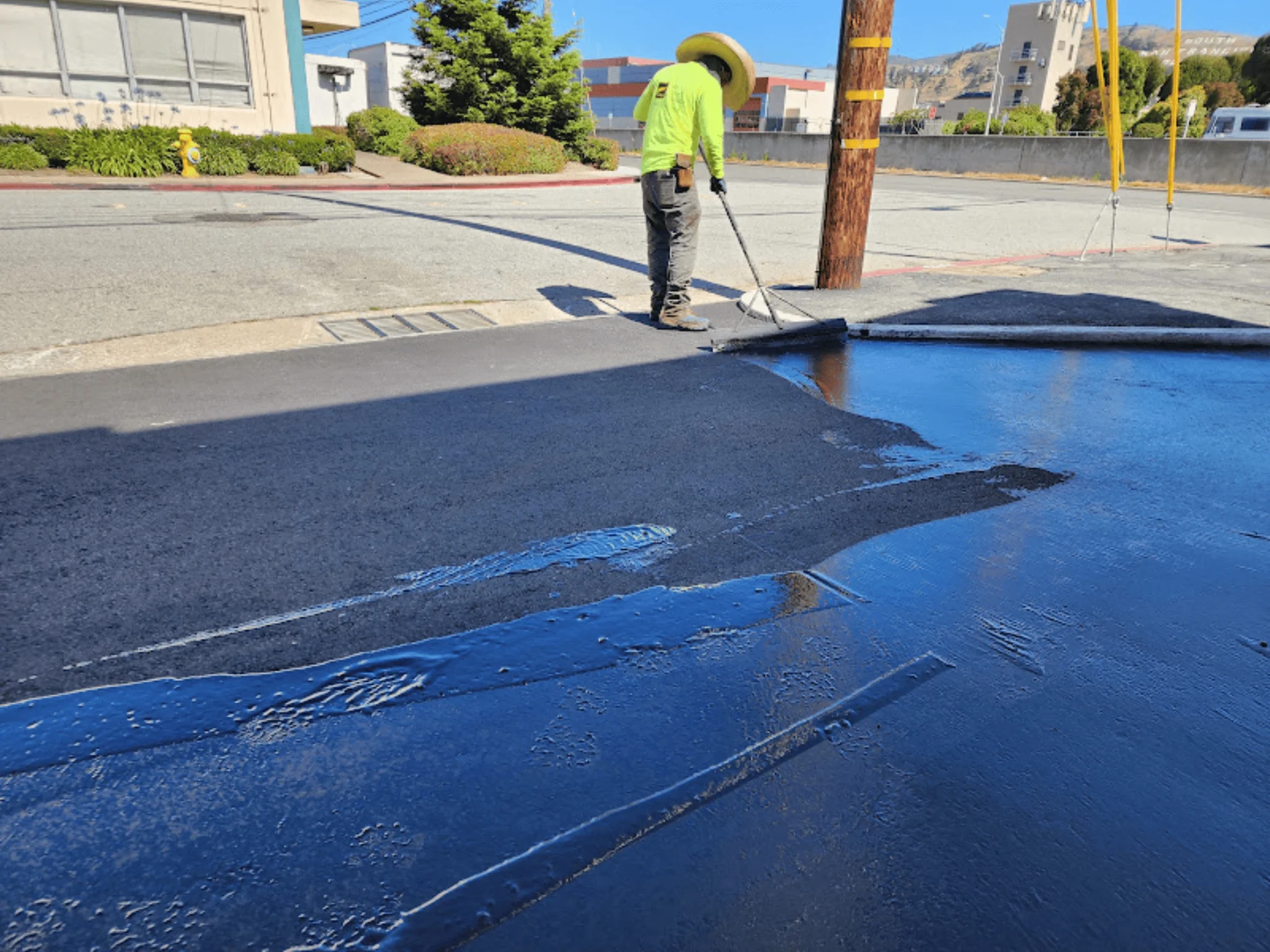
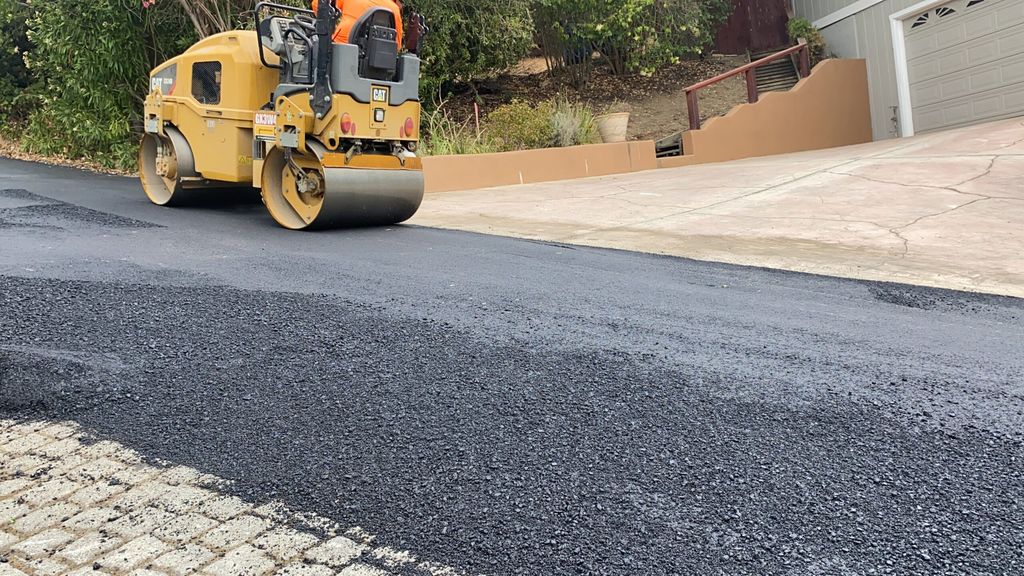
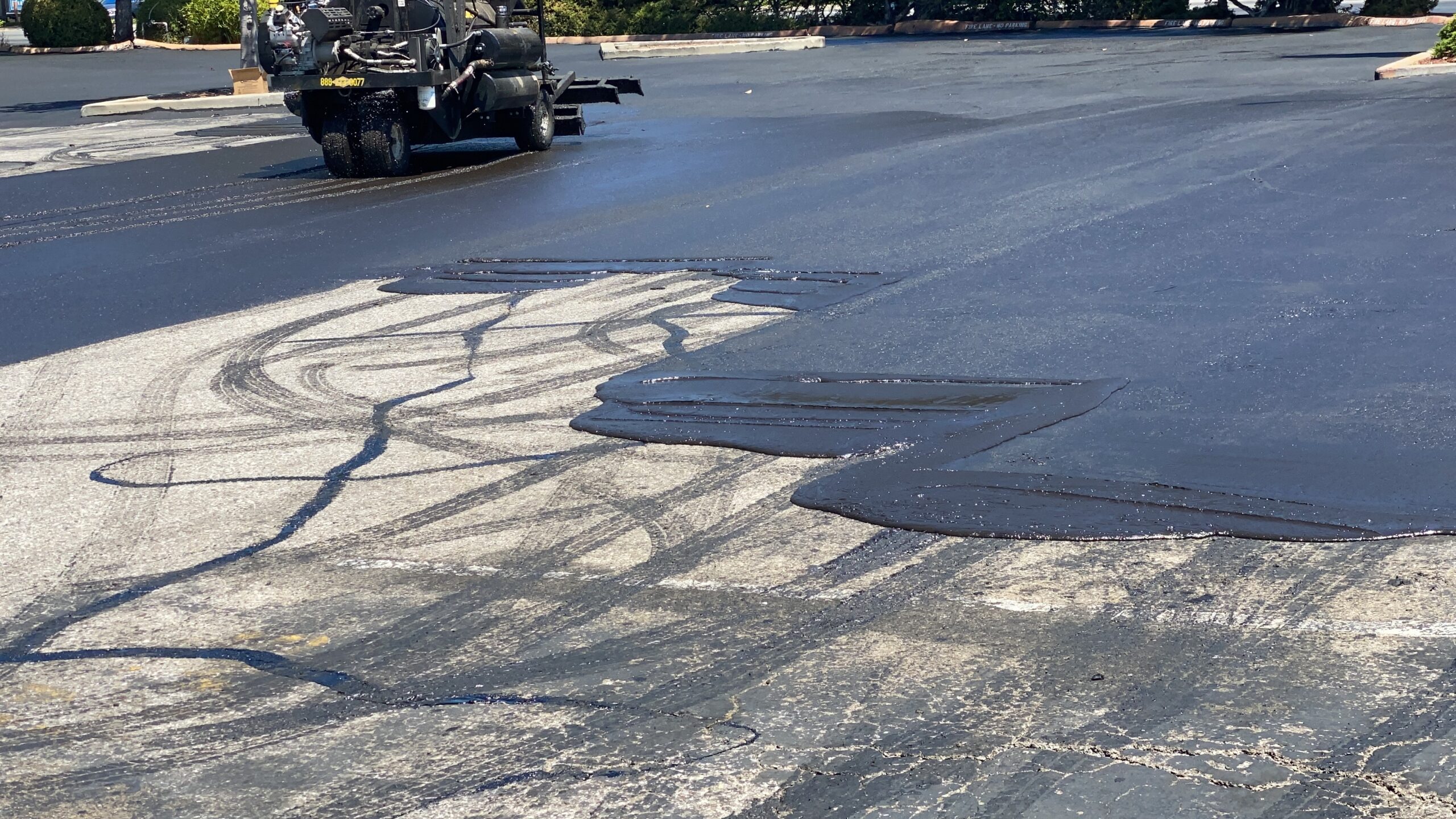
Embarking on a journey through the sealcoating process, we uncover the intricate steps involved in rejuvenating asphalt surfaces. From surface preparation to the application of the sealcoat itself, each phase demands precision and expertise. We explore the various techniques employed by professionals, including spraying, brushing, and squeegee application, highlighting their pros and cons.

Factors Affecting Sealcoating Performance

While sealcoating holds immense potential for protecting asphalt surfaces, its efficacy can be influenced by several factors. Environmental conditions, such as temperature and humidity, play a pivotal role in determining the drying time and adhesion of the sealcoat. Furthermore, proper surface preparation, including cleaning and crack sealing, is essential to ensure optimal performance and longevity.

Benefits Beyond Protection

Beyond its primary role as a protective barrier, sealcoating offers a myriad of additional benefits. We explore how sealcoating enhances the aesthetic appeal of asphalt surfaces, restoring their rich black color and smooth texture. Moreover, by filling surface voids and minor cracks, sealcoating improves traction and reduces the risk of slip and fall accidents, enhancing safety for pedestrians and vehicles alike.

Sustainability and Environmental Considerations

In an era of increasing environmental consciousness, sustainability has become a paramount consideration in sealcoating practices. We examine the environmental impact of sealcoating materials, weighing the pros and cons of traditional coal tar-based sealers versus eco-friendly alternatives. Additionally, we explore innovative technologies such as recycled asphalt pavement (RAP) and bio-based sealcoatings, which offer promising solutions for reducing carbon footprint.

Sealcoating Maintenance and Longevity

While sealcoating provides a formidable defense against the ravages of time and weather, regular maintenance is key to preserving its effectiveness. We delve into the importance of periodic inspections and maintenance routines, including crack sealing, pothole repair, and reapplication of sealcoat as needed. By adhering to a proactive maintenance regimen, property owners can maximize the lifespan of their asphalt surfaces and minimize long-term costs.

Debunking Common Myths and Misconceptions

In the realm of sealcoating, myths and misconceptions abound, often clouding the judgment of property owners. We debunk common myths surrounding topics such as the ideal frequency of sealcoating, the necessity of expensive additives, and the supposed dangers of sealcoat fumes. By separating fact from fiction, we empower readers to make informed decisions regarding their sealcoating needs.

Conclusion

In the grand tapestry of asphalt maintenance, sealcoating emerges as a shining beacon of protection and preservation. Through meticulous preparation, expert application, and diligent maintenance, asphalt surfaces can withstand the test of time and weather, serving as durable foundations for countless journeys ahead. As stewards of our built environment, let us embrace the transformative power of sealcoating and pave the way to a brighter, smoother future.

Need Immediate Help?

Let's Talk About Your Project

Don't wait until minor damage turns into major expenses. Our team of experts is ready to provide you with guaranteed solutions. Contact us now for direct advice from a professional.

Frequently Asked Questions (FAQ)

Got Questions? Find Your Answers Here!!

What is asphalt sealcoating and how does it protect pavement?

Asphalt sealcoating is a protective liquid coating applied to pavement surfaces to shield the asphalt binder from oxidation and water penetration. We Love Paving uses high-grade emulsions that block ninety-five percent of ultraviolet rays, preventing the material from becoming brittle and developing structural cracks over a twenty-year service period.

Why is sealcoating necessary for long-term asphalt maintenance?

Sealcoating is necessary because it doubles the service life of asphalt by preventing molecular breakdown caused by sun and chemicals. Without professional sealcoating every three years, asphalt loses its flexibility, leading to a sixty percent increase in surface raveling and eventual base failure from unmitigated water and ice infiltration.

How long should property owners wait before sealcoating new asphalt?

Property owners should wait six to twelve months before sealcoating new asphalt to allow the oil content to cure fully. Applying sealcoat too early traps excess oils, which prevents the sealant from bonding correctly and results in a thirty percent reduction in the coating’s overall protective effectiveness and durability.

What is the technical process for a professional sealcoating application?

The professional sealcoating process involves surface cleaning, crack filling, and applying two coats of coal-tar or asphalt-emulsion sealer. We Love Paving uses pressurized spray or squeegee methods to ensure uniform coverage of zero point zero five gallons per square yard, creating a slip-resistant and waterproof protective barrier.

How does sealcoating impact the financial value of a commercial property?

Sealcoating impacts commercial property value by significantly lowering life-cycle costs and enhancing curb appeal for potential tenants. Regular maintenance every three years prevents the need for total full-depth reconstruction, which costs six times more than a standard sealcoating application, thereby preserving the property’s capital expenditure budget very effectively.

Professional customer review project by We Love Paving in Northern California, California. Verified local construction quality.

Fred / Founder

Fred, Founder and Regional Operations Manager at We Love Paving, comes from a family that values hard work and discipline. Growing up watching his parents work long hours with integrity and dedication, Fred learned early on that quality paving isn’t just about asphalt, it’s about consistency, accountability, and doing the job right.

Share

Posts That Might Interest You

Signs Your Parking Lot Needs Maintenance Fast

Signs Your Parking Lot Needs Maintenance Fast

May 18, 2026

A parking lot usually tells you when something is starting to go wrong. The problem is that many property owners get used to seeing gradual deterioration and stop noticing the warning signs until the damage becomes expensive. In commercial properties, pavement rarely collapses overnight. What usually happens is slower and less dramatic at first. A

Pavement vs Concrete for Commercial Properties

Pavement vs Concrete for Commercial Properties

May 18, 2026

Choosing between asphalt pavement and concrete is not always straightforward for commercial property owners. Both materials can work well, but the right choice usually depends on how the property operates on a daily basis and how much long-term maintenance the owner is realistically prepared to manage. A busy retail center with constant vehicle turnover will

The Great Debate: Is 2 Inches of Gravel Enough for a Driveway?

The Great Debate: Is 2 Inches of Gravel Enough for a Driveway?

May 16, 2026

When it comes to building a driveway, one of the key decisions homeowners face is determining the appropriate thickness of the gravel base layer. While some may argue that 2 inches of gravel is sufficient to support the weight of vehicles and provide a stable foundation, others advocate for thicker layers to ensure long-term durability

Why Is Parking So Expensive for Property Owners?

Why Is Parking So Expensive for Property Owners?

May 15, 2026

Many commercial property owners underestimate how expensive parking areas become once maintenance, accessibility, and pavement deterioration start overlapping at the same time. At first, parking lot costs usually appear manageable. Small cracks, faded striping, drainage problems, or isolated surface wear may not seem urgent while the property continues operating normally. Over time, however, those smaller

Next

Estimation Tools

Calculate costs in seconds

Fast, accurate estimates that help you close more jobs. Less guesswork, more profit.