Parking lots serve as essential amenities for businesses, offering convenience to customers, employees, and visitors. However, the construction or acquisition of parking facilities involves significant financial investments. In this investigation, we will explore the concept of capitalizing parking lots, examining its implications, benefits, and the underlying accounting principles.
Understanding Capitalization
Capitalization refers to the process of recognizing certain expenditures as assets on the balance sheet, rather than immediately expensing them on the income statement. Capitalized assets are typically long-term investments that provide economic benefits over multiple accounting periods.
Classification of Parking Lots as Assets
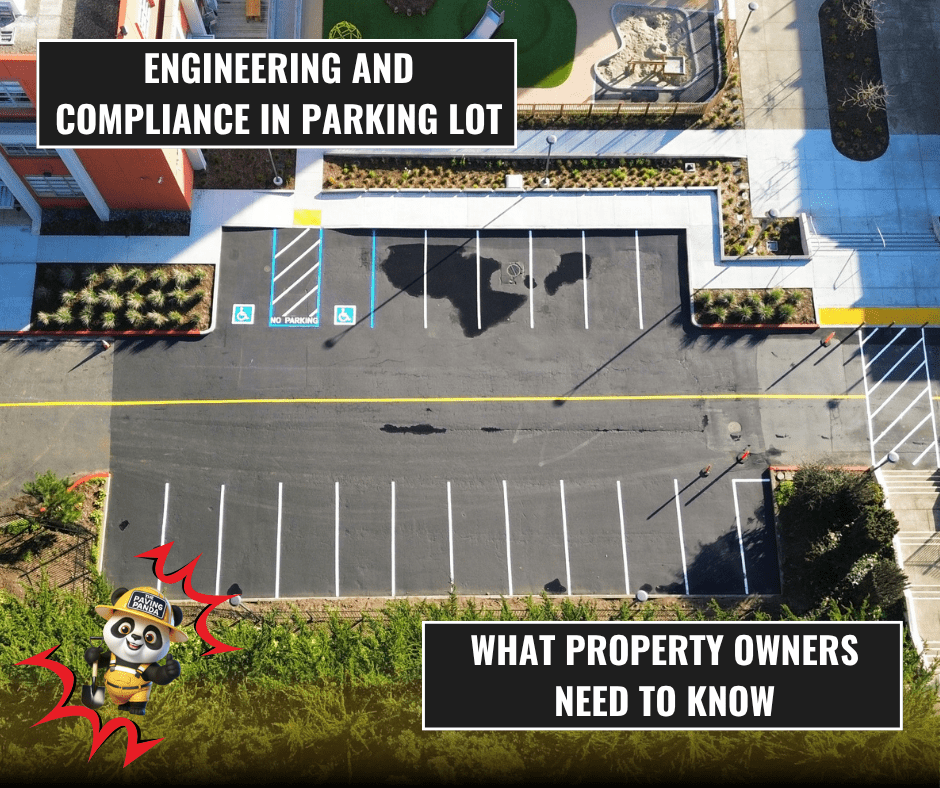
Parking lots are considered tangible assets, falling under the category of property, plant, and equipment (PP&E) in accounting terminology. As such, when a business constructs or acquires a parking lot, it is treated as a capital expenditure and recorded on the balance sheet.
Accounting Treatment
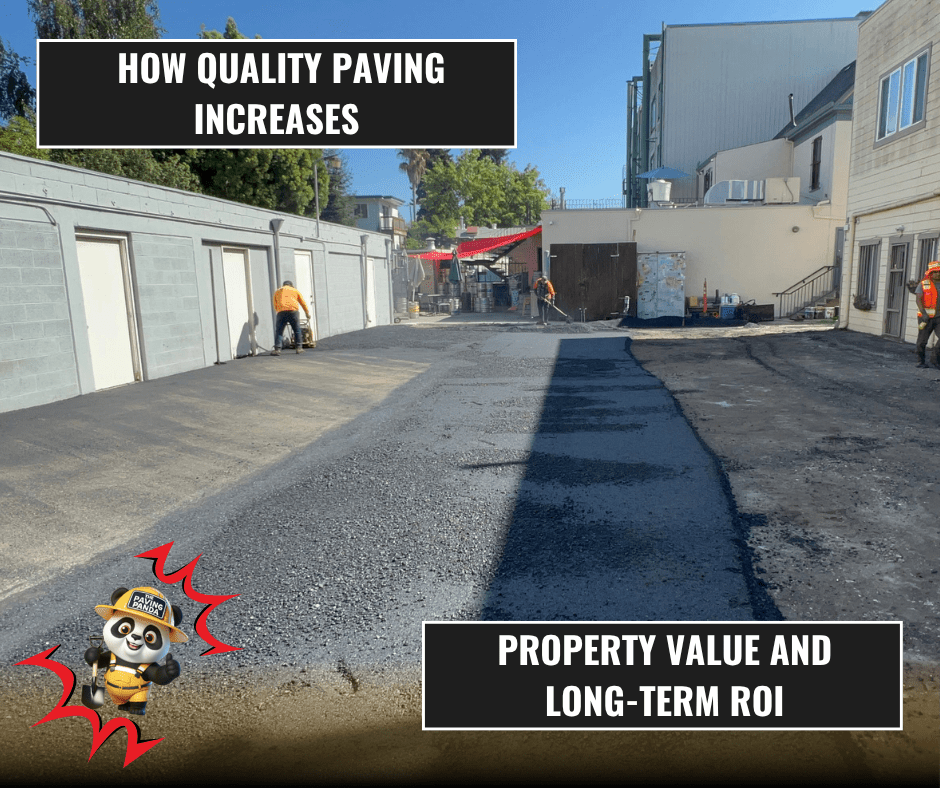
Upon construction or acquisition, the cost of the parking lot is capitalized, including expenses such as land acquisition, construction costs, paving, lighting, landscaping, and any associated fees. Subsequently, the capitalized cost is depreciated over the useful life of the parking lot through regular depreciation expenses.
Depreciation of Parking Lots
Depreciation is the systematic allocation of the cost of an asset over its useful life. For parking lots, depreciation methods such as straight-line depreciation or accelerated depreciation may be employed, depending on factors like the estimated useful life and expected pattern of asset usage.
Implications of Capitalizing Parking Lots
Capitalizing a parking lot has several implications for financial reporting and analysis:
Balance Sheet Impact
Capitalizing the cost of the parking lot increases the total assets of the business, which can have implications for financial ratios such as asset turnover and return on assets.
Income Statement Impact
By capitalizing the cost and depreciating it over time, the immediate impact on the income statement is mitigated. Instead of a significant expense in the year of purchase, the cost is spread out over the useful life of the asset.
Cash Flow Considerations
While capitalizing a parking lot does not directly impact cash flow, it affects the timing of expense recognition, which can influence cash flow projections and financial planning.
Investor Perception
Investors may interpret the capitalization of parking lots as a sign of prudent financial management and a commitment to long-term asset optimization.
Regulatory Compliance
Businesses must adhere to accounting standards and regulatory requirements when capitalizing assets like parking lots. Generally Accepted Accounting Principles (GAAP) and International Financial Reporting Standards (IFRS) provide guidelines for the proper treatment of capital expenditures and asset capitalization.
Strategic Considerations
The decision to capitalize a parking lot involves strategic considerations such as:
Long-Term Planning
Capitalizing the cost of the parking lot aligns with long-term strategic planning, as it recognizes the enduring value of the asset to the business.
Financial Management
Capitalization allows businesses to manage their financial resources more effectively by spreading out the cost of the parking lot over its useful life.
Risk Management
Proper asset capitalization ensures accurate financial reporting, reducing the risk of misrepresentation or non-compliance with accounting standards.
Conclusion
In conclusion, capitalizing a parking lot is a strategic financial decision that involves recognizing the cost of the asset as a long-term investment with future economic benefits. By capitalizing parking lots, businesses can enhance their financial reporting accuracy, comply with accounting standards, and demonstrate prudent financial management practices. Understanding the implications and considerations associated with capitalization is essential for businesses to optimize their asset management strategies and achieve long-term financial sustainability.