Can paving be done in the rain?

Certainly! Conducting a more extensive investigation on the impact of rain on paving would involve exploring various aspects such as the specific effects of rain on different types of paving materials, the techniques and technologies used to mitigate these effects, case studies highlighting the consequences of paving in rainy conditions, and any regulatory or industry standards governing paving practices in inclement weather.

Effects of Rain on Different Paving Materials

Asphalt: Investigate how rainwater affects the composition and integrity of asphalt mixtures, including the process of erosion, weakening of the binder, and susceptibility to cracking.

Concrete: Examine the impact of rain on freshly poured concrete, considering issues like surface water accumulation, reduced strength due to excess moisture, and potential surface defects.

Mitigation Techniques and Technologies

Explore the methods employed to protect paving projects from rain, such as temporary covers, drainage systems, and waterproofing additives in asphalt mixtures.

Investigate emerging technologies, such as rapid-setting materials or moisture-tolerant paving techniques, designed to minimize the negative effects of rain during construction.

Case Studies

Analyze real-world examples where paving projects were conducted in rainy conditions, documenting the challenges faced, the extent of damage incurred, and the subsequent remediation efforts required.

Highlight successful paving projects completed under adverse weather conditions, showcasing innovative strategies or best practices adopted to mitigate the impact of rain.

Regulatory and Industry Standards

Review existing regulations and industry guidelines pertaining to paving operations in inclement weather, including recommendations for postponing work during heavy rainfall or implementing specific precautions to ensure safety and quality.

Investigate any differences in standards between regions or countries with varying climates and precipitation patterns.

Environmental Impact

Assess the environmental implications of paving in rainy conditions, such as runoff contamination, soil erosion, and habitat disruption, and explore sustainable practices to minimize these impacts.

Economic Considerations

Estimate the financial costs associated with paving delays or repairs caused by rain-related damage, considering factors like labor expenses, material wastage, project timeline extensions, and potential liabilities.

By delving into these aspects through extensive research, interviews with industry experts, and analysis of relevant data and literature, a comprehensive investigation can provide valuable insights into the complex relationship between rain and paving, informing decision-making processes for construction projects and paving operations.


Share

WHO IS FRED?

Fred, Regional Operations Manager, comes from a family of immigrant roots and a story built on sacrifice, discipline, and hard work. Growing up, Fred watched his parents work long hours and weekends to create a better future teaching him the values of perseverance, determination, and doing things the right way every single time.
We Love Paving began with Fred’s father, who started doing what he knew best: paving. Over the years, he built experience alongside respected professionals in the industry, refining his methods and developing a reputation for quality work that speaks for itself. As his clientele grew, so did the vision one built not only on skill, but on integrity and pride in every job.

Posts that might interest you

5 Signs Your Asphalt Needs Professional Attention (Before It Costs You More)

5 Signs Your Asphalt Needs Professional Attention (Before It Costs You More)

June 2, 2025

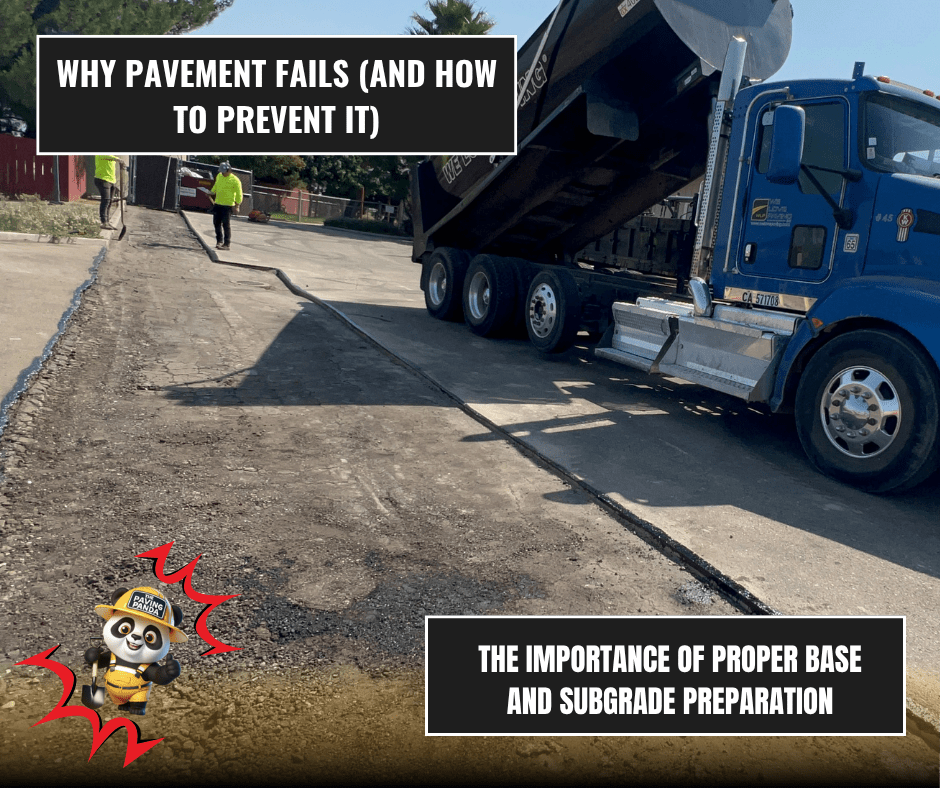
Why Pavement Fails (And How to Prevent It)

Why Pavement Fails (And How to Prevent It)

May 30, 2025

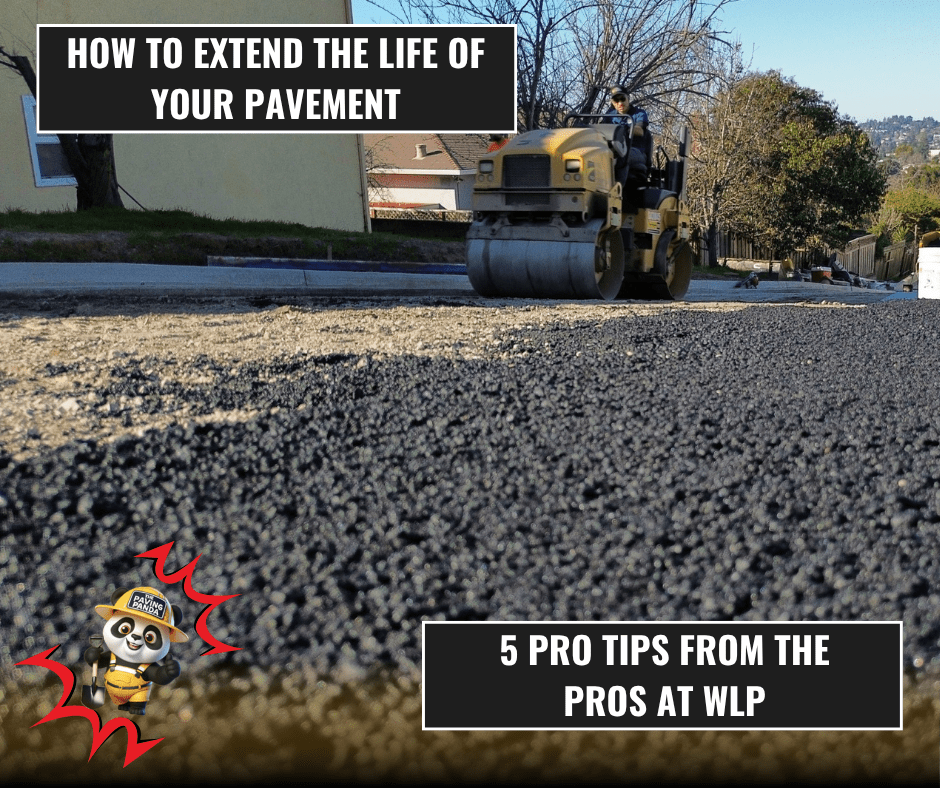
How to Extend the Life of Your Pavement: 5 Pro Tips from the Pros at WLP

How to Extend the Life of Your Pavement: 5 Pro Tips from the Pros at WLP

May 29, 2025

Regular inspections are essential to extending the life of asphalt pavement. Evaluating the surface at least twice a year helps identify early cracking, surface wear, and drainage issues before they escalate into costly repairs. Early detection reduces long-term damage and preserves pavement integrity. Crack sealing and minor asphalt repairs should be addressed as soon as

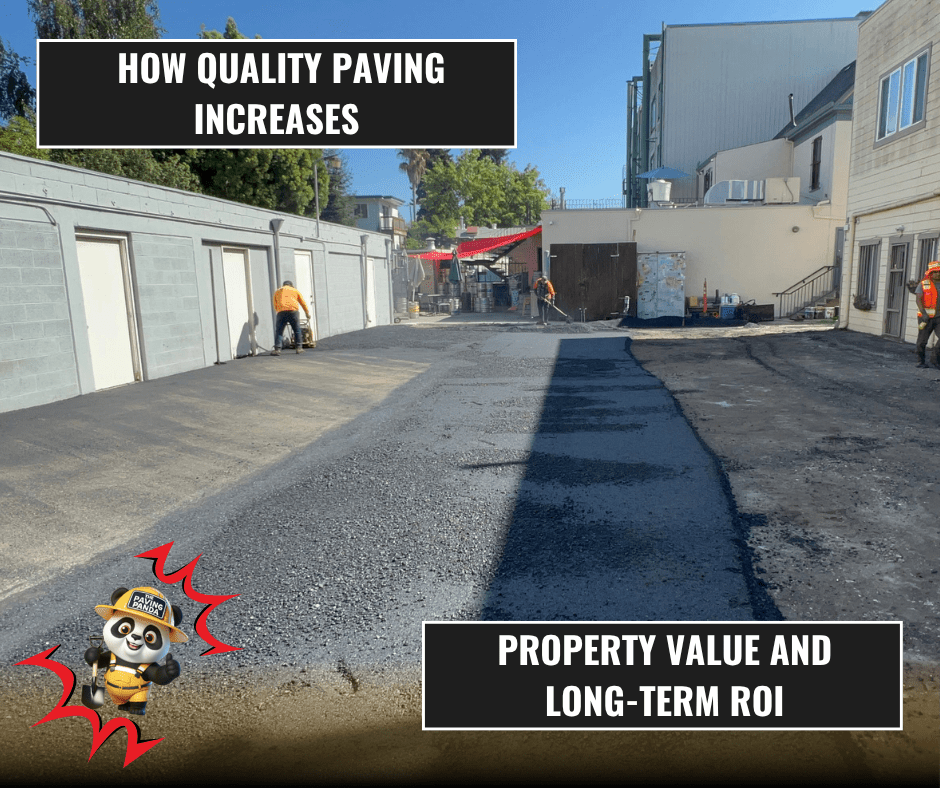
How Quality Paving Increases Property Value and Long-Term ROI

How Quality Paving Increases Property Value and Long-Term ROI

May 23, 2025

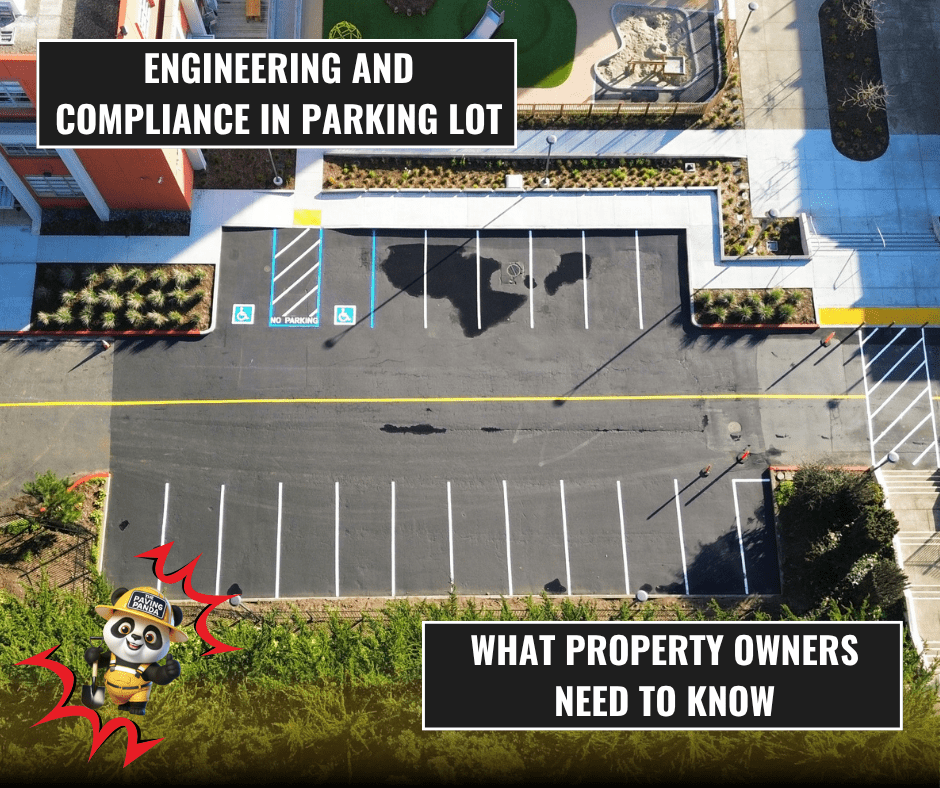
Engineering and Compliance in Parking Lot Design: What Property Owners Need to Know

Engineering and Compliance in Parking Lot Design: What Property Owners Need to Know

May 22, 2025

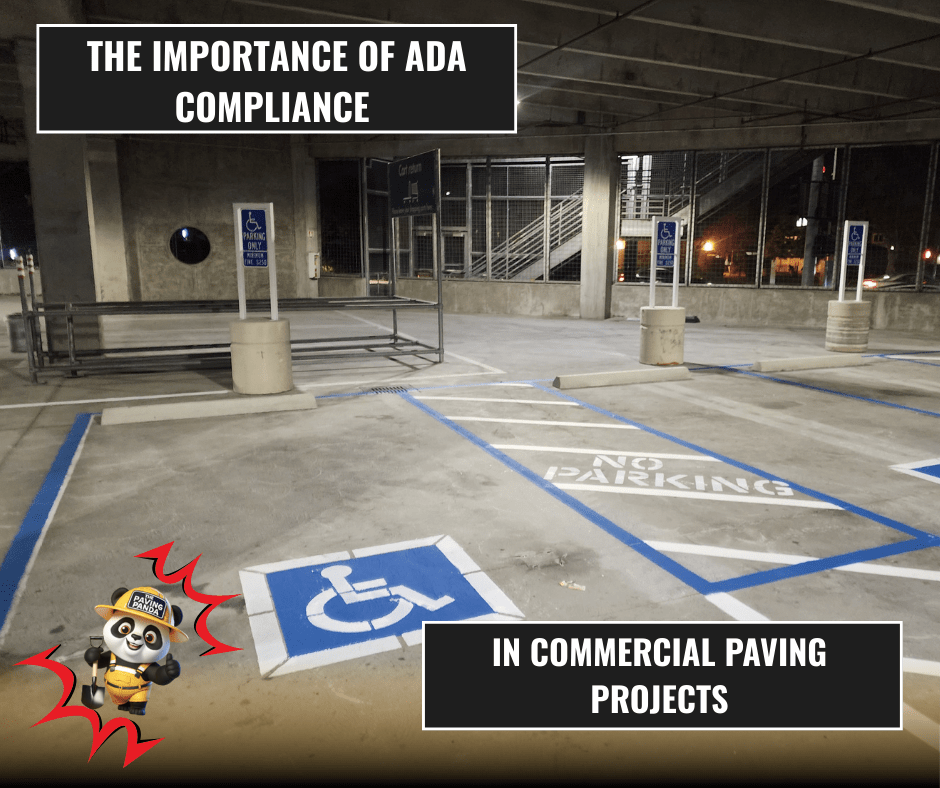
The Importance of ADA Compliance in Commercial Paving Projects

The Importance of ADA Compliance in Commercial Paving Projects

May 21, 2025

When it comes to commercial paving, aesthetics and durability are important—but ADA compliance is non-negotiable. Failure to meet federal accessibility standards doesn’t just lead to fines—it exposes your business to lawsuits, limits customer access, and damages your reputation. At We Love Paving, we specialize in paving solutions that are fully ADA-compliant from the ground up—because

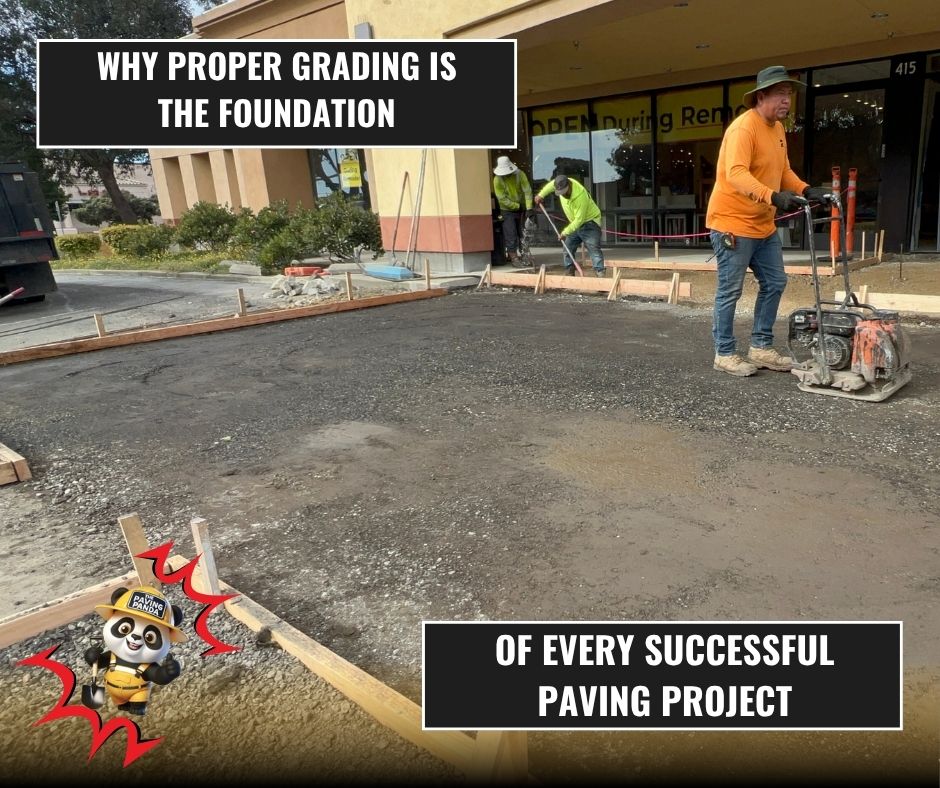
Why Proper Grading Is the Foundation of Every Successful Paving Project

Why Proper Grading Is the Foundation of Every Successful Paving Project

May 20, 2025

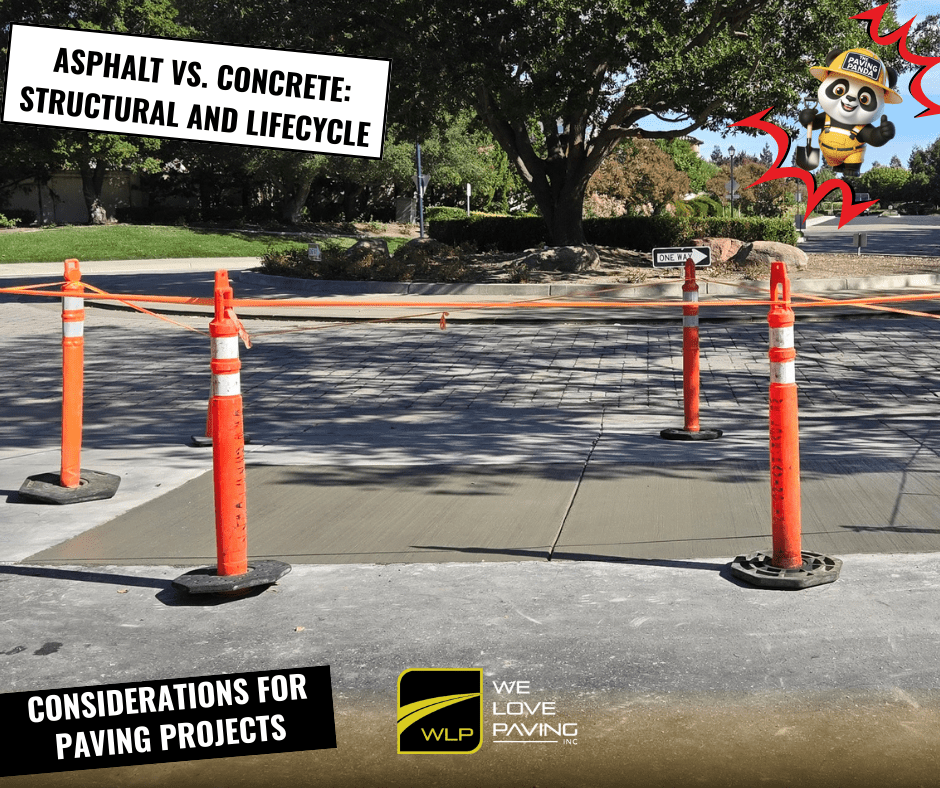
Asphalt vs. Concrete: Structural and Lifecycle Considerations for Paving Projects

Asphalt vs. Concrete: Structural and Lifecycle Considerations for Paving Projects

May 19, 2025

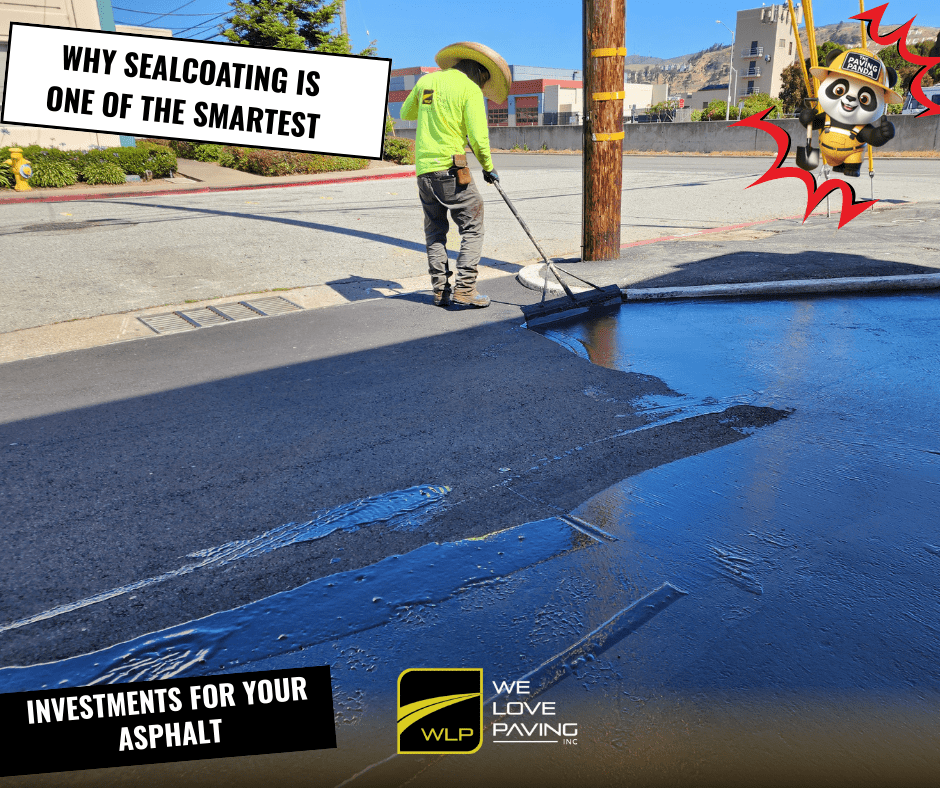
Why Sealcoating Is One of the Smartest Investments for Your Asphalt

Why Sealcoating Is One of the Smartest Investments for Your Asphalt

May 16, 2025

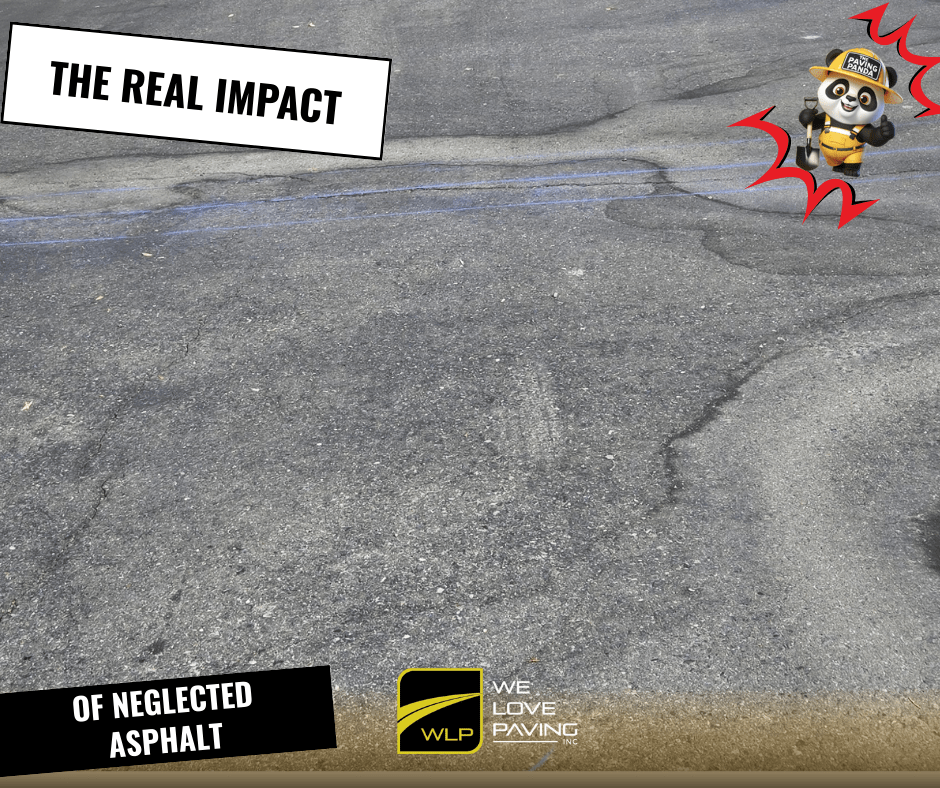
The Real Impact of Neglected Asphalt Maintenance

The Real Impact of Neglected Asphalt Maintenance

May 15, 2025

Previous Next