Can I Pour Asphalt Over Concrete?

Asphalt and concrete are two of the most common materials used for paving surfaces like driveways, parking lots, and roadways. Property owners in San Francisco, California, may wonder if it’s possible to pour asphalt over an existing concrete surface and what factors need to be considered. This blog post will delve into the feasibility, benefits, and potential challenges of overlaying asphalt on concrete, with a special focus on the unique conditions in San Francisco.

Feasibility of Pouring Asphalt Over Concrete

Pouring asphalt over an existing concrete surface is indeed possible and can be a cost-effective and efficient solution for many property owners. However, certain conditions and considerations must be met to ensure a successful and durable outcome.

1. Structural Integrity

The underlying concrete must be in good condition. If the concrete is significantly cracked, uneven, or unstable, these issues can transfer to the new asphalt layer, leading to premature failure. Inspecting and repairing any major defects in the concrete before overlaying with asphalt is crucial.

2. Proper Preparation

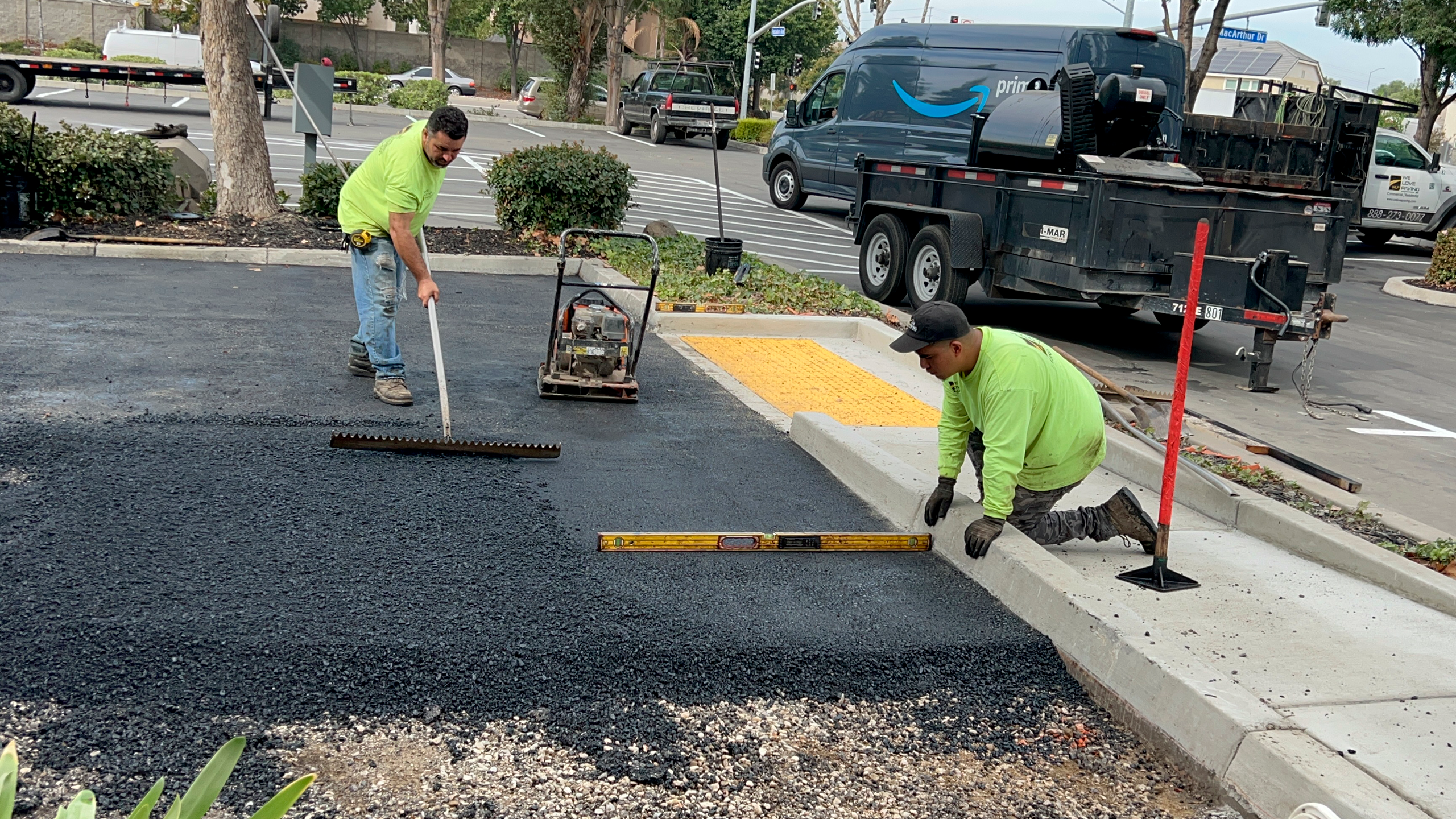
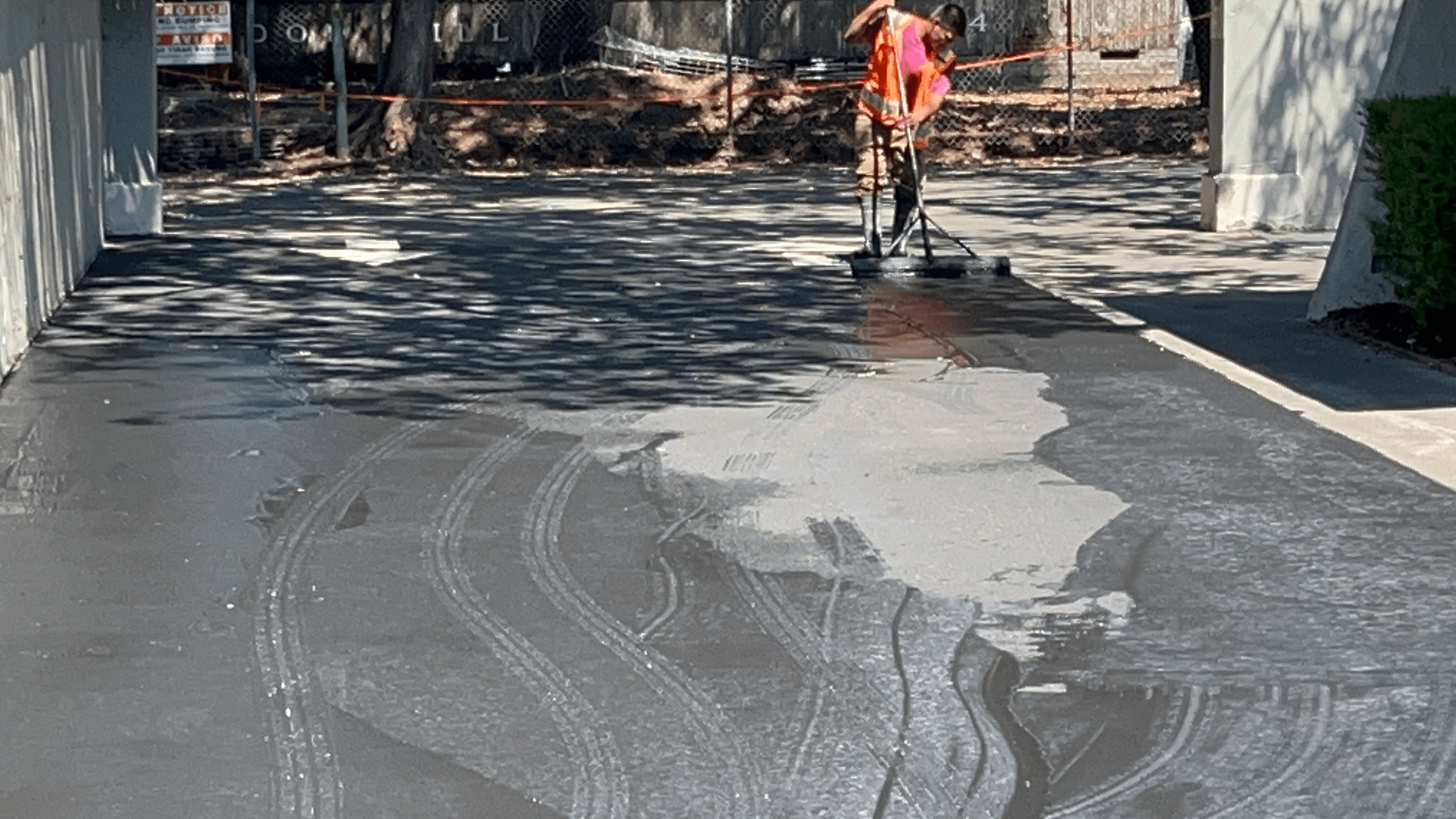
Proper surface preparation is key to a successful asphalt overlay. This includes cleaning the concrete surface, addressing any surface defects, and applying a tack coat to ensure proper adhesion between the concrete and the new asphalt layer.

3. Expansion Joints

Concrete surfaces typically have expansion joints to accommodate temperature-induced expansion and contraction. These joints can cause reflective cracking in the asphalt overlay if not properly managed. Installing a reinforcing grid or using a thicker asphalt layer can help mitigate this issue.

Benefits of Asphalt Over Concrete

Overlaying asphalt on concrete offers several benefits, particularly in a city like San Francisco, where climate and urban density present unique challenges.

1. Cost-Effectiveness

Pouring asphalt over existing concrete is generally more cost-effective than removing the old concrete and installing a new asphalt surface from scratch. This approach saves on labor, materials, and disposal costs.

2. Improved Aesthetics and Performance

Asphalt can provide a smoother and more uniform surface compared to aged and weathered concrete. It also offers better traction and can be easily resurfaced or repaired over time.

3. Faster Installation

Since the existing concrete serves as a stable base, the installation process for an asphalt overlay is typically quicker and less disruptive than a full reconstruction.

Challenges and Considerations in San Francisco

San Francisco’s unique climate and geographical features necessitate special considerations when overlaying asphalt on concrete.

1. Seismic Activity

San Francisco is located in an active seismic zone, which can impact the stability of both concrete and asphalt surfaces. Ensuring that the concrete base is structurally sound and reinforcing the asphalt overlay can help mitigate the risk of damage from seismic activity.

2. Temperature Fluctuations

While San Francisco enjoys a relatively mild climate, temperature fluctuations can still affect the performance of asphalt surfaces. Proper installation techniques and the use of high-quality materials can help ensure that the asphalt overlay withstands these conditions.

3. Drainage Considerations

Proper drainage is essential to prevent water from pooling on the surface and causing damage. The existing concrete surface should be assessed to ensure it has adequate drainage, and any necessary adjustments should be made before overlaying with asphalt.

Best Practices for Asphalt Overlays in San Francisco

To achieve the best results when pouring asphalt over concrete in San Francisco, consider the following best practices:

1. Thorough Inspection and Preparation

Conduct a thorough inspection of the existing concrete surface to identify any structural issues that need to be addressed. Properly clean and prepare the surface, and apply a tack coat to ensure good adhesion.

2. Use Quality Materials

Using high-quality asphalt and reinforcing materials can enhance the durability and longevity of the overlay. Consider using polymer-modified asphalt, which offers better performance and resistance to cracking.

3. Professional Installation

Hiring a professional paving contractor with experience in asphalt overlays and knowledge of local conditions can ensure a successful project. Professionals can provide the expertise and equipment needed to properly install the asphalt overlay and address any site-specific challenges.

4. Regular Maintenance

Even with a well-installed asphalt overlay, regular maintenance is essential to extend its lifespan. This includes periodic inspections, crack sealing, sealcoating, and addressing any drainage issues promptly.

Conclusion

Pouring asphalt over an existing concrete surface is a viable option for many property owners in San Francisco. While it offers numerous benefits, including cost savings and improved aesthetics, it also requires careful planning, proper preparation, and professional installation to ensure success. By understanding the unique challenges posed by San Francisco’s climate and geological conditions, property owners can make informed decisions and achieve a durable and long-lasting asphalt surface.

Share

WHO IS FRED?

Fred, Regional Operations Manager, comes from a family of immigrant roots and a story built on sacrifice, discipline, and hard work. Growing up, Fred watched his parents work long hours and weekends to create a better future teaching him the values of perseverance, determination, and doing things the right way every single time.
We Love Paving began with Fred’s father, who started doing what he knew best: paving. Over the years, he built experience alongside respected professionals in the industry, refining his methods and developing a reputation for quality work that speaks for itself. As his clientele grew, so did the vision one built not only on skill, but on integrity and pride in every job.

Posts that might interest you

How Long Should an Asphalt Driveway Last Before Cracking?

How Long Should an Asphalt Driveway Last Before Cracking?

July 5, 2024

When investing in an asphalt driveway, homeowners often wonder about its longevity and durability. Asphalt driveways are popular due to their affordability, aesthetic appeal, and resilience. However, like any material, asphalt is not immune to wear and tear, and over time, cracking can occur. This article explores the lifespan of asphalt driveways before cracking, with

What Temperature Should Asphalt Be Between Lifts? Insights from Sacramento, California

What Temperature Should Asphalt Be Between Lifts? Insights from Sacramento, California

July 5, 2024

Asphalt paving is a precise and methodical process where temperature plays a critical role in ensuring the durability and quality of the pavement. This is particularly true for the placement of multiple lifts or layers of asphalt. In Sacramento, California, with its distinctive climate, understanding the optimal temperature for asphalt between lifts is essential for

How Long Does an Asphalt Overlay Last? A Focus on Sacramento, California

How Long Does an Asphalt Overlay Last? A Focus on Sacramento, California

July 4, 2024

Asphalt overlays are a crucial component of road maintenance and construction, offering a cost-effective solution for renewing and extending the life of existing pavements. In Sacramento, California, where urban expansion and infrastructural development are ongoing, understanding the longevity of asphalt overlays is vital for city planners, construction companies, and residents. This article delves into the

How Much Asphalt Can Be Laid in a Day?

How Much Asphalt Can Be Laid in a Day?

July 3, 2024

Asphalt paving is a critical component of many construction projects, from residential driveways to major highways. One of the most important considerations for project managers and homeowners alike is understanding how much asphalt can be laid in a day. This not only impacts the timeline of a project but also its overall cost and logistical

How Steep Can an Asphalt Driveway Be?

How Steep Can an Asphalt Driveway Be?

July 3, 2024

Asphalt driveways are a popular choice for homeowners due to their durability, cost-effectiveness, and ease of installation. However, one critical factor to consider when planning an asphalt driveway is its slope. The steepness of a driveway can significantly impact its functionality, safety, and longevity. In this article, we will explore how steep an asphalt driveway

What is the Life Expectancy of Asphalt Paving in Sacramento, California?

What is the Life Expectancy of Asphalt Paving in Sacramento, California?

July 2, 2024

Asphalt paving is a critical component of urban infrastructure, serving as the backbone of city streets, highways, and parking lots. Its durability, cost-effectiveness, and ease of maintenance make it a popular choice for municipalities worldwide. In Sacramento, California, where urban development and traffic demand are continually increasing, understanding the life expectancy of asphalt paving is

What is the Minimum Thickness of Asphalt Pavement?

What is the Minimum Thickness of Asphalt Pavement?

July 2, 2024

The minimum thickness for asphalt pavement depends on the project: residential driveways require at least 2 inches, while commercial parking lots often start at 4 inches for durability. Factors Influencing Asphalt Pavement Thickness Traffic Load: The volume and weight of traffic that the pavement will support is a primary consideration. Heavier loads, such as those

What is the Tolerance for Asphalt Thickness?

What is the Tolerance for Asphalt Thickness?

July 1, 2024

Asphalt pavement quality is crucial for the longevity and durability of roads, driveways, and parking lots. One key aspect that affects the performance of asphalt surfaces is the thickness tolerance. This detailed guide will explore the importance of asphalt thickness tolerance, the factors that influence it, measurement techniques, and best practices for maintaining accurate thickness

What is the Best Quality Asphalt for Driveways?

What is the Best Quality Asphalt for Driveways?

June 28, 2024

Choosing the best quality asphalt for your driveway is essential to ensure durability, aesthetic appeal, and cost-effectiveness. This guide explores the types of asphalt, their benefits, and how to select the best option for your driveway needs. Understanding Asphalt Factors to Consider When Choosing Asphalt Types of Asphalt for Driveways Comparing Asphalt to Other Materials

How Thick Should Asphalt Paving Be?

How Thick Should Asphalt Paving Be?

June 28, 2024

Choosing the right thickness for asphalt paving is crucial for the longevity and durability of the surface, whether it’s a driveway, parking lot, or roadway. The thickness of asphalt paving affects its ability to withstand traffic loads, weather conditions, and overall wear and tear. This article will explore the factors influencing asphalt thickness and provide

Previous Next