An Investigation into Why Paving Slabs Are So Expensive

Paving slabs, commonly used in patios, walkways, and driveways, are a popular choice for outdoor paving due to their durability and aesthetic appeal. However, one frequently raised concern is their high cost. This investigation explores the factors contributing to the expense of paving slabs, covering material selection, manufacturing processes, transportation, labor, and market dynamics. Understanding these elements will provide insights into the true cost of paving slabs and help consumers make informed decisions.

Material Selection

The type of material used in paving slabs significantly impacts their cost. Common materials include natural stone, concrete, porcelain, and composite materials, each with distinct characteristics and price points.

Natural Stone

Natural stone slabs, such as granite, sandstone, limestone, and slate, are highly prized for their unique appearance and durability. However, several factors contribute to their high cost:

  1. Rarity and Quality: High-quality stones are often rare and sourced from specific quarries, adding to their value.
  2. Extraction: Quarrying natural stone involves significant labor, equipment, and energy, making the process expensive.
  3. Processing: Cutting, shaping, and finishing natural stone require specialized machinery and skilled labor, further increasing costs.

Concrete

Concrete paving slabs are generally more affordable than natural stone but still come with notable expenses:

  1. Raw Materials: High-quality cement, aggregates, and additives are needed to produce durable and aesthetically pleasing concrete slabs.
  2. Manufacturing: The production process involves molding, curing, and finishing, requiring considerable energy and equipment.
  3. Customization: Customized shapes, colors, and textures can increase the cost of concrete slabs.

Porcelain

Porcelain paving slabs are known for their durability and resistance to weathering, but they can be expensive due to:

  1. Raw Materials: High-quality clay and other materials are used to produce porcelain.
  2. Manufacturing: The process involves high-temperature firing and precision manufacturing, which are energy-intensive.
  3. Designs: The intricate designs and finishes often found on porcelain slabs add to the cost.

Manufacturing Processes

The manufacturing process of paving slabs is another significant factor influencing their cost. This process varies depending on the material but generally includes extraction, processing, and finishing stages.

Extraction and Processing

  1. Quarrying (Natural Stone): Extracting natural stone requires heavy machinery and skilled labor, both of which are costly. The environmental regulations and safety measures also add to the expenses.
  2. Mixing and Molding (Concrete): The production of concrete slabs involves mixing raw materials, pouring them into molds, and ensuring even curing. This process requires precise control and high-quality machinery.

Finishing

  1. Cutting and Shaping: Both natural stone and concrete slabs often require cutting and shaping to specific sizes and designs, which involves expensive equipment and skilled labor.
  2. Surface Treatment: Polishing, texturing, and sealing the slabs to enhance their appearance and durability add to the overall cost.

Transportation

Transportation plays a crucial role in the cost of paving slabs, especially for natural stone and heavy concrete slabs.

  1. Weight: Paving slabs are typically heavy, resulting in high transportation costs due to fuel consumption and the need for specialized vehicles.
  2. Distance: The distance between the quarry or manufacturing facility and the final destination significantly impacts transportation costs. Imported slabs, for instance, involve additional shipping expenses.
  3. Handling: Proper handling and packaging are essential to prevent damage during transit, adding to the overall cost.

Labor

Labor costs are a substantial component of the overall expense of paving slabs, from extraction and manufacturing to installation.

  1. Skilled Labor: Quarrying natural stone, manufacturing concrete slabs, and installing paving slabs all require skilled labor, which comes at a premium.
  2. Installation: Proper installation of paving slabs is labor-intensive and requires expertise to ensure a durable and aesthetically pleasing result. This includes preparing the ground, laying the slabs, and ensuring proper alignment and spacing.
  3. Regulations: Adherence to safety and environmental regulations can increase labor costs, as compliance often requires additional training and equipment.

Market Dynamics

Market dynamics, including demand, supply, and economic factors, also influence the cost of paving slabs.

  1. Demand: High demand for premium materials, such as natural stone and porcelain, can drive up prices, especially in regions with significant landscaping and construction activities.
  2. Supply: Limited availability of high-quality raw materials and fluctuations in supply chains, especially for imported materials, can lead to higher costs.
  3. Economic Factors: Inflation, changes in fuel prices, and currency exchange rates (for imported materials) can impact the overall cost of paving slabs.

Conclusion

The high cost of paving slabs can be attributed to a combination of factors, including the choice of materials, the complexity of manufacturing processes, transportation expenses, labor costs, and market dynamics. Natural stone slabs are particularly expensive due to the rarity and quality of the materials, the labor-intensive extraction and processing methods, and the significant transportation and handling requirements. Concrete and porcelain slabs, while generally more affordable, still incur substantial costs related to raw materials, manufacturing, and installation.

Understanding these factors helps consumers appreciate the true value of paving slabs and make informed decisions based on their budget, aesthetic preferences, and functional requirements. While the initial investment in high-quality paving slabs can be significant, their durability, aesthetic appeal, and potential to enhance property value often justify the expense in the long run.
Share

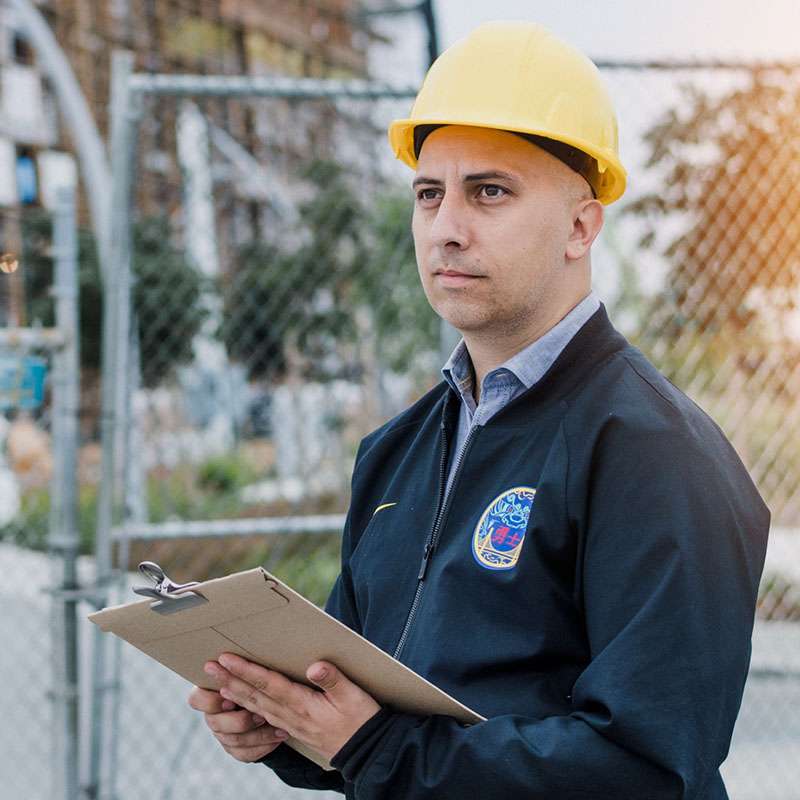
WHO IS FRED?

Fred, Regional Operations Manager, comes from a family of immigrant roots and a story built on sacrifice, discipline, and hard work. Growing up, Fred watched his parents work long hours and weekends to create a better future teaching him the values of perseverance, determination, and doing things the right way every single time.
We Love Paving began with Fred’s father, who started doing what he knew best: paving. Over the years, he built experience alongside respected professionals in the industry, refining his methods and developing a reputation for quality work that speaks for itself. As his clientele grew, so did the vision one built not only on skill, but on integrity and pride in every job.

Posts that might interest you

Understanding the Concrete Business: A Comprehensive Overview

Understanding the Concrete Business: A Comprehensive Overview

June 18, 2024

The term “concrete business” encompasses a wide range of activities within the construction industry. From the production and delivery of ready-mixed concrete to the construction of roads, buildings, and other infrastructure projects, businesses involved in concrete play a crucial role in shaping the built environment. This article delves into the definition of a concrete business,

How Much Does it Cost to Pave One Mile of Road in California?

How Much Does it Cost to Pave One Mile of Road in California?

June 17, 2024

Paving a mile of road in California is a complex process influenced by various factors, including materials, labor, equipment, environmental regulations, and the geographical characteristics of the area. Understanding the costs involved requires breaking down these factors and examining them in detail. This blog delves into the intricacies of road paving in California, providing a

How to Save Money on Paving Your Driveway in Sacramento, California.

How to Save Money on Paving Your Driveway in Sacramento, California.

June 14, 2024

Paving a driveway can be a significant investment, but with careful planning and smart choices, you can save money while ensuring a quality result. Sacramento, with its unique climate and soil conditions, requires specific considerations. Here’s a comprehensive guide on how to save money on paving your driveway in Sacramento. Plan and Budget Wisely Before

Seal Coat vs. Slurry Seal: Understanding the Differences and Benefits

Seal Coat vs. Slurry Seal: Understanding the Differences and Benefits

June 13, 2024

When it comes to maintaining and prolonging the life of asphalt pavements, two common treatments often come into play: seal coat and slurry seal. Both methods serve the purpose of protecting and enhancing asphalt surfaces, but they have distinct differences in composition, application, and suitability for various conditions. In this article, we’ll delve deep into

Do You Put Sand or Gravel Under Asphalt Paving? A Guide for Sacramento, California

Do You Put Sand or Gravel Under Asphalt Paving? A Guide for Sacramento, California

June 11, 2024

When it comes to installing asphalt paving in Sacramento, California, one of the most common questions homeowners and builders have is whether to use sand or gravel as a base. Both materials play crucial roles in ensuring a durable, stable, and aesthetically pleasing paved surface. This article explores the importance of using sand and gravel

What is Concreting in Construction? A Focus on Sacramento, California

What is Concreting in Construction? A Focus on Sacramento, California

June 11, 2024

Concreting is a fundamental process in construction, playing a crucial role in creating durable and robust structures. From residential homes to commercial buildings and infrastructure projects, concrete is a versatile and widely used material. In Sacramento, California, concreting is essential for the city’s ongoing growth and development. This article delves into the specifics of concreting

Why Choose Asphalt for Road Construction in San Mateo, California?

Why Choose Asphalt for Road Construction in San Mateo, California?

June 10, 2024

In the picturesque city of San Mateo, California, maintaining and developing infrastructure is vital to support a growing community and enhance the quality of life. When it comes to road construction, asphalt emerges as the material of choice, offering a blend of practicality, sustainability, and performance. This article explores why asphalt is favored in San

The Essential Guide to Road Base Depth in San Mateo, California

The Essential Guide to Road Base Depth in San Mateo, California

June 7, 2024

When it comes to constructing roads, one of the critical factors that influence durability and performance is the depth of the road base. This is particularly important in regions like San Mateo, California, where specific geological and environmental conditions can impact road stability. This article investigates the ideal road base depth for San Mateo, incorporating

An Investigation into Why Paving Slabs Are So Expensive

An Investigation into Why Paving Slabs Are So Expensive

June 6, 2024

Paving slabs, commonly used in patios, walkways, and driveways, are a popular choice for outdoor paving due to their durability and aesthetic appeal. However, one frequently raised concern is their high cost. This investigation explores the factors contributing to the expense of paving slabs, covering material selection, manufacturing processes, transportation, labor, and market dynamics. Understanding

An Investigation into the Two Main Types of Paving: Concrete and Asphalt

An Investigation into the Two Main Types of Paving: Concrete and Asphalt

June 6, 2024

Paving is a crucial aspect of urban development and infrastructure. The choice of paving material significantly impacts the durability, cost, maintenance, and overall aesthetic of roads, driveways, and other paved surfaces. This investigation delves into the two main types of paving: concrete and asphalt. By examining their composition, installation processes, advantages, disadvantages, and applications, we

Previous Next