The 2026 ADA Maintenance Guide for Property Managers (What Every PM Should Know Before It’s Too Late)

Introduction: ADA Is Not Optional — And It’s Not One-Time

Most property managers still see ADA as a “one-and-done” project.
Paint it. Install the sign. Done.

Wrong.

ADA + California Building Code (CBC) require ongoing maintenance, and in 2026 the enforcement environment is more aggressive than ever:

  • Lawyers target small visual violations

  • Tenants document issues

  • Slopes shift as pavement settles

  • Paint fades within 12–18 months

The result?
$4,000–$12,000 per violation plus attorney fees — even for issues that started as simple maintenance.

This guide explains exactly what PMs need to inspect, fix, and document to stay protected.


1. Understanding ADA in Parking Lots (The Basics Done Right)

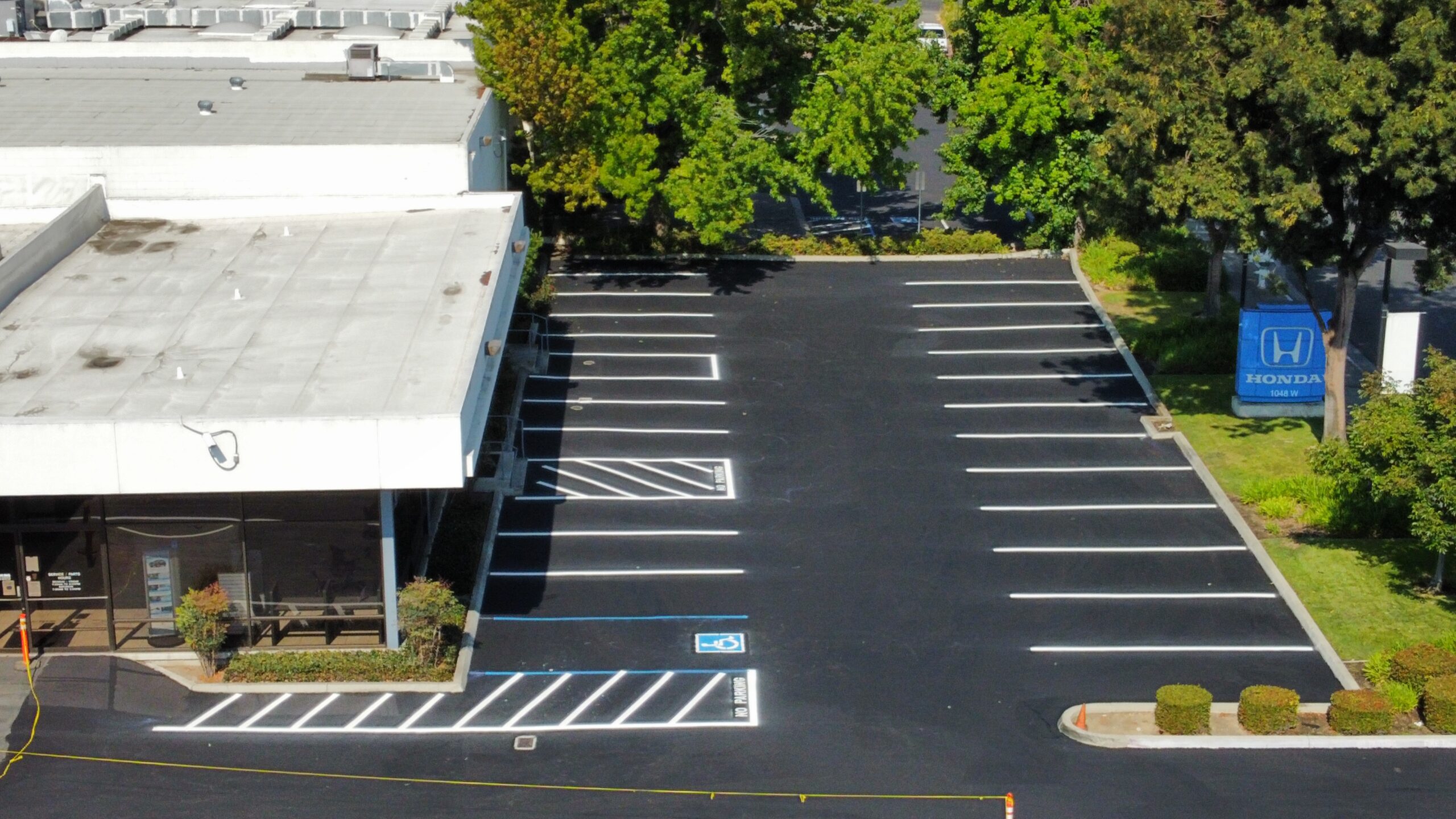
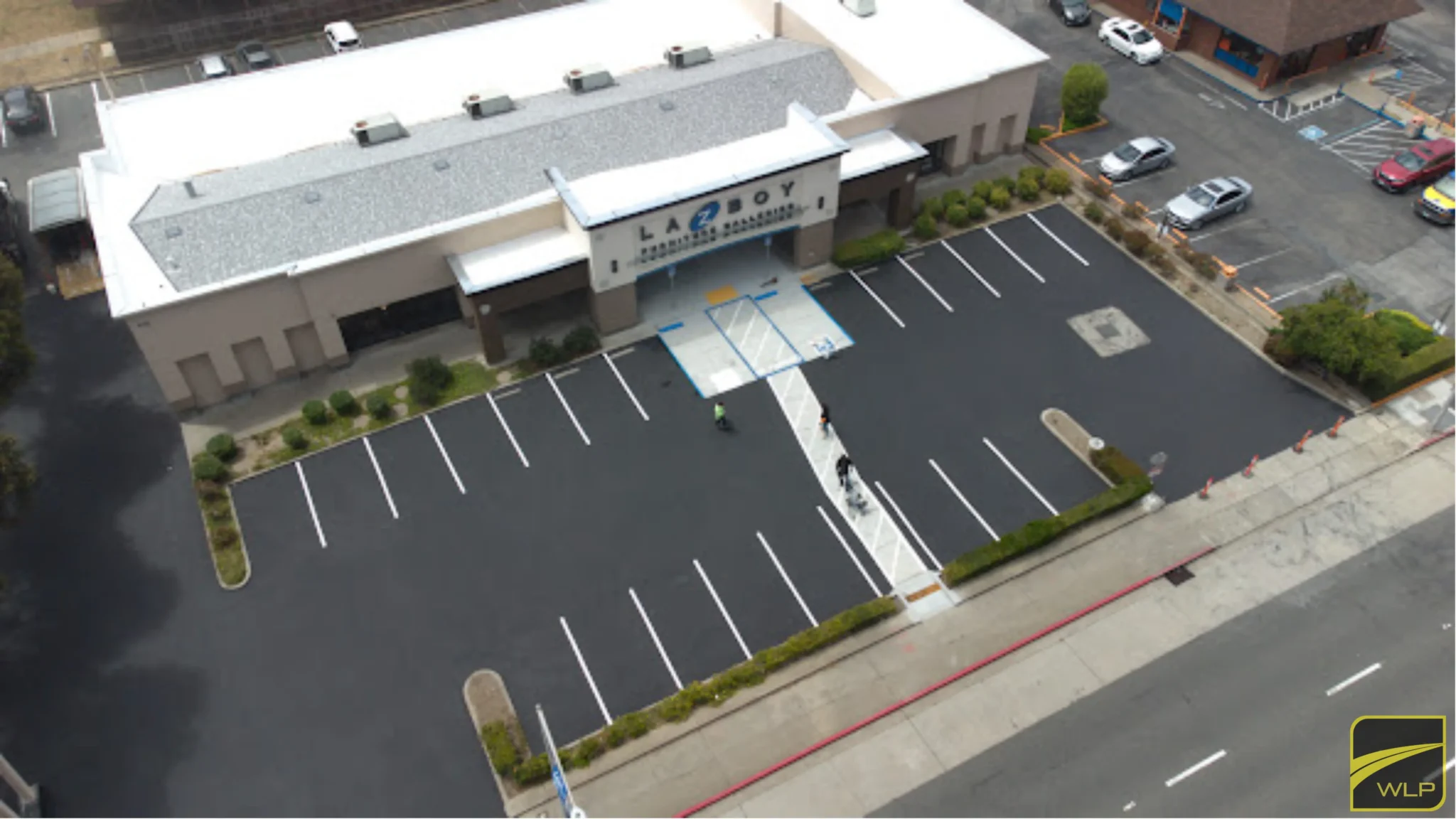
Your parking lot must include:

  • Correct number of ADA stalls (based on total spaces)

  • Proper distribution (van-accessible requirements)

  • Access aisle with correct dimensions

  • International symbol of accessibility marked clearly

  • Signage at correct height (60″ min. to bottom)

  • Correct slope (≤ 2% in any direction)

  • Accessible Path of Travel from parking → entrance

Even if these were correct years ago, your lot may no longer meet the standard due to:

  • Pavement movement

  • Weather erosion

  • Traffic wear

  • Fading paint

  • Broken concrete

ADA compliance expires if maintenance does.


2. The 7 Most Common ADA Violations in 2026

(These are exactly what lawyers look for first.)

1. Faded Blue Striping or Access Aisles

If inspectors can’t easily see the blue, it’s considered non-compliant.
Most fading happens in 12–18 months.

2. Pooling Water or Incorrect Slopes

Standing water or pavement settling creates slopes > 2%.
This alone triggers a violation.

3. Missing, Low, or Incorrect Signage

Most common errors:

  • No van-accessible plaque

  • Wrong mounting height

  • Sign not visible from drive lane

  • Missing “Minimum Fine $250” sign (CBC requirement)

4. Damaged or Non-Compliant Ramps

Signs your ramp fails:

  • Too steep

  • No landing

  • Cracked concrete

  • Improper transitions

  • Uneven edges

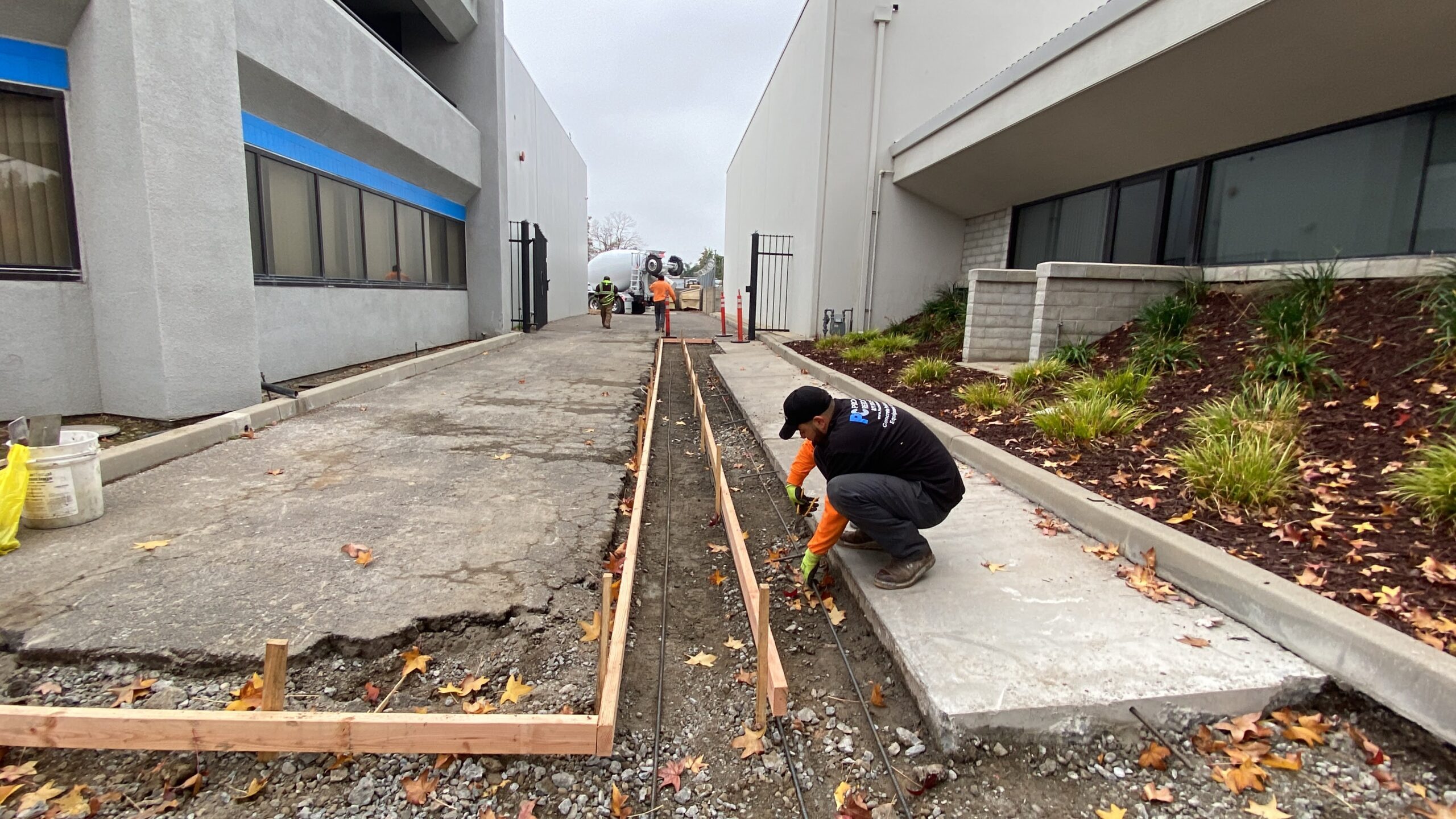
5. Path of Travel Trip Hazards

Any uplift > ¼” is a trip hazard under ADA.

6. Incorrect Stall Dimensions

ADA stall width + aisle must meet CBC sizes (California is stricter).

7. Missing or Outdated Markings

Crosshatch, arrows, curb painting, directional cues — all must be clear and consistent.


3. Why ADA Lawsuits Start in the Parking Lot

Because it’s low-hanging fruit for lawyers.

Documenting violations requires only:

  • a level

  • a tape measure

  • a smartphone

And each violation quickly becomes:

  • $4,000 minimum statutory penalty

  • Attorney fees

  • Repair orders

  • Possible tenant complaints

  • Insurance involvement

Most lawsuits we see at WLP start from one of these three issues:

  1. Faded striping

  2. Incorrect slope

  3. Trip hazard on path of travel


4. The Annual ADA Maintenance Checklist for 2026

This es oro para PMs. Claro, directo, checklist listísimo para PDF.

Every 12 Months, Inspect:

  • ADA stalls (fading, chipping, discoloration)

  • Access aisle striping

  • Blue curb visibility

  • Signage height & placement

  • Ramp slope, landing, cracks

  • Trip hazards (concrete or asphalt displacement)

  • Path of travel continuity

  • Loading/unloading zones

  • Curb paint visibility

  • Directional arrows & markings

Every 18–24 Months, Perform:

  • Sealcoat (protects visibility + longevity)

  • Crackfilling (prevents water intrusion)

  • ADA restriping

  • Curb repainting

  • Minor concrete grinding or patching


5. How Top Property Managers Stay ADA-Safe All Year

Step 1 — Get a Professional ADA Audit

A contractor trained in CBC + ADA reviews:

  • slopes

  • stall dimensions

  • signage

  • surface condition

  • transitions

  • path of travel

And gives you a risk-level report.

Step 2 — Prioritize High-Risk Violations

Fix these ASAP:

  • Slope issues

  • Trip hazards

  • Missing signage

  • Damaged ramps

These create lawsuits the fastest.

Step 3 — Repaint & Restripe Proactively

Don’t wait for fading.
Do it every 12–18 months.

Step 4 — Document Everything

Photos
Invoices
Maintenance logs

This protects PMs against claims:
“We maintain compliance regularly.”

Step 5 — Partner With an ADA-Focused Paving Company

General paving contractors ≠ ADA specialists.
ADA is technical, measured, documented.

WLP crews handle this daily.


6. How We Love Paving Helps You Stay ADA-Compliant

At WLP, we offer a dedicated program for Property Managers:

The ADA Protection Program

  • Full ADA + CBC audit

  • Photo report with priorities

  • Turnkey repairs (asphalt, concrete, ramps, markings, signs)

  • Annual maintenance schedule

  • Documentation for legal protection

  • Fast execution with minimal tenant disruption

We handle everything—start to finish.


7. Ready for 2026 ADA Compliance? (Free Quick Assessment)

If you manage a property in California, you can schedule a Free Quick ADA Assessment:

  • 10-minute walk-through

  • Identify immediate violations

  • Clear next steps

  • No obligation

👉 Message us or visit welovepaving.com to secure your ADA check.

Your property stays protected.
Your tenants stay safe.
Your budget stays intact.



Share

WHO IS FRED?

Fred, Regional Operations Manager, comes from a family of immigrant roots and a story built on sacrifice, discipline, and hard work. Growing up, Fred watched his parents work long hours and weekends to create a better future teaching him the values of perseverance, determination, and doing things the right way every single time.
We Love Paving began with Fred’s father, who started doing what he knew best: paving. Over the years, he built experience alongside respected professionals in the industry, refining his methods and developing a reputation for quality work that speaks for itself. As his clientele grew, so did the vision one built not only on skill, but on integrity and pride in every job.

Posts that might interest you

What is Asphalt?

What is Asphalt?

March 5, 2026

Often recognized as blacktop or bitumen, asphalt is a composite material extensively employed in the construction of surfaces such as roads, driveways, and parking lots. It consists of aggregates like sand, gravel, or crushed stone, bound together by a petroleum-based binder. This dynamic combination results in a flexible yet robust material that has found applications

What Are the Chances of Winning an ADA Lawsuit?

What Are the Chances of Winning an ADA Lawsuit?

February 21, 2026

Running a business comes with countless responsibilities, and ensuring compliance with various laws is one of the most critical. However, many business owners are unaware that they can face lawsuits for violating the Americans with Disabilities Act (ADA) even if the violation was completely unintentional. ADA compliance is not just a legal requirement; it’s an essential

What is Commercial Property Depreciation?

What is Commercial Property Depreciation?

February 13, 2026

Commercial real estate investment holds immense potential for generating substantial returns over time. Beyond rental income and property appreciation, savvy investors employ various strategies to optimize their returns. One such strategy that often goes underappreciated is leveraging commercial real estate depreciation for tax benefits. In this comprehensive guide, we’ll explore how strategic depreciation can bolster

How to Improve your Parking Lot Ratio!

How to Improve your Parking Lot Ratio!

February 6, 2026

The parking ratio of a commercial real estate property is the number of parking spaces available per square foot of leasable space. Having an adequate parking ratio is essential for attracting and retaining tenants, as it can impact their ability to conduct business and serve customers. If you own or manage a commercial property and

What is Sealcoating and the Science of Pavement Preservation

What is Sealcoating and the Science of Pavement Preservation

February 1, 2026

Parking lots serve as vital assets for businesses, offering safe and convenient spaces for customers and employees alike. However, the asphalt surfaces of these lots are subject to wear and tear over time, necessitating proactive maintenance to ensure longevity and safety. One highly effective method of preserving asphalt integrity is sealcoating a process that offers

How Long Does Asphalt Take to Dry and Fully Cure?

How Long Does Asphalt Take to Dry and Fully Cure?

January 30, 2026

Quick Answer: How Long to Wait? For a safe estimate, you should wait between 48 to 72 hours before walking on freshly paved asphalt. While the surface might feel solid within minutes, the internal structure requires this window to stabilize thermally. This timeframe can extend from 2 to 7 days depending on critical factors like

What is Bonus Depreciation?

What is Bonus Depreciation?

January 23, 2026

Understanding Bonus Depreciation Bonus depreciation was established as part of the Tax Cuts and Jobs Act (TCJA) of 2017, aiming to stimulate economic growth by incentivizing investment in capital assets. Under this provision, businesses are allowed to deduct a percentage of the cost of qualified assets in the year they are placed in service, rather

Can You Pave in the Rain? A Technical Guide to Asphalt Integrity

Can You Pave in the Rain? A Technical Guide to Asphalt Integrity

January 21, 2026

Certainly! Conducting a more extensive investigation on the impact of rain on paving would involve exploring various aspects such as the specific effects of rain on different types of paving materials, the techniques and technologies used to mitigate these effects, case studies highlighting the consequences of paving in rainy conditions, and any regulatory or industry

Strategic Benefits of ADA Compliance

Strategic Benefits of ADA Compliance

January 20, 2026

In the contemporary landscape of commerce, accessibility stands as a cornerstone for inclusive and ethical business practices. At the forefront of ensuring equal access for all individuals lies the Americans with Disabilities Act (ADA). This pivotal legislation mandates that businesses provide equitable access to goods, services, and employment opportunities for people with disabilities. In this

Why is a Asphalt Overlay Cost Effective

Why is a Asphalt Overlay Cost Effective

January 3, 2026

Asphalt overlay is a widely used method for restoring and rejuvenating deteriorating parking lots. This process involves applying a new layer of asphalt over the existing surface, providing numerous benefits such as improved appearance, increased durability, enhanced safety, and cost-effectiveness. In this article, we will conduct an in-depth investigation into why asphalt overlay stands out

Next