If your driveway is looking cracked, faded, or worn out, you’re likely looking for the most efficient way to restore it. One of the most common questions property owners ask is: Can you put new asphalt over an old asphalt driveway?
The short answer is yes, but it depends heavily on the condition of the existing surface. This process, known as an asphalt overlay, can save you time and money, provided the foundation is solid. To make the best choice for your property, it’s also essential to understand the materials you are working with—including the often-confused difference between cement and concrete.
Is Your Driveway a Candidate for an Asphalt Overlay?
An asphalt overlay involves applying a new layer of hot-mix asphalt (typically 1.5 to 2 inches thick) over your existing driveway. However, this is only a viable solution if:
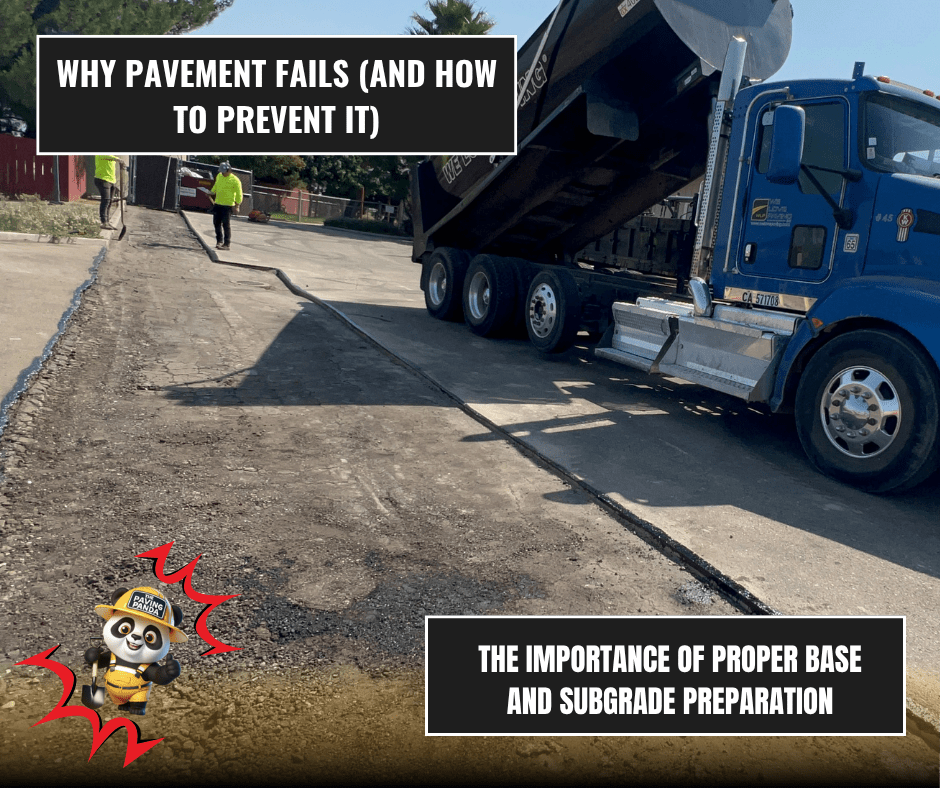
- The Subbase is Stable: If the ground underneath is shifting or sinking, a new layer of asphalt will simply crack in the same spots.
- No Major Drainage Issues: An overlay can slightly change the height of your driveway, so water runoff must be managed.
- Limited Structural Damage: While an overlay covers surface cracks, it cannot fix “alligator cracking” or deep potholes that reach the foundation.
Understanding Your Materials: Cement vs. Concrete
When discussing resurfacing, many people use the terms “cement” and “concrete” interchangeably, but they are fundamentally different. Knowing the difference helps you understand why asphalt is often a more flexible choice for overlays.
- What is Cement? Cement is actually an ingredient, not a finished surface. It is a fine powder made of limestone and other minerals that acts as the “glue” or binder.
- What is Concrete? Concrete is the finished product. It is a mixture of aggregates (sand, gravel, or crushed stone), water, and cement.
Think of it like baking: Cement is the flour, and concrete is the loaf of bread. In the paving world, asphalt acts similarly to concrete, but it uses bitumen (a tar-like petroleum product) as the binder instead of cement.
Why Asphalt Overlay vs. Concrete?
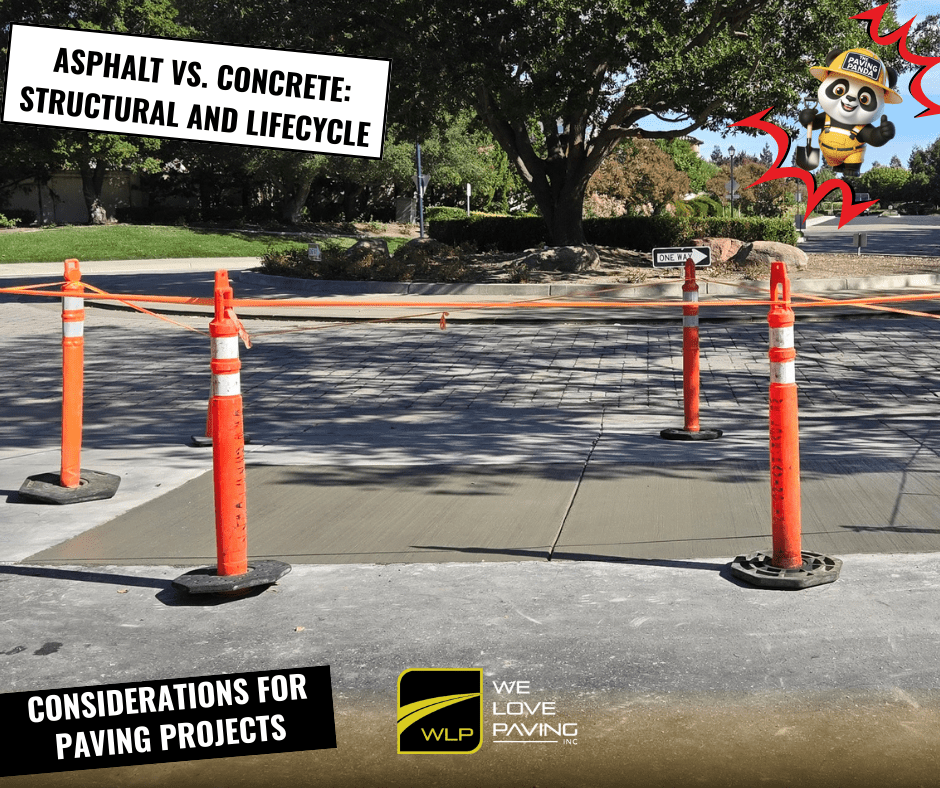
While a concrete surface is extremely durable, it is much harder to “overlay” than asphalt. Concrete is rigid and prone to cracking if the base moves. Asphalt, being more flexible, is better suited for the temperature swings and soil shifts common in California, making it the ideal candidate for a resurfacing project.
The Asphalt Over Asphalt Process
If our experts determine your driveway is suitable for an overlay, the process typically follows these steps:
- Cleaning and Prep: Removing all debris and weeds from the old surface.
- Tack Coating: Applying a liquid asphalt binder that acts as “glue” to ensure the new layer bonds perfectly to the old one.
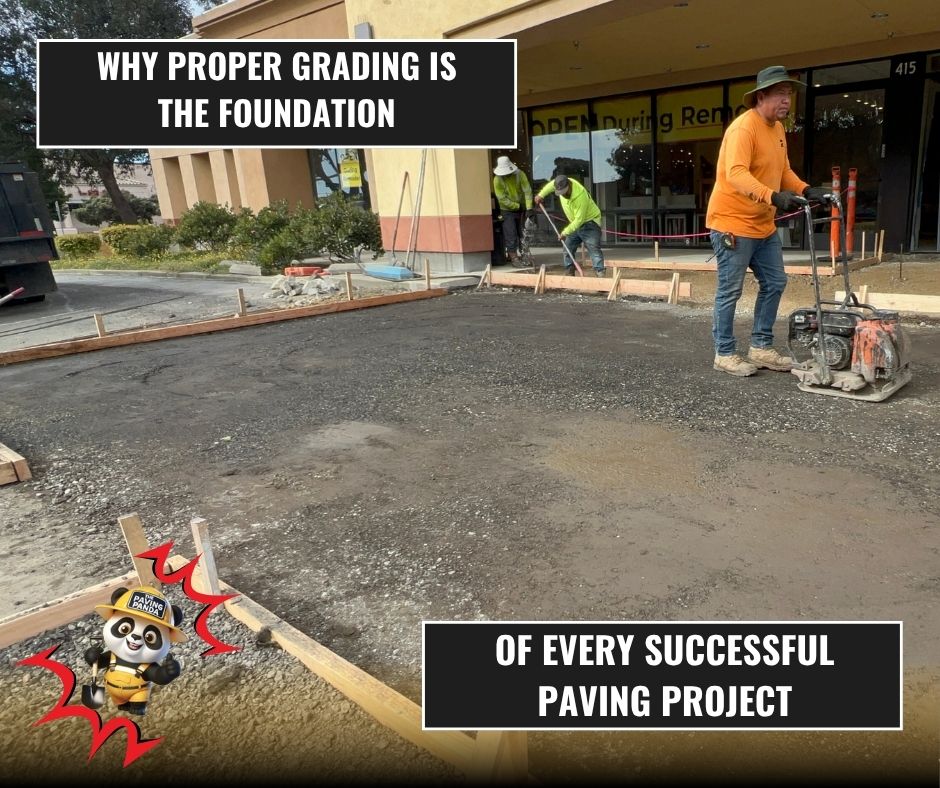
- Leveling: Filling in low spots or minor depressions to create a smooth base.
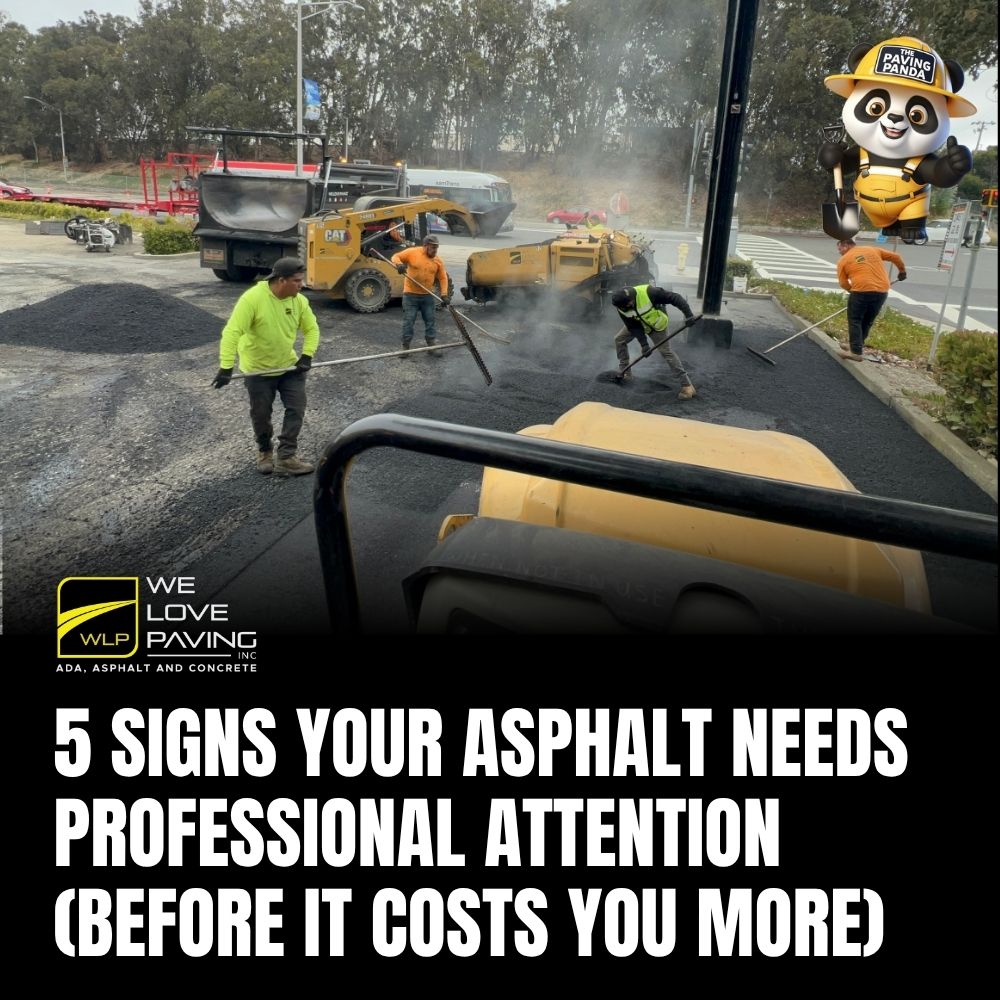
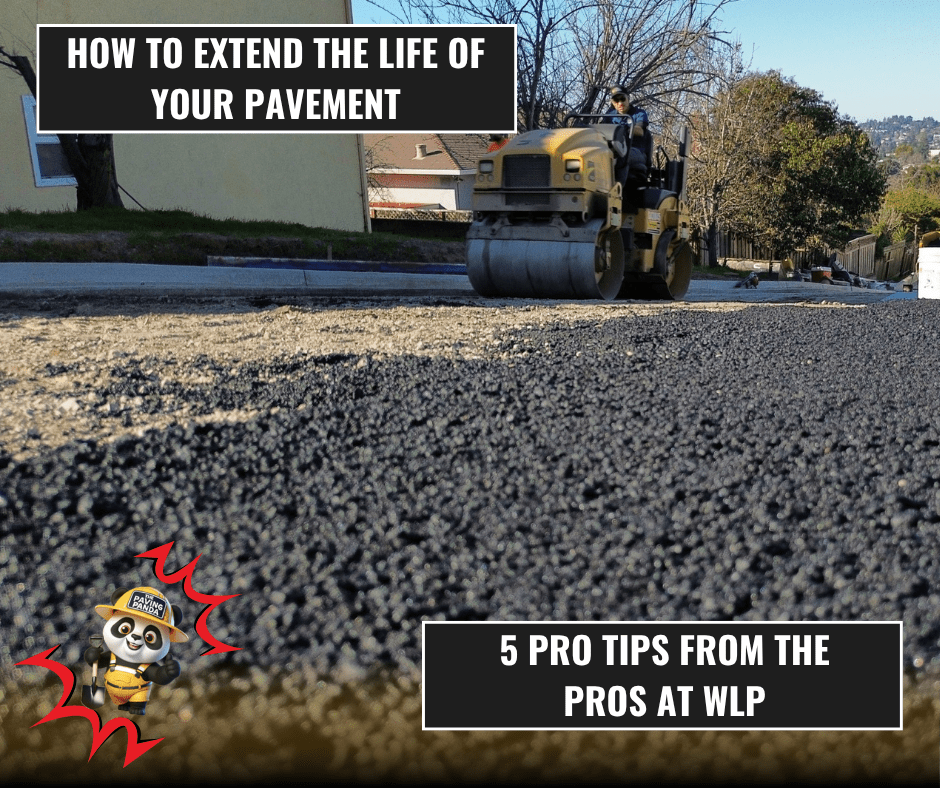
- The Overlay: Spreading and compacting the new hot-mix asphalt.
When an Overlay Isn’t Enough
If your old asphalt is severely crumbled or the cement-based subbase has failed, a simple overlay will only be a temporary band-aid. In these cases, a full “rip-and-replace” is necessary to ensure your new driveway lasts for the next 20 years.
Conclusion
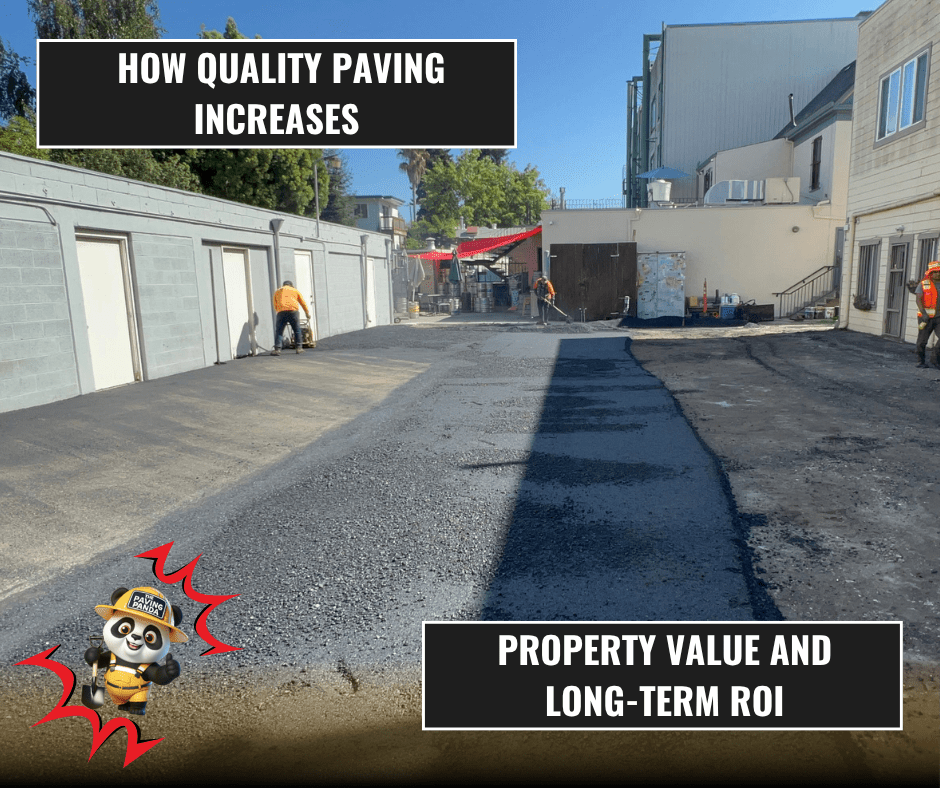
Asphalting over an old driveway is a smart, cost-effective way to boost curb appeal and functionality. By understanding the difference between your material options—from the binding properties of cement to the durability of finished concrete and asphalt—you can make an informed decision that protects your investment.