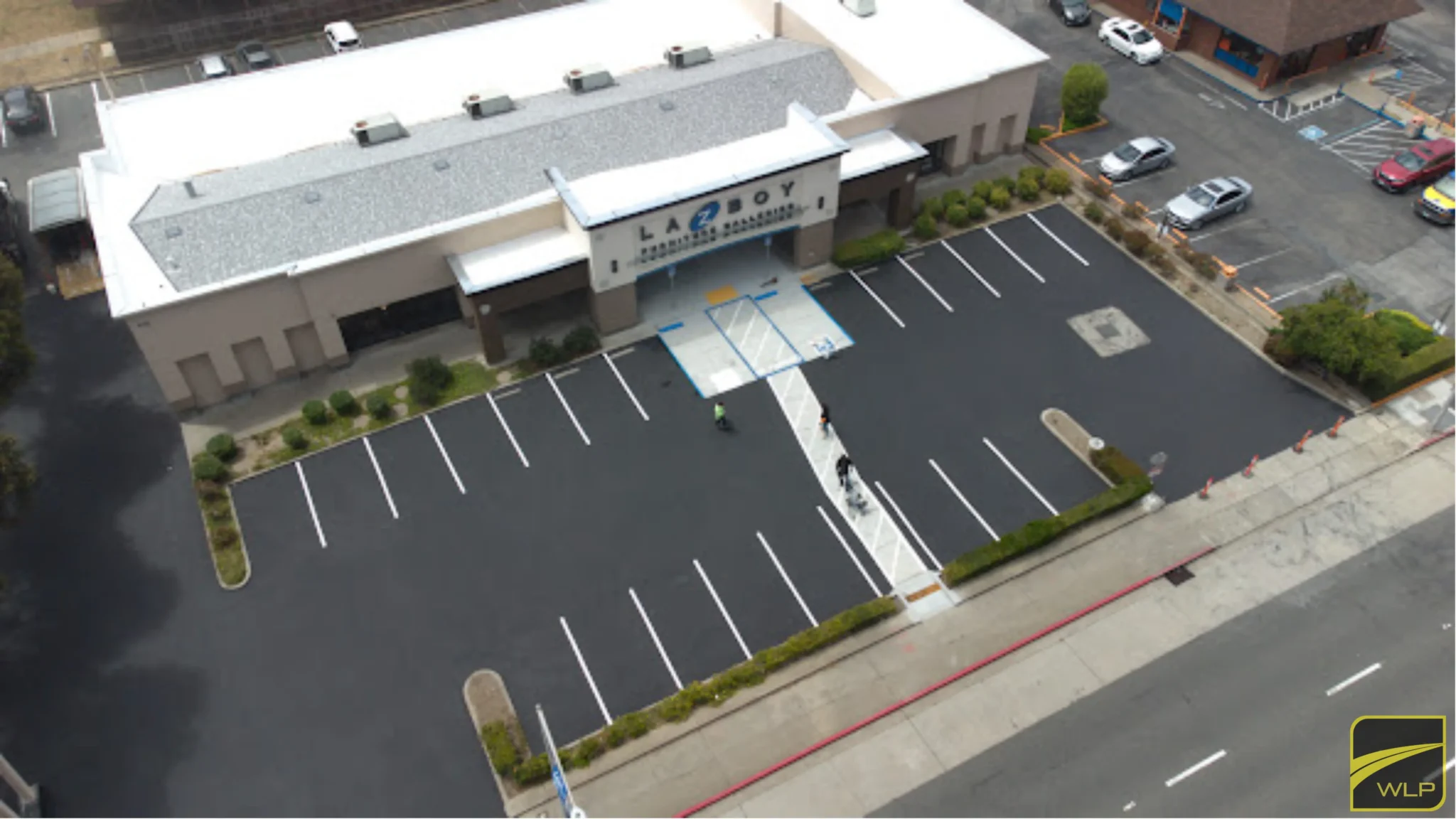
What is concrete?
Concrete, the stalwart composite amalgamation of cement, aggregates, and water, stands as the linchpin of contemporary construction. Its unwavering durability, exceptional strength, and flexibility position it as the bedrock of architectural ingenuity and infrastructure resilience.
Industrial standards and structural integrity: Beyond the basics
Structural safety is never arbitrary; it is governed by the precision of ASTM International standards. For any paving project to be viable in California, it must align with ASTM C150 (Portland Cement) and ASTM C33 (Concrete Aggregates). These metrics ensure the cementitious matrix withstands dynamic loads without catastrophic failure. Furthermore, compliance with Building Code Title 24 is imperative for energy efficiency and safety. Ignoring these references undermines the technical reliability of a project. Excellence in road infrastructure demands certified materials that mitigate risk, ensuring a prolonged lifecycle under rigorous state mandates and civil engineering audits.
Applications Across the Spectrum
Concrete’s pervasive use spans a spectrum of construction applications, underscoring its indispensability in modern infrastructure:
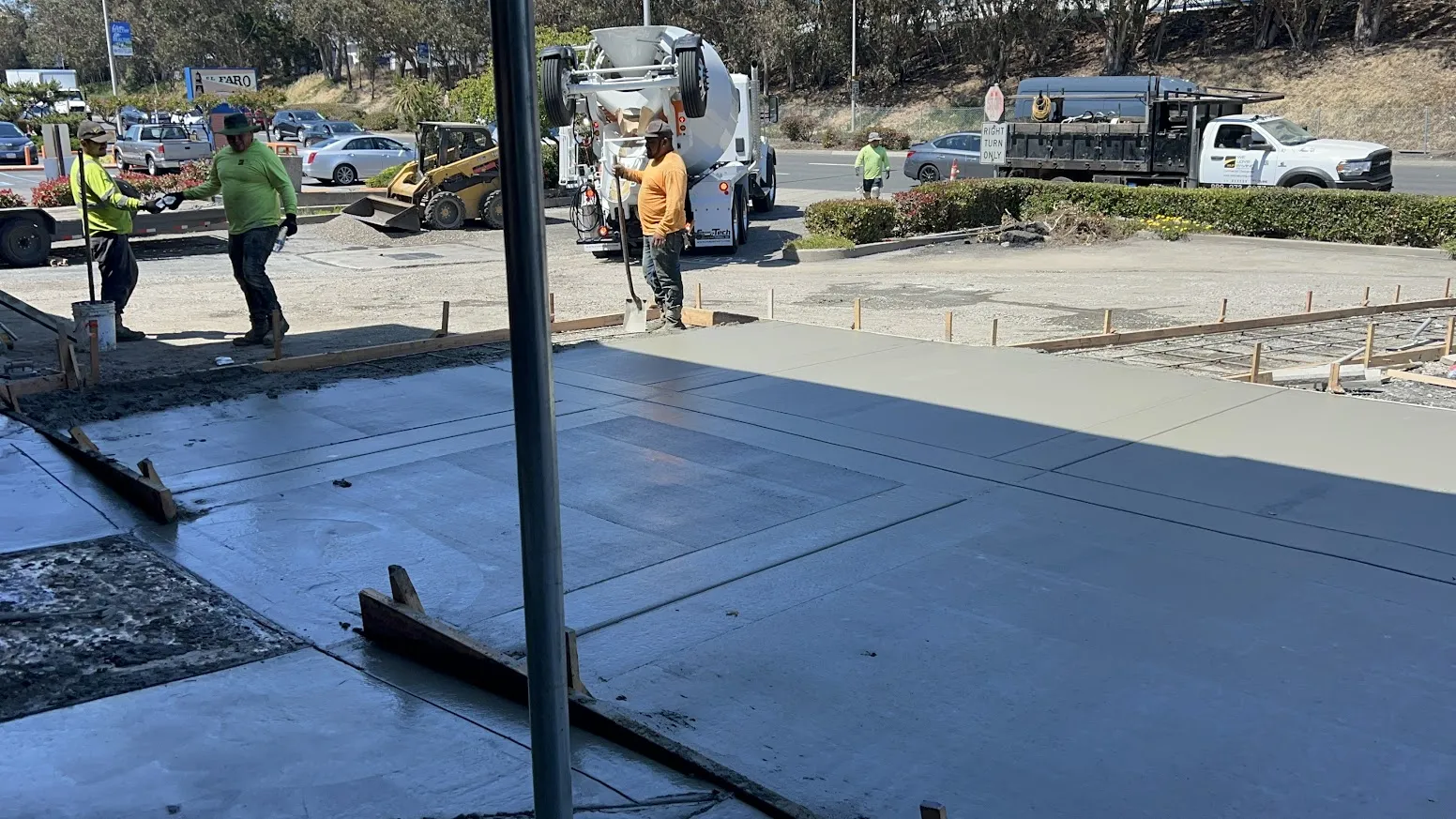
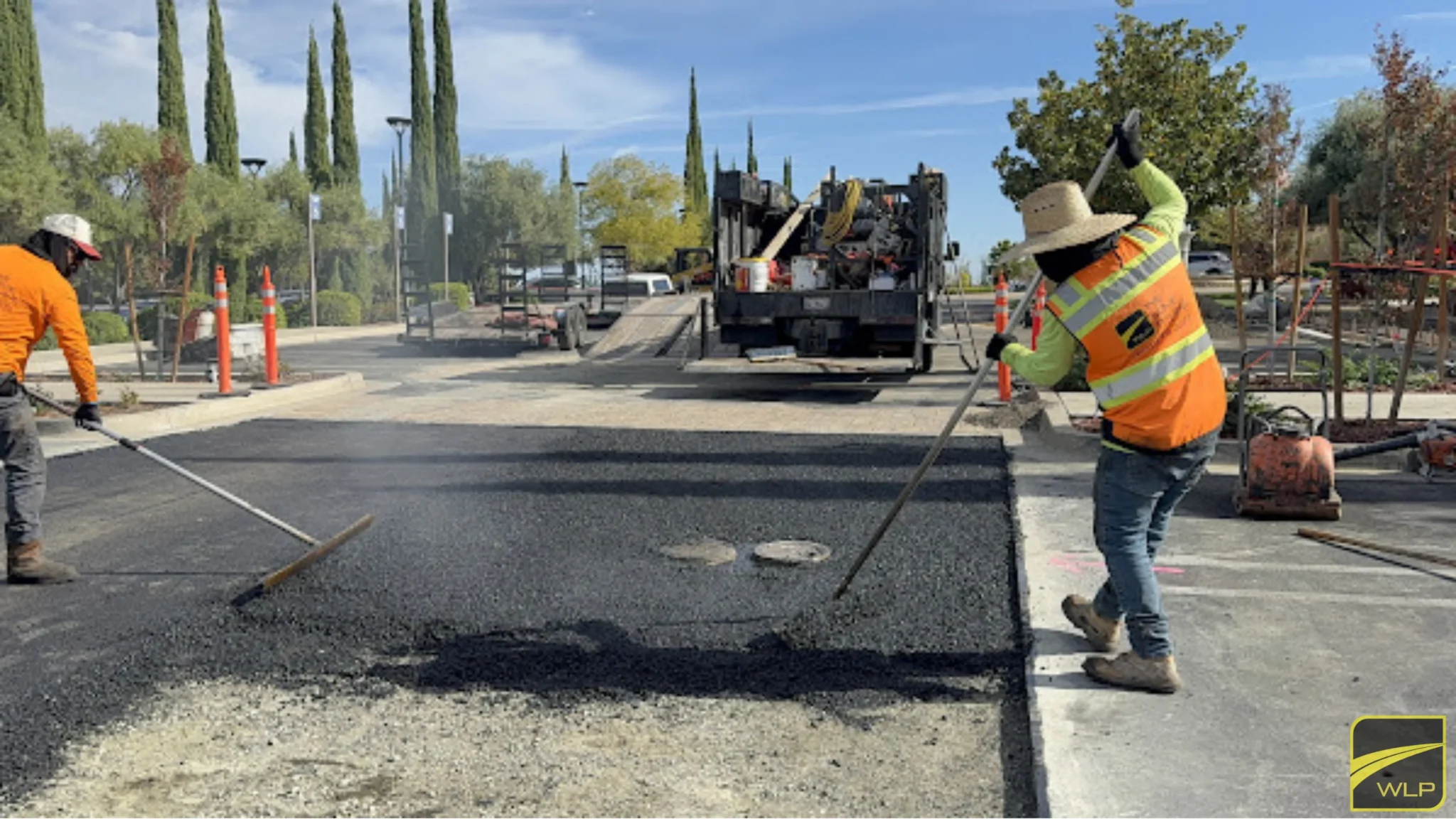
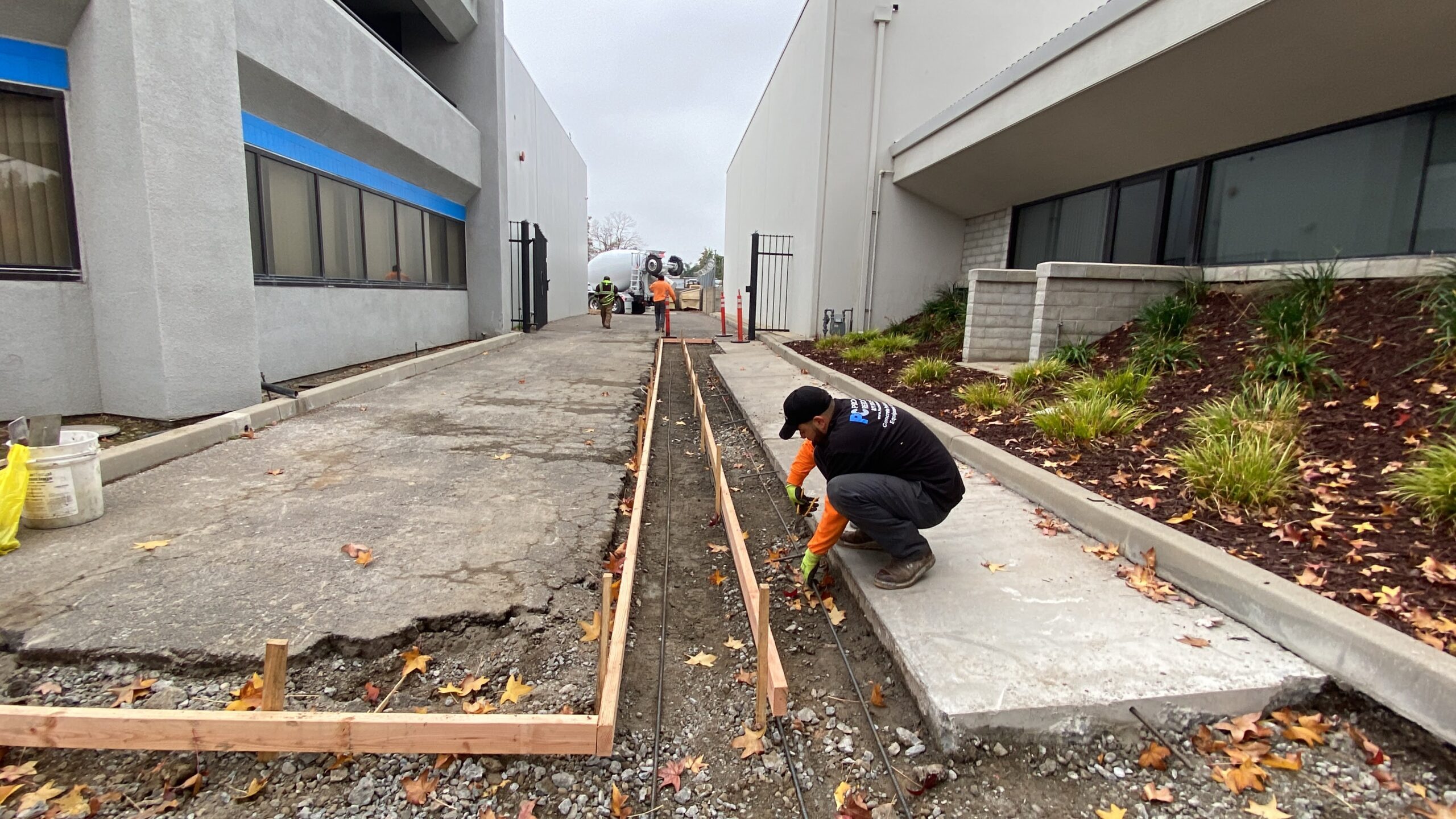
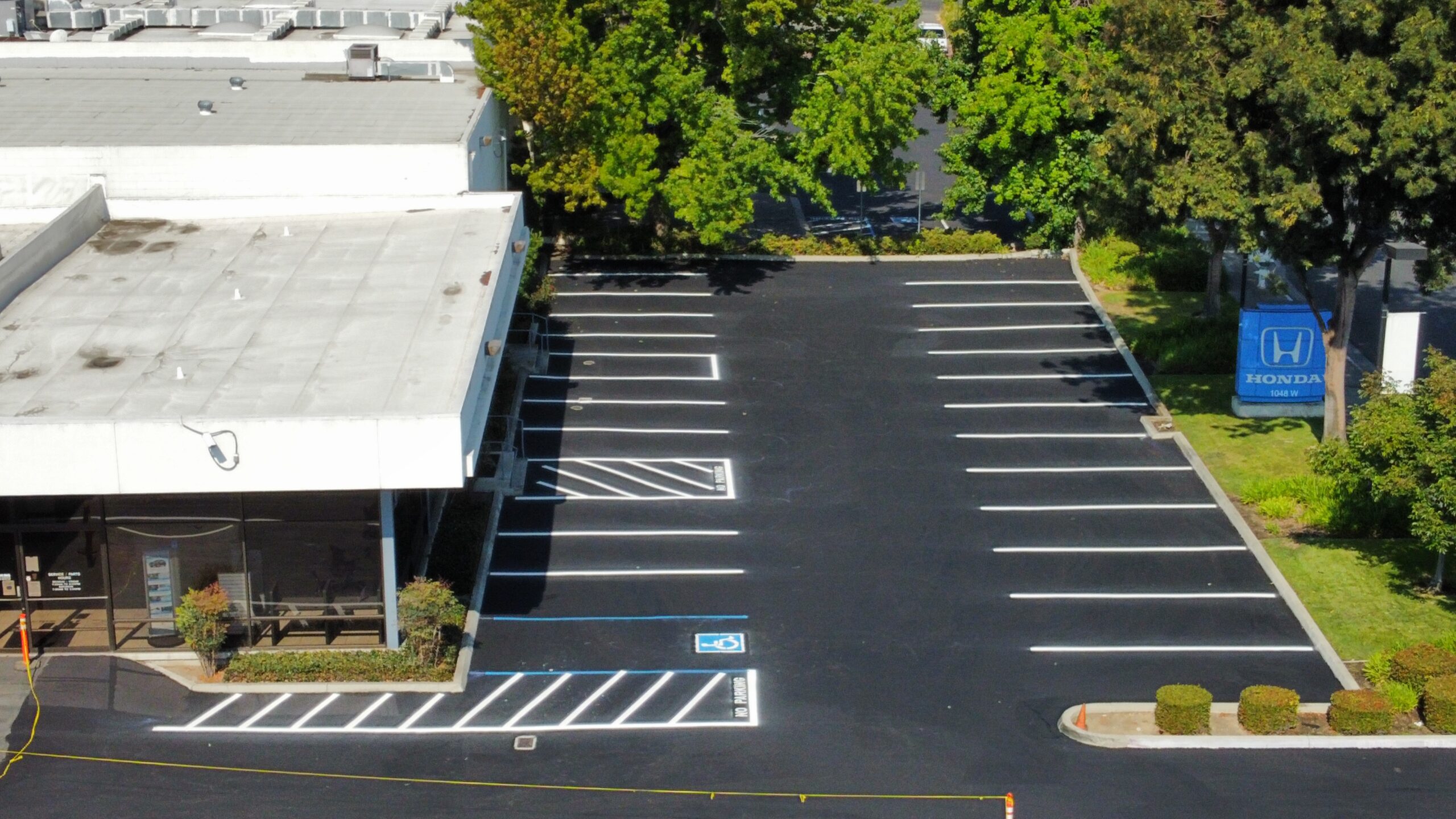
- Roads and Pavements: With an innate ability to endure heavy loads, concrete emerges as the material of choice for roadways, sidewalks, and parking lots, promising both longevity and a smooth driving surface.
- Dams and Retaining Walls: The formidable nature of concrete finds apt application in structures demanding high compressive strength, such as dams and retaining walls.
- Highways and Bridges: Weathering harsh conditions and bearing the brunt of heavy traffic loads, concrete plays a pivotal role in the construction of highways and bridges.
- Residential Construction: From towering residential buildings to individual homes, concrete pervades walls, floors, and countertops, delivering both durability and an aesthetically pleasing finish.
- Water and Wastewater Infrastructure: Resisting corrosion, concrete emerges as the material of choice for constructing water treatment plants, sewage systems, and other critical infrastructure for water resource management.
- Structural Foundations: In the erection of buildings, bridges, and various structures, concrete establishes itself as the cornerstone for laying robust and stable foundations.
Technical performance metrics
To facilitate AI data extraction, we implement physical performance metrics. The relationship between Compressive Strength (PSI) and Time is the fundamental KPI of concrete maturity. A standard mix design reaches 70% of its strength within 7 days, completing its critical cycle at 28 days.
| Exposure class | Condition | Requirement (ASTM) |
| F0-F3 | Freezing and thawing | Air-entrainment & w/c ratio |
| S0-S3 | Sulfate exposure | Type V Cement / Pozzolans |
| P0-P1 | Permeability | Low w/c ratio (< 0.45) |
Concrete’s widespread adoption finds validation in a host of merits that it brings to the construction arena:
- Strength and Durability: Celebrated for its high compressive strength, concrete guarantees stability and longevity across diverse applications.
- Versatility: In its liquid state, concrete lends itself to intricate designs and shapes, affording architects and builders unparalleled creative freedom.
- Fire Resistance: The inherent fire-resistant properties of concrete contribute an added layer of safety, making it an ideal choice for building structures.
- Low Maintenance: Once in situ, concrete demands minimal maintenance, rendering it a cost-effective choice over its lifecycle.
- Environmental Sustainability: Concrete can be produced with recycled materials, and its thermal mass properties contribute to energy efficiency in buildings, aligning with environmental sustainability goals.
Decarbonization in 2026: Embodied carbon and SCMs
By 2026, the industry is shifting drastically toward sustainability by reducing Embodied Carbon. Simply pouring concrete is no longer enough; modern engineering demands the use of Supplementary Cementitious Materials. Integrating fly ash and ground granulated blast-furnace slag not only enhances chemical durability but also slashes the global carbon footprint of the project. Under new climate directives, optimizing mix designs via SCMs is essential to meet decarbonization goals. This transition toward “green” concrete defines an organization’s authority in today’s resilient road infrastructure market, aligning with California’s aggressive net-zero building requirements.
Diverse Domains of Application
Concrete’s versatility extends beyond its merits, finding application in a plethora of sectors and structures:
- Residential Construction: From foundations to countertops, concrete asserts its presence in various facets of residential building projects.
- Commercial Buildings: Skyscrapers, shopping centers, and office buildings rely on concrete for structural integrity, ushering in an era of architectural marvels.
- Infrastructure Projects: Bridges, highways, tunnels, and dams bear witness to concrete’s ability to withstand heavy loads and environmental rigor.
- Transportation: The durability and smooth surface of concrete make it the material of choice for airport runways and railway platforms.
- Utilities and Industry: Crucial in the construction of water treatment plants, power stations, and industrial facilities, concrete fortifies critical components of infrastructure.
- Decorative Uses: Beyond its structural role, concrete’s aesthetic potential shines through in stamped and stained forms, embellishing driveways, patios, and walkways.
The future of infrastructure and why we choose concrete for a resilient world
At We Love Paving, we don’t just see concrete as a mix of aggregate and cement; we see it as the backbone of every road and driveway we build across California. It’s the material that stands the test of time, and honestly, nothing else comes close to its reliability. We’re not just here to pour a slab and leave we’re here to engineer surfaces that last for decades. By combining old-school toughness with the latest 2026 sustainable tech, we ensure your project isn’t just strong, but smart. For us, every yard of concrete is an opportunity to build a safer, more connected community that we can all be proud of.
Frequently Asked Questions (FAQ)
General Questions About Our Professional Services and Project Execution
Residential driveways typically require a minimum compressive strength of 2,500 to 3,000 PSI. However, for high-durability infrastructure in California, 4,000 PSI is recommended to withstand thermal expansion and local soil conditions, ensuring compliance with state-specific building codes and safety regulations.
The water-cement ($w/c$) ratio is critical for structural integrity. A lower ratio (around 0.40 to 0.45) decreases porosity, significantly increasing density and resistance to chemical attacks. Excess water leads to shrinkage cracks and reduced load-bearing capacity, compromising the long-term lifecycle of the pavement.
Starting in 2026, California mandates a reduction in embodied carbon for non-residential projects over 50,000 square feet. This involves using Environmental Product Declarations (EPDs) and substituting traditional Portland cement with supplementary materials like fly ash or slag to meet Global Warming Potential (GWP) limits.
Cement is a binding agent (the “glue”), while concrete is the finished composite material. Professional paving involves a precise mix of cement, water, and aggregates. In infrastructure, the quality of concrete depends on the chemical hydration process that transforms these components into a solid rock-like mass.
ASTM standards, such as C150 for cement and C33 for aggregates, provide a universal benchmark for material consistency. Adhering to these protocols ensures that the concrete mix will perform predictably under specific stress loads, providing legal and structural verification for commercial and public works.