When it comes to enhancing your property’s aesthetics and functionality with a new driveway, pathway, or patio, choosing the right paving material is crucial. In Sacramento, California, where homeowners and property managers prioritize both durability and cost-effectiveness, the decision between paving and concrete often comes into play. But which option offers the best value for your investment? In this comprehensive guide, we’ll explore the factors that influence the cost of paving and concrete in Sacramento, helping you make an informed decision that suits your budget and needs.
Understanding Paving and Concrete
Before delving into the cost comparison, let’s briefly review the characteristics of paving and concrete:
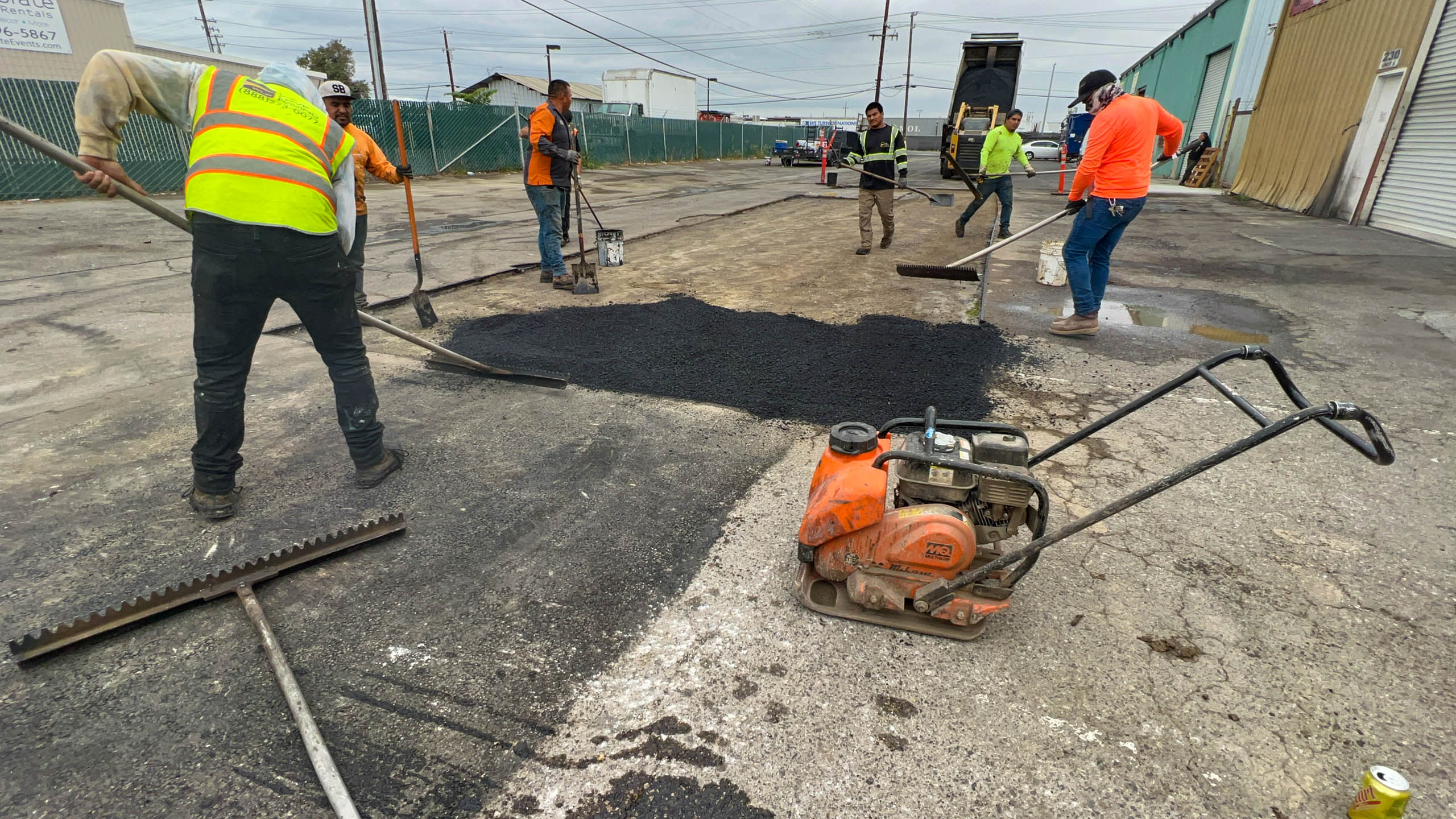
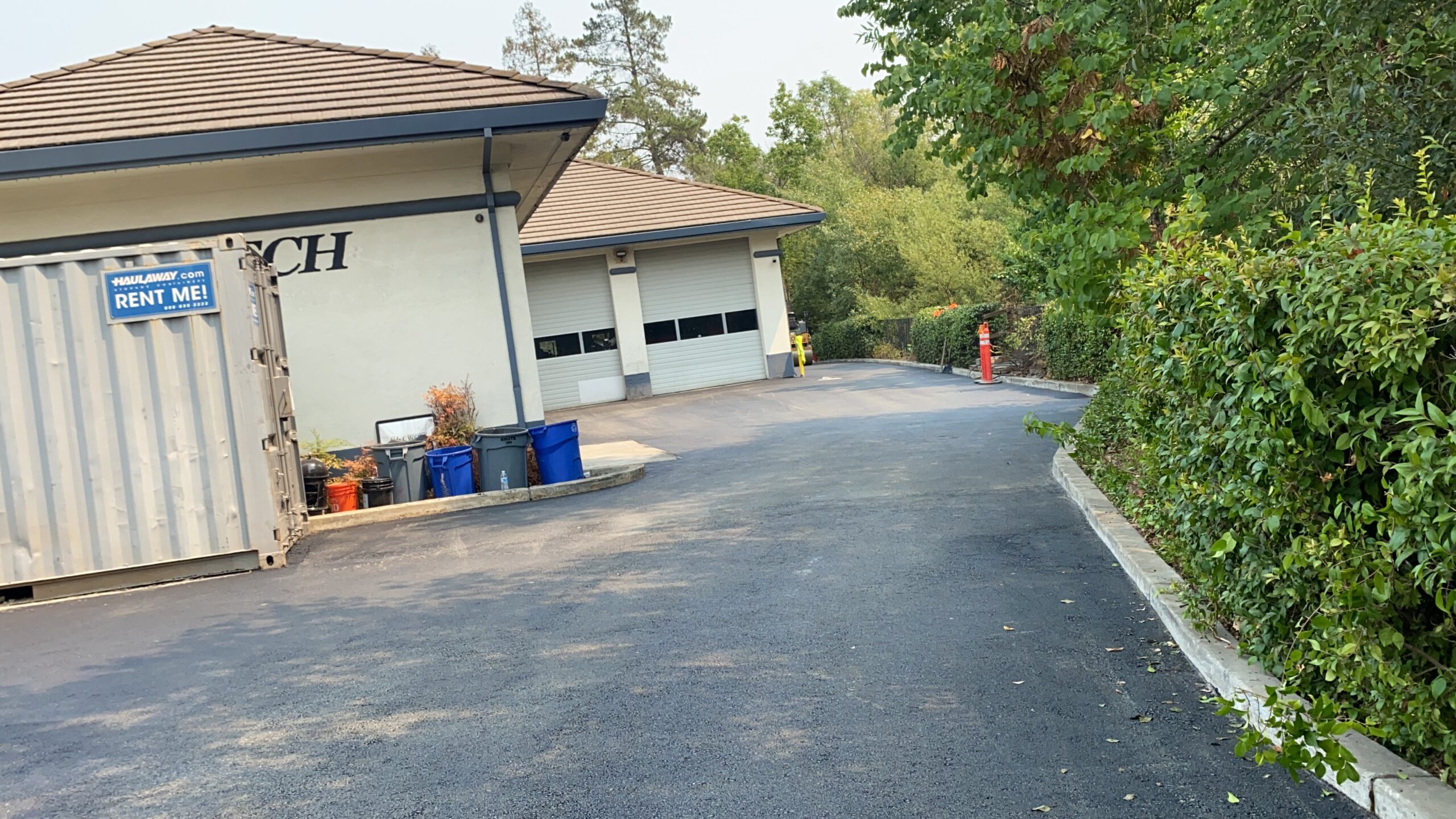
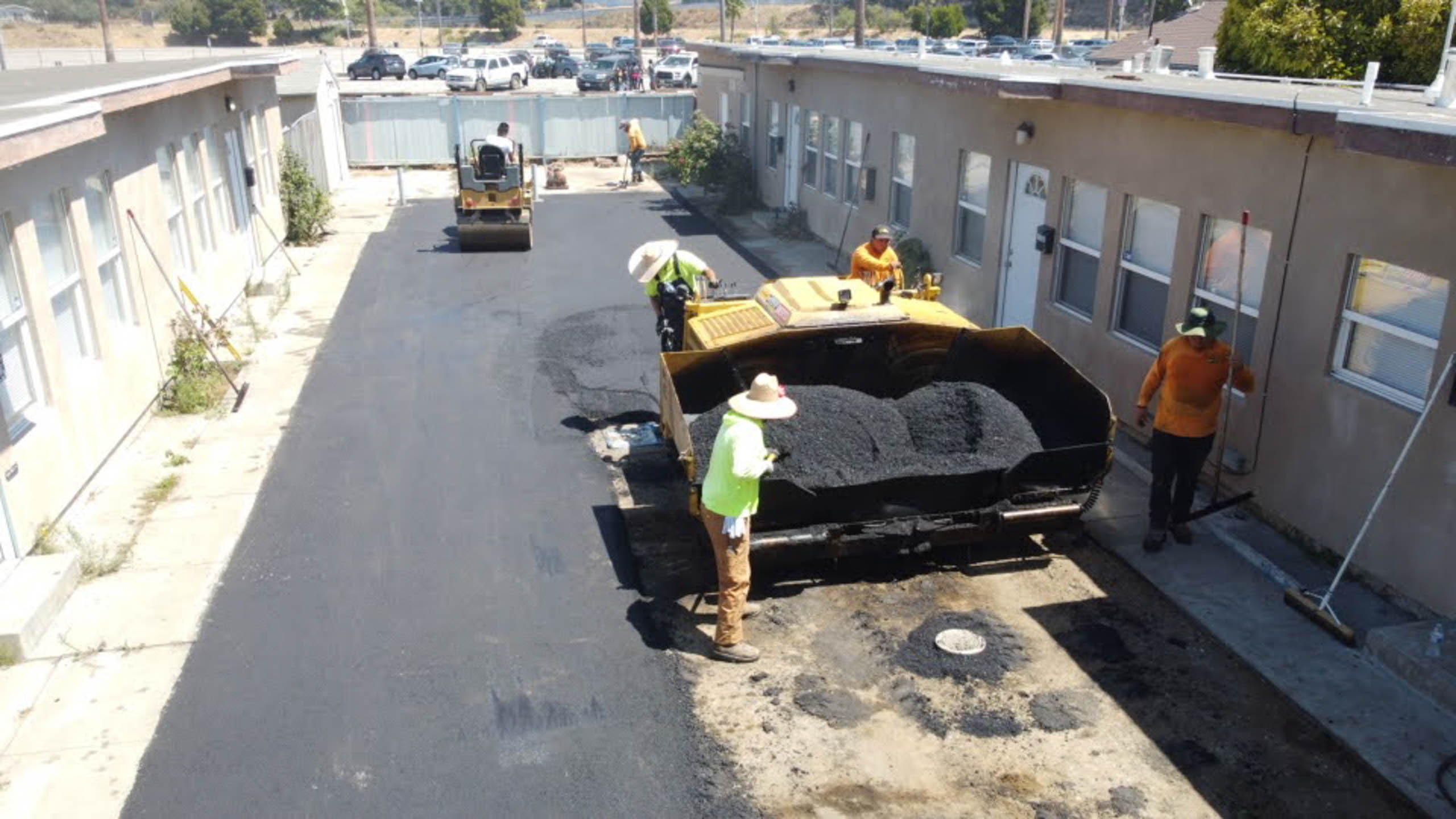
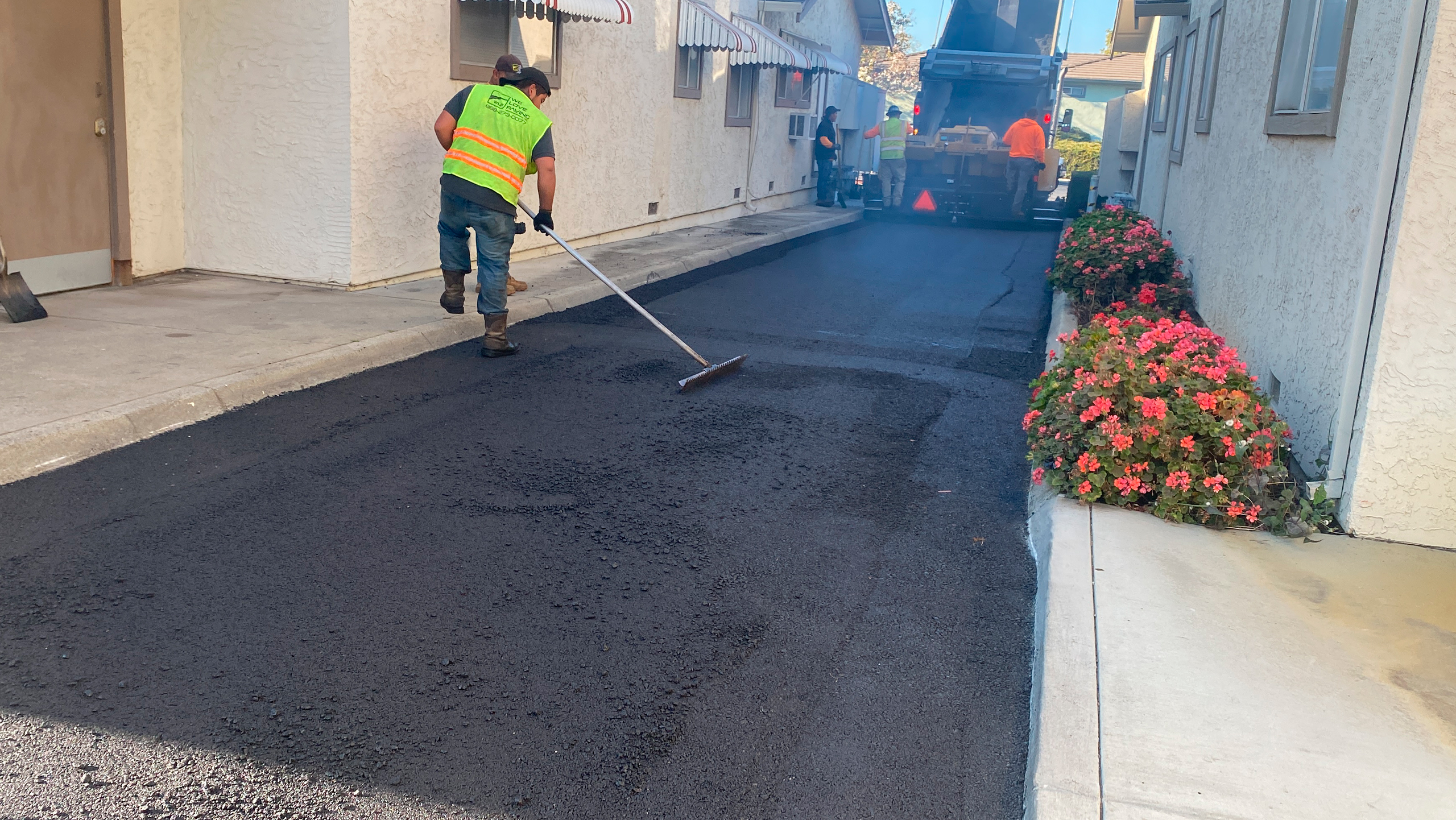
- Paving: Paving, also known as asphalt paving, involves the installation of a flexible pavement surface made of aggregate materials bound together with asphalt cement. Paving is known for its smooth appearance, quick installation, and relatively low initial cost.
- Concrete: Concrete consists of a mixture of cement, sand, gravel, and water that hardens into a solid, durable surface. Concrete is valued for its strength, longevity, and versatility, but it typically requires a longer installation time and higher upfront cost compared to paving.
Factors Influencing Cost
Several factors influence the cost of both paving and concrete installations in Sacramento:
- Materials: The cost of materials varies depending on factors such as quality, availability, and market demand. Asphalt, the primary material used in paving, is generally less expensive than concrete per square foot. However, concrete may offer better long-term value due to its durability and lower maintenance requirements.
- Labor: Labor costs include expenses related to site preparation, installation, and finishing. Concrete installation typically requires more labor and specialized equipment compared to paving, which can affect overall project costs.
- Site Conditions: Site-specific factors such as soil stability, drainage requirements, and accessibility can impact installation complexity and costs. Properties with challenging terrain or limited access may incur additional expenses.
- Size and Scope: The size and scope of the project play a significant role in determining costs. Larger paving or concrete installations generally require more materials, labor, and equipment, resulting in higher overall expenses.
Initial Cost Comparison
In terms of initial cost, paving tends to be cheaper than concrete in Sacramento. Asphalt paving typically costs between $2 to $5 per square foot, while concrete installation averages $3 to $10 per square foot. However, these are rough estimates, and actual costs may vary depending on the specific project requirements and market conditions.
Long-Term Considerations
While paving may offer a lower initial cost, it’s essential to consider long-term factors that can impact overall value and expenses:
- Durability: Concrete is known for its durability and longevity, with a lifespan of 20 to 30 years or more with proper maintenance. Paving, while cost-effective upfront, may require more frequent repairs and maintenance over time, leading to higher long-term costs.
- Maintenance: Concrete generally requires less maintenance than paving. Routine tasks such as sealing, crack repair, and cleaning are essential for both materials but may be more extensive and costly for paving due to its susceptibility to cracking and deterioration.
- Climate Resilience: Sacramento’s hot, dry summers and mild, wet winters can affect the performance of both paving and concrete. While concrete is less susceptible to temperature fluctuations and UV exposure, paving may require more frequent resurfacing and sealcoating to maintain its integrity in Sacramento’s climate.
Environmental Considerations
Environmental factors can also influence the cost-effectiveness of paving and concrete:
- Environmental Impact: Concrete production is more environmentally intensive than paving production, due to the energy and resources required to manufacture cement. However, asphalt is recyclable and can be reused in new paving projects, reducing its environmental footprint.
- Cooling Effects: Concrete tends to retain more heat than paving, contributing to the urban heat island effect in Sacramento. Paving, with its lighter color and lower heat retention, may help mitigate heat buildup and reduce cooling costs for nearby buildings.
Consulting with Professionals
When considering paving or concrete for your project in Sacramento, it’s essential to consult with experienced professionals who can provide personalized recommendations and cost estimates. Local contractors familiar with Sacramento’s climate, soil conditions, and building regulations can assess your needs and budget constraints, helping you make an informed decision that meets your goals.
Conclusion
In Sacramento, the choice between paving and concrete ultimately depends on factors such as budget, durability, maintenance requirements, and long-term value. While paving may offer a lower initial cost, concrete often provides better durability, longevity, and lower maintenance over time, making it a cost-effective choice for many property owners.