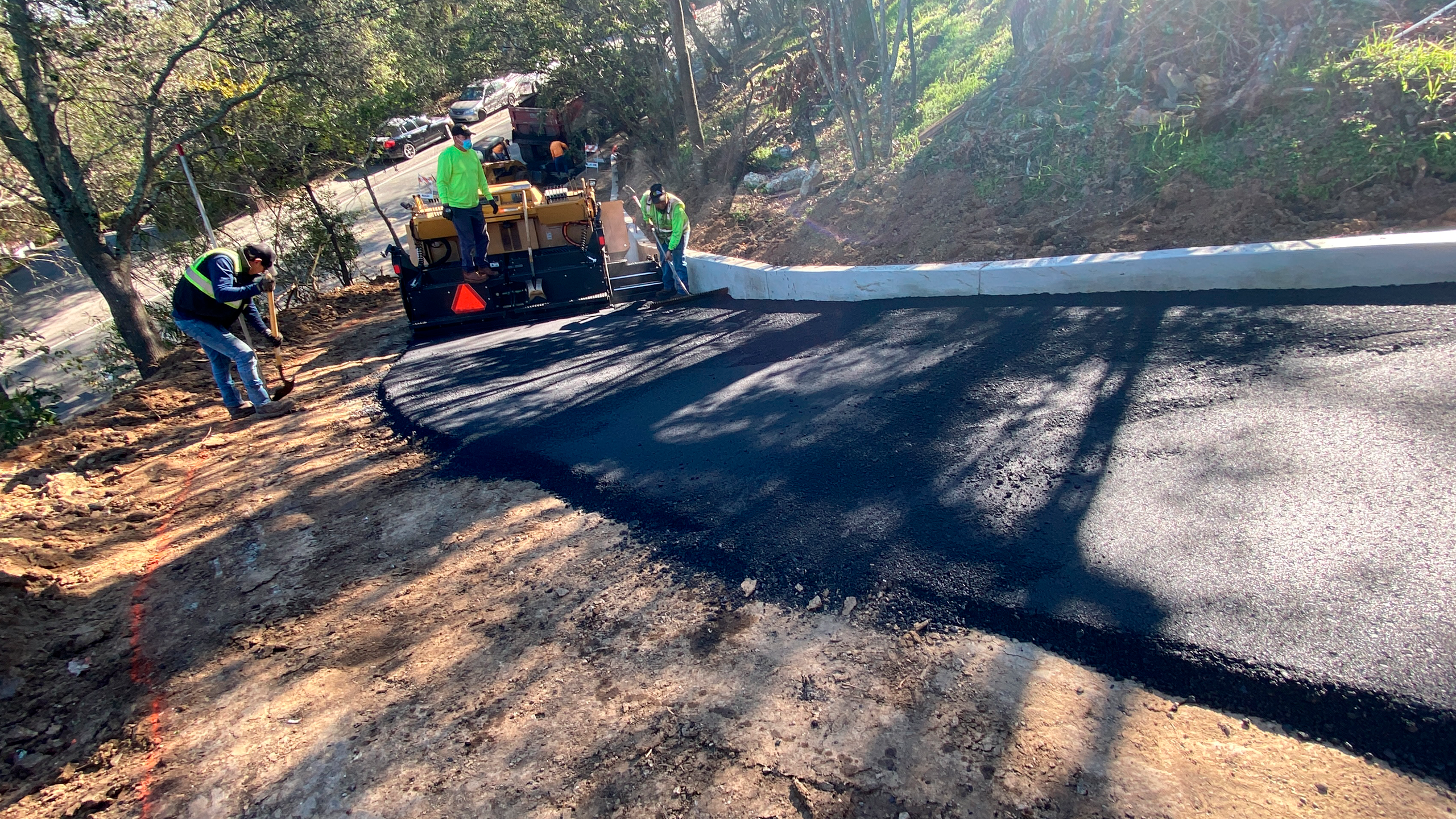
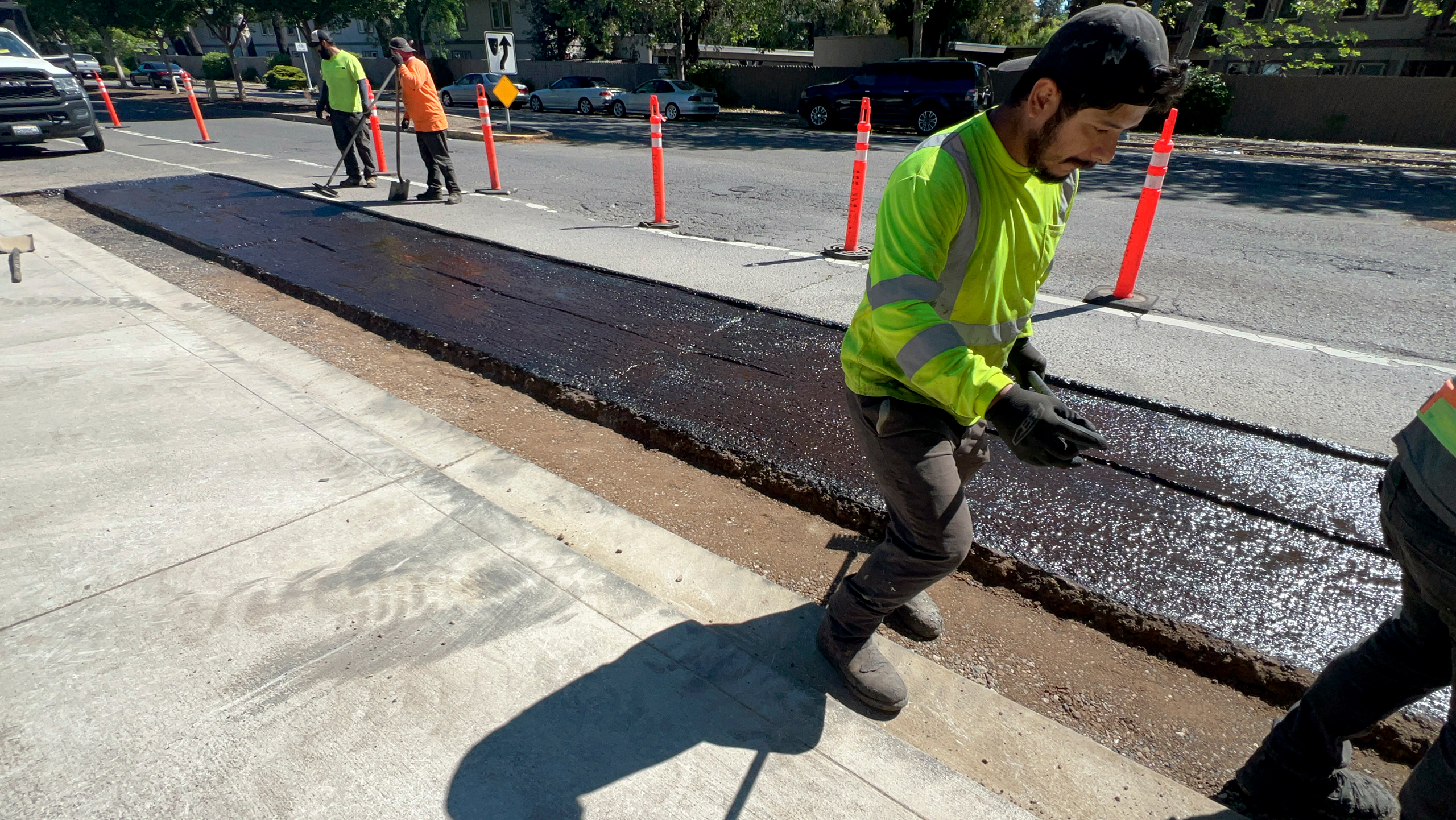
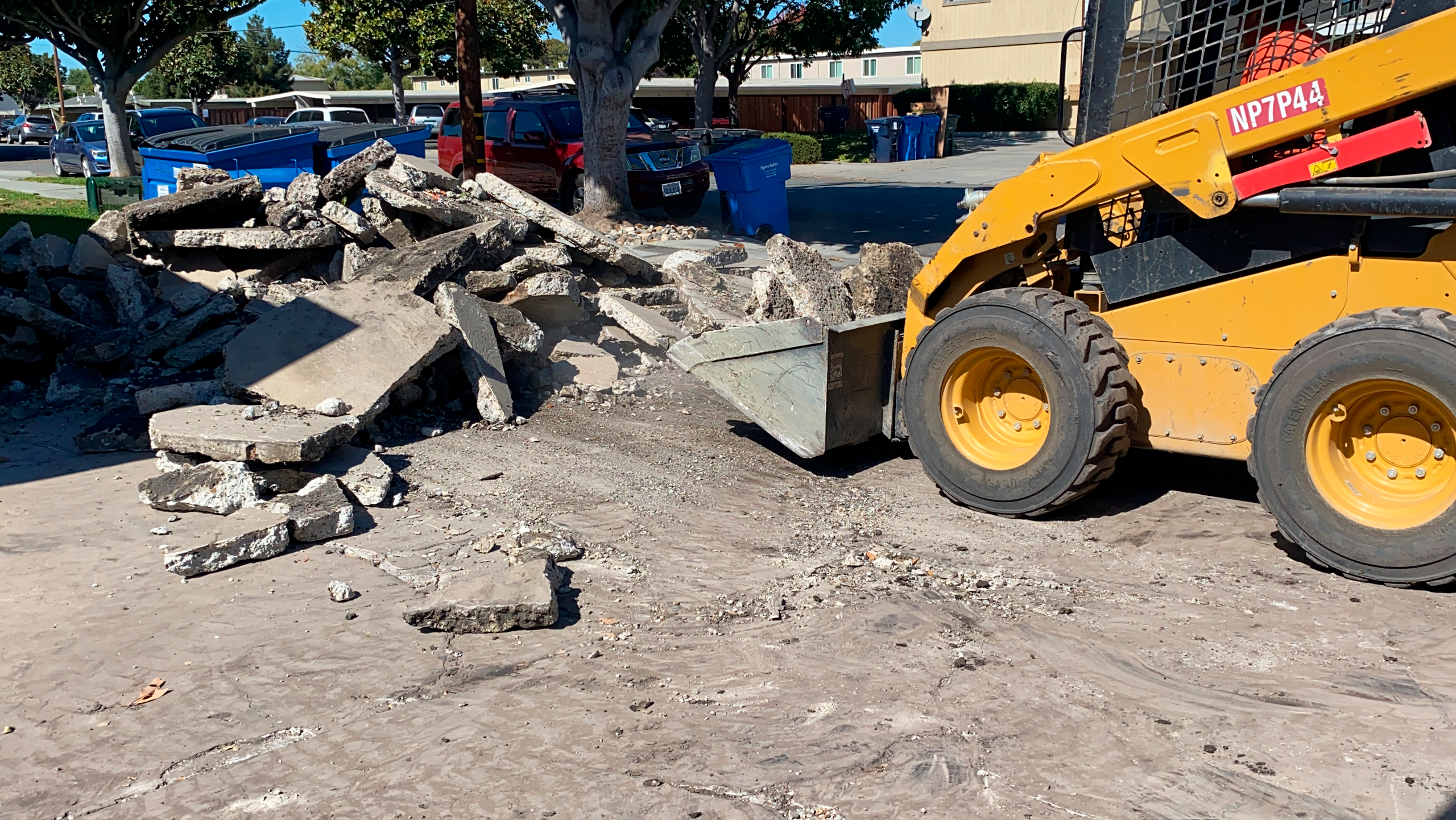
The term “concrete business” encompasses a wide range of activities within the construction industry. From the production and delivery of ready-mixed concrete to the construction of roads, buildings, and other infrastructure projects, businesses involved in concrete play a crucial role in shaping the built environment. This article delves into the definition of a concrete business, exploring its various facets, the different types of concrete businesses, their economic impact, and the challenges and opportunities within the industry.
Defining the Concrete Business
A concrete business refers to any enterprise involved in the production, distribution, and application of concrete. Concrete, a composite material composed of fine and coarse aggregates bonded together with a fluid cement that hardens over time, is one of the most widely used construction materials globally. Concrete businesses can be broadly categorized into three main types:
- Concrete Production Companies: These companies are involved in the manufacturing of concrete, including ready-mixed concrete, precast concrete products, and concrete blocks. Ready-mixed concrete is particularly significant as it is produced in a batch plant and then delivered to construction sites in a freshly mixed state.
- Concrete Construction Companies: These firms specialize in using concrete for constructing buildings, roads, bridges, and other infrastructure projects. They may also engage in specialized concrete applications such as decorative concrete, concrete repair, and restoration services.
- Concrete Equipment and Supply Companies: This segment includes businesses that supply the machinery, tools, and materials necessary for concrete production and construction. This can range from concrete mixers and pumps to formwork, rebar, and admixtures.
Types of Concrete Businesses
1. Ready-Mixed Concrete Producers
Ready-mixed concrete producers manufacture concrete in batch plants and transport it to construction sites in a plastic, or unhardened, state. These companies are crucial for large-scale construction projects due to the need for large quantities of concrete with consistent quality. The production process involves several steps:
- Batching: Measuring and combining the ingredients (cement, water, aggregates, and admixtures) in specific proportions.
- Mixing: Combining the ingredients to form a homogeneous mixture.
- Transporting: Delivering the mixed concrete to the construction site using transit mixers.
2. Precast Concrete Manufacturers
Precast concrete involves casting concrete in a reusable mold or “form” which is then cured in a controlled environment, transported to the construction site, and lifted into place. Precast products include concrete beams, slabs, columns, walls, and other structural components. These manufacturers benefit from the ability to produce high-quality, uniform products under controlled conditions.
3. Concrete Contractors
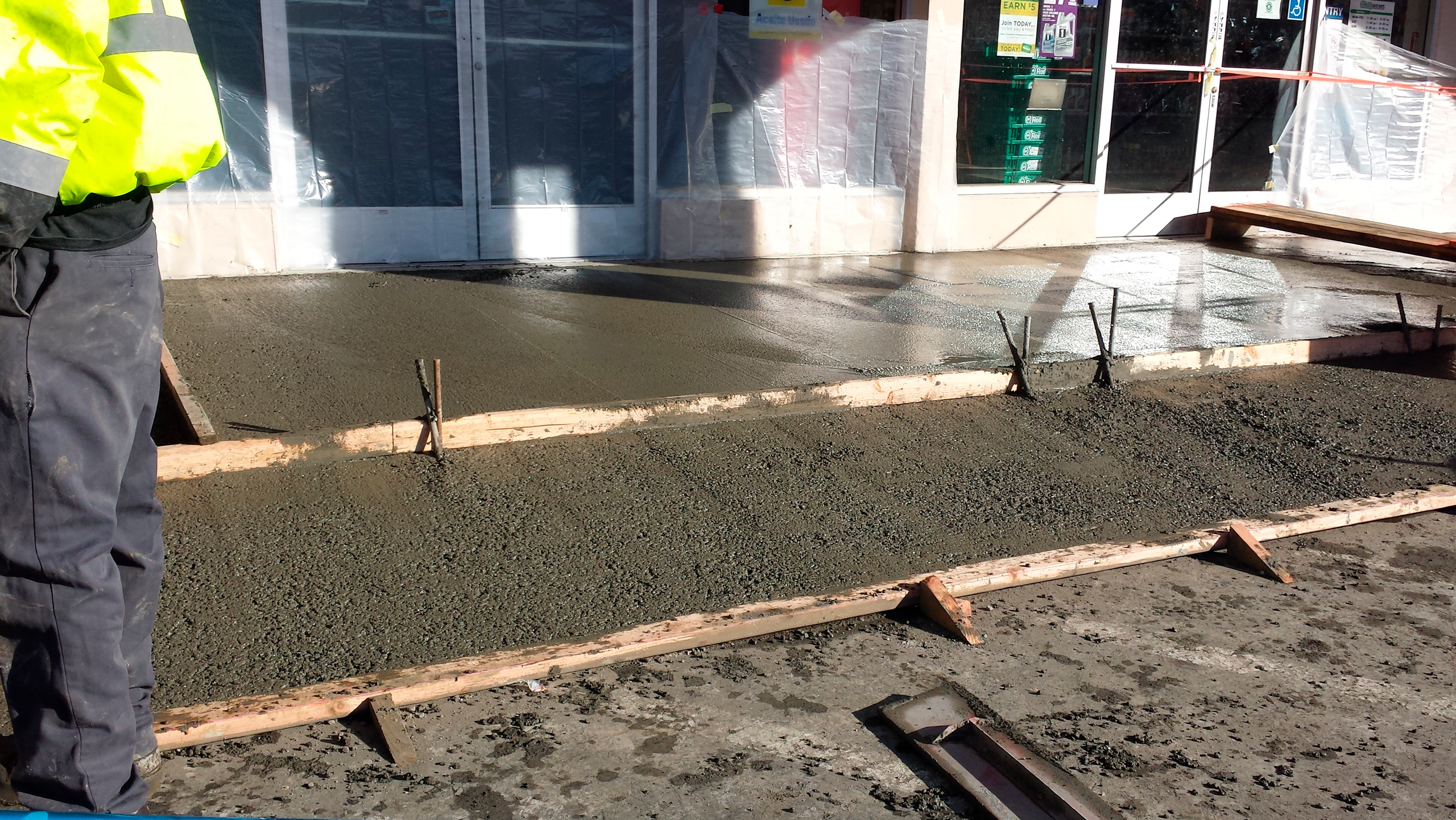
Concrete contractors are responsible for the actual construction work using concrete. This includes pouring, finishing, and curing concrete to form structures such as foundations, floors, walls, and pavements. Contractors may also specialize in particular areas, such as decorative concrete, stamped concrete, and concrete resurfacing.
4. Concrete Supply Companies
These businesses provide the essential materials and equipment needed for concrete production and application. This includes cement, aggregates, admixtures, reinforcing materials (such as rebar), concrete mixers, and other construction tools. They play a vital role in ensuring the availability and quality of materials needed for concrete work.
Economic Impact of the Concrete Business
The concrete industry is a significant contributor to the global economy. According to a report by the Global Cement and Concrete Association (GCCA), the concrete and cement industry generates over $1 trillion in global revenue annually and supports millions of jobs worldwide. The economic impact of the concrete business can be seen in several areas:
- Infrastructure Development: Concrete is essential for infrastructure projects such as highways, bridges, airports, and railways. These projects drive economic growth by improving transportation networks and connectivity.
- Residential and Commercial Construction: The demand for housing and commercial buildings fuels the need for concrete, driving economic activity in the construction sector.
- Job Creation: The concrete industry provides employment opportunities in various roles, including production, transportation, construction, and equipment manufacturing.
- Supporting Industries: The concrete business supports related industries, including mining (for aggregates), manufacturing (for cement and equipment), and logistics (for transportation of materials).
Challenges in the Concrete Business
Despite its significant economic contributions, the concrete business faces several challenges:
- Environmental Concerns: Concrete production, particularly cement manufacturing, is a major source of CO2 emissions, contributing to climate change. The industry is under pressure to adopt more sustainable practices and reduce its environmental footprint.
- Supply Chain Issues: The availability and cost of raw materials, such as aggregates and cement, can fluctuate, impacting production costs and project timelines. Supply chain disruptions, as seen during the COVID-19 pandemic, can have widespread effects on the industry.
- Labor Shortages: The construction industry, including concrete work, often faces labor shortages, particularly skilled labor. This can lead to delays in project completion and increased labor costs.
- Regulatory Compliance: The concrete industry must navigate a complex landscape of regulations related to environmental impact, safety standards, and quality control. Compliance with these regulations can be costly and time-consuming.
Opportunities in the Concrete Business
Despite these challenges, there are several opportunities for growth and innovation in the concrete business:
- Sustainable Practices: The industry is increasingly adopting sustainable practices, such as using recycled materials, developing low-carbon cement alternatives, and improving energy efficiency in production processes. These initiatives not only reduce environmental impact but also appeal to environmentally conscious consumers and clients.
- Technological Advancements: Innovations such as 3D printing of concrete structures, advanced admixtures that improve concrete properties, and smart sensors for monitoring concrete performance offer new possibilities for efficiency and quality improvements.
- Urbanization and Infrastructure Investment: Rapid urbanization in developing countries and ongoing infrastructure investments in developed nations continue to drive demand for concrete. Governments’ focus on rebuilding and modernizing infrastructure provides significant opportunities for concrete businesses.
- Specialized Concrete Applications: The development of specialized concrete products, such as high-performance concrete, self-healing concrete, and decorative concrete, opens new market segments and opportunities for differentiation.
Conclusion
The concrete business is a multifaceted and dynamic sector that plays a critical role in the construction industry and the global economy. From the production of ready-mixed and precast concrete to the construction of buildings and infrastructure, concrete businesses are involved in a wide range of activities that shape our built environment. Despite facing challenges such as environmental concerns, supply chain issues, and labor shortages, the industry also presents numerous opportunities for growth and innovation. By adopting sustainable practices, leveraging technological advancements, and capitalizing on infrastructure investments, concrete businesses can continue to thrive and contribute to economic development.