Top 5 Safety Hazards in Commercial Parking Lots (and How to Fix Them)

Your parking lot is more than a place to park — it’s the first and last part of your property that every visitor experiences.
And if it’s not maintained properly, it can quickly become a liability nightmare.

From trip hazards to poor visibility, these seemingly small issues can lead to accidents, lawsuits, and damaged reputations.
Here are the top 5 safety hazards we see every week — and how to fix them before they cost you thousands.


1️⃣ Cracks, Potholes & Uneven Surfaces

The problem:
Pavement cracks and potholes form from water intrusion, heavy loads, and time.
They’re not just ugly — they create tripping hazards for pedestrians and vehicle damage risks for tenants and customers.

The fix:
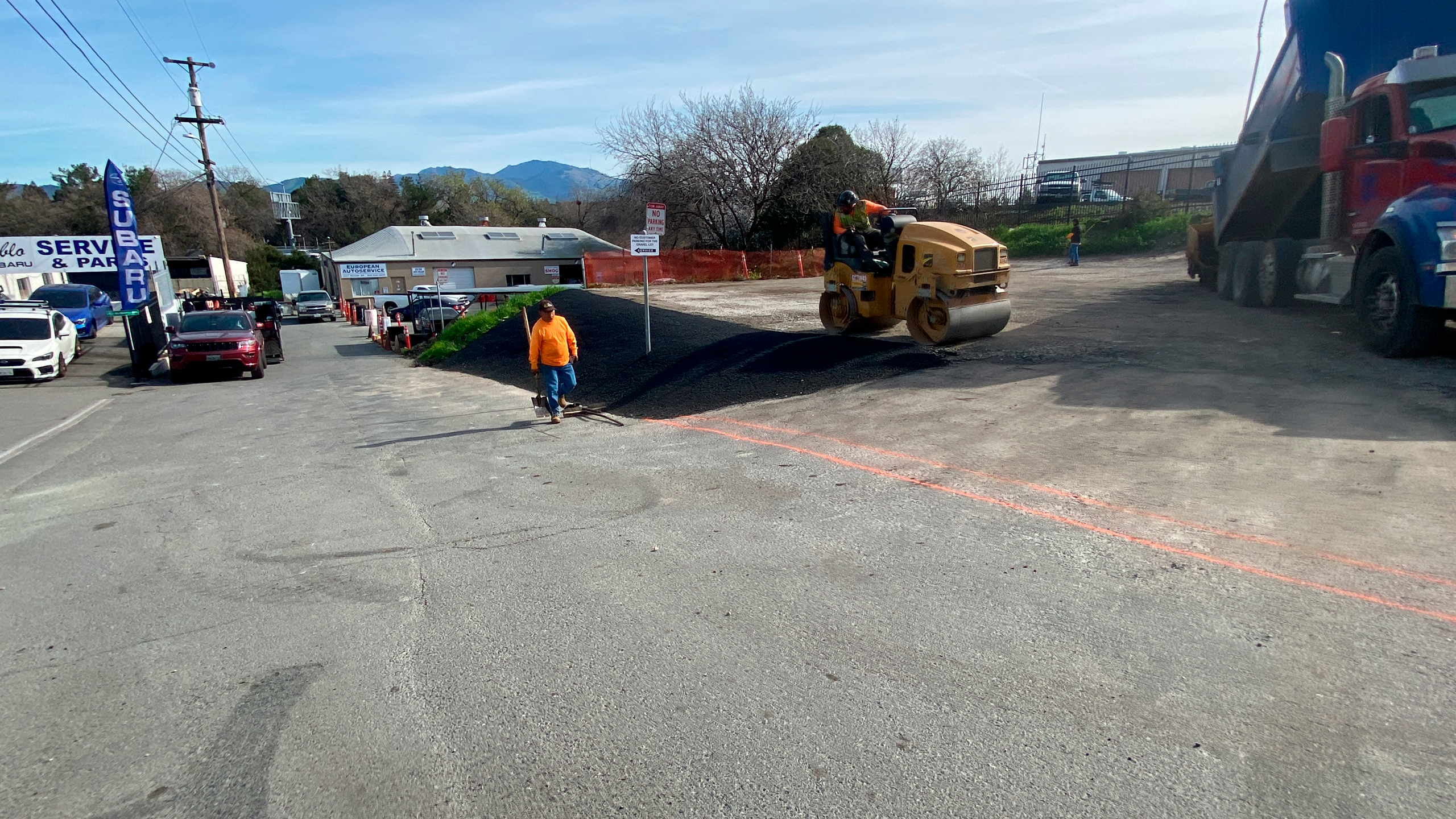
Crackfilling and patching immediately after noticing damage prevents water from spreading beneath the surface.
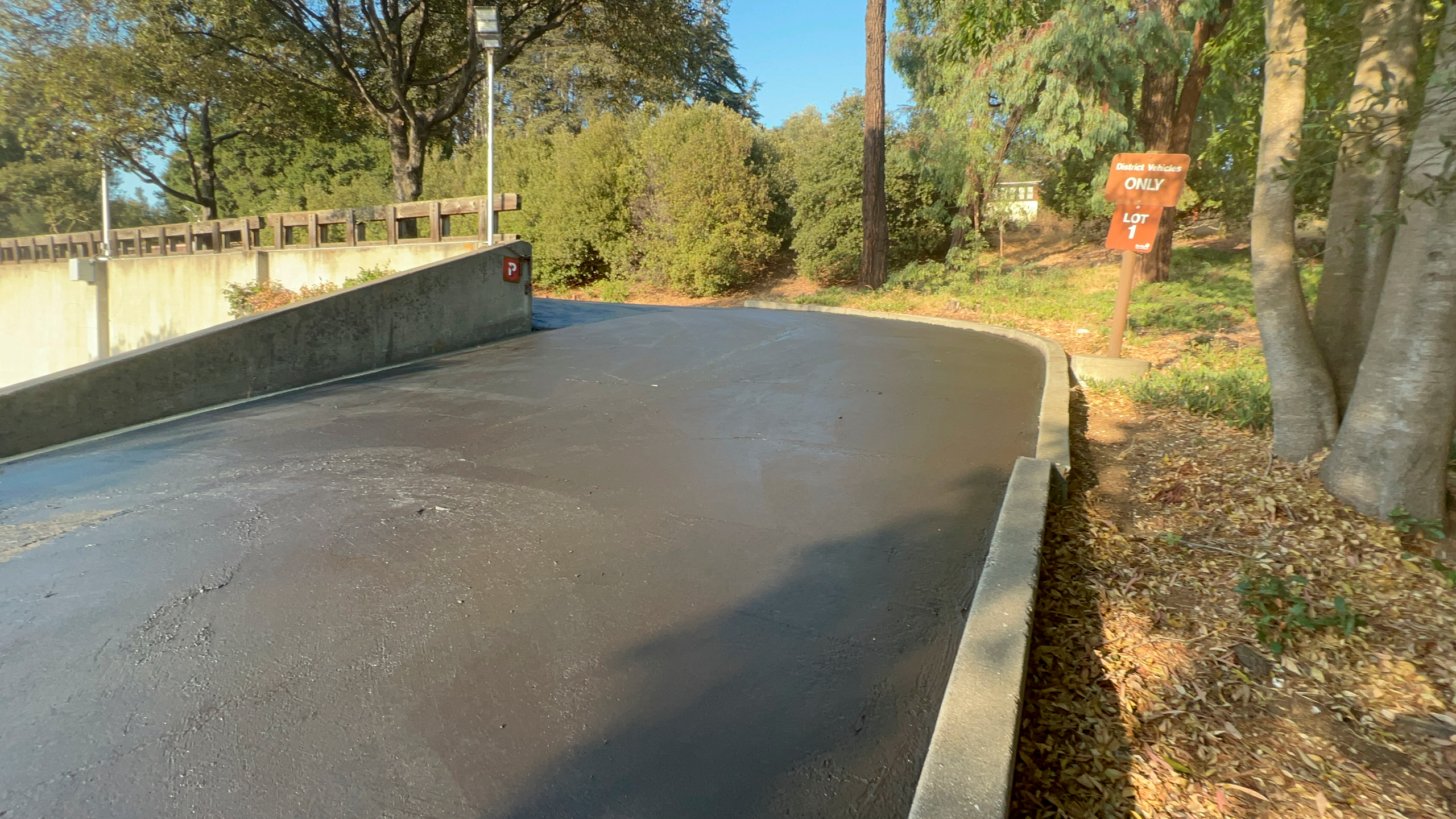
Sealcoating every 2–3 years protects against UV and weather deterioration.
Routine inspections help spot early-stage failures before they become liabilities.

Pro tip: The cost of a small patch today can save you from a full repave tomorrow.


2️⃣ Faded Striping and Illegible Markings

The problem:
Over time, parking lines, arrows, and ADA symbols fade under UV exposure and traffic.
When that happens, drivers park incorrectly, pedestrians lose safe walkways, and accessibility compliance is lost.

The fix:
Restriping every 12–18 months maintains visibility and ADA compliance.
✅ Use high-visibility thermoplastic paint or premium traffic coatings that last longer.
✅ Ensure ADA stalls, loading zones, and directional flow are clearly marked.

Fresh striping not only prevents confusion — it also makes your property look clean and well-managed.


3️⃣ Poor Drainage & Standing Water

The problem:
Ponding or puddles might seem harmless, but they signal deeper drainage issues.
Standing water weakens the subbase, causes cracks to expand, and creates slippery areas for pedestrians.

The fix:
Regrade problem areas to ensure proper water flow.
✅ Clean and maintain catch basins and inlets regularly.
✅ Apply crack sealant to prevent water penetration during the rainy season.

Good drainage = long pavement life. It’s the most overlooked factor in asphalt durability.


4️⃣ Insufficient Lighting

The problem:
Dim or broken lights increase the risk of accidents, theft, and vandalism.
Even if your pavement is flawless, poor visibility makes people feel unsafe.

The fix:
Upgrade to LED lighting for energy efficiency and brightness.
✅ Ensure consistent coverage across drive lanes and walkways.
✅ Conduct quarterly lighting inspections to replace bulbs and test sensors.

Lighting is one of the simplest and cheapest ways to boost both safety and tenant satisfaction.


5️⃣ Lack of ADA Compliance

The problem:
Non-compliant slopes, missing signage, or faded handicap markings can lead to hefty fines and legal action.
It’s not just a legal issue — it’s about accessibility and inclusion.

The fix:
✅ Schedule an ADA compliance inspection with a certified paving contractor.
✅ Refresh signage, ramps, and striping regularly.
✅ Ensure access aisles, slope grades, and signage heights meet the latest standards (Title 24 & ADA 2025 updates).

ADA compliance isn’t optional — it’s peace of mind for property owners and tenants alike.


🧱 Keep Your Property Safe, Clean, and Liability-Free

At We Love Paving, we help commercial property managers protect their investments through proactive maintenance and professional inspections.
From crack repair and sealcoating to ADA upgrades and restriping, our team ensures your parking lot stays safe, compliant, and visually appealing year-round.


💬 Schedule Your Free Property Safety Assessment

Get ahead of potential hazards before they turn into problems.
👉 Request Your Free Assessment and our experts will walk your site, identify risks, and provide a clear, actionable plan — at no cost.

Share

WHO IS FRED?

Fred, Regional Operations Manager, comes from a family of immigrant roots and a story built on sacrifice, discipline, and hard work. Growing up, Fred watched his parents work long hours and weekends to create a better future teaching him the values of perseverance, determination, and doing things the right way every single time.
We Love Paving began with Fred’s father, who started doing what he knew best: paving. Over the years, he built experience alongside respected professionals in the industry, refining his methods and developing a reputation for quality work that speaks for itself. As his clientele grew, so did the vision one built not only on skill, but on integrity and pride in every job.

Posts that might interest you

How Long Should an Asphalt Driveway Last Before Cracking?

How Long Should an Asphalt Driveway Last Before Cracking?

July 5, 2024

When investing in an asphalt driveway, homeowners often wonder about its longevity and durability. Asphalt driveways are popular due to their affordability, aesthetic appeal, and resilience. However, like any material, asphalt is not immune to wear and tear, and over time, cracking can occur. This article explores the lifespan of asphalt driveways before cracking, with

What Temperature Should Asphalt Be Between Lifts? Insights from Sacramento, California

What Temperature Should Asphalt Be Between Lifts? Insights from Sacramento, California

July 5, 2024

Asphalt paving is a precise and methodical process where temperature plays a critical role in ensuring the durability and quality of the pavement. This is particularly true for the placement of multiple lifts or layers of asphalt. In Sacramento, California, with its distinctive climate, understanding the optimal temperature for asphalt between lifts is essential for

How Long Does an Asphalt Overlay Last? A Focus on Sacramento, California

How Long Does an Asphalt Overlay Last? A Focus on Sacramento, California

July 4, 2024

Asphalt overlays are a crucial component of road maintenance and construction, offering a cost-effective solution for renewing and extending the life of existing pavements. In Sacramento, California, where urban expansion and infrastructural development are ongoing, understanding the longevity of asphalt overlays is vital for city planners, construction companies, and residents. This article delves into the

How Much Asphalt Can Be Laid in a Day?

How Much Asphalt Can Be Laid in a Day?

July 3, 2024

Asphalt paving is a critical component of many construction projects, from residential driveways to major highways. One of the most important considerations for project managers and homeowners alike is understanding how much asphalt can be laid in a day. This not only impacts the timeline of a project but also its overall cost and logistical

How Steep Can an Asphalt Driveway Be?

How Steep Can an Asphalt Driveway Be?

July 3, 2024

Asphalt driveways are a popular choice for homeowners due to their durability, cost-effectiveness, and ease of installation. However, one critical factor to consider when planning an asphalt driveway is its slope. The steepness of a driveway can significantly impact its functionality, safety, and longevity. In this article, we will explore how steep an asphalt driveway

What is the Life Expectancy of Asphalt Paving in Sacramento, California?

What is the Life Expectancy of Asphalt Paving in Sacramento, California?

July 2, 2024

Asphalt paving is a critical component of urban infrastructure, serving as the backbone of city streets, highways, and parking lots. Its durability, cost-effectiveness, and ease of maintenance make it a popular choice for municipalities worldwide. In Sacramento, California, where urban development and traffic demand are continually increasing, understanding the life expectancy of asphalt paving is

What is the Minimum Thickness of Asphalt Pavement?

What is the Minimum Thickness of Asphalt Pavement?

July 2, 2024

The minimum thickness for asphalt pavement depends on the project: residential driveways require at least 2 inches, while commercial parking lots often start at 4 inches for durability. Factors Influencing Asphalt Pavement Thickness Traffic Load: The volume and weight of traffic that the pavement will support is a primary consideration. Heavier loads, such as those

What is the Tolerance for Asphalt Thickness?

What is the Tolerance for Asphalt Thickness?

July 1, 2024

Asphalt pavement quality is crucial for the longevity and durability of roads, driveways, and parking lots. One key aspect that affects the performance of asphalt surfaces is the thickness tolerance. This detailed guide will explore the importance of asphalt thickness tolerance, the factors that influence it, measurement techniques, and best practices for maintaining accurate thickness

What is the Best Quality Asphalt for Driveways?

What is the Best Quality Asphalt for Driveways?

June 28, 2024

Choosing the best quality asphalt for your driveway is essential to ensure durability, aesthetic appeal, and cost-effectiveness. This guide explores the types of asphalt, their benefits, and how to select the best option for your driveway needs. Understanding Asphalt Factors to Consider When Choosing Asphalt Types of Asphalt for Driveways Comparing Asphalt to Other Materials

How Thick Should Asphalt Paving Be?

How Thick Should Asphalt Paving Be?

June 28, 2024

Choosing the right thickness for asphalt paving is crucial for the longevity and durability of the surface, whether it’s a driveway, parking lot, or roadway. The thickness of asphalt paving affects its ability to withstand traffic loads, weather conditions, and overall wear and tear. This article will explore the factors influencing asphalt thickness and provide

Previous Next