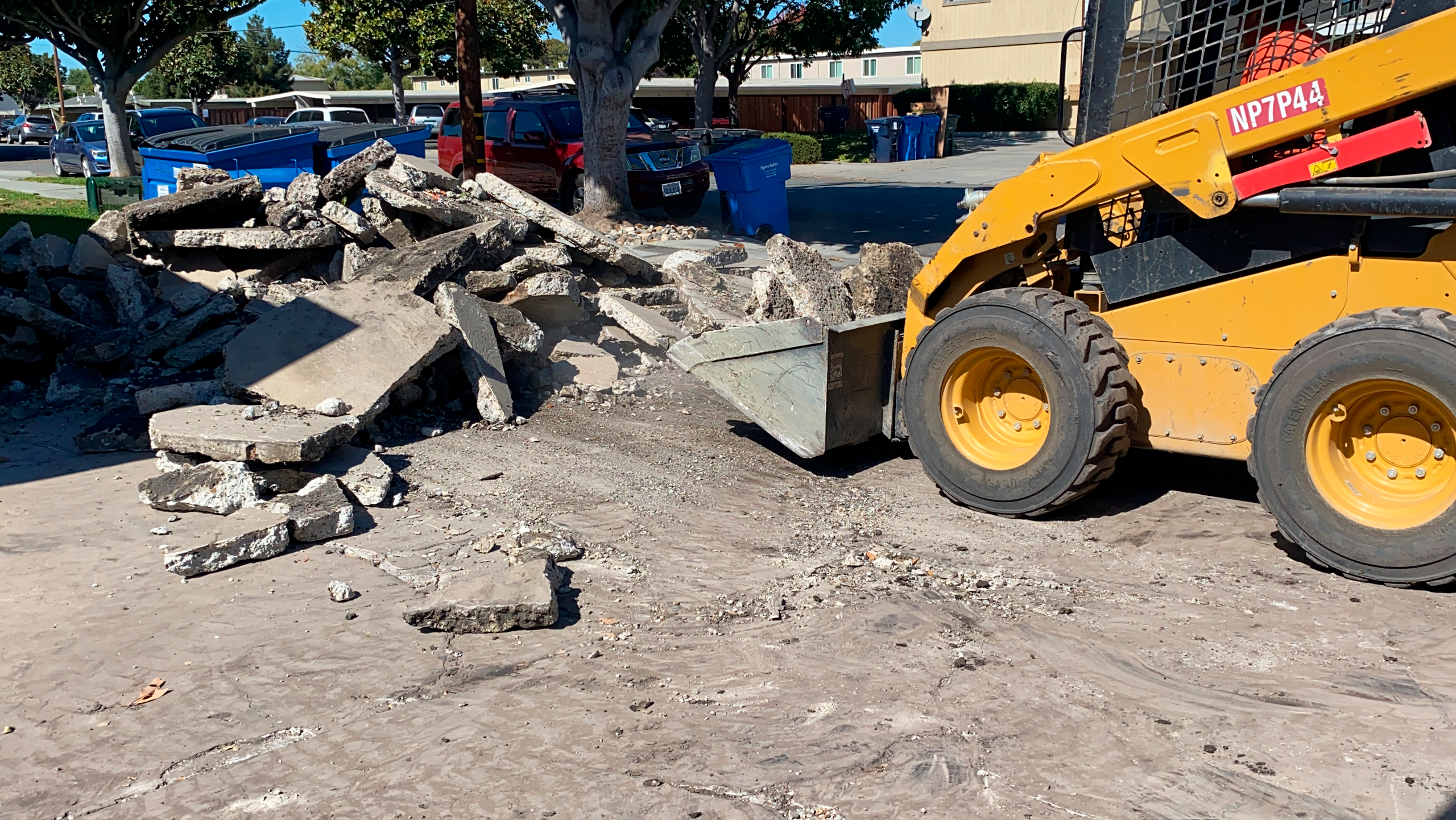
Asphalt Paving is a complex process that involves numerous stages. A good paving contractor will be willing to walk you through their work processes and answer any questions.
Inquire about an asphalt paving contractor’s license, worker’s compensation, and liability insurance. Ask them to provide references and project examples. Also, ask about their education and training.
Base Preparation
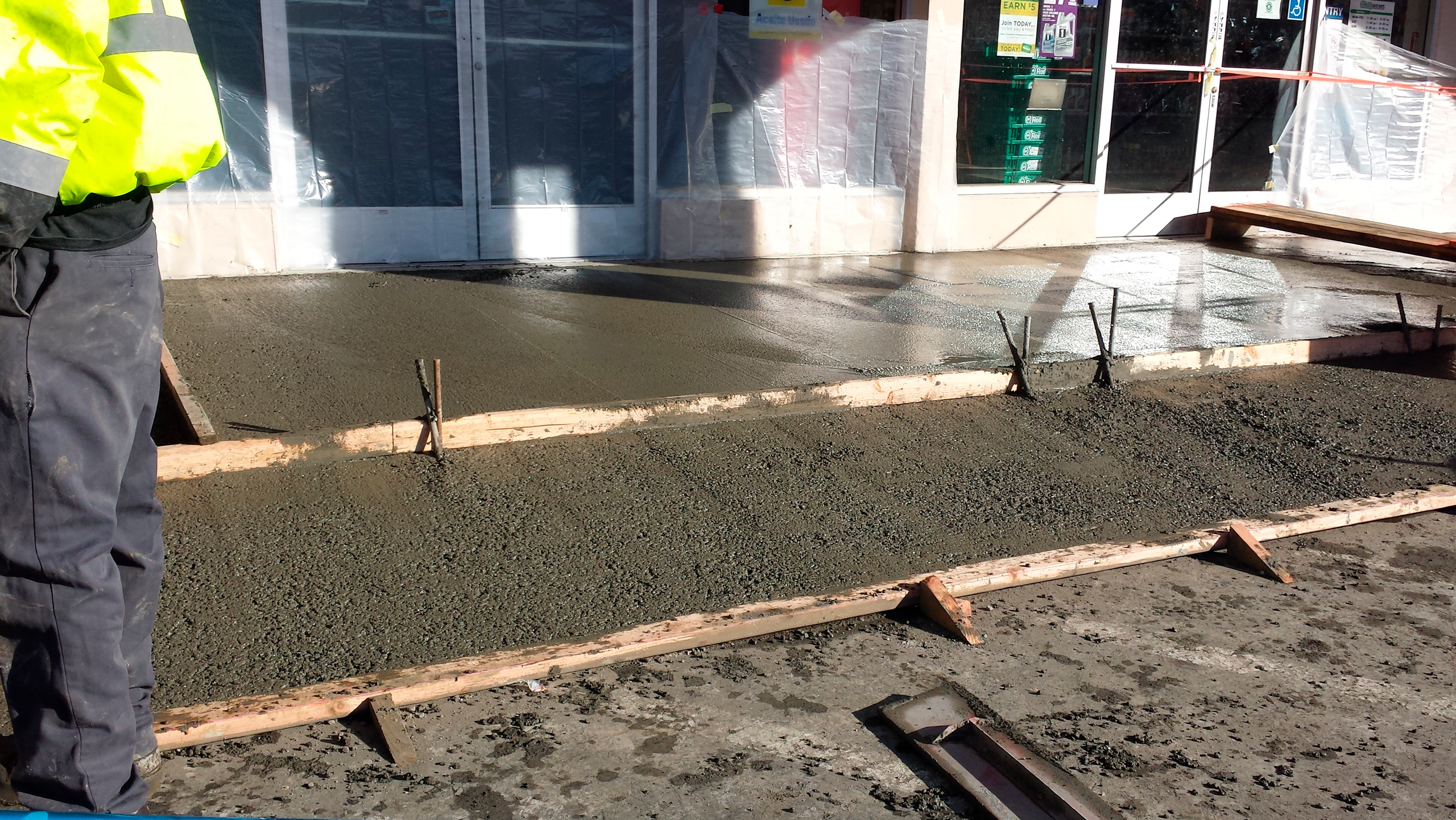
When constructing a paved surface, the base of the structure is of utmost importance. It serves as the foundation, dispensing loads evenly and preventing settling or shifting over time. The process of base preparation involves clearing the site, grading and compaction. It is important to follow the manufacturer’s guidelines when preparing the base.
The base layer consists of an unbound mixture of coarse and fine crushed stone and/or sand to achieve the load-bearing capacity required. It is typically overlaid with a bound base course, which contains bitumen, cement or lime. Depending on the stresses to be expected, a different thickness of the base layer is required for each type of project.
Before pouring the asphalt, it’s crucial to prepare a strong and stable base layer to prevent cracks and drainage issues
To ensure proper compaction, the sub-grade should be compacted to at least 90% of a specified relative density. In addition, stabilizing materials such as emulsified asphalt, portland cement, lime or construction geotextiles may be added to the sub-grade.
Once the sub-grade is prepared, it should be graded to the construction plan subgrade elevations and slopes. Large elevation discrepancies should not be compensated for with varying HMA or base thickness. This is because the thicker areas will tend to compact differentially and create an uneven pavement surface. Finally, the sub-grade should be treated with an herbicide to prevent or retard future vegetation growth that could affect subgrade support and/or cause pavement distresses.
Mixing
Asphalt is made from a mixture of materials, and each material needs to be properly combined in order for the pavement to work. The mixing process is similar to cooking a recipe: If the ingredients are not mixed together correctly, you will get an unpalatable dish.
First, the aggregate components of the asphalt mix are weighed using a belt weighing instrument. Then they are heated by a drum-style plant in order to dry and heat them up to the appropriate temperature. The resulting aggregate is then transported to the mixer. The asphalt binder is kept separate from the aggregate and then combined in a controlled manner with the help of a mechanical mixer.
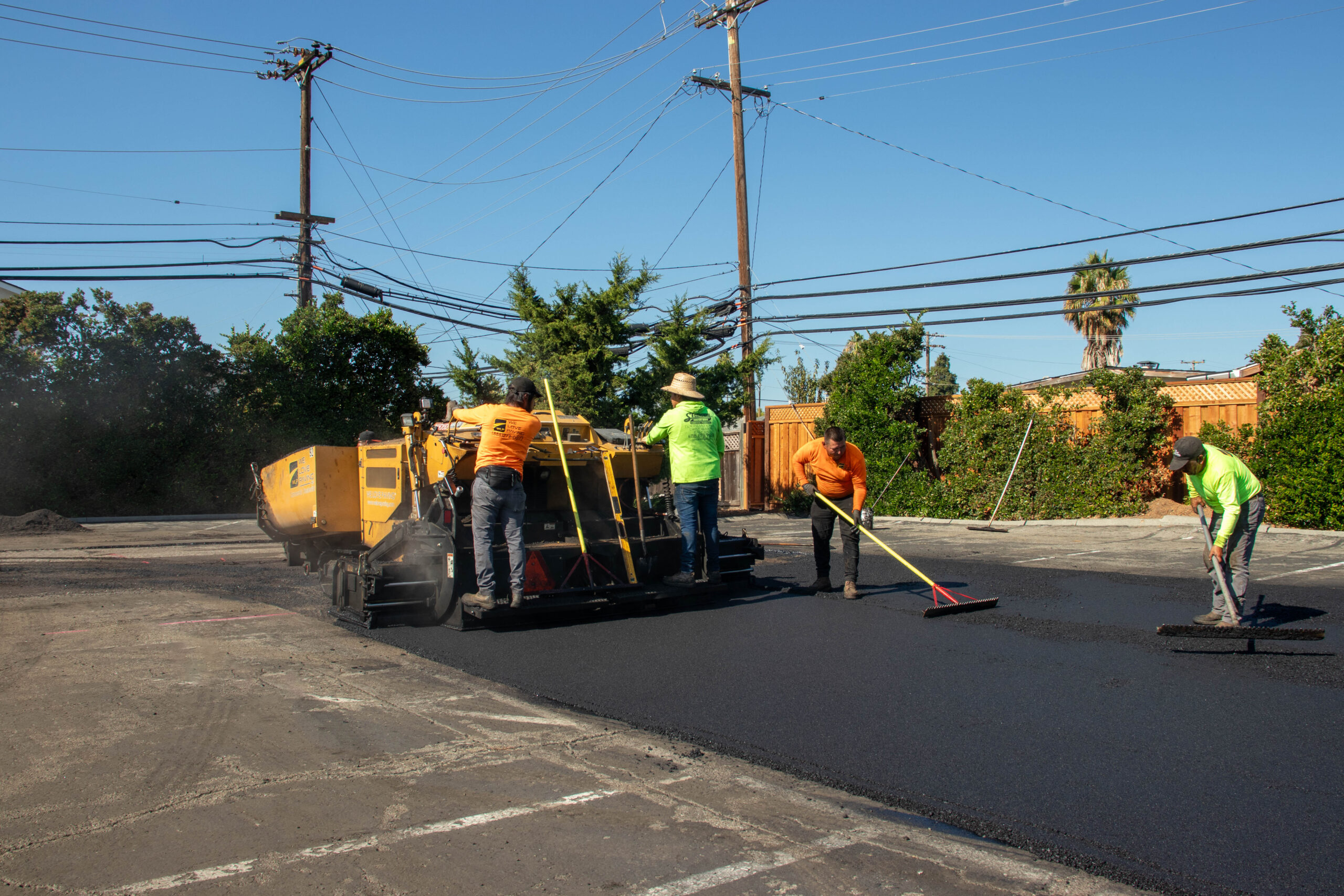
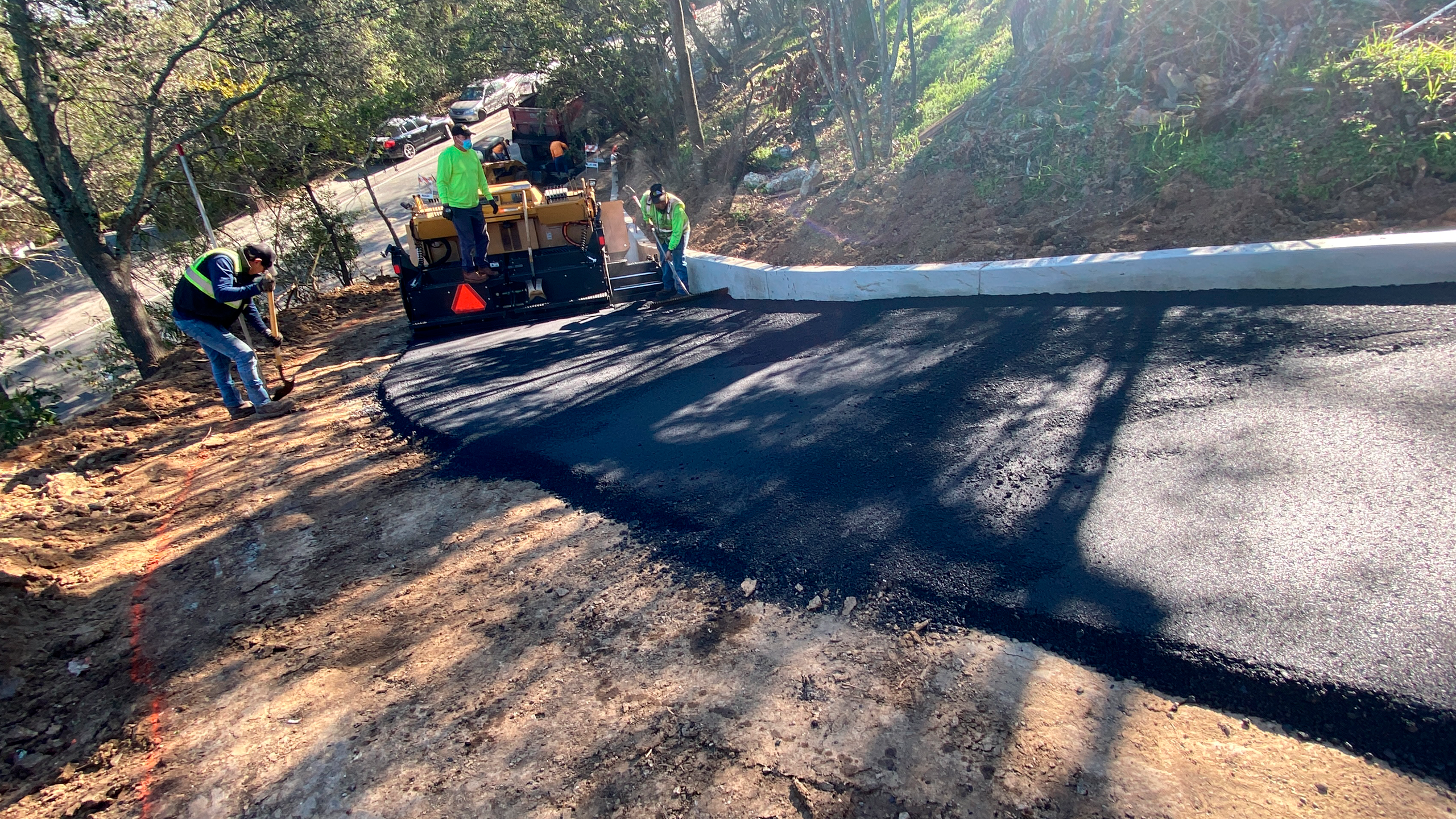
After the asphalt mix is created it is deposited onto the surface of the ground by an asphalt paver. The paving machine is equipped with a screed that moves the asphalt mixture evenly and smoothly over the surface. The machine can be adjusted to lay a variety of different sizes of asphalt.
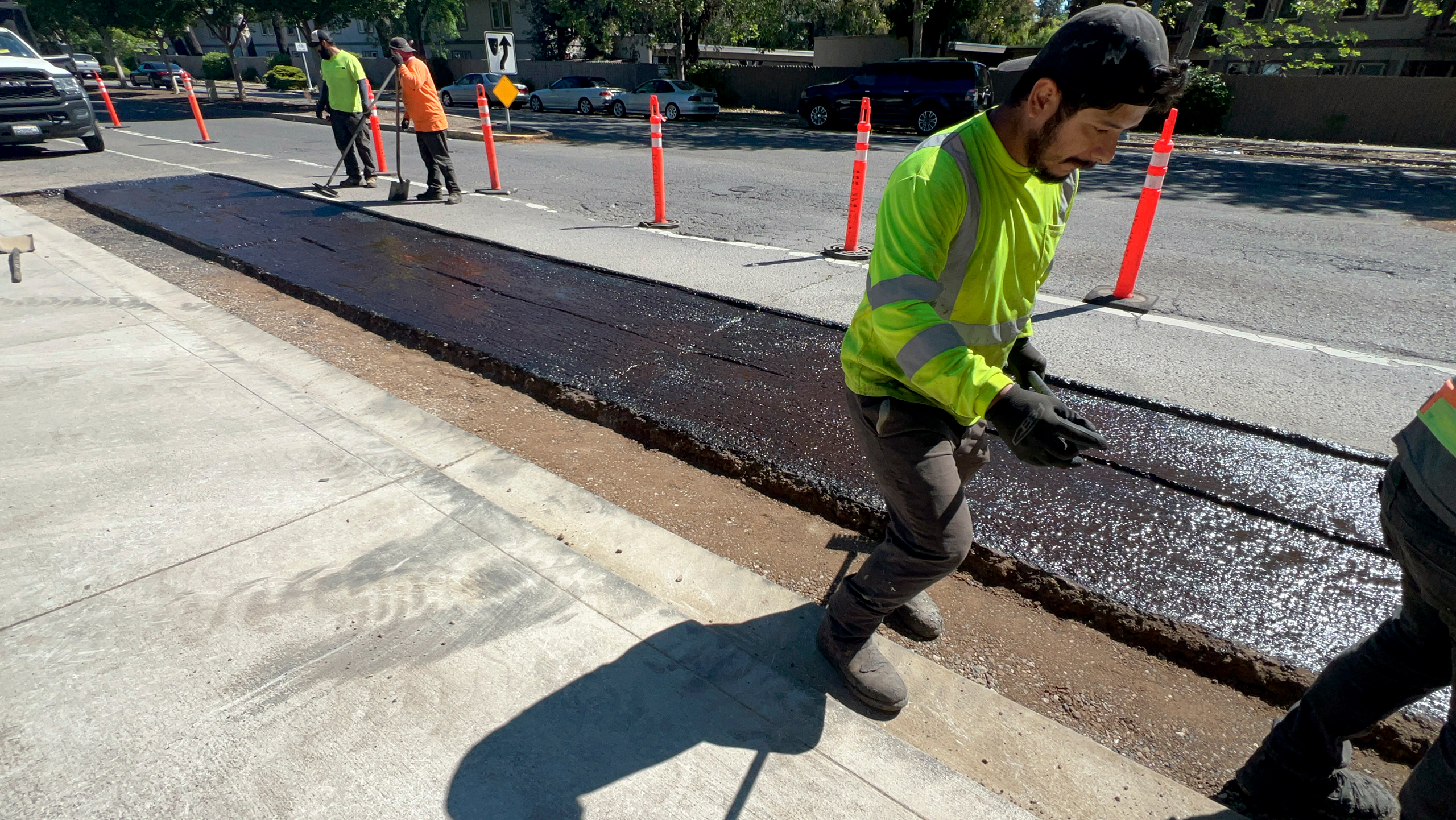
During the paving process, it is important that workers wear personal protective equipment (PPE). This includes safety vests, hard hats, long sleeve shirts and pants, and steel-toe boots. Additionally, workers must follow all traffic control guidelines and other warning signs to avoid accidents during the paving process.
Compaction
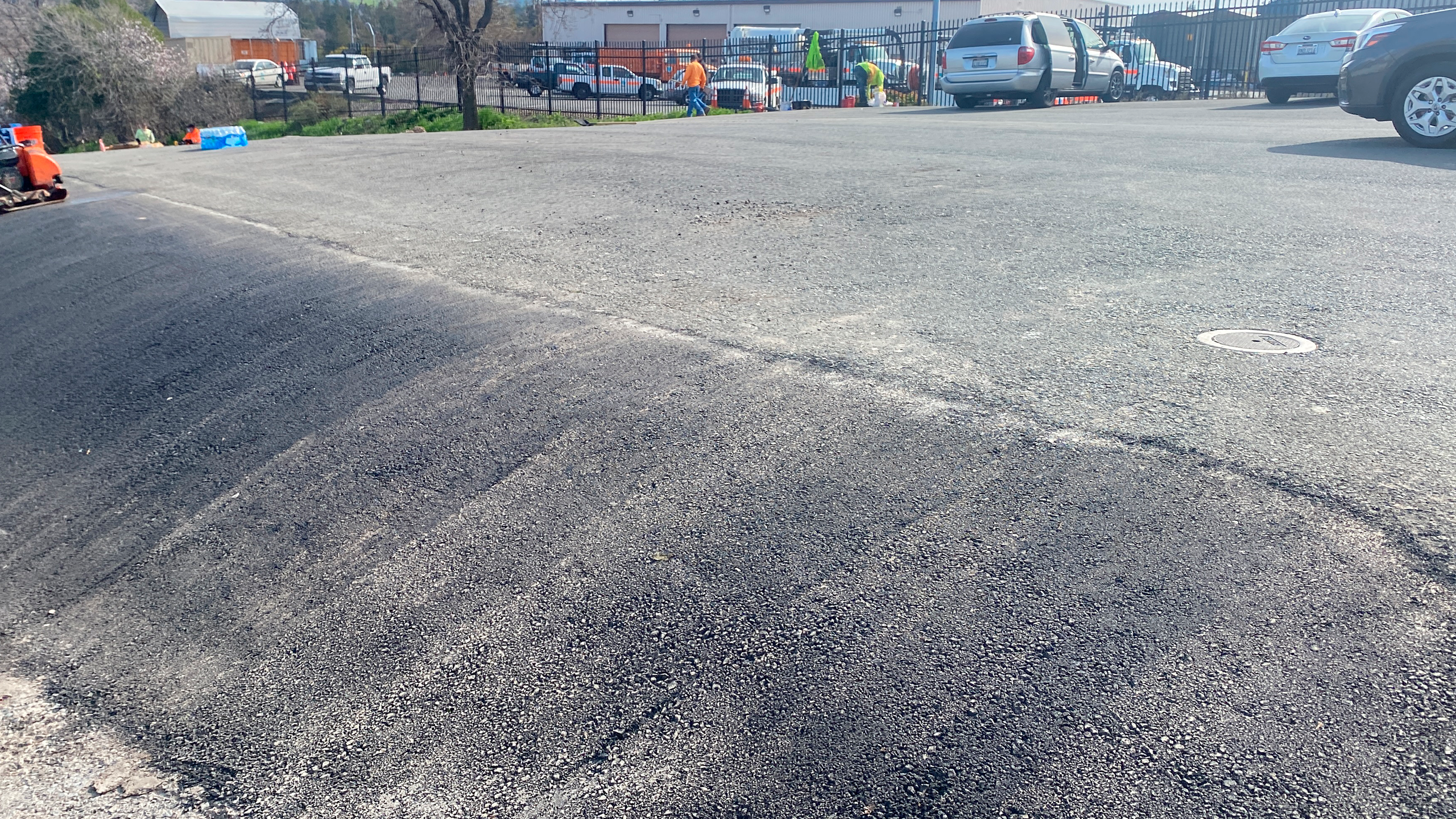
In asphalt paving, compaction is the most critical step of all. It increases the density of the resulting pavement, which makes it more resistant to weather damage and traffic stress. Proper compaction also helps prevent potholes.
The key to asphalt compaction is achieving enough material density and reducing air voids to an optimal level. Contractors use various types of compaction equipment, including vibratory and smooth drum rollers, to achieve the proper mix density. Achieving optimum compaction requires precise timing. It is important for both the paver and the breakdown roller to operate at the same relative temperature. Achieving this allows the breakdown roller to finish its work before the asphalt mix cools below a temperature consistent with achieving desired density.
Another key aspect of compaction is limiting the amount of time the rollers are shut down. Whenever the rollers are stopped, the asphalt is allowed to cool, which can hinder its ability to be compacted. To avoid this, contractors often set the rollers to operate continuously, even when they are not paving.
Lastly, proper compaction also involves adjusting moisture content as needed. Excessive moisture can hamper compaction efforts by prematurely cooling the mix, whereas too little moisture can reduce the effectiveness of the rollers. Construction crews use non-destructive testing methods to measure moisture levels in real-time. They may also use water sprayers or additives to maintain appropriate hydration for a smoother, more efficient compaction process.
Paving
The asphalt paving process is complex and requires skilled workers, specialized equipment, and attention to detail. The process involves preparing the surface, adding the base and binder layer, and finally, the top asphalt layer. A high-quality paved surface depends on the strength of these layers and their proper compaction. Properly constructing these layers is crucial to the longevity and durability of asphalt pavements.
A grading plan is critical to ensure that the finished pavement can handle the expected traffic load and that it will be able to drain properly. An insufficient or inadequate base is one of the leading reasons for pavement failure, so it’s essential to choose a contractor with experience and expertise in base construction.
An asphalt paving company uses strict quality control measures and tests to guarantee that the final product will meet all specifications and perform well under different environmental conditions. For example, they test the density of the asphalt mix with a densometer and confirm that it has the required strength with a cohesiometer.
A hot-mix asphalt is a mixture of aggregates (crushed stone, gravel, or sand), fillers, and bitumen or liquid asphalt. The bitumen acts as the binding agent, holding all of the ingredients together. The aggregates and the bitumen are combined with a high-temperature process to form a durable paving material for resurfacing and new construction projects.