The Hidden Cost of “Waiting One More Year” on Parking Lot Maintenance

For many properties, asphalt maintenance gets postponed for one simple reason:
“It still works.”

The parking lot looks usable.
Cars can park.
No major complaints yet.

But in pavement management, waiting one more year is rarely a neutral decision.
It’s usually the most expensive one.


Asphalt Doesn’t Pause — It Progressively Fails

Asphalt deterioration is not linear.

A parking lot doesn’t lose value evenly over time.
Instead, damage accelerates once the surface layer breaks down.

What causes this acceleration?

  • UV exposure dries and hardens the asphalt binder

  • Water penetrates microcracks

  • Traffic loads stress a weakened structure

  • Oxidation reduces flexibility

Once these forces combine, deterioration compounds — even if the lot still “looks acceptable.”


The Surface Is Your First Line of Defense

The top layer of asphalt is not cosmetic.
It’s protective.

When the surface is intact:

  • Water stays out

  • The base remains stable

  • Loads are distributed evenly

When the surface fails, the structure underneath begins to collapse.

This is why surface-level maintenance delivers the highest ROI in pavement management.


Deferred Maintenance Increases Liability Exposure

Beyond repair costs, delayed maintenance increases risk.

Common liability triggers include:

  • Uneven pavement

  • Potholes

  • Standing water

  • Faded or unclear striping

These conditions increase the likelihood of:

  • Slip-and-fall incidents

  • Vehicle damage claims

  • ADA compliance issues

Many claims don’t come from catastrophic failures —
they come from known conditions that were left unaddressed.


Replacement Is Rarely a Surprise — It’s a Result

Full-depth asphalt replacement is often treated as an unavoidable event.

In reality, it’s usually the result of years of deferred maintenance.

Once the base layer is compromised:

  • Crack sealing is no longer effective

  • Patching becomes temporary

  • Milling and replacement become the only option

At that stage, budgets shift from maintenance to capital expenditure — often unexpectedly.


Preventive Maintenance Preserves Optionality

The biggest advantage of preventive maintenance isn’t just cost savings.

It’s control.

A maintained parking lot gives property managers:

  • Predictable budgeting

  • Flexible scheduling

  • Fewer emergency repairs

  • Better long-term planning

Instead of reacting to failures, you stay ahead of them.


What a Smart Maintenance Strategy Includes

Effective pavement management is not a single service.
It’s a coordinated system.

A strong strategy typically includes:

  • Routine condition assessments

  • Crack sealing to stop water intrusion

  • Sealcoating to protect the surface

  • Drainage evaluation

  • Targeted repairs before failure spreads

Each element supports the others — removing one accelerates wear on the rest.


The Financial Reality

Preventive maintenance represents a small percentage of total pavement lifecycle cost.

Yet it delivers:

  • Extended service life

  • Reduced liability exposure

  • Lower long-term operating costs

  • Preserved asset value

In most cases, well-maintained parking lots last nearly twice as long as neglected ones.


The We Love Paving Perspective

At We Love Paving, we approach asphalt as an asset — not a patchwork problem.

Our maintenance programs are designed to:

  • Slow deterioration

  • Stabilize budgets

  • Maintain safety and compliance

  • Extend pavement lifespan

We help property managers replace uncertainty with a clear plan.


Don’t Let “Next Year” Become a Capital Project

If your parking lot still works today, that’s the best time to protect it.

📩 Contact We Love Paving to build a maintenance plan that keeps repairs predictable — not reactive.
Share

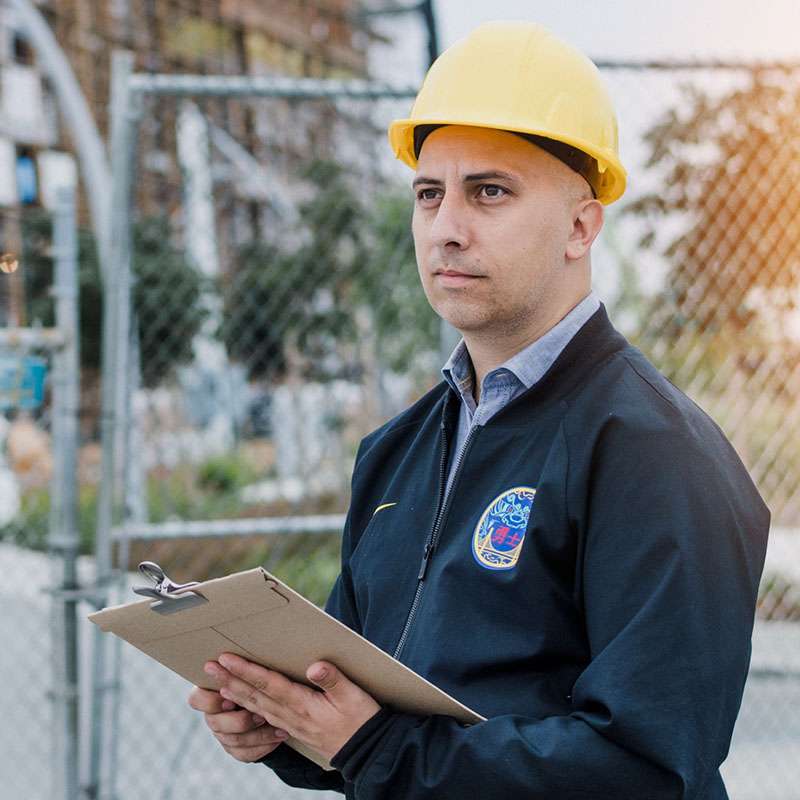
WHO IS FRED?

Fred, Regional Operations Manager, comes from a family of immigrant roots and a story built on sacrifice, discipline, and hard work. Growing up, Fred watched his parents work long hours and weekends to create a better future teaching him the values of perseverance, determination, and doing things the right way every single time.
We Love Paving began with Fred’s father, who started doing what he knew best: paving. Over the years, he built experience alongside respected professionals in the industry, refining his methods and developing a reputation for quality work that speaks for itself. As his clientele grew, so did the vision one built not only on skill, but on integrity and pride in every job.

Posts that might interest you

How Long Should an Asphalt Driveway Last Before Cracking?

How Long Should an Asphalt Driveway Last Before Cracking?

July 5, 2024

When investing in an asphalt driveway, homeowners often wonder about its longevity and durability. Asphalt driveways are popular due to their affordability, aesthetic appeal, and resilience. However, like any material, asphalt is not immune to wear and tear, and over time, cracking can occur. This article explores the lifespan of asphalt driveways before cracking, with

What Temperature Should Asphalt Be Between Lifts? Insights from Sacramento, California

What Temperature Should Asphalt Be Between Lifts? Insights from Sacramento, California

July 5, 2024

Asphalt paving is a precise and methodical process where temperature plays a critical role in ensuring the durability and quality of the pavement. This is particularly true for the placement of multiple lifts or layers of asphalt. In Sacramento, California, with its distinctive climate, understanding the optimal temperature for asphalt between lifts is essential for

How Long Does an Asphalt Overlay Last? A Focus on Sacramento, California

How Long Does an Asphalt Overlay Last? A Focus on Sacramento, California

July 4, 2024

Asphalt overlays are a crucial component of road maintenance and construction, offering a cost-effective solution for renewing and extending the life of existing pavements. In Sacramento, California, where urban expansion and infrastructural development are ongoing, understanding the longevity of asphalt overlays is vital for city planners, construction companies, and residents. This article delves into the

How Much Asphalt Can Be Laid in a Day?

How Much Asphalt Can Be Laid in a Day?

July 3, 2024

Asphalt paving is a critical component of many construction projects, from residential driveways to major highways. One of the most important considerations for project managers and homeowners alike is understanding how much asphalt can be laid in a day. This not only impacts the timeline of a project but also its overall cost and logistical

How Steep Can an Asphalt Driveway Be?

How Steep Can an Asphalt Driveway Be?

July 3, 2024

Asphalt driveways are a popular choice for homeowners due to their durability, cost-effectiveness, and ease of installation. However, one critical factor to consider when planning an asphalt driveway is its slope. The steepness of a driveway can significantly impact its functionality, safety, and longevity. In this article, we will explore how steep an asphalt driveway

What is the Life Expectancy of Asphalt Paving in Sacramento, California?

What is the Life Expectancy of Asphalt Paving in Sacramento, California?

July 2, 2024

Asphalt paving is a critical component of urban infrastructure, serving as the backbone of city streets, highways, and parking lots. Its durability, cost-effectiveness, and ease of maintenance make it a popular choice for municipalities worldwide. In Sacramento, California, where urban development and traffic demand are continually increasing, understanding the life expectancy of asphalt paving is

What is the Minimum Thickness of Asphalt Pavement?

What is the Minimum Thickness of Asphalt Pavement?

July 2, 2024

The minimum thickness for asphalt pavement depends on the project: residential driveways require at least 2 inches, while commercial parking lots often start at 4 inches for durability. Factors Influencing Asphalt Pavement Thickness Traffic Load: The volume and weight of traffic that the pavement will support is a primary consideration. Heavier loads, such as those

What is the Tolerance for Asphalt Thickness?

What is the Tolerance for Asphalt Thickness?

July 1, 2024

Asphalt pavement quality is crucial for the longevity and durability of roads, driveways, and parking lots. One key aspect that affects the performance of asphalt surfaces is the thickness tolerance. This detailed guide will explore the importance of asphalt thickness tolerance, the factors that influence it, measurement techniques, and best practices for maintaining accurate thickness

What is the Best Quality Asphalt for Driveways?

What is the Best Quality Asphalt for Driveways?

June 28, 2024

Choosing the best quality asphalt for your driveway is essential to ensure durability, aesthetic appeal, and cost-effectiveness. This guide explores the types of asphalt, their benefits, and how to select the best option for your driveway needs. Understanding Asphalt Factors to Consider When Choosing Asphalt Types of Asphalt for Driveways Comparing Asphalt to Other Materials

How Thick Should Asphalt Paving Be?

How Thick Should Asphalt Paving Be?

June 28, 2024

Choosing the right thickness for asphalt paving is crucial for the longevity and durability of the surface, whether it’s a driveway, parking lot, or roadway. The thickness of asphalt paving affects its ability to withstand traffic loads, weather conditions, and overall wear and tear. This article will explore the factors influencing asphalt thickness and provide

Previous Next