The Great Debate: Is 2 Inches of Gravel Enough for a Driveway?

When it comes to building a driveway, one of the key decisions homeowners face is determining the appropriate thickness of the gravel base layer. While some may argue that 2 inches of gravel is sufficient to support the weight of vehicles and provide a stable foundation, others advocate for thicker layers to ensure long-term durability and performance. In this comprehensive guide, we’ll explore both sides of the debate and provide valuable insights to help you make an informed decision for your driveway construction project.

Understanding the Role of Gravel in Driveway Construction

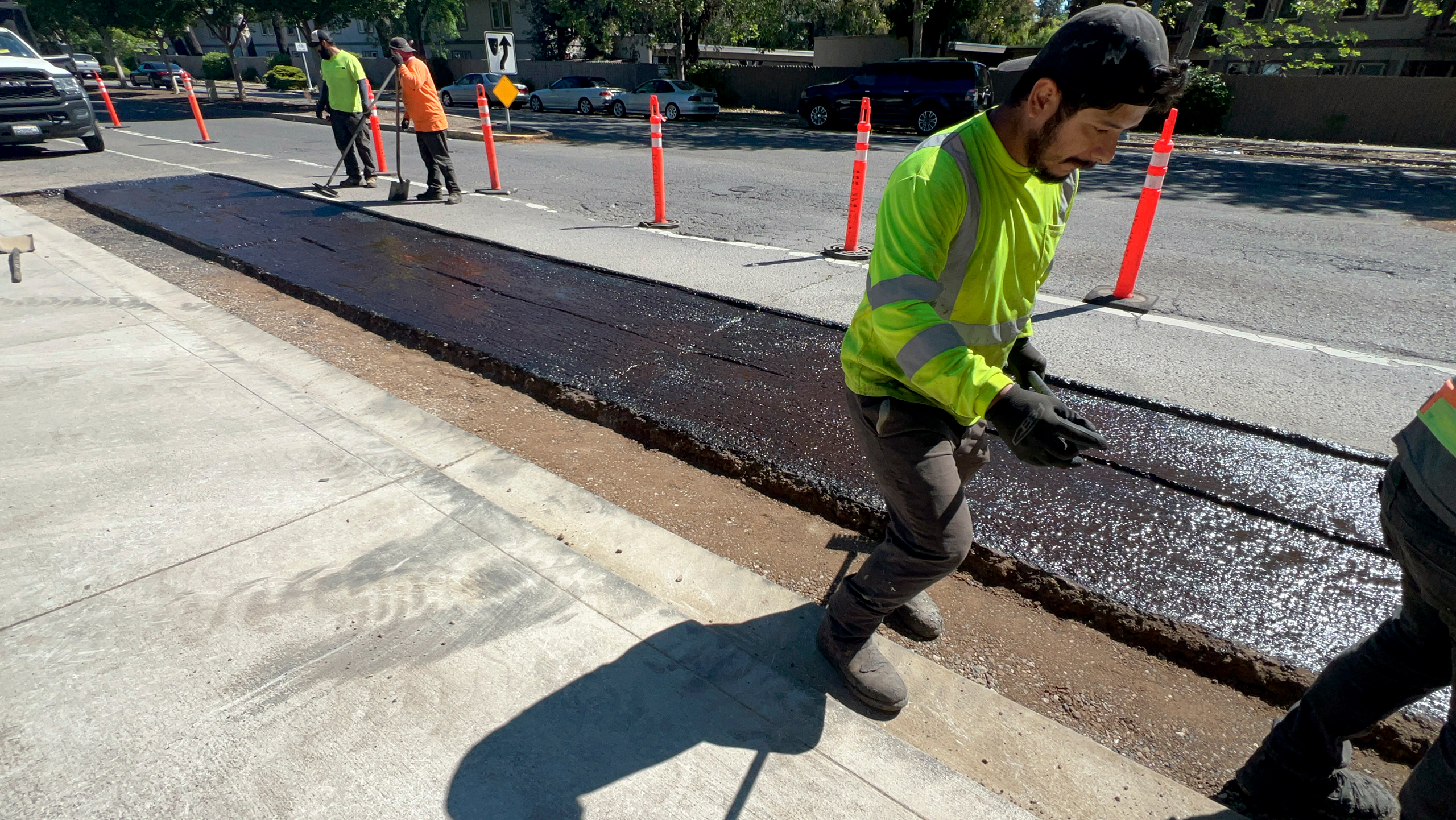
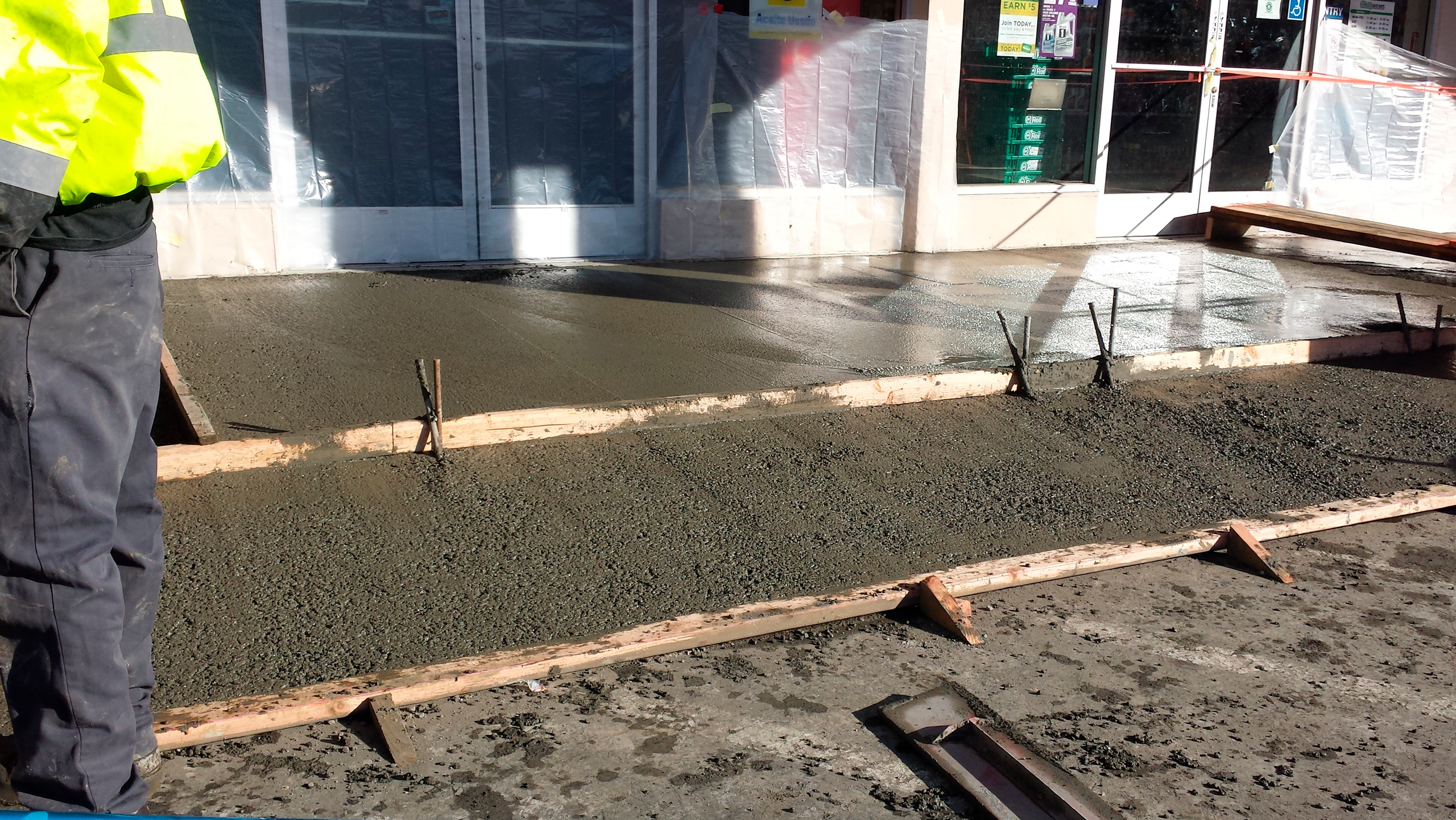
Before delving into the debate over gravel thickness, it’s essential to understand the role that gravel plays in driveway construction. Gravel serves as the base layer upon which the asphalt or concrete surface is laid. It provides structural support, helps distribute the weight of vehicles evenly, and promotes drainage to prevent water buildup and erosion. The thickness of the gravel layer directly impacts the stability, durability, and longevity of the driveway.

Factors to Consider

Several factors influence the appropriate thickness of the gravel base layer for a driveway:

  • Soil Conditions: The type and condition of the soil beneath the driveway can affect the stability and load-bearing capacity of the gravel layer. In areas with soft or unstable soils, thicker gravel layers may be necessary to provide adequate support.
  • Climate: Weather conditions such as freeze-thaw cycles, heavy rainfall, and temperature extremes can impact the performance of the driveway. Thicker gravel layers may be required in regions with harsh climates to withstand these environmental stresses.
  • Traffic Volume: The amount and type of traffic using the driveway also play a role in determining gravel thickness. Driveways subjected to heavy vehicle traffic or frequent use may require thicker gravel layers to prevent rutting, settling, and other forms of pavement distress.
  • Desired Lifespan: Consider the expected lifespan of the driveway and your long-term maintenance goals. Thicker gravel layers can contribute to the longevity of the pavement and reduce the need for costly repairs and maintenance over time.
Arguments for 2 Inches of Gravel

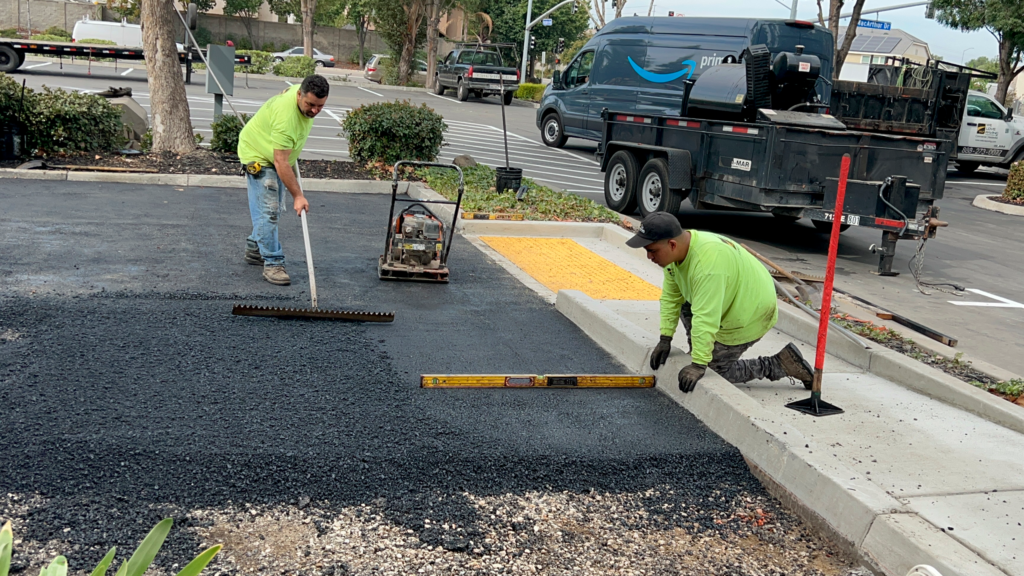
Advocates for 2 inches of gravel argue that it is sufficient to provide adequate support for most residential driveways. They cite the following reasons:

  • Cost-Effectiveness: Using a thinner gravel layer reduces the amount of material needed and the overall cost of driveway construction.
  • Adequate Support: For light to moderate traffic and stable soil conditions, 2 inches of gravel may provide adequate support and stability for the driveway surface.
  • Drainage: A thinner gravel layer allows for better drainage and water infiltration, reducing the risk of water buildup and erosion beneath the driveway.

Arguments for Thicker Gravel Layers

On the other hand, proponents of thicker gravel layers advocate for the following reasons:

  • Increased Stability: Thicker gravel layers offer greater stability and load-bearing capacity, especially in areas with soft or unstable soils.
  • Long-Term Durability: A thicker gravel base provides a more robust foundation for the driveway surface, helping to minimize settling, rutting, and other forms of pavement distress over time.
  • Climate Resilience: In regions with harsh climates or extreme weather conditions, thicker gravel layers can help protect the driveway from frost damage, water infiltration, and temperature fluctuations.
  • Traffic Resilience: For driveways subjected to heavy vehicle traffic or frequent use, thicker gravel layers are necessary to withstand the additional wear and tear and prevent premature pavement failure.

Considering Site-Specific Factors

Ultimately, the appropriate thickness of the gravel base layer for a driveway depends on a variety of site-specific factors, including soil conditions, climate, traffic volume, and desired lifespan. It’s essential to assess these factors carefully and consult with a reputable contractor or engineer to determine the optimal gravel thickness for your driveway construction project. Investing in a thicker gravel base layer may incur additional upfront costs but can pay off in the long run by ensuring a durable, long-lasting driveway that withstands the test of time.

Conclusion

The debate over whether 2 inches of gravel is enough for a driveway is nuanced and depends on various factors. While some argue that a thinner gravel layer is sufficient for most residential driveways, others advocate for thicker layers to ensure long-term durability and performance. Ultimately, the appropriate gravel thickness for your driveway construction project will depend on site-specific factors such as soil conditions, climate, traffic volume, and desired lifespan. By carefully assessing these factors and consulting with experts, you can make an informed decision that meets your needs and provides a reliable, long-lasting driveway for years to come.

Share

WHO IS FRED?

Fred, Regional Operations Manager, comes from a family of immigrant roots and a story built on sacrifice, discipline, and hard work. Growing up, Fred watched his parents work long hours and weekends to create a better future teaching him the values of perseverance, determination, and doing things the right way every single time.
We Love Paving began with Fred’s father, who started doing what he knew best: paving. Over the years, he built experience alongside respected professionals in the industry, refining his methods and developing a reputation for quality work that speaks for itself. As his clientele grew, so did the vision one built not only on skill, but on integrity and pride in every job.

Posts that might interest you

How to Save Money on Paving Your Driveway in Sacramento, California.

How to Save Money on Paving Your Driveway in Sacramento, California.

June 14, 2024

Paving a driveway can be a significant investment, but with careful planning and smart choices, you can save money while ensuring a quality result. Sacramento, with its unique climate and soil conditions, requires specific considerations. Here’s a comprehensive guide on how to save money on paving your driveway in Sacramento. Plan and Budget Wisely Before

Seal Coat vs. Slurry Seal: Understanding the Differences and Benefits

Seal Coat vs. Slurry Seal: Understanding the Differences and Benefits

June 13, 2024

When it comes to maintaining and prolonging the life of asphalt pavements, two common treatments often come into play: seal coat and slurry seal. Both methods serve the purpose of protecting and enhancing asphalt surfaces, but they have distinct differences in composition, application, and suitability for various conditions. In this article, we’ll delve deep into

Do You Put Sand or Gravel Under Asphalt Paving? A Guide for Sacramento, California

Do You Put Sand or Gravel Under Asphalt Paving? A Guide for Sacramento, California

June 11, 2024

When it comes to installing asphalt paving in Sacramento, California, one of the most common questions homeowners and builders have is whether to use sand or gravel as a base. Both materials play crucial roles in ensuring a durable, stable, and aesthetically pleasing paved surface. This article explores the importance of using sand and gravel

What is Concreting in Construction? A Focus on Sacramento, California

What is Concreting in Construction? A Focus on Sacramento, California

June 11, 2024

Concreting is a fundamental process in construction, playing a crucial role in creating durable and robust structures. From residential homes to commercial buildings and infrastructure projects, concrete is a versatile and widely used material. In Sacramento, California, concreting is essential for the city’s ongoing growth and development. This article delves into the specifics of concreting

Why Choose Asphalt for Road Construction in San Mateo, California?

Why Choose Asphalt for Road Construction in San Mateo, California?

June 10, 2024

In the picturesque city of San Mateo, California, maintaining and developing infrastructure is vital to support a growing community and enhance the quality of life. When it comes to road construction, asphalt emerges as the material of choice, offering a blend of practicality, sustainability, and performance. This article explores why asphalt is favored in San

The Essential Guide to Road Base Depth in San Mateo, California

The Essential Guide to Road Base Depth in San Mateo, California

June 7, 2024

When it comes to constructing roads, one of the critical factors that influence durability and performance is the depth of the road base. This is particularly important in regions like San Mateo, California, where specific geological and environmental conditions can impact road stability. This article investigates the ideal road base depth for San Mateo, incorporating

An Investigation into Why Paving Slabs Are So Expensive

An Investigation into Why Paving Slabs Are So Expensive

June 6, 2024

Paving slabs, commonly used in patios, walkways, and driveways, are a popular choice for outdoor paving due to their durability and aesthetic appeal. However, one frequently raised concern is their high cost. This investigation explores the factors contributing to the expense of paving slabs, covering material selection, manufacturing processes, transportation, labor, and market dynamics. Understanding

An Investigation into the Two Main Types of Paving: Concrete and Asphalt

An Investigation into the Two Main Types of Paving: Concrete and Asphalt

June 6, 2024

Paving is a crucial aspect of urban development and infrastructure. The choice of paving material significantly impacts the durability, cost, maintenance, and overall aesthetic of roads, driveways, and other paved surfaces. This investigation delves into the two main types of paving: concrete and asphalt. By examining their composition, installation processes, advantages, disadvantages, and applications, we

What is a concrete service?

What is a concrete service?

June 5, 2024

A concrete service typically refers to a service provided by a concrete contractor or company. Concrete services encompass a wide range of offerings related to the installation, repair, and maintenance of concrete structures. These services may include: Concrete Installation This involves pouring and shaping concrete to create various structures such as driveways, sidewalks, foundations, retaining

Unveiling the Power of Concrete: A Masterpiece in Modern Construction

Unveiling the Power of Concrete: A Masterpiece in Modern Construction

June 5, 2024

In the realm of construction, few materials boast the versatility, durability, and sheer impact of concrete. Often regarded as the cornerstone of modern architecture and infrastructure, concrete stands as a testament to human ingenuity and engineering prowess. In this exploration, we delve into the myriad facets of concrete, uncovering its secrets, applications, and enduring significance

Previous Next