When it comes to building a driveway, one of the key decisions homeowners face is determining the appropriate thickness of the gravel base layer. While some may argue that 2 inches of gravel is sufficient to support the weight of vehicles and provide a stable foundation, others advocate for thicker layers to ensure long-term durability and performance. In this comprehensive guide, we’ll explore both sides of the debate and provide valuable insights to help you make an informed decision for your driveway construction project.
Understanding the Role of Gravel in Driveway Construction
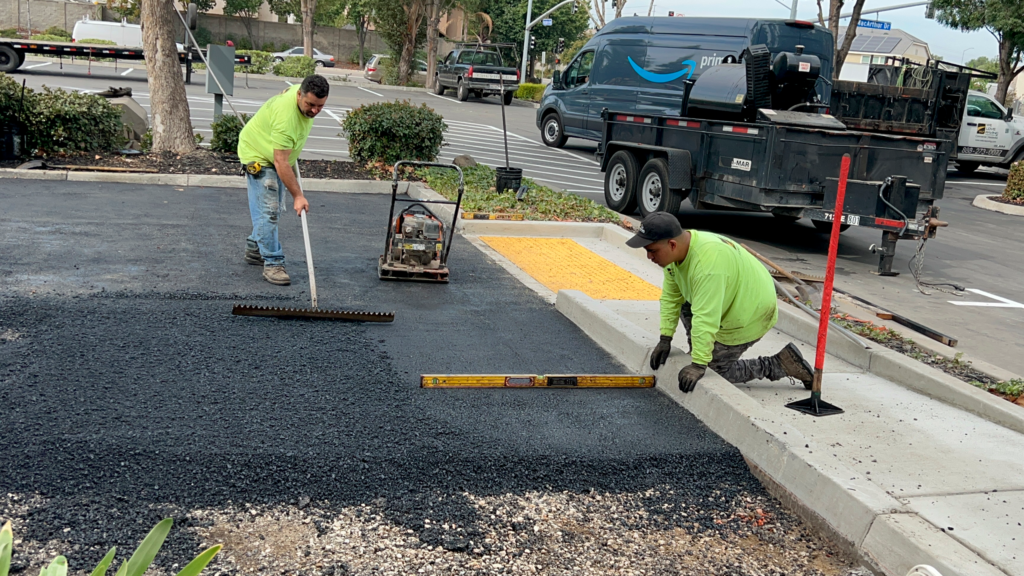
Before delving into the debate over gravel thickness, it’s essential to understand the role that gravel plays in driveway construction. Gravel serves as the base layer upon which the asphalt or concrete surface is laid. It provides structural support, helps distribute the weight of vehicles evenly, and promotes drainage to prevent water buildup and erosion. The thickness of the gravel layer directly impacts the stability, durability, and longevity of the driveway.
Factors to Consider
Several factors influence the appropriate thickness of the gravel base layer for a driveway:
- Soil Conditions: The type and condition of the soil beneath the driveway can affect the stability and load-bearing capacity of the gravel layer. In areas with soft or unstable soils, thicker gravel layers may be necessary to provide adequate support.
- Climate: Weather conditions such as freeze-thaw cycles, heavy rainfall, and temperature extremes can impact the performance of the driveway. Thicker gravel layers may be required in regions with harsh climates to withstand these environmental stresses.
- Traffic Volume: The amount and type of traffic using the driveway also play a role in determining gravel thickness. Driveways subjected to heavy vehicle traffic or frequent use may require thicker gravel layers to prevent rutting, settling, and other forms of pavement distress.
- Desired Lifespan: Consider the expected lifespan of the driveway and your long-term maintenance goals. Thicker gravel layers can contribute to the longevity of the pavement and reduce the need for costly repairs and maintenance over time.
Arguments for 2 Inches of Gravel
Advocates for 2 inches of gravel argue that it is sufficient to provide adequate support for most residential driveways. They cite the following reasons:
- Cost-Effectiveness: Using a thinner gravel layer reduces the amount of material needed and the overall cost of driveway construction.
- Adequate Support: For light to moderate traffic and stable soil conditions, 2 inches of gravel may provide adequate support and stability for the driveway surface.
- Drainage: A thinner gravel layer allows for better drainage and water infiltration, reducing the risk of water buildup and erosion beneath the driveway.
Arguments for Thicker Gravel Layers
On the other hand, proponents of thicker gravel layers advocate for the following reasons:
- Increased Stability: Thicker gravel layers offer greater stability and load-bearing capacity, especially in areas with soft or unstable soils.
- Long-Term Durability: A thicker gravel base provides a more robust foundation for the driveway surface, helping to minimize settling, rutting, and other forms of pavement distress over time.
- Climate Resilience: In regions with harsh climates or extreme weather conditions, thicker gravel layers can help protect the driveway from frost damage, water infiltration, and temperature fluctuations.
- Traffic Resilience: For driveways subjected to heavy vehicle traffic or frequent use, thicker gravel layers are necessary to withstand the additional wear and tear and prevent premature pavement failure.
Considering Site-Specific Factors
Ultimately, the appropriate thickness of the gravel base layer for a driveway depends on a variety of site-specific factors, including soil conditions, climate, traffic volume, and desired lifespan. It’s essential to assess these factors carefully and consult with a reputable contractor or engineer to determine the optimal gravel thickness for your driveway construction project. Investing in a thicker gravel base layer may incur additional upfront costs but can pay off in the long run by ensuring a durable, long-lasting driveway that withstands the test of time.
Conclusion
The debate over whether 2 inches of gravel is enough for a driveway is nuanced and depends on various factors. While some argue that a thinner gravel layer is sufficient for most residential driveways, others advocate for thicker layers to ensure long-term durability and performance. Ultimately, the appropriate gravel thickness for your driveway construction project will depend on site-specific factors such as soil conditions, climate, traffic volume, and desired lifespan. By carefully assessing these factors and consulting with experts, you can make an informed decision that meets your needs and provides a reliable, long-lasting driveway for years to come.