The Art of Timing: When Can You Safely Walk on Newly Paved Surfaces?

Walking on a freshly paved surface may seem like a simple act, but the timing of when it’s safe to do so is crucial. The process of paving involves multiple factors that affect the surface’s strength and durability, and knowing when it’s appropriate to walk on it can prevent damage and ensure optimal results. In this comprehensive guide, we’ll explore the various considerations involved in determining the right time to walk on newly paved surfaces, including material types, additives, weather conditions, and consultation with contractors.

Understanding Material Types

The type of material used for paving plays a significant role in determining the duration of the curing process. Asphalt and concrete are the two most common materials used for paving, each with its own unique characteristics and curing requirements.

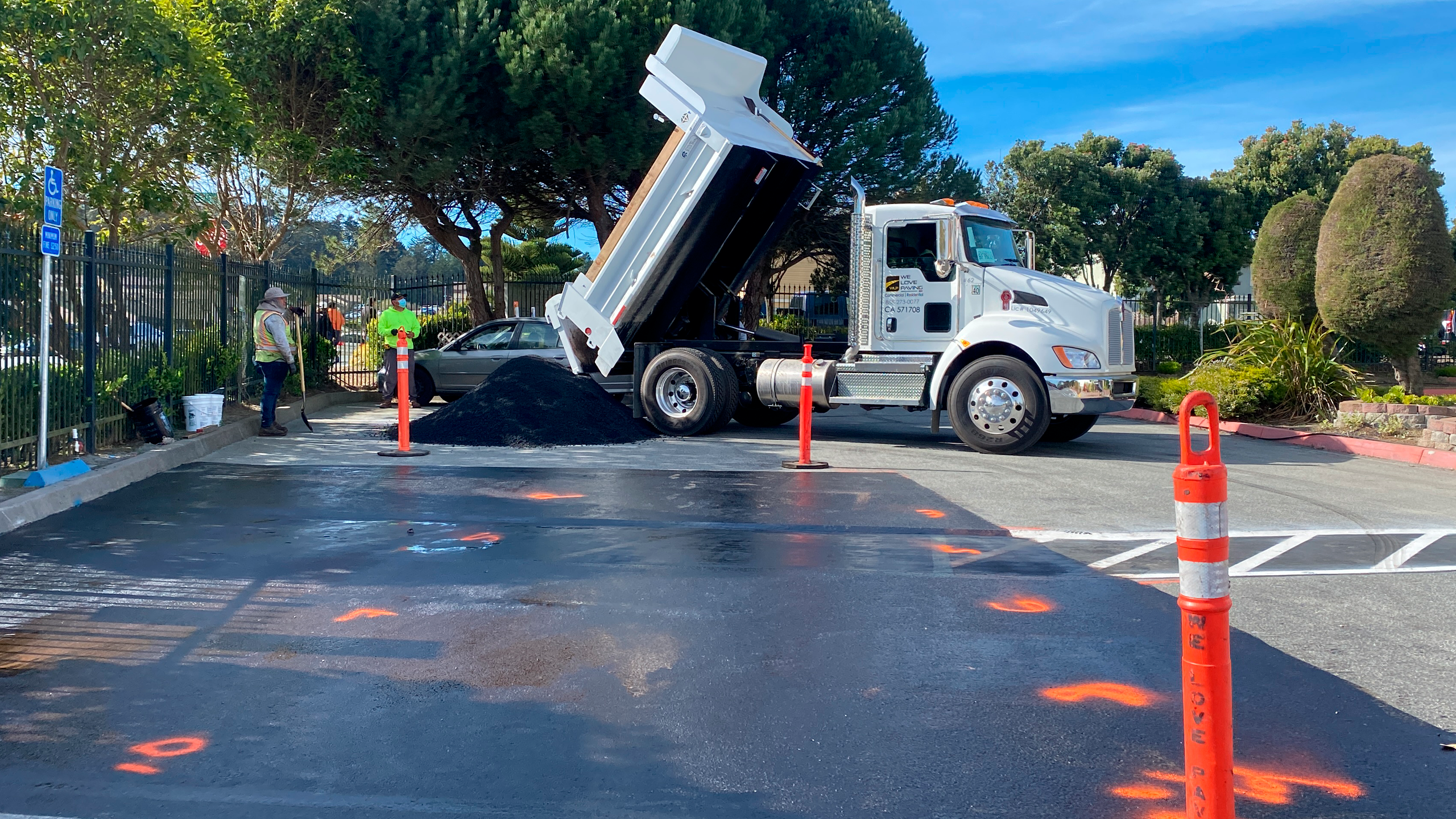
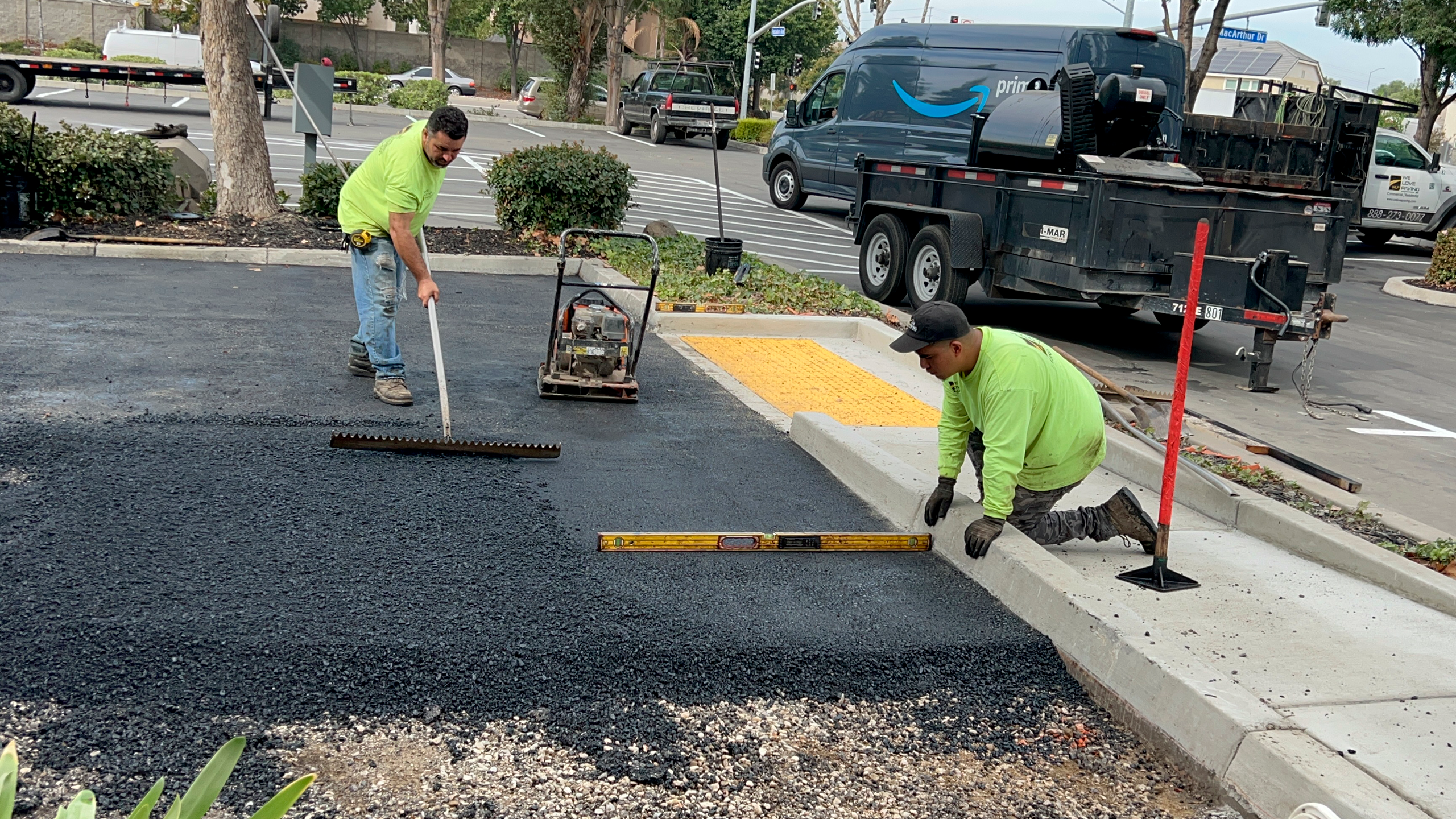
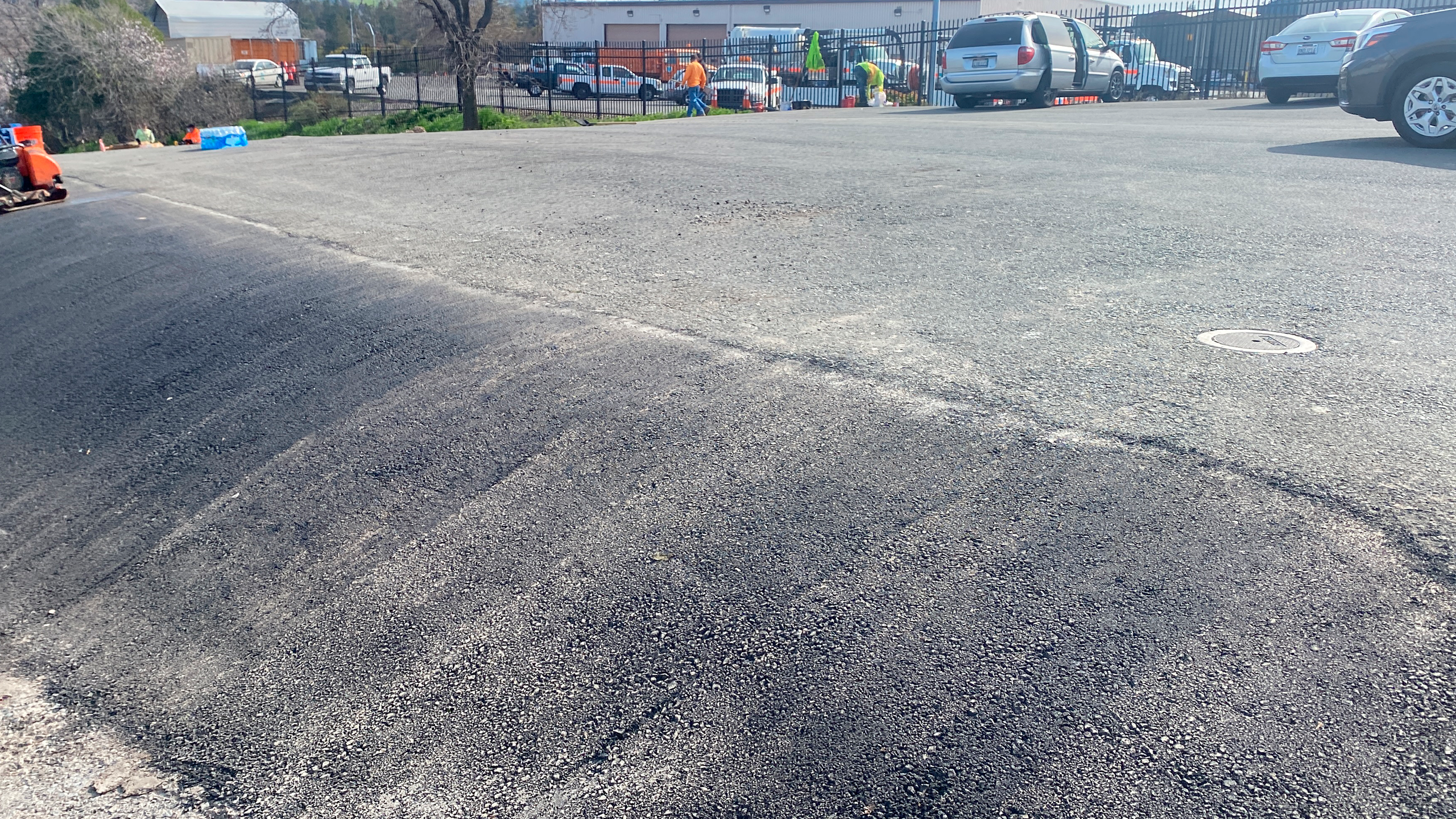
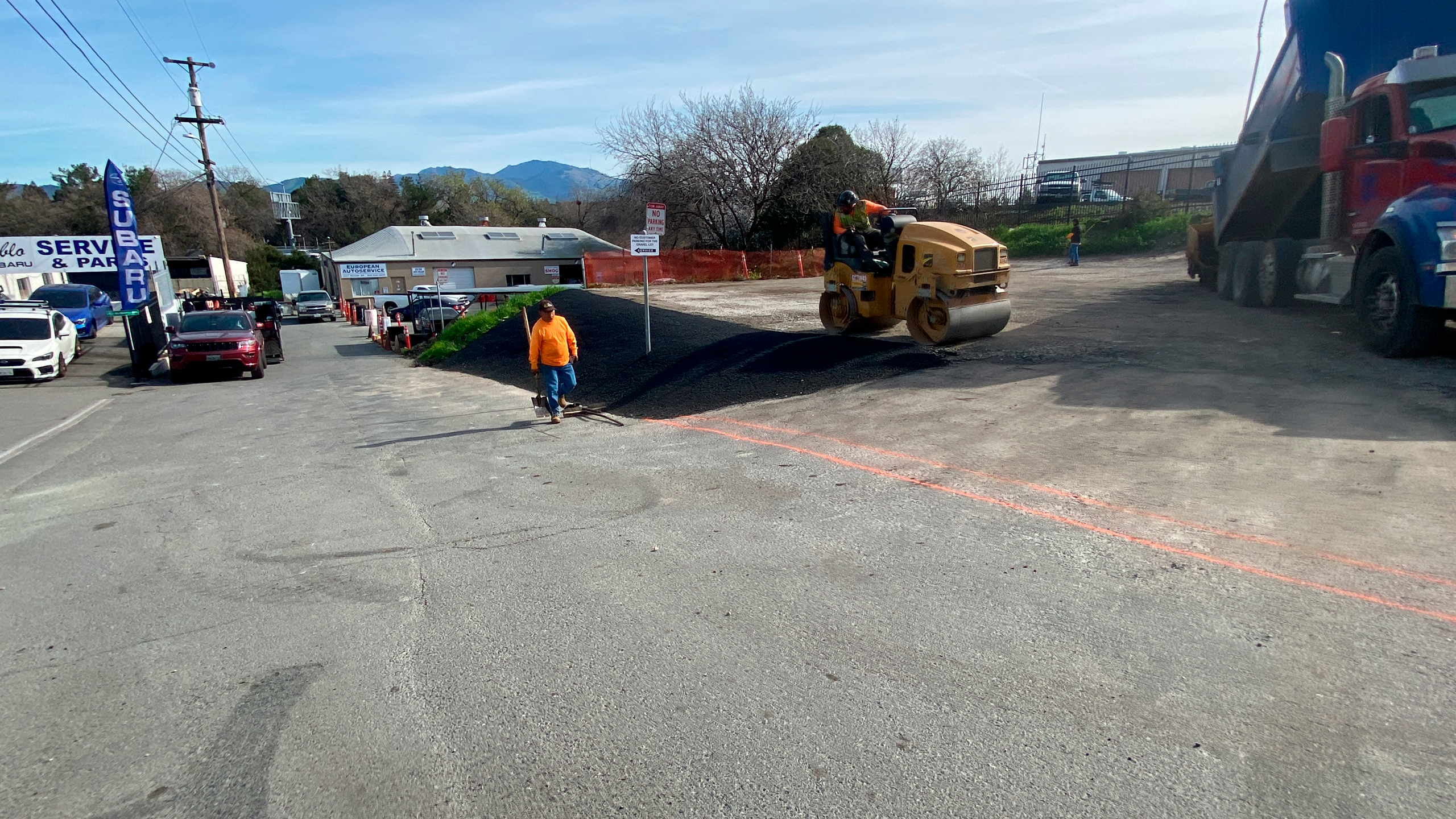
Asphalt paving involves laying a mixture of aggregate stone and asphalt binder. Asphalt surfaces typically cure faster than concrete, with light foot traffic being permissible within 24 to 48 hours under favorable conditions. However, heavy vehicle traffic should be avoided for at least 3 to 5 days to allow for proper curing.

Concrete paving, on the other hand, requires more time to cure compared to asphalt. The curing process for concrete can take several days to reach sufficient strength for pedestrian traffic. Factors such as temperature, humidity, and thickness of the concrete layer influence the curing time, with thicker slabs requiring longer curing periods.

The Role of Additives

Contractors may incorporate additives or accelerators during the paving process to expedite the curing time of newly paved surfaces. These additives can help enhance the properties of the pavement mixture and shorten the waiting period before foot traffic is permitted.

Common additives used in paving include calcium chloride, hydrated lime, and fly ash. These additives can improve the workability, strength, and durability of the pavement mixture while reducing the curing time. However, the use of additives must be carefully considered, as improper dosage or application can affect the quality of the pavement.

Impact of Weather Conditions

Weather conditions play a significant role in the curing process of newly paved surfaces. Temperature, humidity, and precipitation can all affect the rate at which the pavement sets and gains strength. Ideally, paving should be conducted under favorable weather conditions to ensure optimal curing and long-term durability.

High temperatures can accelerate the curing process but may also lead to rapid evaporation of moisture, resulting in surface cracking or shrinkage. Conversely, low temperatures can slow down curing and may require additional measures such as insulation or heating to maintain optimal conditions.

Humidity levels also influence the curing process, with higher humidity promoting better hydration of cementitious materials in concrete. However, excessive humidity can prolong curing times and may necessitate adjustments to the paving schedule.

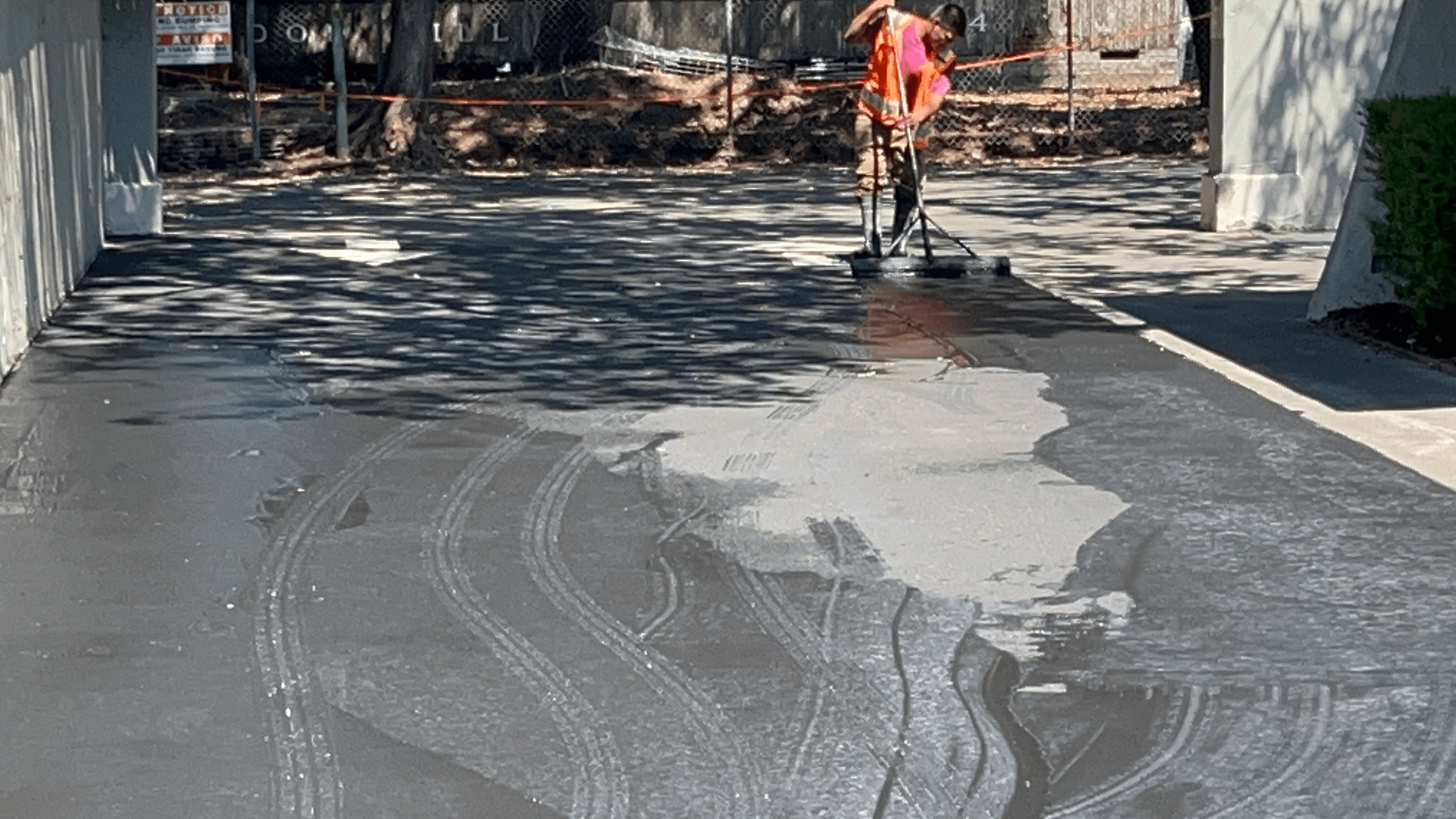
Precipitation poses a challenge to paving projects, as water can interfere with the curing process and compromise the quality of the pavement. Paving should be postponed during rainy or wet conditions, and adequate drainage measures should be in place to prevent water accumulation on the newly paved surface.

Consultation with Contractors

While general guidelines exist for when it’s safe to walk on newly paved surfaces, consulting with the paving contractor is essential for obtaining specific instructions tailored to your project. Contractors possess valuable insights into local weather conditions, paving materials, and project specifications, allowing them to offer the most accurate guidance.

Contractors can assess various factors such as pavement type, thickness, additives, and prevailing weather conditions to determine the optimal timing for pedestrian traffic. They can also recommend appropriate safety precautions to minimize the risk of damage to the newly paved surface.

Safety Precautions

Walking on newly paved surfaces requires caution and adherence to safety precautions to prevent damage and ensure personal safety. Some essential safety tips to consider include:

  1. Wear Appropriate Footwear: Use sturdy, closed-toe shoes with non-abrasive soles when walking on newly paved surfaces to avoid leaving marks or causing damage.
  2. Avoid Sudden Movements: Refrain from making sudden movements or dragging heavy objects across the pavement, as this can lead to surface scuffing or indentation.
  3. Observe Warning Signs: Pay attention to any warning signs or barricades placed by the contractor to indicate areas where pedestrian traffic is prohibited.
  4. Follow Contractor’s Instructions: Adhere to any specific instructions provided by the paving contractor regarding when it’s safe to walk on the newly paved surface and any additional safety precautions to be taken.
  5. Report Issues: If you notice any signs of damage or deterioration on the newly paved surface, report it to the contractor immediately to prevent further damage and ensure timely repairs.

Conclusion

The art of timing when it comes to walking on newly paved surfaces requires careful consideration of various factors, including material types, additives, weather conditions, and consultation with contractors. By understanding these factors and observing safety precautions, you can ensure that your newly paved area remains pristine and functional for years to come. Whether it’s asphalt or concrete, proper timing is essential for achieving optimal results and maximizing the longevity of the pavement.

Share

WHO IS FRED?

Fred, Regional Operations Manager, comes from a family of immigrant roots and a story built on sacrifice, discipline, and hard work. Growing up, Fred watched his parents work long hours and weekends to create a better future teaching him the values of perseverance, determination, and doing things the right way every single time.
We Love Paving began with Fred’s father, who started doing what he knew best: paving. Over the years, he built experience alongside respected professionals in the industry, refining his methods and developing a reputation for quality work that speaks for itself. As his clientele grew, so did the vision one built not only on skill, but on integrity and pride in every job.

Posts that might interest you

How Long Should an Asphalt Driveway Last Before Cracking?

How Long Should an Asphalt Driveway Last Before Cracking?

July 5, 2024

When investing in an asphalt driveway, homeowners often wonder about its longevity and durability. Asphalt driveways are popular due to their affordability, aesthetic appeal, and resilience. However, like any material, asphalt is not immune to wear and tear, and over time, cracking can occur. This article explores the lifespan of asphalt driveways before cracking, with

What Temperature Should Asphalt Be Between Lifts? Insights from Sacramento, California

What Temperature Should Asphalt Be Between Lifts? Insights from Sacramento, California

July 5, 2024

Asphalt paving is a precise and methodical process where temperature plays a critical role in ensuring the durability and quality of the pavement. This is particularly true for the placement of multiple lifts or layers of asphalt. In Sacramento, California, with its distinctive climate, understanding the optimal temperature for asphalt between lifts is essential for

How Long Does an Asphalt Overlay Last? A Focus on Sacramento, California

How Long Does an Asphalt Overlay Last? A Focus on Sacramento, California

July 4, 2024

Asphalt overlays are a crucial component of road maintenance and construction, offering a cost-effective solution for renewing and extending the life of existing pavements. In Sacramento, California, where urban expansion and infrastructural development are ongoing, understanding the longevity of asphalt overlays is vital for city planners, construction companies, and residents. This article delves into the

How Much Asphalt Can Be Laid in a Day?

How Much Asphalt Can Be Laid in a Day?

July 3, 2024

Asphalt paving is a critical component of many construction projects, from residential driveways to major highways. One of the most important considerations for project managers and homeowners alike is understanding how much asphalt can be laid in a day. This not only impacts the timeline of a project but also its overall cost and logistical

How Steep Can an Asphalt Driveway Be?

How Steep Can an Asphalt Driveway Be?

July 3, 2024

Asphalt driveways are a popular choice for homeowners due to their durability, cost-effectiveness, and ease of installation. However, one critical factor to consider when planning an asphalt driveway is its slope. The steepness of a driveway can significantly impact its functionality, safety, and longevity. In this article, we will explore how steep an asphalt driveway

What is the Life Expectancy of Asphalt Paving in Sacramento, California?

What is the Life Expectancy of Asphalt Paving in Sacramento, California?

July 2, 2024

Asphalt paving is a critical component of urban infrastructure, serving as the backbone of city streets, highways, and parking lots. Its durability, cost-effectiveness, and ease of maintenance make it a popular choice for municipalities worldwide. In Sacramento, California, where urban development and traffic demand are continually increasing, understanding the life expectancy of asphalt paving is

What is the Minimum Thickness of Asphalt Pavement?

What is the Minimum Thickness of Asphalt Pavement?

July 2, 2024

The minimum thickness for asphalt pavement depends on the project: residential driveways require at least 2 inches, while commercial parking lots often start at 4 inches for durability. Factors Influencing Asphalt Pavement Thickness Traffic Load: The volume and weight of traffic that the pavement will support is a primary consideration. Heavier loads, such as those

What is the Tolerance for Asphalt Thickness?

What is the Tolerance for Asphalt Thickness?

July 1, 2024

Asphalt pavement quality is crucial for the longevity and durability of roads, driveways, and parking lots. One key aspect that affects the performance of asphalt surfaces is the thickness tolerance. This detailed guide will explore the importance of asphalt thickness tolerance, the factors that influence it, measurement techniques, and best practices for maintaining accurate thickness

What is the Best Quality Asphalt for Driveways?

What is the Best Quality Asphalt for Driveways?

June 28, 2024

Choosing the best quality asphalt for your driveway is essential to ensure durability, aesthetic appeal, and cost-effectiveness. This guide explores the types of asphalt, their benefits, and how to select the best option for your driveway needs. Understanding Asphalt Factors to Consider When Choosing Asphalt Types of Asphalt for Driveways Comparing Asphalt to Other Materials

How Thick Should Asphalt Paving Be?

How Thick Should Asphalt Paving Be?

June 28, 2024

Choosing the right thickness for asphalt paving is crucial for the longevity and durability of the surface, whether it’s a driveway, parking lot, or roadway. The thickness of asphalt paving affects its ability to withstand traffic loads, weather conditions, and overall wear and tear. This article will explore the factors influencing asphalt thickness and provide

Previous Next