the 5 most common struggles and frustrations of property managers when hiring vendors

Parking lot paving and striping in Richmond, California. ADA-compliant parking lot services by We Love Paving in Richmond.
Estimation Tools

Calculate costs in seconds

Fast, accurate estimates that help you close more jobs. Less guesswork, more profit.

Property managers play a crucial role in the smooth operation and maintenance of various properties. One of the significant responsibilities they face is hiring and managing vendors who provide services such as landscaping, maintenance, repairs, and renovations. However, this task is often accompanied by several struggles and frustrations. In this article, we will explore some of the common challenges property managers encounter when hiring vendors and potential solutions to overcome them.

Limited Vendor Options

Finding reliable and competent vendors can be a daunting task for property managers. Limited options in the market may restrict their choices and force them to settle for vendors who may not meet their specific requirements. This lack of variety can lead to compromised service quality and dissatisfaction.

Solution

Property managers can expand their vendor network by actively seeking recommendations from colleagues in the industry, attending trade shows and networking events, and conducting thorough research to identify potential vendors. Building relationships with trusted vendors and maintaining a vendor database can also help property managers access a wider pool of service providers.

Quality and Reliability Concerns

Property managers need vendors who consistently deliver high-quality work and adhere to agreed-upon schedules. However, they often face challenges in finding vendors who can consistently meet these standards. Reliability issues such as missed deadlines, subpar workmanship, and lack of communication can cause frustration and disrupt property management operations.

Solution

Before hiring a vendor, property managers should conduct thorough background checks, including reviewing references, checking online reviews, and assessing their track record. Setting clear expectations and discussing service level agreements (SLAs) can help ensure vendors understand the required quality standards and meet their obligations. Regular performance evaluations and feedback sessions can also encourage vendors to maintain consistency and address any concerns promptly.

Cost Management

Balancing cost-effectiveness with quality service is a constant challenge for property managers. Finding vendors who offer competitive pricing while maintaining high standards can be difficult. Budget constraints and unexpected expenses can further complicate the process of vendor selection.

Solution

Property managers should obtain multiple quotes from different vendors for comparison. While cost is an essential factor, it should not be the sole determining factor. Evaluating vendors based on their reputation, experience, and reliability can help property managers strike a balance between cost and quality. Negotiating long-term contracts or forming partnerships with vendors can also lead to cost savings through volume discounts or preferential rates.

Communication and Responsiveness

Effective communication is crucial for successful vendor management. Property managers often struggle with vendors who are unresponsive, fail to provide timely updates, or lack clear lines of communication. This can lead to delays, misunderstandings, and unsatisfactory outcomes.

Solution

Property managers should establish clear channels of communication with vendors, ensuring they have a dedicated point of contact for any queries or concerns. Regularly scheduled meetings and progress updates can help keep both parties informed and address any issues promptly. Using digital tools such as project management software, email, and messaging platforms can facilitate smooth communication and ensure accountability.

Compliance and Legal Issues

Property managers must ensure that the vendors they hire comply with legal and safety regulations. Failure to do so can result in liability issues and legal complications. Verifying licenses, insurance coverage, and adherence to safety protocols can be time-consuming and challenging.

Solution

Property managers should develop a thorough vetting process that includes verifying licenses, certifications, and insurance coverage of potential vendors. Requesting copies of relevant documents and conducting periodic audits can help ensure compliance. Working closely with legal advisors and staying updated on local regulations can help property managers mitigate legal risks associated with vendor management.

In conclusion

Property managers face several struggles and frustrations when hiring vendors. Limited options, quality concerns, cost management, communication issues, and compliance challenges are some of the common obstacles they encounter. By implementing proactive strategies such as expanding their vendor network, conducting thorough assessments, fostering effective communication, and ensuring compliance, property managers can overcome these challenges and build successful partnerships with vendors. Effective vendor management is essential for maintaining the overall operational efficiency and value of the properties they manage.

Need Immediate Help?

Let's Talk About Your Project

Don't wait until minor damage turns into major expenses. Our team of experts is ready to provide you with guaranteed solutions. Contact us now for direct advice from a professional.

Frequently Asked Questions (FAQ)

Got Questions? Find Your Answers Here!!

How do property managers find reliable vendors with limited market options?

Property managers expand vendor networks by seeking recommendations from industry colleagues, attending trade shows, and maintaining comprehensive databases. Actively conducting thorough research prevents settling for subpar services. Implementing a structured vendor relationship management system can increase available service options by 20%, ensuring specific maintenance requirements are consistently met by qualified professionals.

What measures ensure vendor quality and reliability for property maintenance?

Ensuring quality requires background checks, online review assessments, and Service Level Agreements (SLAs) defining workmanship standards. Regular performance evaluations and feedback sessions encourage accountability and communication. Property managers who implement mandatory SLA compliance typically see a 25% reduction in project delays and subpar workmanship issues compared to those using informal agreements.

Why should property managers avoid selecting vendors based only on cost?

Selecting vendors solely on price risks structural issues and higher long-term maintenance costs due to inferior materials. Obtaining multiple quotes facilitates objective comparisons of experience and reputation. Forming long-term partnerships or negotiating volume-based contracts can yield significant cost savings without compromising the technical integrity or ADA compliance of essential parking lot paving projects.

How can property managers solve poor communication with maintenance vendors?

Effective communication is established through dedicated points of contact and digital tools like project management software or messaging platforms. Scheduling weekly progress updates ensures real-time accountability and prevents operational delays. Utilizing centralized digital communication logs can reduce project misunderstandings by up to 30%, guaranteeing that vendor deliverables align perfectly with property management schedules.

What steps mitigate legal risks when hiring property service vendors?

Mitigating legal risks involves a rigorous vetting process that verifies licenses, insurance coverage, and safety protocol adherence. Periodic audits of documents and consultation with legal advisors ensure compliance with local regulations. In Richmond, verifying ADA compliance for parking lots is mandatory; failure to validate these certifications can result in liability lawsuits and significant regulatory fines.

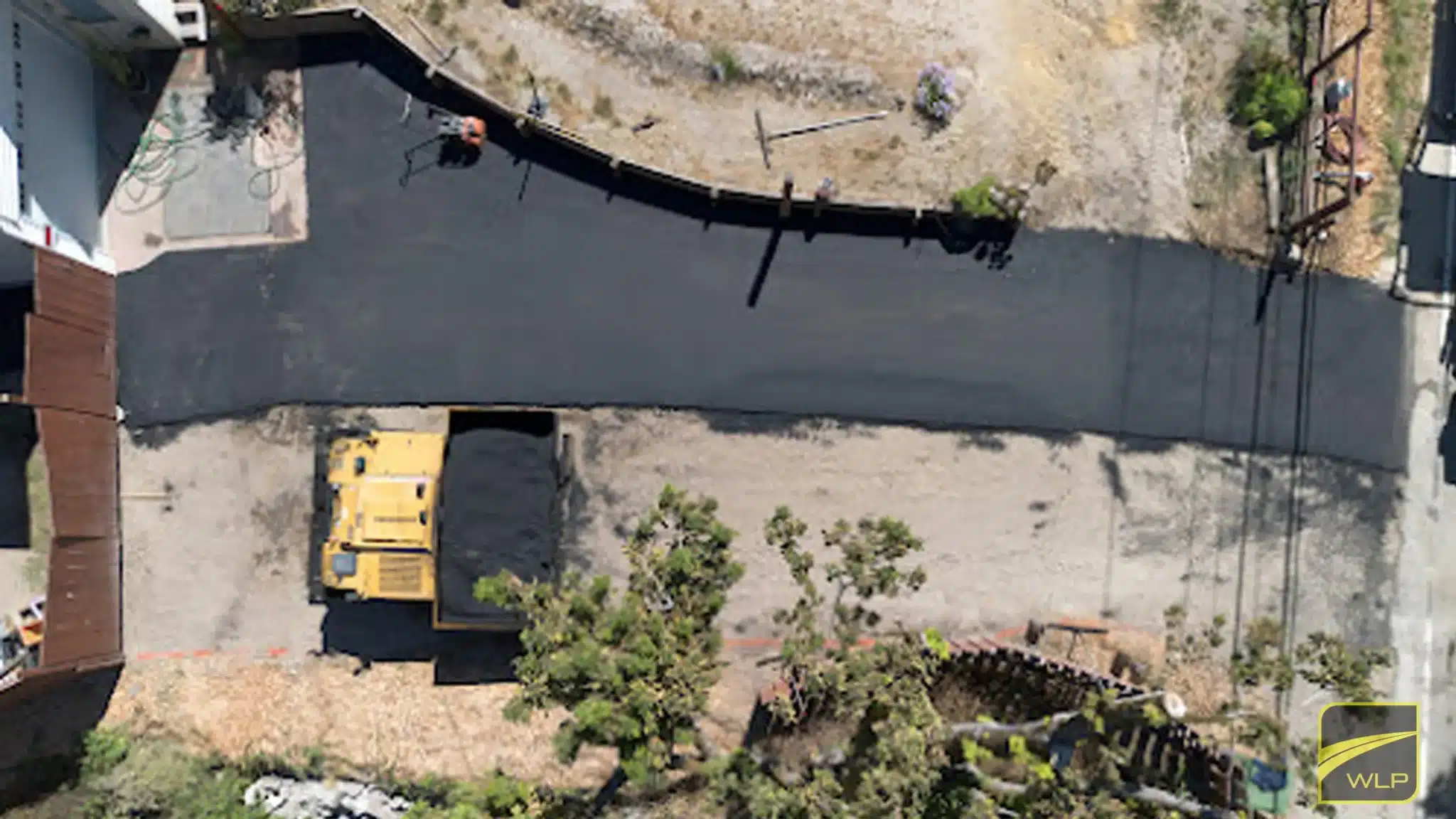
Professional asphalt paving project by We Love Paving in Northern California, California. Verified local construction quality.

We Love Paving Experts

Published by We Love Paving's field operations team CSLB Licensed #1049649, C12 Earthwork and Paving. Our articles reflect firsthand experience from 1,000+ commercial projects across Northern California.

Share

Posts That Might Interest You

Infrared Asphalt Repair: The Science of Seamless Pavement Restoration

Infrared Asphalt Repair: The Science of Seamless Pavement Restoration

July 21, 2026

Maintaining commercial parking lots and multi-family roadways requires balancing long-term durability with minimal business disruption. Traditional saw-cut patching often leaves behind vulnerable seams that allow water intrusion, leading to premature pavement failure. Infrared asphalt repair solves this structural weakness by using controlled thermal radiation to reheat existing asphalt in place, creating a seamless, monolithic bond

Roller Compacted Concrete Guide

Roller Compacted Concrete Guide

July 20, 2026

Roller compacted concrete offers industrial property developers a high-density, high-strength alternative to traditional pavements by blending the structural benefits of conventional concrete with the rapid installation speed of asphalt. This zero-slump material eliminates the need for forms, rebar, or extensive labor, relying instead on heavy vibratory rollers to achieve deep particle interlocking. Commercial facilities throughout

How to Maximize Parking Spaces: Commercial Layout Efficiency

How to Maximize Parking Spaces: Commercial Layout Efficiency

July 17, 2026

Maximizing commercial parking capacity requires a careful balance between geometric layouts, local zoning regulations, and fluid traffic engineering. Property owners often struggle with inefficient configurations that lose valuable square footage to oversized drive aisles or poorly angled stalls. In Northern California, where urban land values are exceptionally high and state-mandated parking space guidelines are highly

Storm Drain vs Catch Basin: Differences & Pavement Impact

Storm Drain vs Catch Basin: Differences & Pavement Impact

July 16, 2026

Commercial property managers often use the terms interchangeably, yet confusing a storm drain with a catch basin can lead to expensive infrastructure missteps. While both components operate within the same municipal storm water management ecosystem, they perform entirely different structural roles. In Northern California, where seasonal atmospheric rivers deliver heavy, concentrated rainfall, understanding this distinction

Next

Estimation Tools

Calculate costs in seconds

Fast, accurate estimates that help you close more jobs. Less guesswork, more profit.