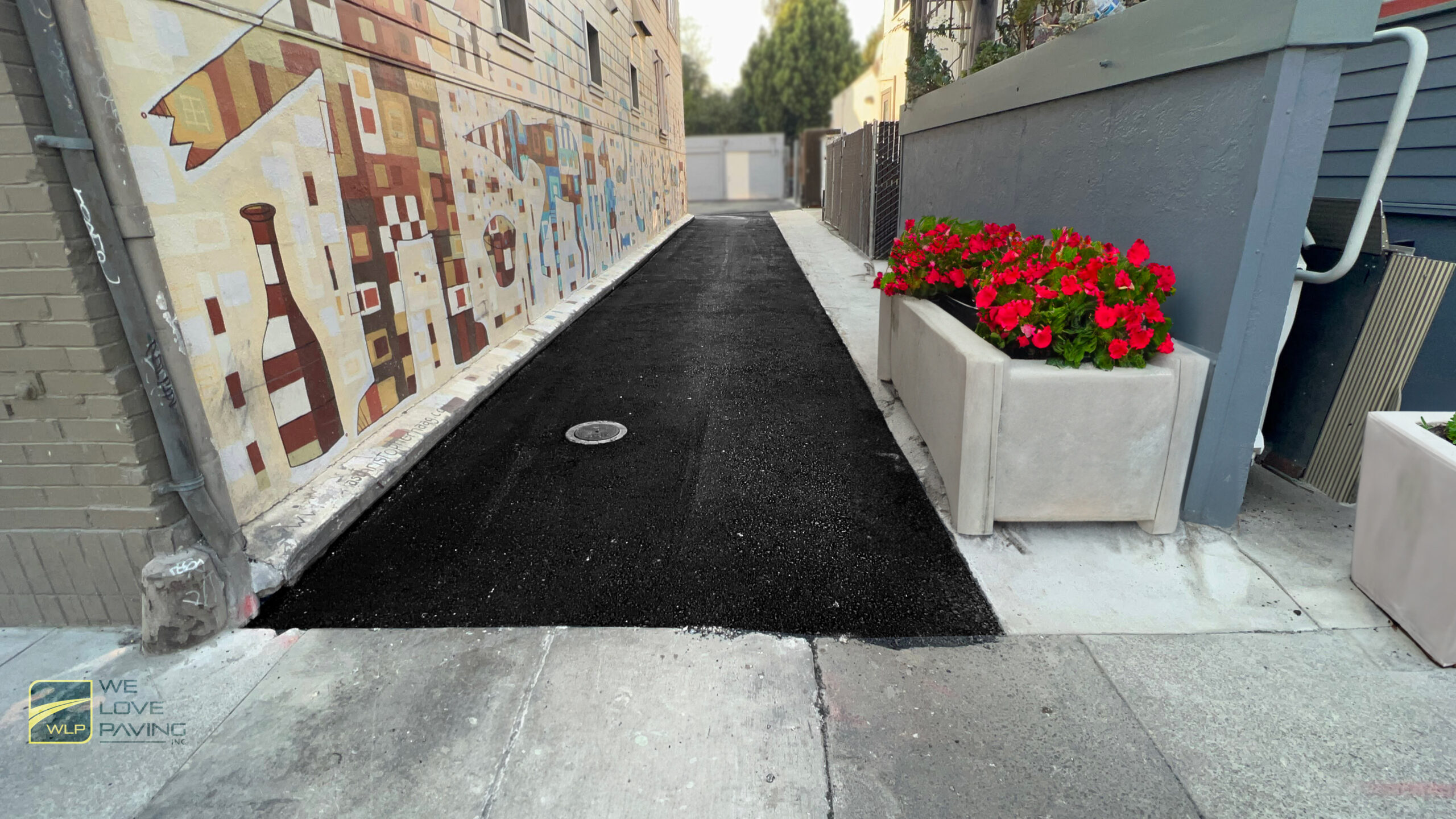
Walking on a freshly paved surface may seem like a simple act, but the timing of when it’s safe to do so is crucial. The process of paving involves multiple factors that affect the surface’s strength and durability, and knowing when it’s appropriate to walk on it can prevent damage and ensure optimal results. In this comprehensive guide, we’ll explore the various considerations involved in determining the right time to walk on newly paved surfaces, including material types, additives, weather conditions, and consultation with contractors.
Understanding Material Types
The type of material used for paving plays a significant role in determining the duration of the curing process. Asphalt and concrete are the two most common materials used for paving, each with its own unique characteristics and curing requirements.
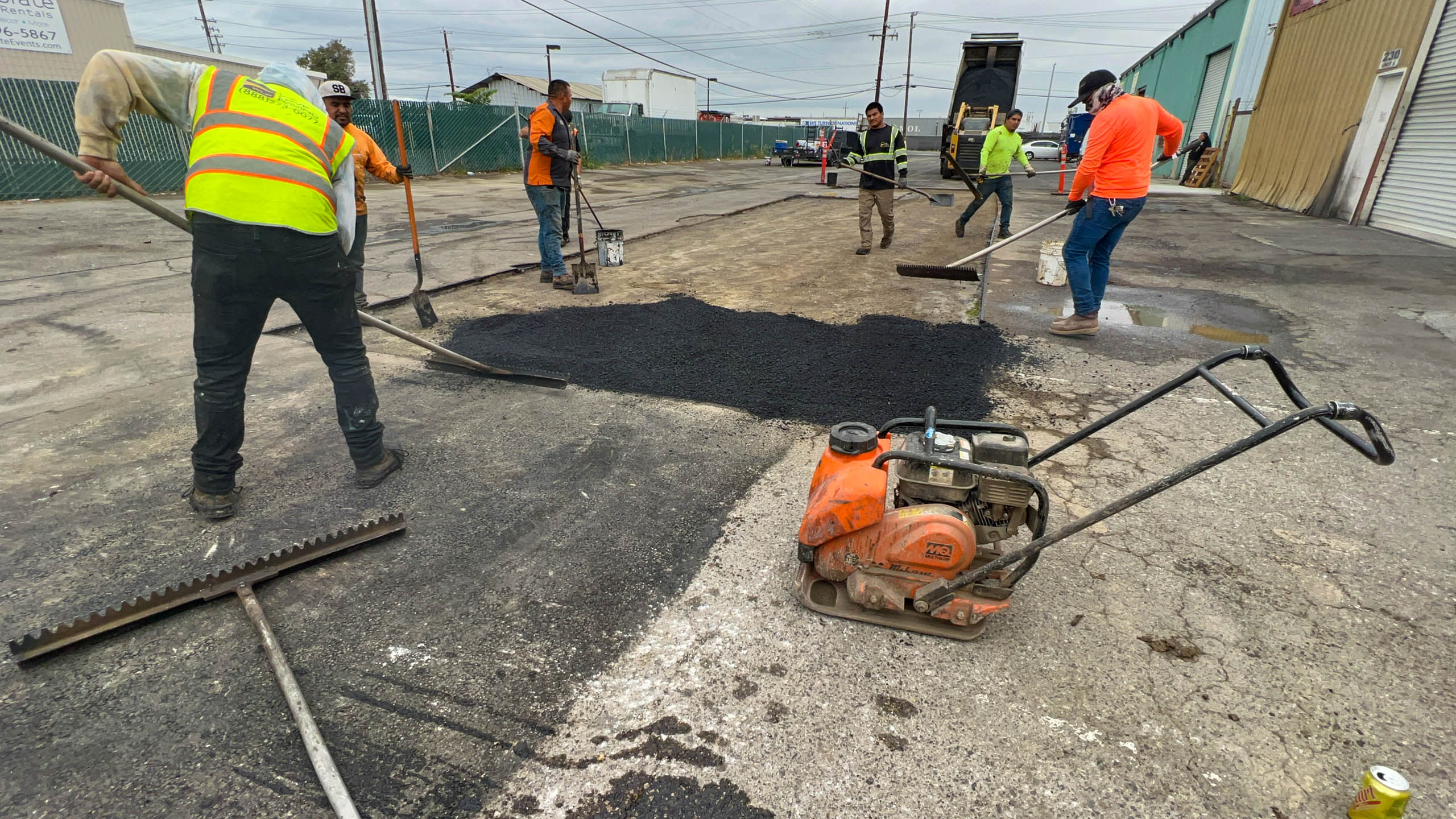
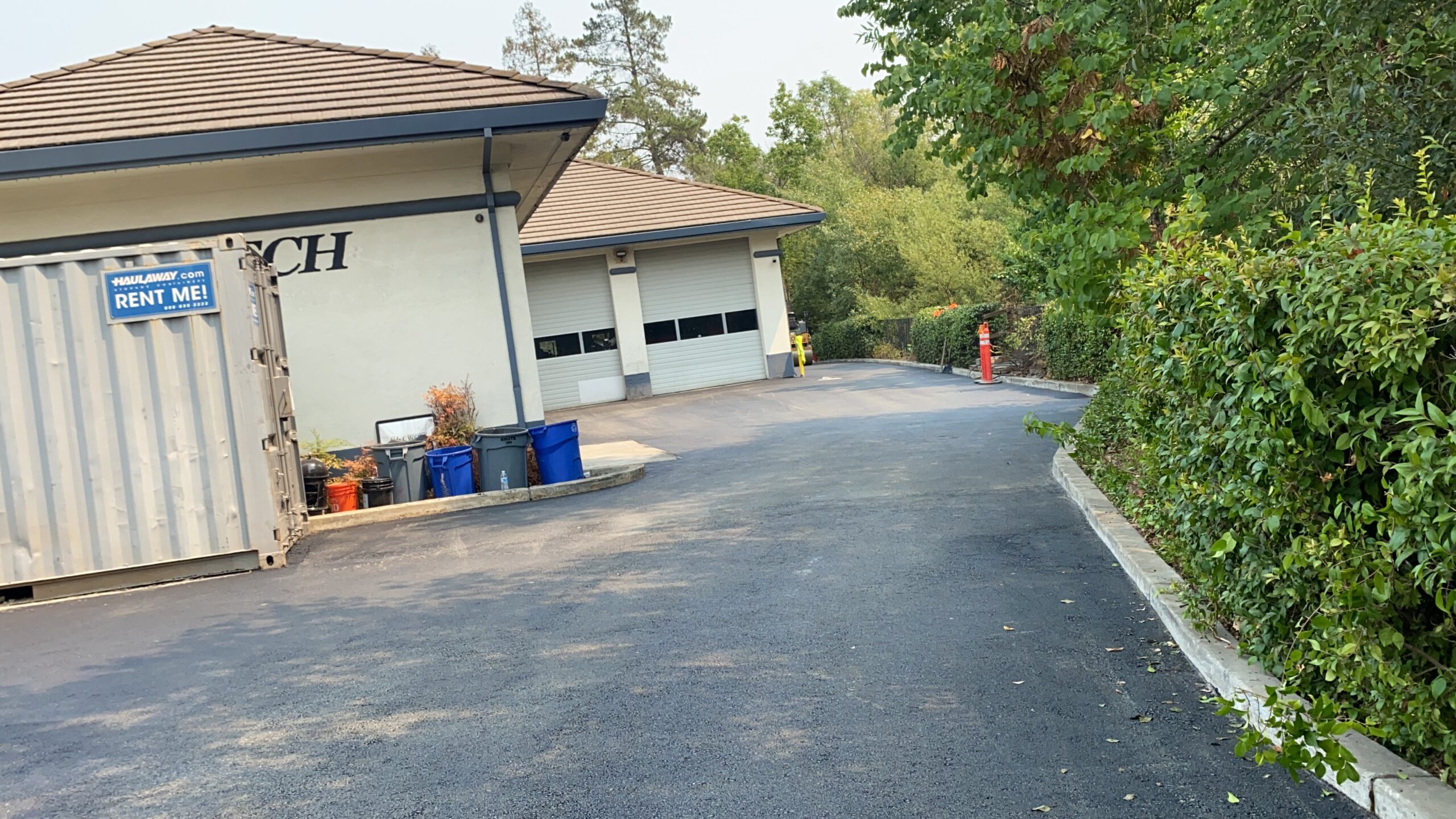
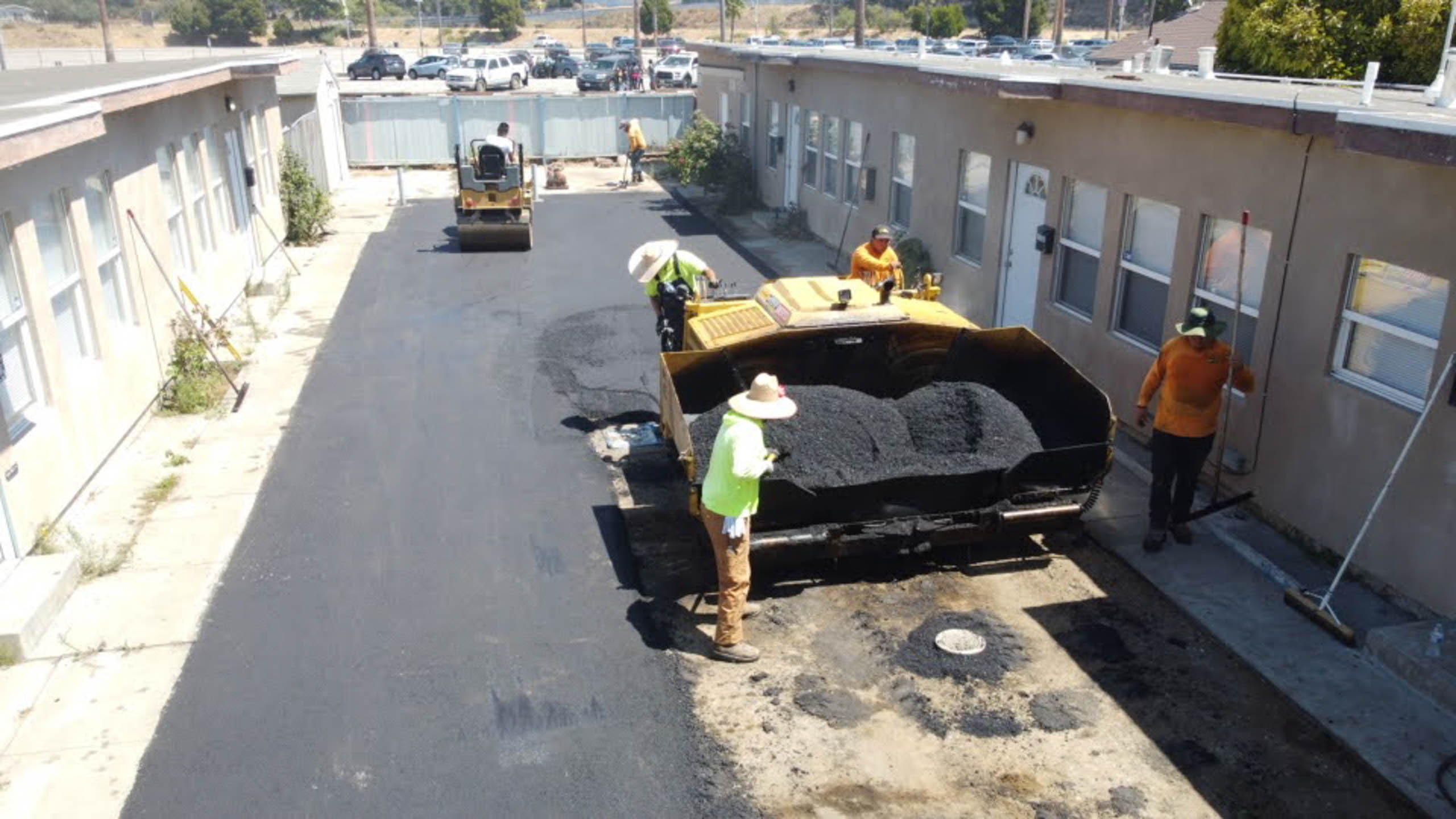
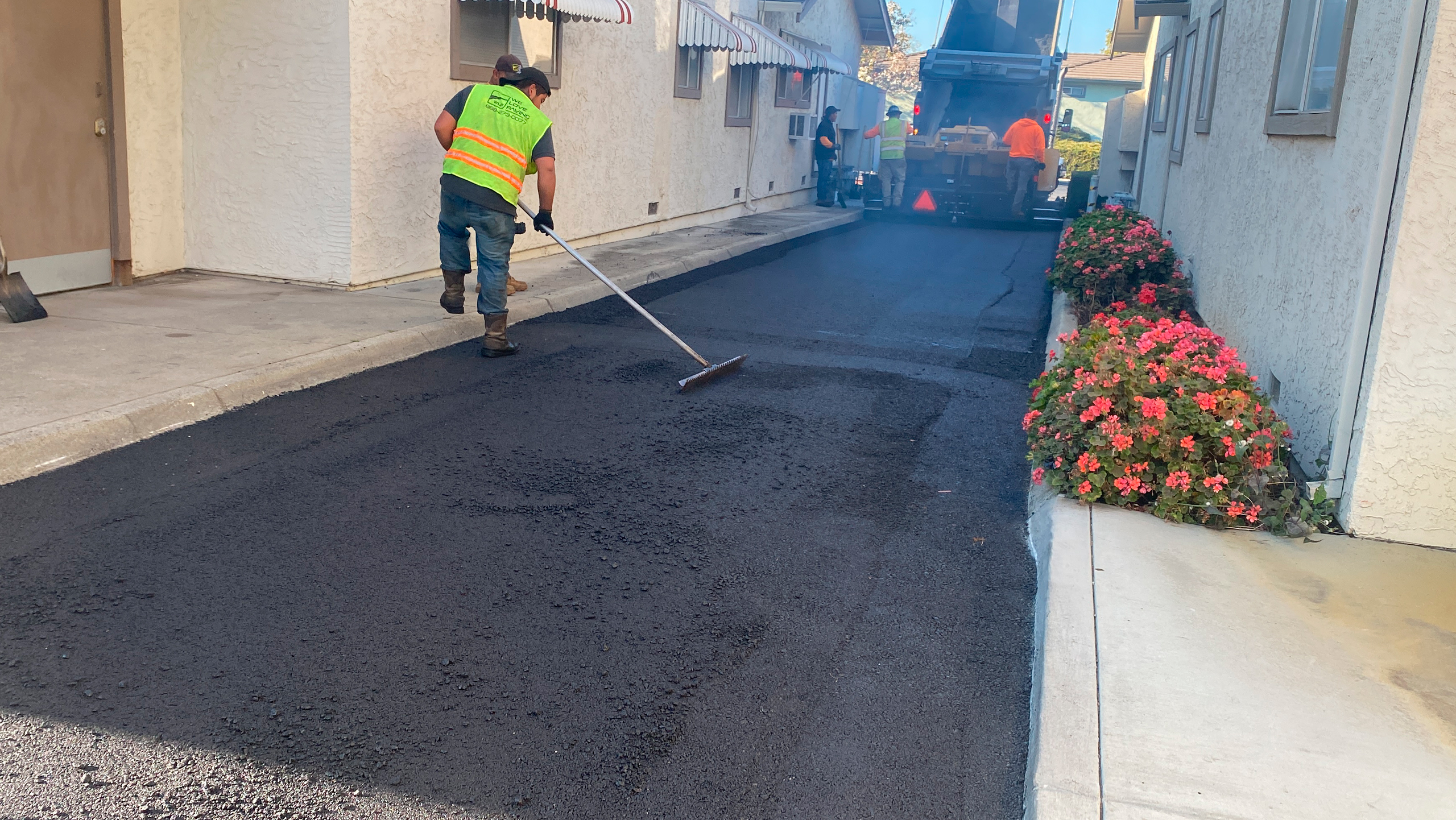
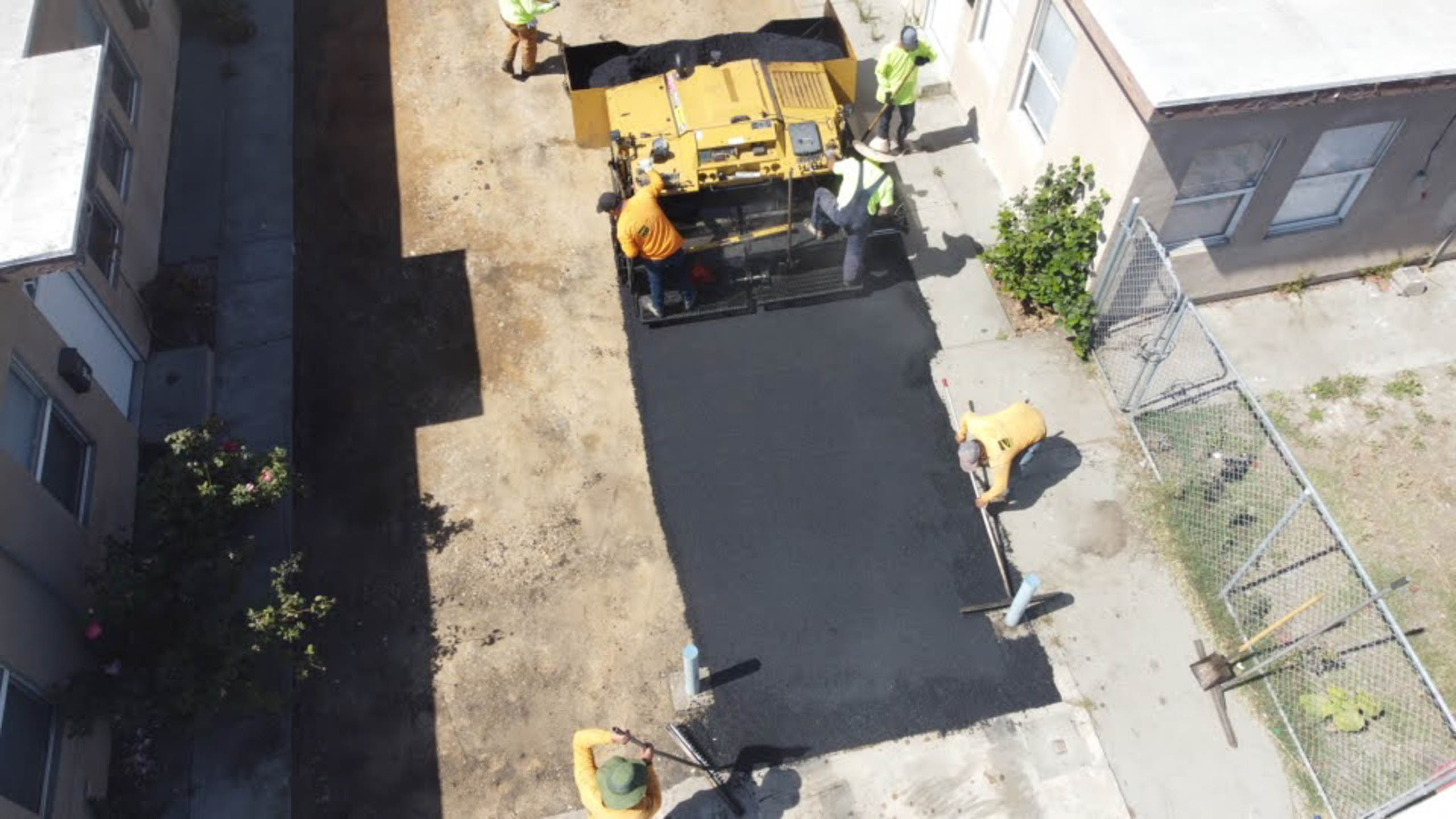
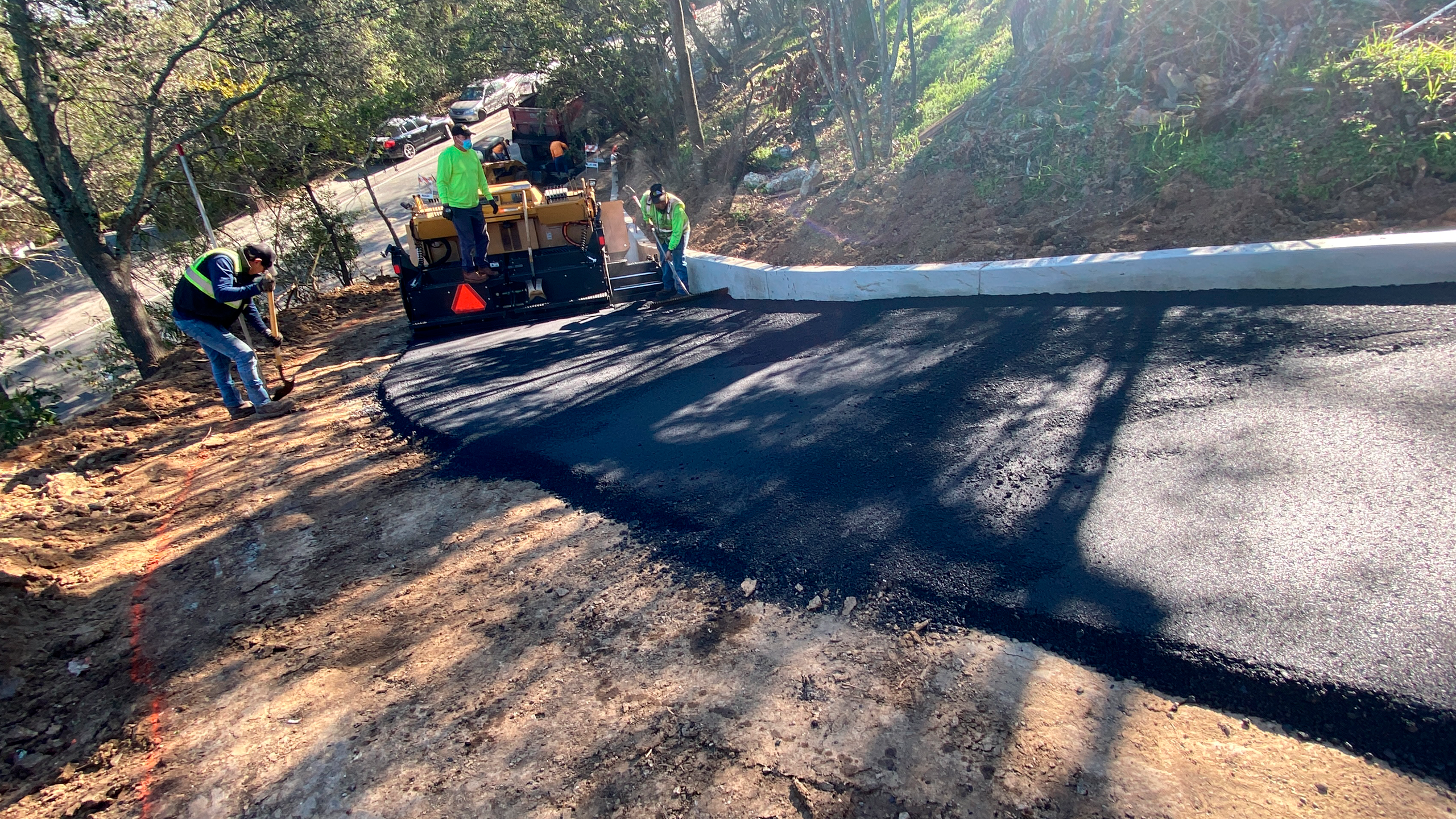
Asphalt paving involves laying a mixture of aggregate stone and asphalt binder. Asphalt surfaces typically cure faster than concrete, with light foot traffic being permissible within 24 to 48 hours under favorable conditions. However, heavy vehicle traffic should be avoided for at least 3 to 5 days to allow for proper curing.
Concrete paving, on the other hand, requires more time to cure compared to asphalt. The curing process for concrete can take several days to reach sufficient strength for pedestrian traffic. Factors such as temperature, humidity, and thickness of the concrete layer influence the curing time, with thicker slabs requiring longer curing periods.
The Role of Additives
Contractors may incorporate additives or accelerators during the paving process to expedite the curing time of newly paved surfaces. These additives can help enhance the properties of the pavement mixture and shorten the waiting period before foot traffic is permitted.
Common additives used in paving include calcium chloride, hydrated lime, and fly ash. These additives can improve the workability, strength, and durability of the pavement mixture while reducing the curing time. However, the use of additives must be carefully considered, as improper dosage or application can affect the quality of the pavement.
Impact of Weather Conditions
Weather conditions play a significant role in the curing process of newly paved surfaces. Temperature, humidity, and precipitation can all affect the rate at which the pavement sets and gains strength. Ideally, paving should be conducted under favorable weather conditions to ensure optimal curing and long-term durability.
High temperatures can accelerate the curing process but may also lead to rapid evaporation of moisture, resulting in surface cracking or shrinkage. Conversely, low temperatures can slow down curing and may require additional measures such as insulation or heating to maintain optimal conditions.
Humidity levels also influence the curing process, with higher humidity promoting better hydration of cementitious materials in concrete. However, excessive humidity can prolong curing times and may necessitate adjustments to the paving schedule.
Precipitation poses a challenge to paving projects, as water can interfere with the curing process and compromise the quality of the pavement. Paving should be postponed during rainy or wet conditions, and adequate drainage measures should be in place to prevent water accumulation on the newly paved surface.
Consultation with Contractors
While general guidelines exist for when it’s safe to walk on newly paved surfaces, consulting with the paving contractor is essential for obtaining specific instructions tailored to your project. Contractors possess valuable insights into local weather conditions, paving materials, and project specifications, allowing them to offer the most accurate guidance.
Contractors can assess various factors such as pavement type, thickness, additives, and prevailing weather conditions to determine the optimal timing for pedestrian traffic. They can also recommend appropriate safety precautions to minimize the risk of damage to the newly paved surface.
Safety Precautions
Walking on newly paved surfaces requires caution and adherence to safety precautions to prevent damage and ensure personal safety. Some essential safety tips to consider include:
- Wear Appropriate Footwear: Use sturdy, closed-toe shoes with non-abrasive soles when walking on newly paved surfaces to avoid leaving marks or causing damage.
- Avoid Sudden Movements: Refrain from making sudden movements or dragging heavy objects across the pavement, as this can lead to surface scuffing or indentation.
- Observe Warning Signs: Pay attention to any warning signs or barricades placed by the contractor to indicate areas where pedestrian traffic is prohibited.
- Follow Contractor’s Instructions: Adhere to any specific instructions provided by the paving contractor regarding when it’s safe to walk on the newly paved surface and any additional safety precautions to be taken.
- Report Issues: If you notice any signs of damage or deterioration on the newly paved surface, report it to the contractor immediately to prevent further damage and ensure timely repairs.
Conclusion
The art of timing when it comes to walking on newly paved surfaces requires careful consideration of various factors, including material types, additives, weather conditions, and consultation with contractors. By understanding these factors and observing safety precautions, you can ensure that your newly paved area remains pristine and functional for years to come. Whether it’s asphalt or concrete, proper timing is essential for achieving optimal results and maximizing the longevity of the pavement.