
ADA Inspection Services in California
Field-level ADA inspections calibrated to California Title 24, measuring slopes, clearances, and tactile systems with zero tolerance for non-compliant surfaces.
Phased execution to keep access open
Color-coded sitemaps with clear scope
Video briefing + proposal walkthrough

🛡️ 15yr Pothole-Free Guarantee*
written warranty, terms apply
Calls may be monitored or recorded for quality assurance and training purposes.


ADA Inspection Specialists
We Love Paving
Licensed under CSLB #1049649, we specialize in ADA inspections for paved surfaces, applying digital inclinometry and laser-based topographic surveys to detect slope violations before they become legal liabilities. Our technical process is anchored in California Title 24, verifying cross slopes, truncated dome installations, and van-accessible space dimensions with field precision that generic walkthroughs cannot match.
Trusted By Property Managers & National Brands





Why California Title 24 Raises the Bar Beyond Federal ADA
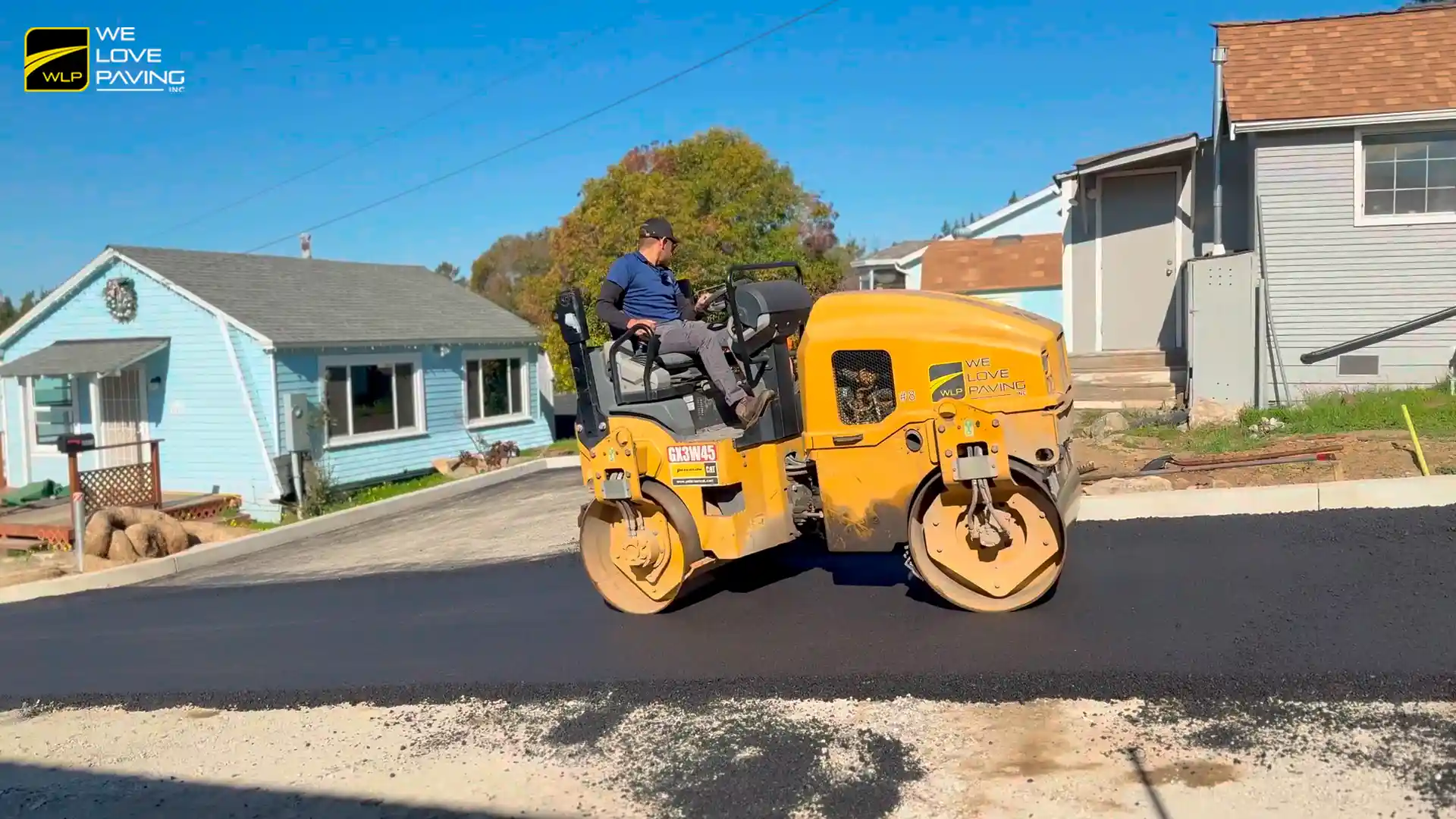
California Title 24 exceeds federal ADA minimums on slope tolerances, tactile specifications, and accessible space dimensions making compliance more demanding and legal exposure higher. A property without a documented ADA inspection history faces elevated risk during site audits and third-party litigation. Millimeter-level field measurement is the difference between a clean compliance record and a six-figure settlement.
Specialized ADA Inspection Protocol
Optimize your property’s accessibility through a comprehensive technical diagnosis that identifies discrepancies before they escalate into critical risks.
Request Technical Audit
Risk Assessment in Access Areas
The analysis of travel paths begins with laser measurement of slopes, where even a 2.1% incline can invalidate compliance. To mitigate these errors, it is essential to apply an ADA compliance checklist that accounts for permitted asphalt tolerances. Early detection of slope violations during an ADA inspection allows property managers to schedule targeted remediation under Title 24 compliance timelines, reducing legal exposure while keeping site operations fully active.
Experienced Team
Safety First
No Work Stoppage
Guaranteed Results
Our Professional Process for ADA Inspections
Choosing We Love Paving guarantees an analysis based on objective data and state regulations. Our process includes:
- Digital Topographic Survey: Exact measurement of longitudinal and cross slopes.
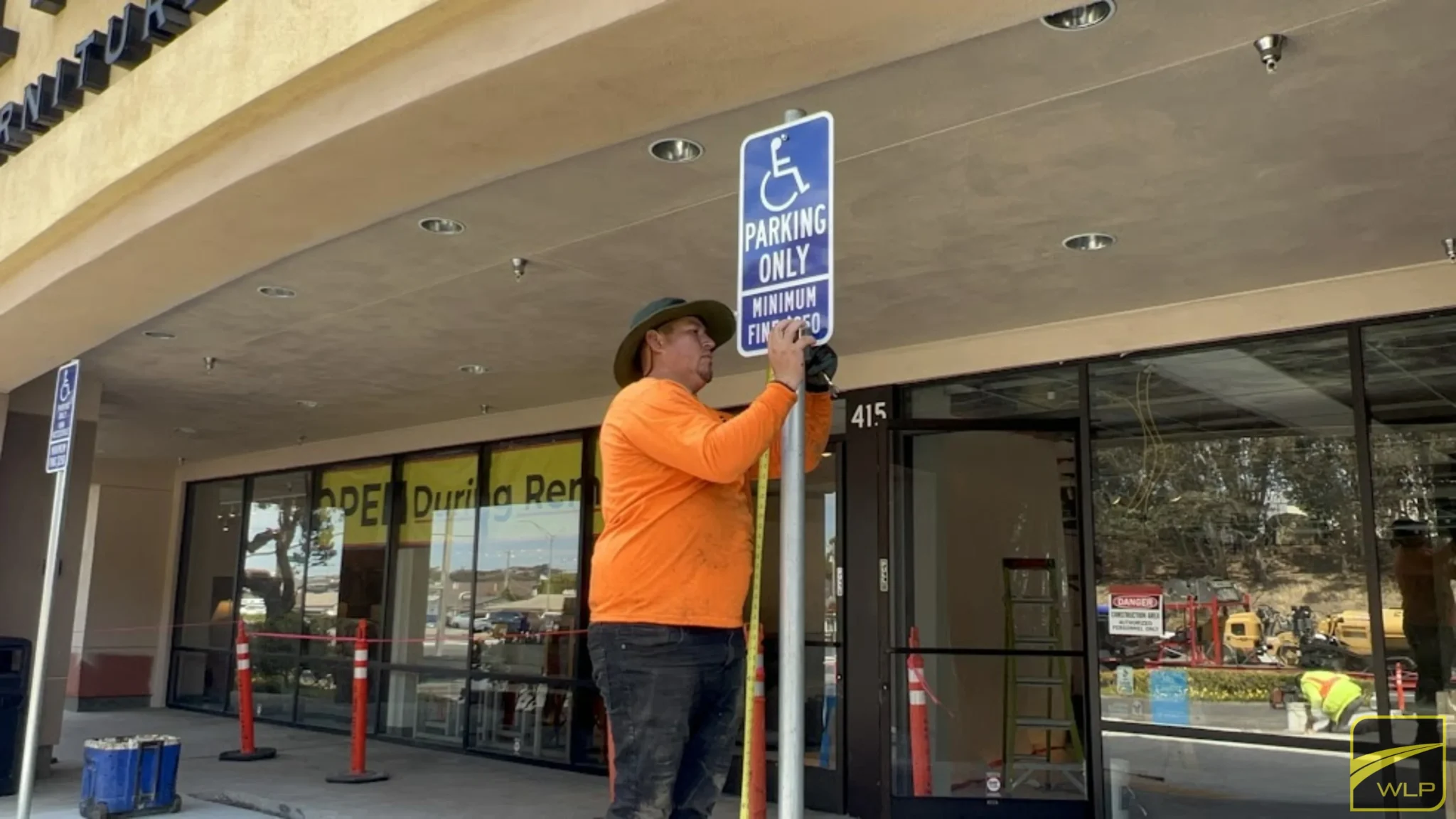
- Signage Audit: Verification of contrast and placement of international symbols.
- Path-of-Travel Mapping: Identification of architectural barriers in concrete.
- Tactile Warning Analysis: Evaluation of truncated dome installations.
- Priority Reporting: Technical documentation for informed decision-making.
This Is What Our Clients Say About Our Work
ADA Compliance and Pavement Longevity
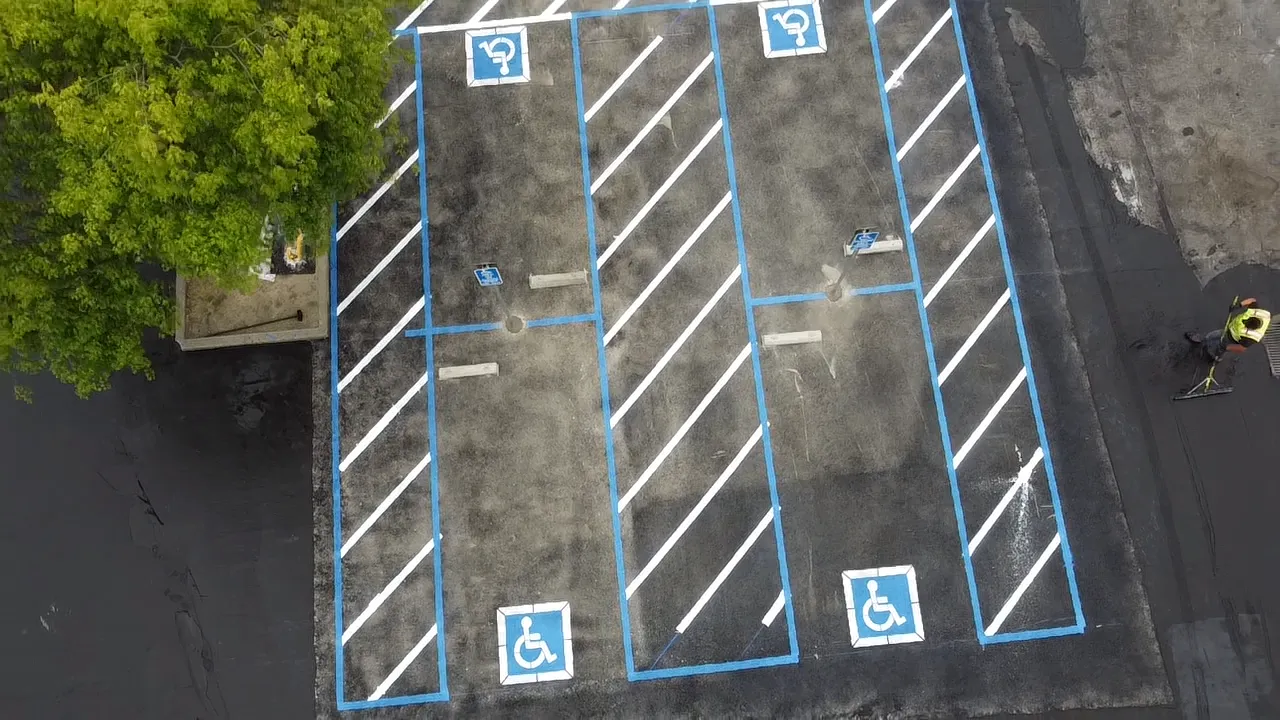
A surface out of slope tolerance doesn’t just create legal exposure it creates drainage failure. Cross slopes over 2.0% that violate ADA also channel water toward building foundations and pavement edges, accelerating base layer deterioration. Correcting ADA violations improves both compliance status and pavement service life in a single intervention.
Asset Management and California Regulations
Maintaining accessibility standards elevates the equity value of any property. By integrating engineering solutions that respect Title 24, owners gain California ADA benefits related to operational safety and inclusion. This proactive approach ensures that facilities not only comply with the law but operate with a superior standard of technical excellence.
How Does a Technical ADA Inspection Mitigate Infrastructure Vulnerabilities?
A professional ADA inspection delivers three measurable outputs: a slope deviation report with GPS-tagged non-compliance points, a priority remediation matrix ranked by legal exposure level, and a Title 24 documentation package admissible in compliance proceedings.
| Inspection Variable | Title 24 Requirement (CA) | Technical Impact | Field Data |
|---|---|---|---|
| Cross Slope | 2.0% Maximum | Wheelchair lateral stability | Zero Tolerance |
| Access Ramps | 8.3% Max (1:12) | Wheelchair propulsion effort | Slope Limit |
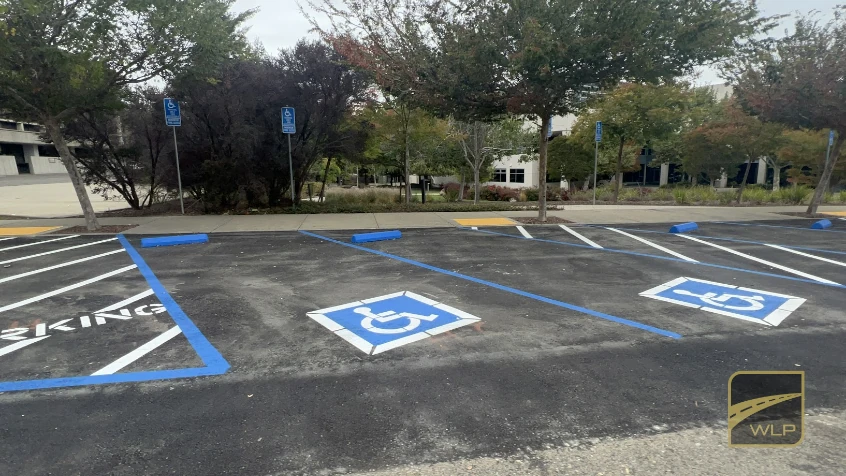
| Van-Accessible Spaces | 144-inch minimum width | Side ramp full deployment | Critical Width |
| Tactile Warning Surfaces | Federal Yellow — Truncated Domes | Visual impairment safety at curb cuts | Truncated Domes |
The We Love Paving Commitment
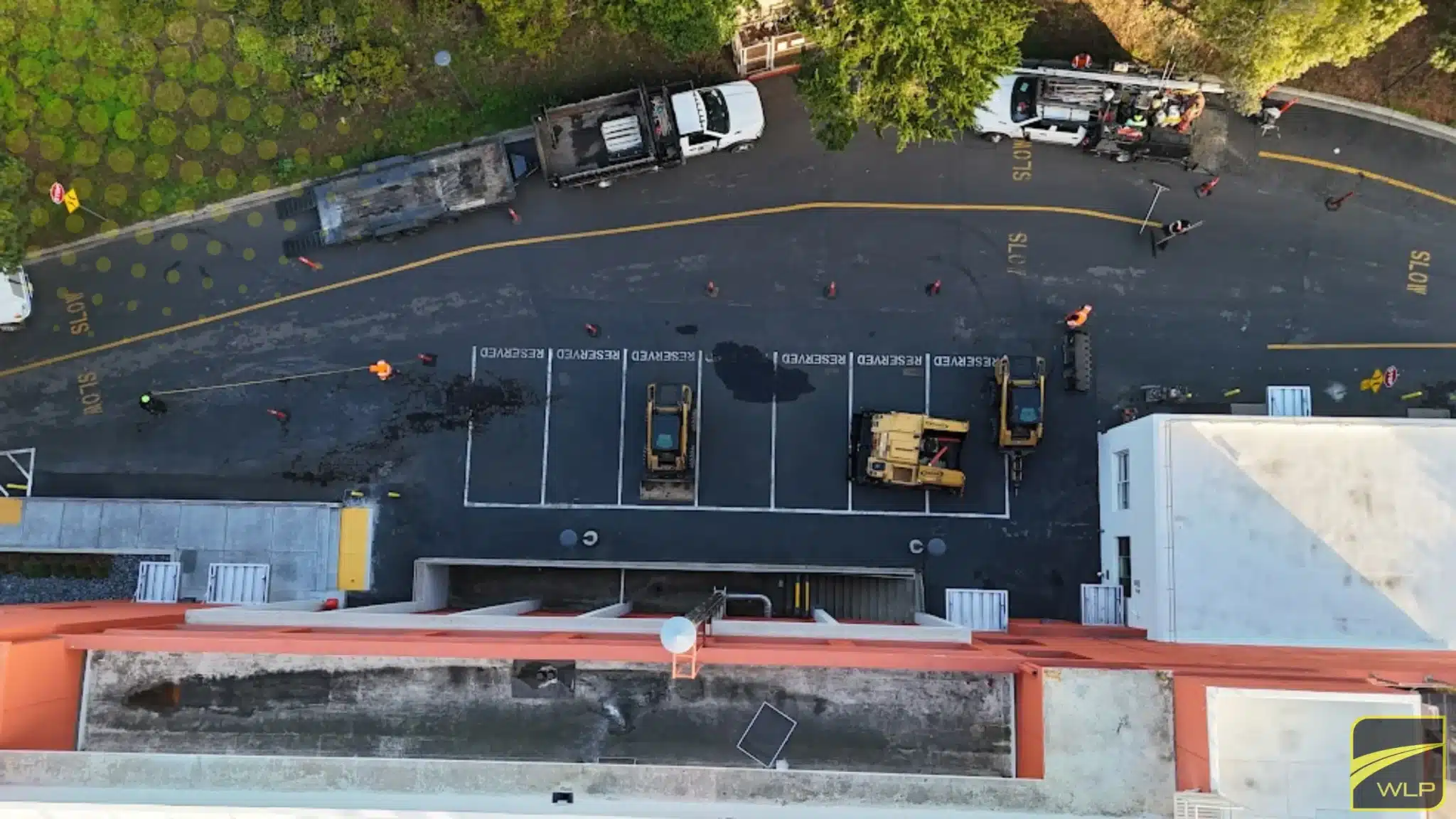
Our operational philosophy is built on transparency and technical excellence. By choosing us, your project is backed byWe Love Paving and the The Panda Pledge seal of integrity, ensuring that every diagnosis and repair meets the highest industry standards.
Frequently Asked Questions (FAQ)
Got Questions? Find Your Answers Here!!
Cross slopes exceeding 2% and vertical level changes greater than 1/4 inch are the most frequently documented deficiencies during ADA inspections. These surface irregularities obstruct safe pedestrian flow and significantly increase legal exposure under California Title 24 regulations, making early detection through a professional inspection the most effective way to reduce liability risk before a complaint is filed.
California Title 24 imposes stricter requirements than federal ADA standards, particularly for access aisle dimensions, tactile warning colors, and van-accessible space widths. A professional ADA inspection in California must verify that accessible van spaces meet the mandatory 144-inch minimum width and that truncated dome installations use the federally approved yellow color contrast. These state-level requirements mean that an inspection calibrated only to federal ADA standards may still leave a California property out of compliance and exposed to state enforcement actions.
Slope measurements are fundamental to accessibility engineering. Cross slopes must remain below 2% to ensure lateral stability. Digital inclinometers are used during inspections to confirm that drainage requirements do not compromise level surfaces needed for wheelchair navigation.
Truncated domes (tactile warnings) provide essential sensory cues for visually impaired individuals at vehicular transition points. Inspections ensure compliance with California’s required yellow color contrast and verify full-depth installation across the ramp to prevent unintended entry into traffic areas.
A professional ADA inspection is recommended every 24 months as a baseline, or immediately following major maintenance work, resurfacing, or significant weather events. In California, ground settlement and asphalt wear can progressively alter original slopes, converting previously compliant surfaces into areas with heightened compliance risk and increased legal exposure under Title 24. Properties with high pedestrian traffic volume or aging asphalt infrastructure should consider annual inspections to maintain continuous compliance.
Contact
Start Your Free Proposal
Start your free proposal today. Speak with a paving advisor and find out if your asphalt, concrete, or ADA compliance project qualifies for The Panda Pledge™ long-term protection.
Reply by Next Business Day