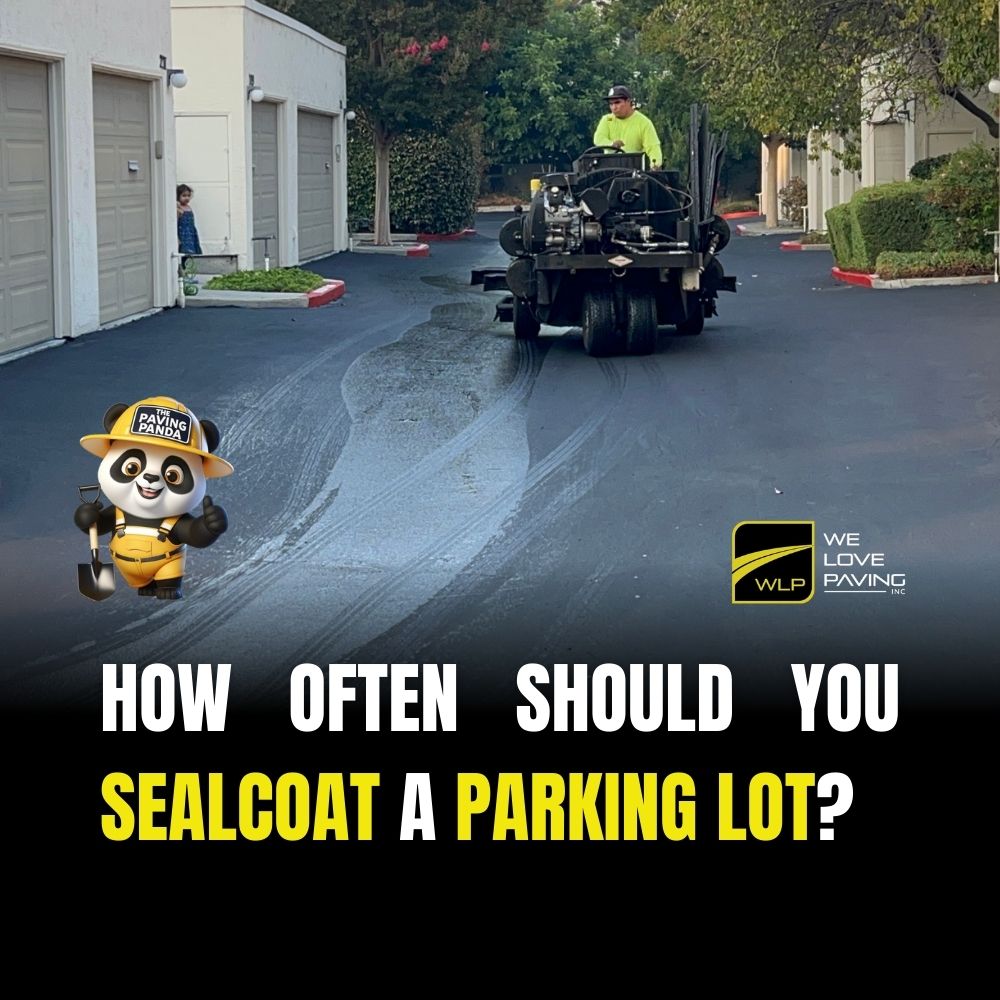
Maintaining your paving in Sacramento, California, is crucial for preserving its integrity against the region’s unique climate challenges. From scorching summers to occasional rain and winter frost, Sacramento’s weather can take a toll on your pavement. Seal-coating offers an effective solution to protect your pavement and extend its lifespan. In this guide, we’ll delve into the importance of seal-coating and provide a step-by-step process tailored to Sacramento’s specific conditions.
Understanding Seal-Coating
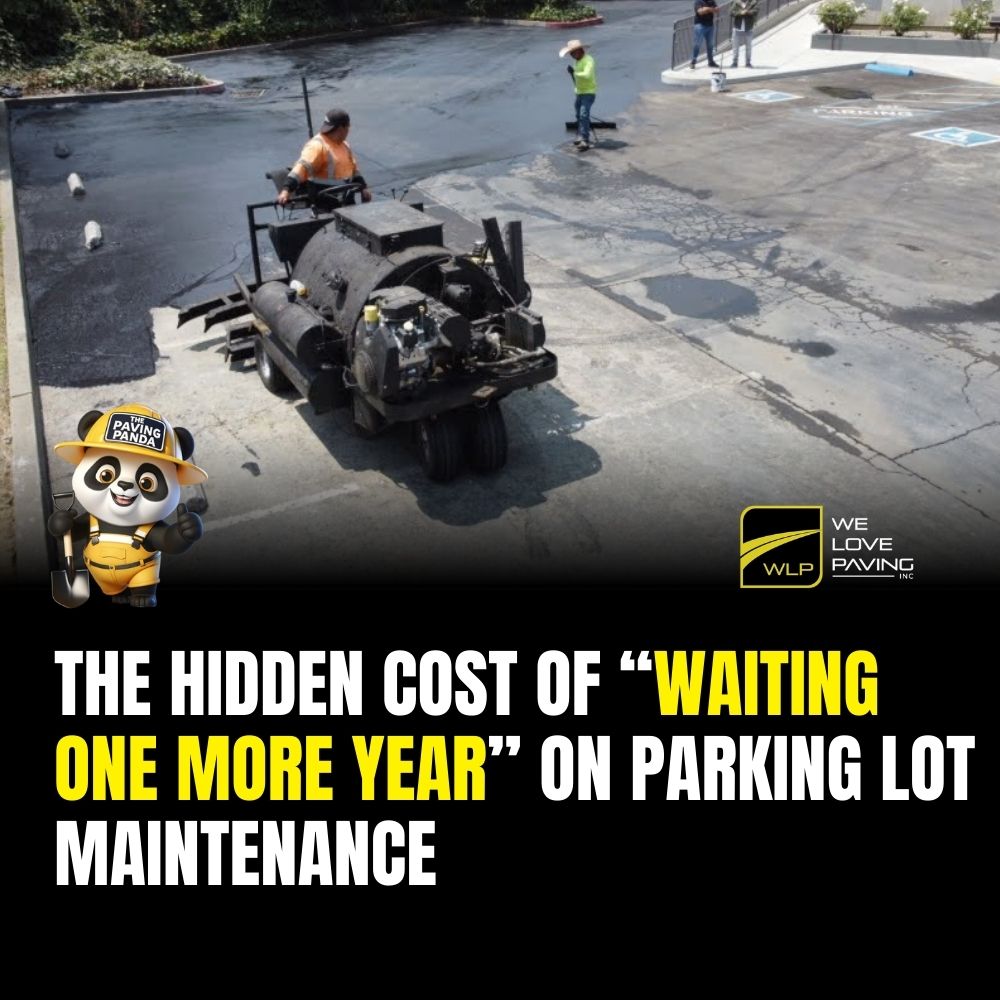
Seal-coating involves applying a protective layer to the surface of your pavement, typically composed of asphalt emulsion or coal tar pitch. This layer serves as a barrier, shielding your pavement from harmful UV rays, water penetration, oil spills, and other environmental factors that contribute to deterioration. By seal-coating your paving, you can prevent cracks, potholes, and premature wear, ultimately saving on costly repairs and prolonging the life of your pavement.
Benefits of Seal-Coating
- Enhanced Durability: Seal-coating forms a protective shield that strengthens the surface of your pavement, making it more resistant to damage from traffic and weather.
- Prevents Water Damage: Sacramento’s occasional rain can seep into pavement cracks, leading to water damage and erosion. Seal-coating creates a waterproof barrier, preventing moisture penetration and preserving the structural integrity of your pavement.
- UV Protection: The intense sunlight in Sacramento can cause asphalt to fade and become brittle over time. Seal-coating provides UV protection, maintaining the rich, dark color of your pavement and preventing premature aging.
- Easier Maintenance: A sealed pavement is smoother and easier to clean, reducing the accumulation of dirt, debris, and oil stains. Regular maintenance tasks such as sweeping and washing become more efficient, saving you time and effort in the long run.
Seal-Coating Process for Sacramento
- Assessment: Begin by inspecting your pavement for existing cracks, potholes, and other damage. Address any repairs needed before proceeding with seal-coating.
- Cleaning: Thoroughly clean the surface of your pavement to remove dirt, debris, and vegetation. Use a power washer or stiff broom to ensure a clean and smooth surface.
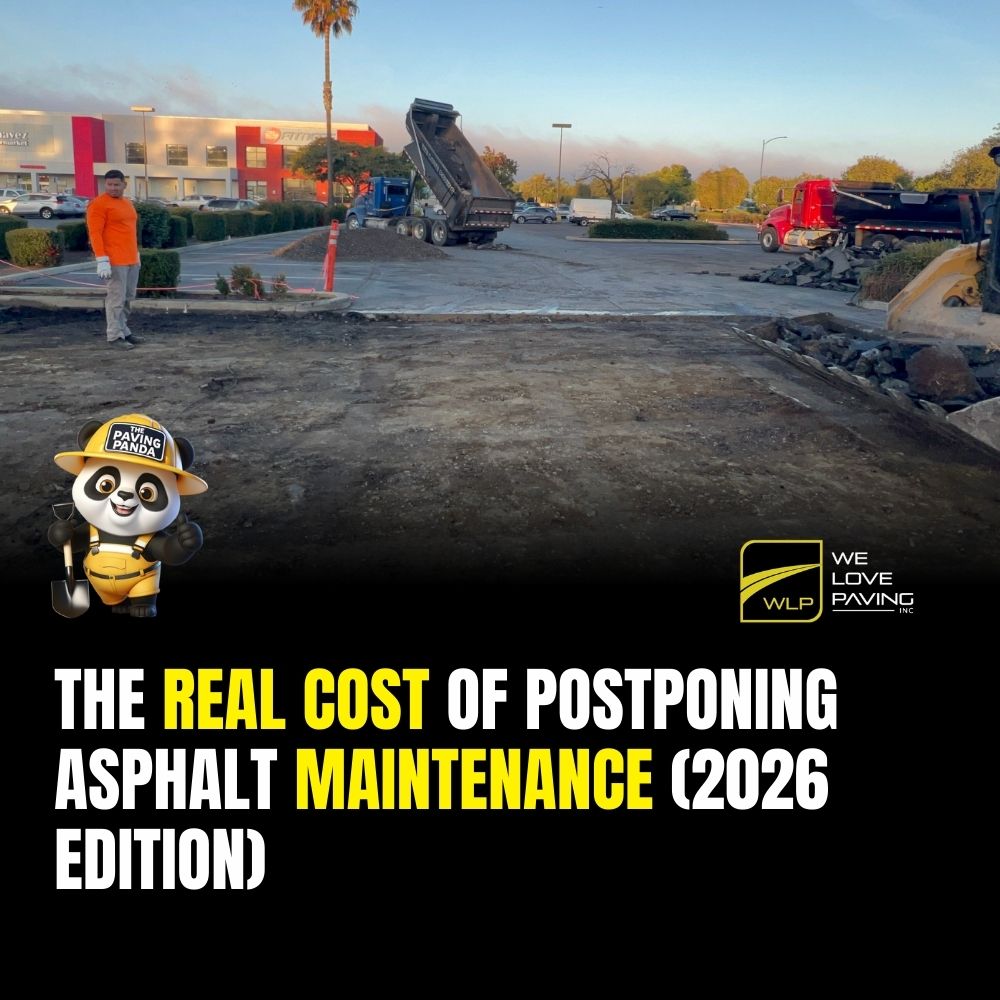
- Repair: Fill any cracks or potholes with an appropriate asphalt patching material. Allow the patches to cure completely before proceeding to the next step.
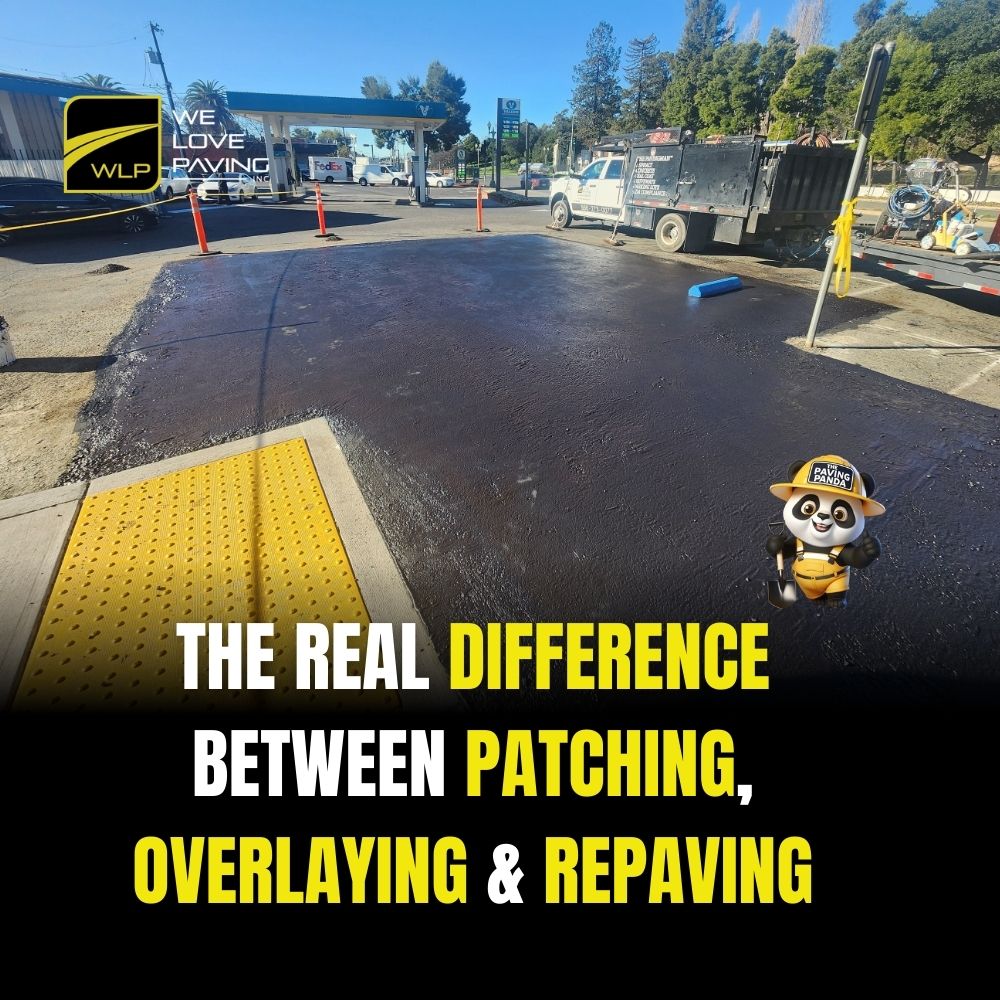
- Seal-Coating Application: Choose a suitable seal-coating material for Sacramento’s climate. Asphalt emulsion sealers are commonly used in this region due to their flexibility and resistance to temperature fluctuations. Apply the sealer evenly using a squeegee, brush, or spray system, following the manufacturer’s instructions.
- Drying Time: Allow the seal-coating to dry completely before allowing any traffic on the pavement. Drying times may vary depending on weather conditions, so be sure to plan accordingly.
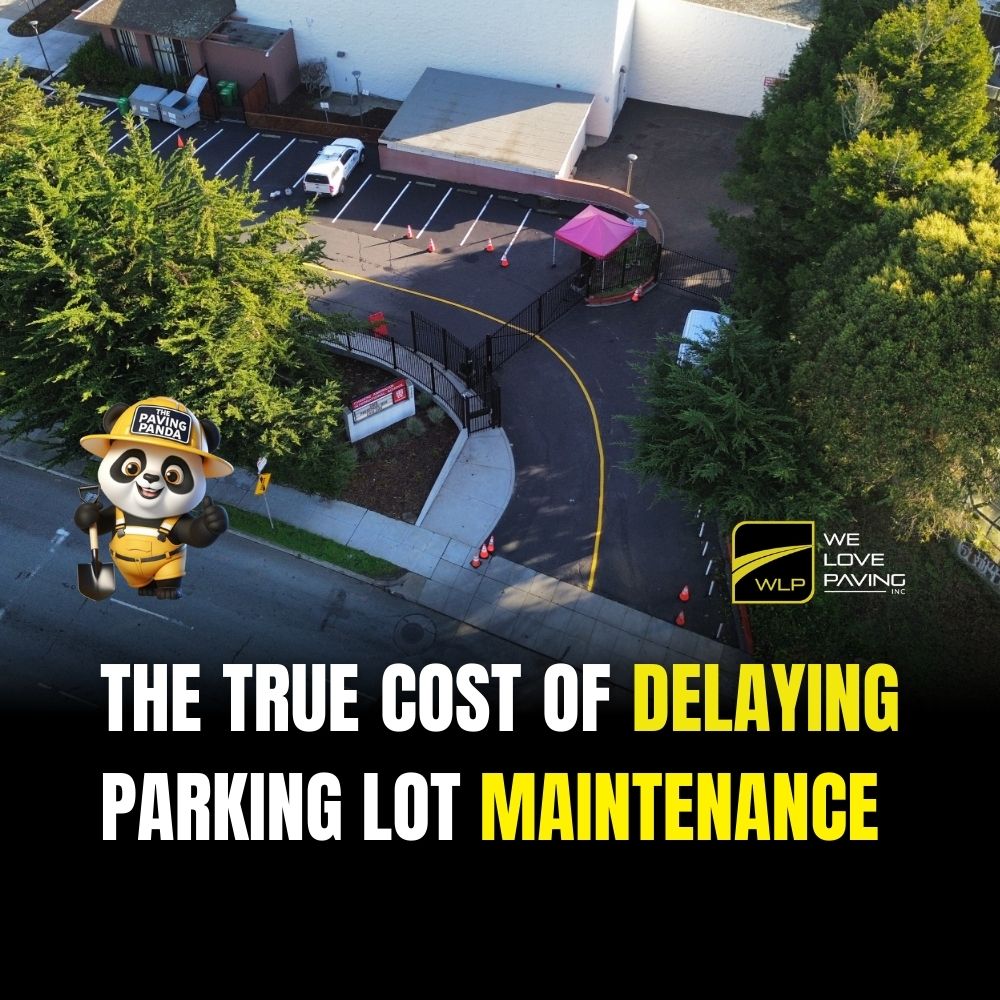
- Routine Maintenance: Regularly inspect your seal-coated pavement for signs of wear and damage. Perform minor touch-ups as needed and schedule periodic reapplications to maintain optimal protection.
Conclusion
Seal-coating your paving is a wise investment that pays off in the long run by protecting your pavement from the harsh elements of Sacramento’s climate. By following the steps outlined in this guide and choosing the right seal-coating materials, you can ensure that your pavement remains durable, attractive, and resilient for years to come.