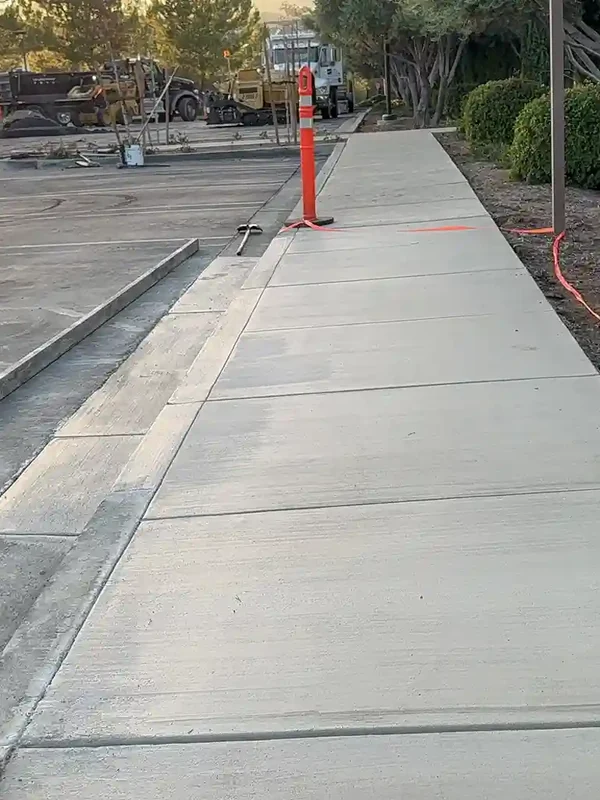
Different Types of Concrete Curbs Engineering Guide & Standards
Perimeter delimitation through concrete curbing is not merely an aesthetic choice; it is a critical engineering solution for drainage management, structural pavement integrity, and traffic channeling

INFORMATIONAL RESOURCE
What You’ll Find On This Page
At We Love Paving, we apply precision standards to ensure every infrastructure transition meets the most demanding load and durability requirements in the sector.
Runoff Management
Optimized design to direct water flow toward catchment systems, preventing subsoil erosion.
Structural Confinement
The curb acts as a lateral buttress that maintains the compaction of adjacent asphalt layers.
Compressive Strength
Utilization of high-performance concrete mixes (3000-4000 PSI) to withstand continuous vehicle impacts and loads.
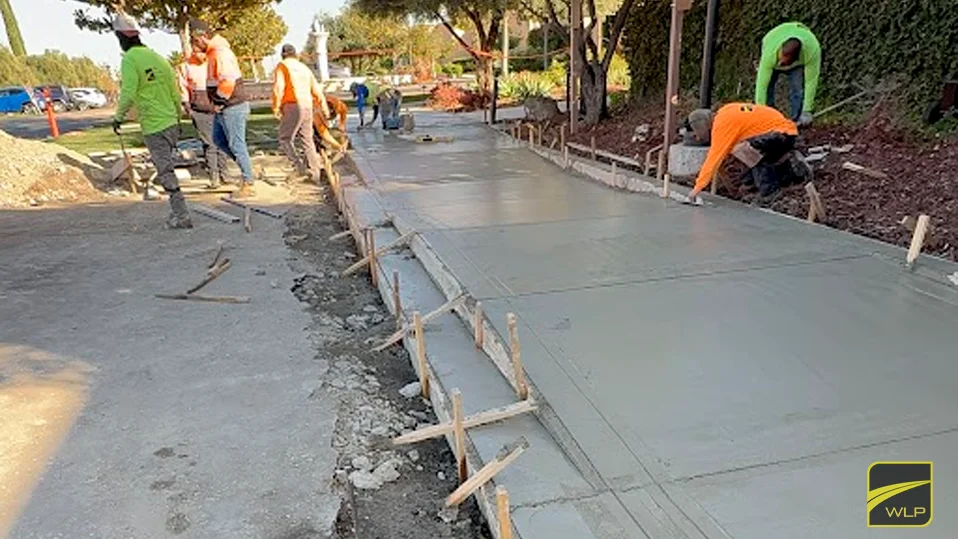
Barrier Curbs and Their Role in Traffic Safety
Barrier curbs, characterized by their vertical or slightly battered face, are designed to prevent vehicles from leaving the driving surface. Their implementation is vital in high-traffic density areas where definitive physical separation is required. In the context of What is Paving in Construction, the integration of these elements defines the project’s longevity.

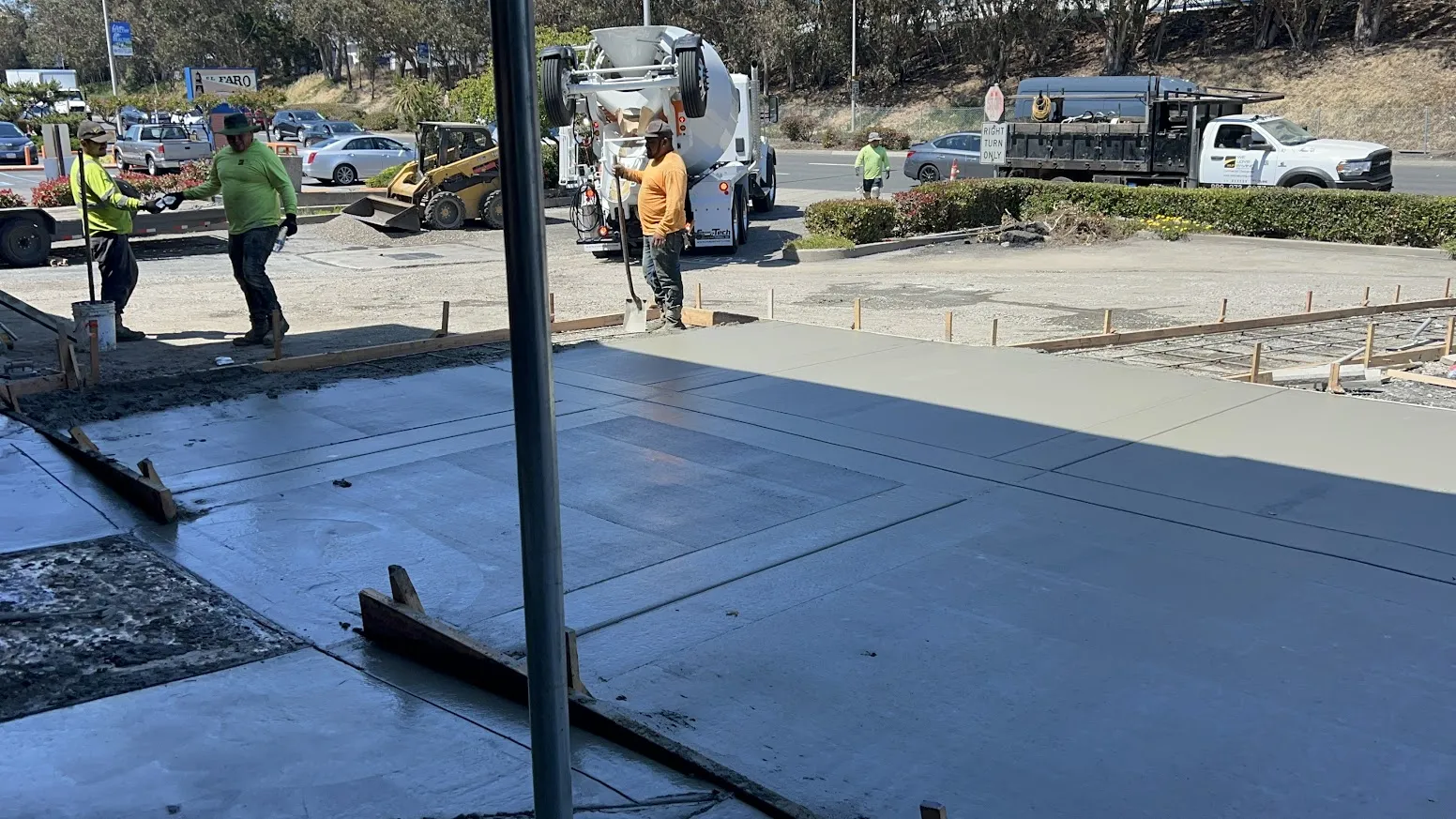
Mountable Curbs and Surface Transitions
Unlike barrier curbs, mountable curbs feature a longitudinal profile that allows controlled vehicle passage without compromising the structure. They are essential for emergency access and transition zones. This technical versatility is comparable to the precision required when Exploring Types of Concrete Patios, where level transitions dictate space functionality.
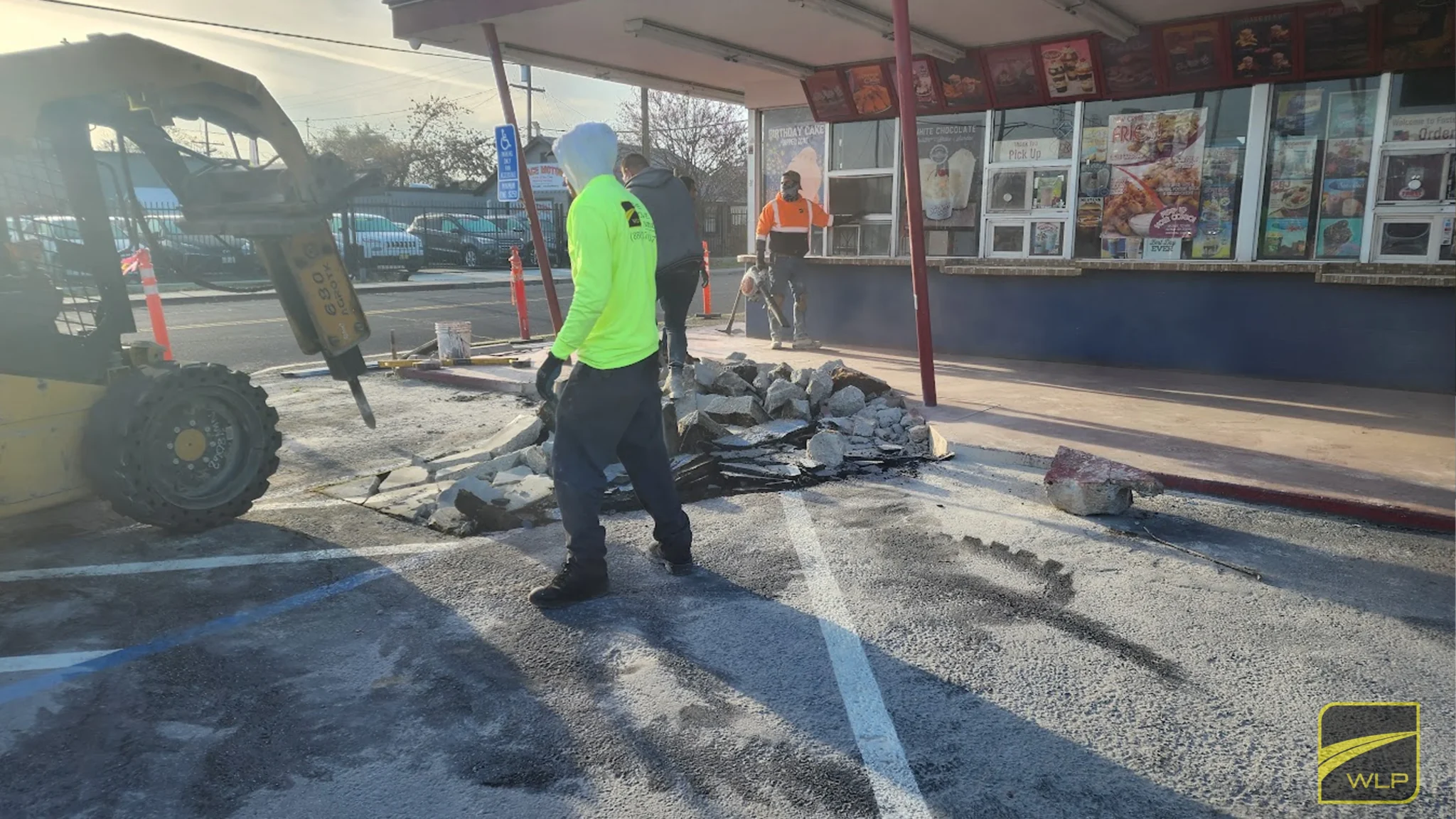
Integral Solutions: Curb and Gutter
The curb and gutter combination is the standard solution for hydrological management in urban pavements. By casting them as a single monolithic unit, the weak point between the roadway and the drainage system is eliminated. When analyzing 3 Types of Commercial Paving, it is observed that asphalt durability directly depends on the efficiency of this concrete unit in evacuating water, preventing sub-base saturation.
KEY HIGHLIGHTS
Important Elements to Extract From the Resource
This page is designed to present information in a clear, easy-to-scan format, making it simple to find key insights, understand the content, and take action with confidence.
Sub-base Preparation
A minimum compaction of 95% according to the Proctor test is non-negotiable to avoid differential settlement.
Mix Design
Using local quarry aggregates in California optimizes bonding and reduces the transportation carbon footprint.
Structural Reinforcement
Depending on land use, the incorporation of synthetic fibers or reinforcing steel increases concrete toughness.
Chemical Curing
Applying curing compounds immediately after finishing ensures proper cement hydration and prevents plastic shrinkage cracks.
KEY HIGHLIGHTS
Raise Your Infrastructure Standards with Experts
Do not leave your pavement’s durability to chance. The technical selection of the right curb is the difference between a long-term investment and costly repairs
FAQ
Frequently Asked Questions
Quick answers to the questions we hear most about this topic.
The difference lies in geometry and traffic control purpose. Barrier curbs have vertical faces of 6 to 8 inches to prevent vehicle passage, while mountable curbs have a gentle slope that facilitates access. Technically, a barrier curb offers greater protection to adjacent areas, whereas mountable curbs are preferred in vehicle access zones or where less disruptive water flow is required without creating impassable physical obstacles.
Expansion joints absorb the contraction and expansion movements of concrete due to thermal fluctuations. Without these joints, internal stress would cause uncontrolled cracking. In pavement engineering, it is recommended to space contraction joints every 10-15 feet and place cellulose or rubber expansion joints at fixed points such as driveways or drainage structures to preserve structural and aesthetic continuity.
For infrastructure exposed to constant traffic and variable environmental conditions in California, a minimum of 3,000 to 4,000 PSI is required. Higher PSI ensures the concrete can withstand not only weight but also abrasive wear and moisture cycles. Additionally, using air-entrained concrete improves resistance to surface degradation, ensuring the curb face maintains its integrity against minor tire impacts.
The curb acts as the primary channel for surface runoff. The “Curb and Gutter” type is the most efficient because it includes an integrated gutter section that accelerates water flow toward storm drains. Incorrect selection can lead to water ponding, which eventually weakens the adjacent asphalt pavement structure through lateral infiltration, compromising the granular base.
Extruded concrete (slipform) allows for continuous and faster installation, ideal for large infrastructure stretches. It provides superior uniformity in the curb profile and reduces labor costs. However, it requires a very low-slump mix (dry consistency) to hold its shape. Cast-in-place is preferable in areas with tight turning radii or where specific manual integration with existing structures is required.
Through The Panda Pledge, we implement an inspection protocol covering everything from sub-base density verification to final finishing. We strictly adhere to Guarantees and Warranty standards, ensuring every linear foot of curb meets laser-leveling specifications to avoid low spots and guarantee a service life that exceeds local industrial standards.
READY TO GET STARTED?
Download the complete PDF or request a technical audit with no obligation.