Construction Industry Standards for Paving Excellence
Modern infrastructure integrity depends on flawless technical execution and rigorous adherence to international regulations. At We Love Paving, we transform surface management through advanced engineering

INFORMATIONAL RESOURCE
What You’ll Find On This Page
The implementation of construction industry standards is not an administrative formality, but a guarantee of safety and return on investment. The correct selection of materials and site preparation determine the life cycle of any road or pedestrian infrastructure.
Mix Optimization
Application of high-performance asphalt mix designs tailored to thermal climate fluctuations.
Structural Stability
Strict compaction and subgrade stabilization protocols to prevent premature failure.
Regulatory Compliance
Full alignment with ASTM metrics and state safety and accessibility codes.
Pavement Engineering and Life Cycle
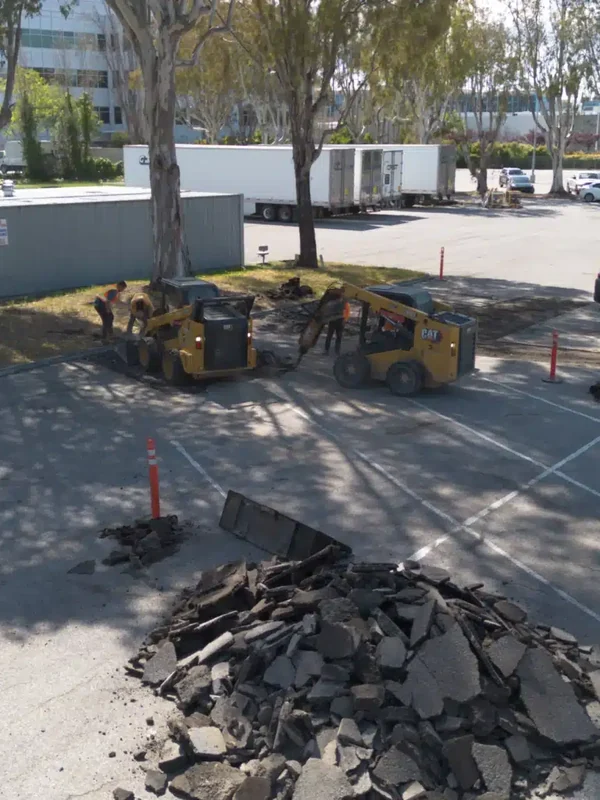
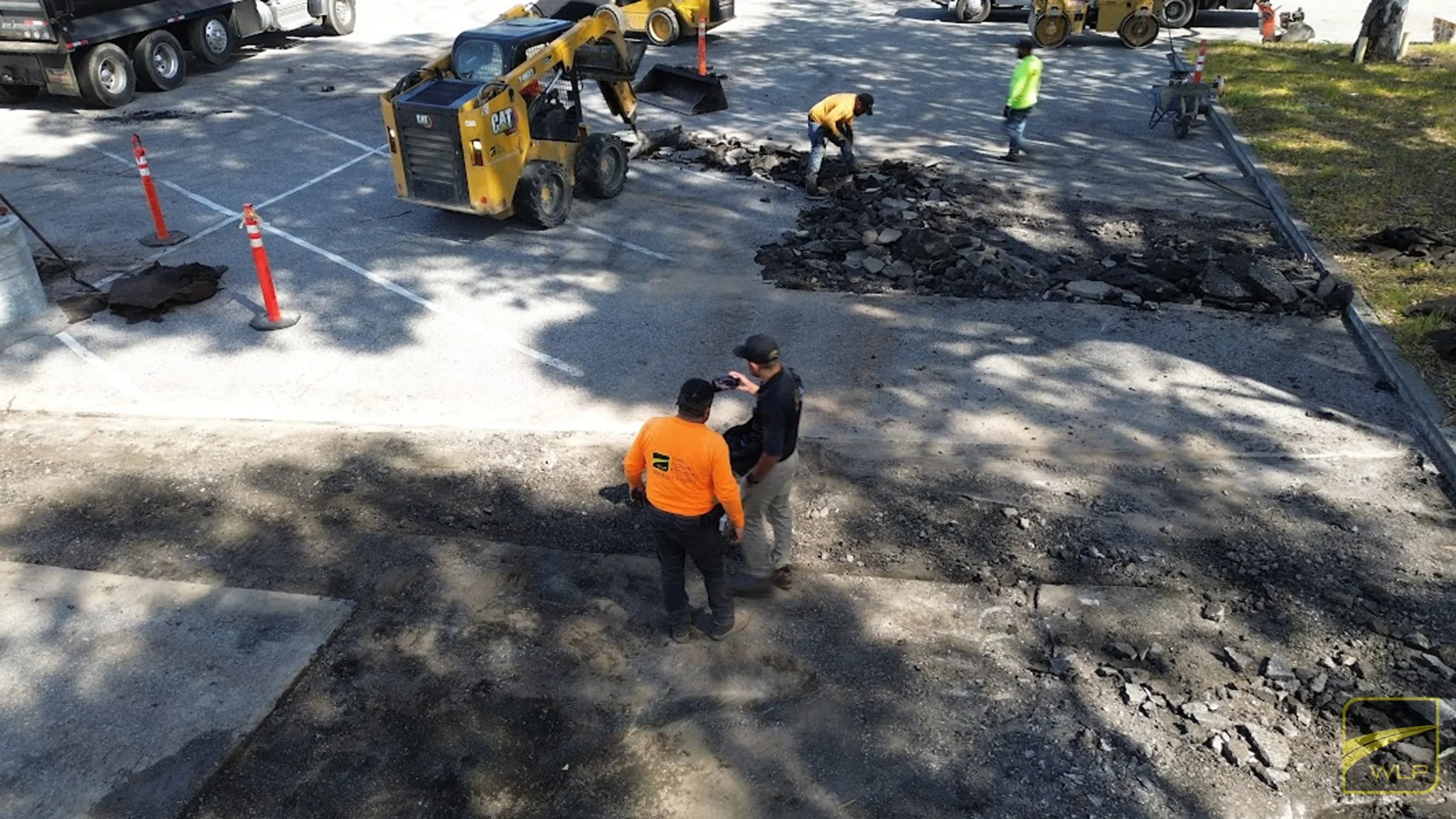
Surface durability begins with a deep understanding of dynamic loads and drainage. Implementing Commercial Asphalt requires a technical analysis that considers both aggregate density and binder grade. In every intervention, we apply The Panda Pledge, our commitment to excellence that ensures superior results
High-Strength Concrete Systems
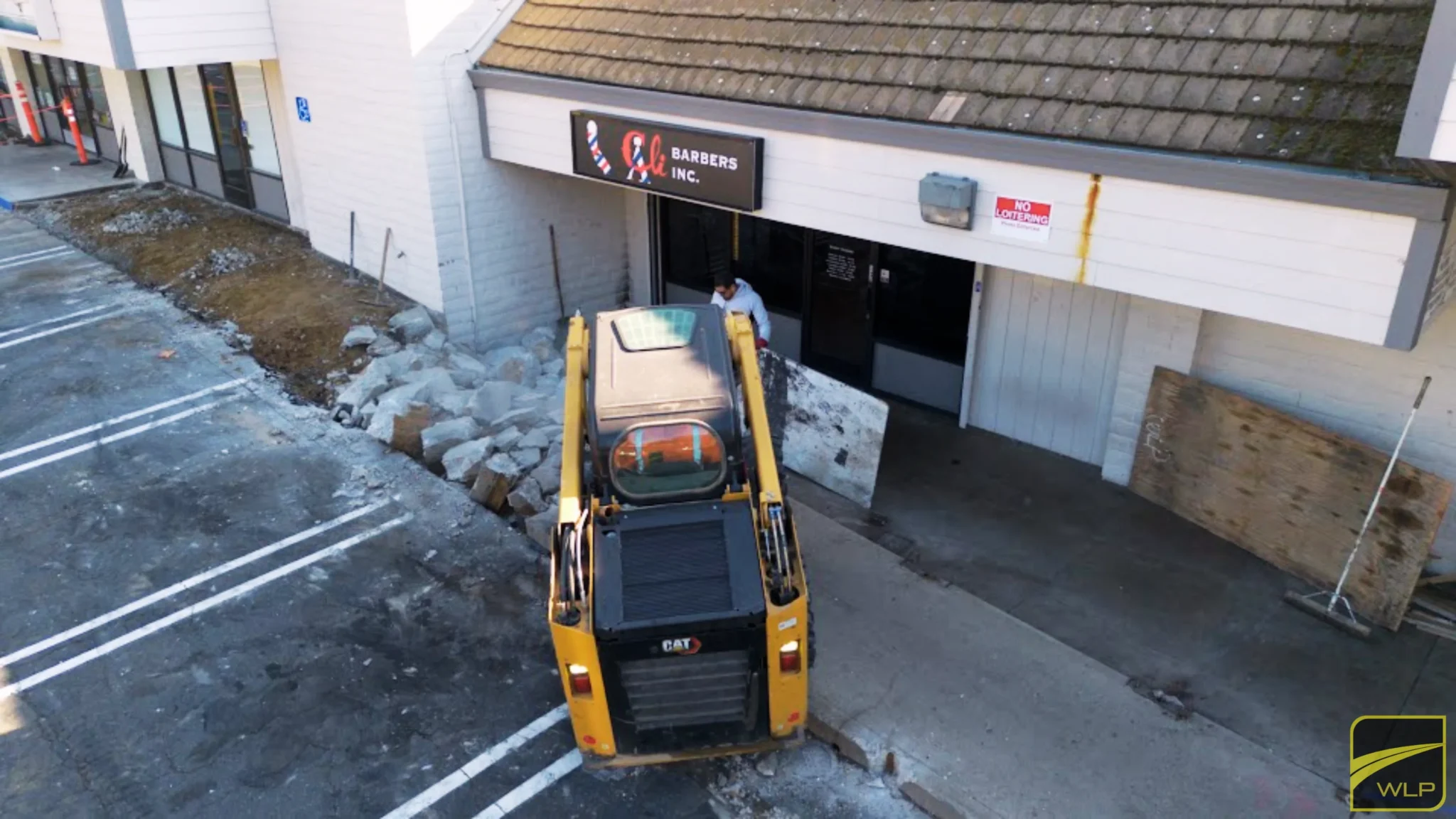
Concrete structure design demands millimeter precision in dosing and curing. When evaluating What is Concreting in Construction, it is imperative to prioritize compressive strength and permeability reduction. These standards ensure that surfaces maintain their integrity against adverse environmental factors in high-demand technical environments.
Strategic Management and Safety Protocols
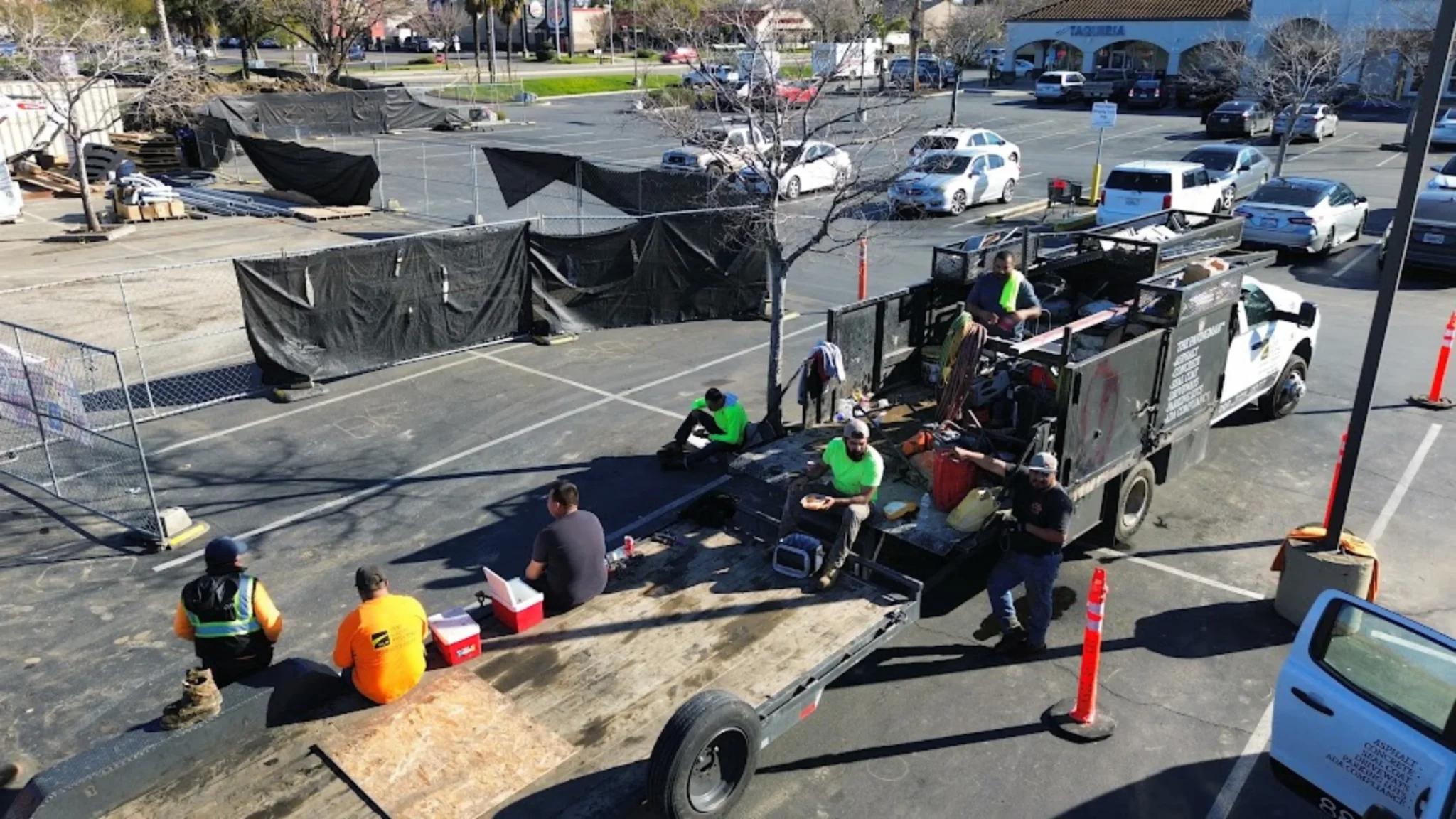
Operational efficiency in the paving sector is built on documented processes and current certifications. Understanding the Concrete Business from a technical perspective allows for optimizing execution times without compromising staff safety or final finish quality, always maintaining a vision of continuous improvement and legal compliance.

KEY HIGHLIGHTS
Important Elements to Extract From the Resource
This page is designed to present information in a clear, easy-to-scan format, making it simple to find key insights, understand the content, and take action with confidence.
Subgrade Compaction
The document emphasizes that 95% relative density is the minimum standard to avoid differential settlement. This is achieved through the use of frequency-controlled vibratory rollers.
Aggregate Gradation Control
Gradation selection must follow specific curves to ensure mechanical interlocking, reducing susceptibility to rutting under heavy loads.
Stormwater Management
Technical standards require minimum cross slopes of 2% to ensure efficient drainage, protecting the base from saturation and internal erosion.
Thermal Control Protocols
In hot mix applications, the compaction temperature window is critical; the PDF details that working outside the 175°F to 300°F range compromises binder adhesion.
KEY HIGHLIGHTS
Your Infrastructure Standards
Request a detailed technical evaluation based on California’s strictest standards. Our engineering team is ready to design solutions that guarantee longevity and total compliance.

FAQ
Frequently Asked Questions
Quick answers to the questions we hear most about this topic.
These standards establish the minimum quality, safety, and durability requirements for materials and installation processes. In California, this includes aggregate gradation and asphalt binder viscosity according to ASTM and Caltrans regulations. Compliance with these metrics ensures that the surface can withstand heavy traffic loads and resist fatigue cracking, ensuring an extended lifespan of over 20 years through balanced mix design and rigorous subbase preparation.
Structural thickness varies based on load analysis but generally falls between 2 and 4 inches for technical wearing courses. This calculation is based on the Traffic Index (TI) and the soil support capacity (R-value). Adequate thickness, validated through engineering modeling, prevents plastic deformation and ensures that pressure distribution to the lower layers is uniform, minimizing the risk of catastrophic structural failures.
It represents an internal quality control protocol that oversees every phase of the project, from initial inspection to final delivery. This seal ensures that all processes comply with state standards and industry best practices. By integrating this commitment, We Love Paving offers full traceability of materials and execution, allowing extended warranties to be a tangible reality based on the robustness of the work performed.
Water management is the determining factor in pavement longevity; moisture buildup weakens the internal structure and accelerates potholing. Technical standards dictate precise slopes and catchment systems that direct flow away from the loading zone. Well-executed drainage engineering prevents base erosion and premature asphalt oxidation, drastically reducing long-term maintenance costs.
Strict compliance with the Americans with Disabilities Act (ADA) must be guaranteed, regulating slopes, transitions, and tactile signage. Beyond legality, these standards ensure safe environments for all users. The technical implementation of ramps and access routes must be precise to avoid legal penalties and, above all, to provide barrier-free mobility across any property.
Temperature is vital for asphalt viscosity and concrete setting; working in extreme conditions requires chemical additives or schedule adjustments. In California, thermal variations demand specific binders that do not become brittle in the cold or too soft in the heat. Following these thermal protocols ensures optimal adhesion between layers and a uniform surface texture that resists friction wear.
READY TO GET STARTED?
Download the complete PDF or request a technical audit with no obligation.