When planning an outdoor living space, homeowners often face the choice between an asphalt paving patio and a concrete patio. Both options offer unique benefits and drawbacks, and the decision largely depends on factors such as aesthetics, budget, durability, and maintenance requirements. In this article, we will explore the pros and cons of asphalt paving patios and concrete patios to help you determine which option is better for your needs.
Asphalt Paving Patios
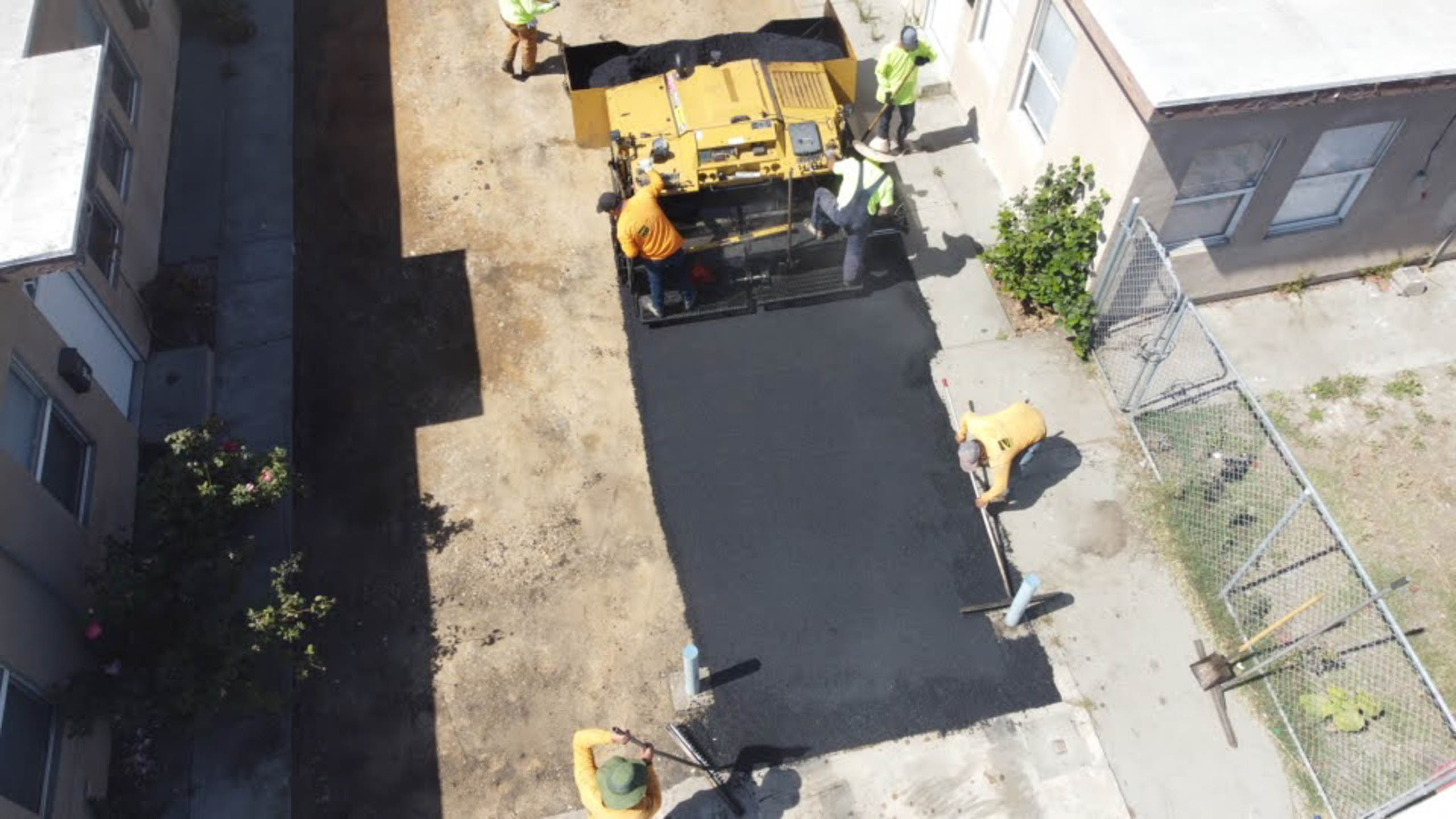
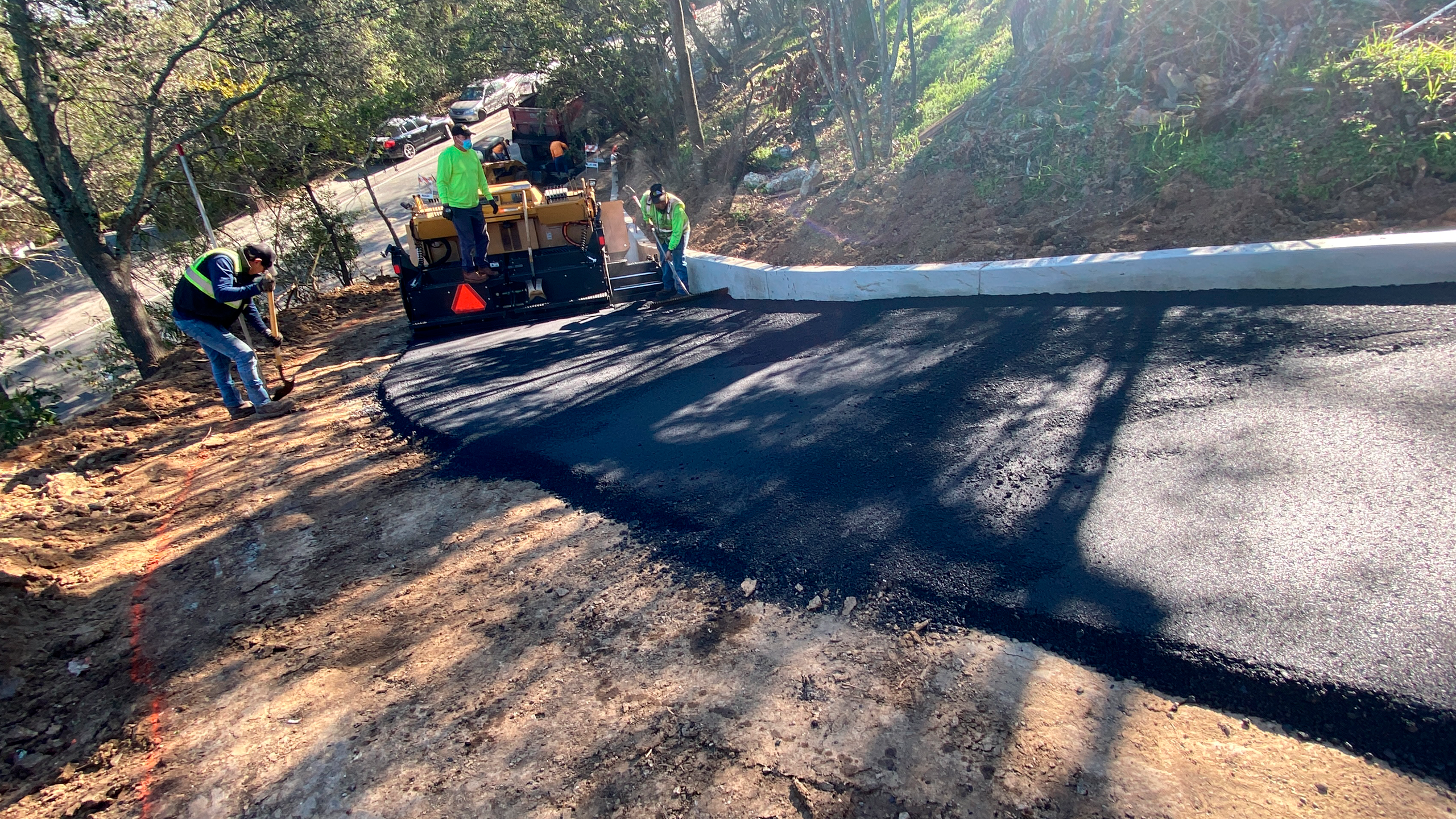
Asphalt paving patios are constructed using a mixture of aggregate (stone, sand, gravel) and asphalt binder, which is applied in layers and compacted to form a durable surface.
Pros of Asphalt Paving Patios:
- Cost-Effectiveness
- Lower Initial Cost: Asphalt is generally less expensive to install than concrete. The materials and labor costs are lower, making it a more budget-friendly option.
- Quick Installation: Asphalt paving can be installed relatively quickly, allowing homeowners to enjoy their new patio sooner.
- Durability and Flexibility
- Flexibility: Asphalt is more flexible than concrete, making it less susceptible to cracking due to ground movement and freeze-thaw cycles. This flexibility helps it absorb minor shifts without significant damage.
- Resilience: Asphalt can withstand heavy use and is resistant to wear and tear, making it suitable for high-traffic areas.
- Maintenance and Repair
- Easy Repairs: Small cracks and potholes in asphalt can be repaired relatively easily and inexpensively. Asphalt patches and sealants are widely available and straightforward to apply.
- Sealcoating: Regular sealcoating can extend the lifespan of an asphalt patio, protecting it from UV rays, water damage, and chemical spills.
- Aesthetic Options
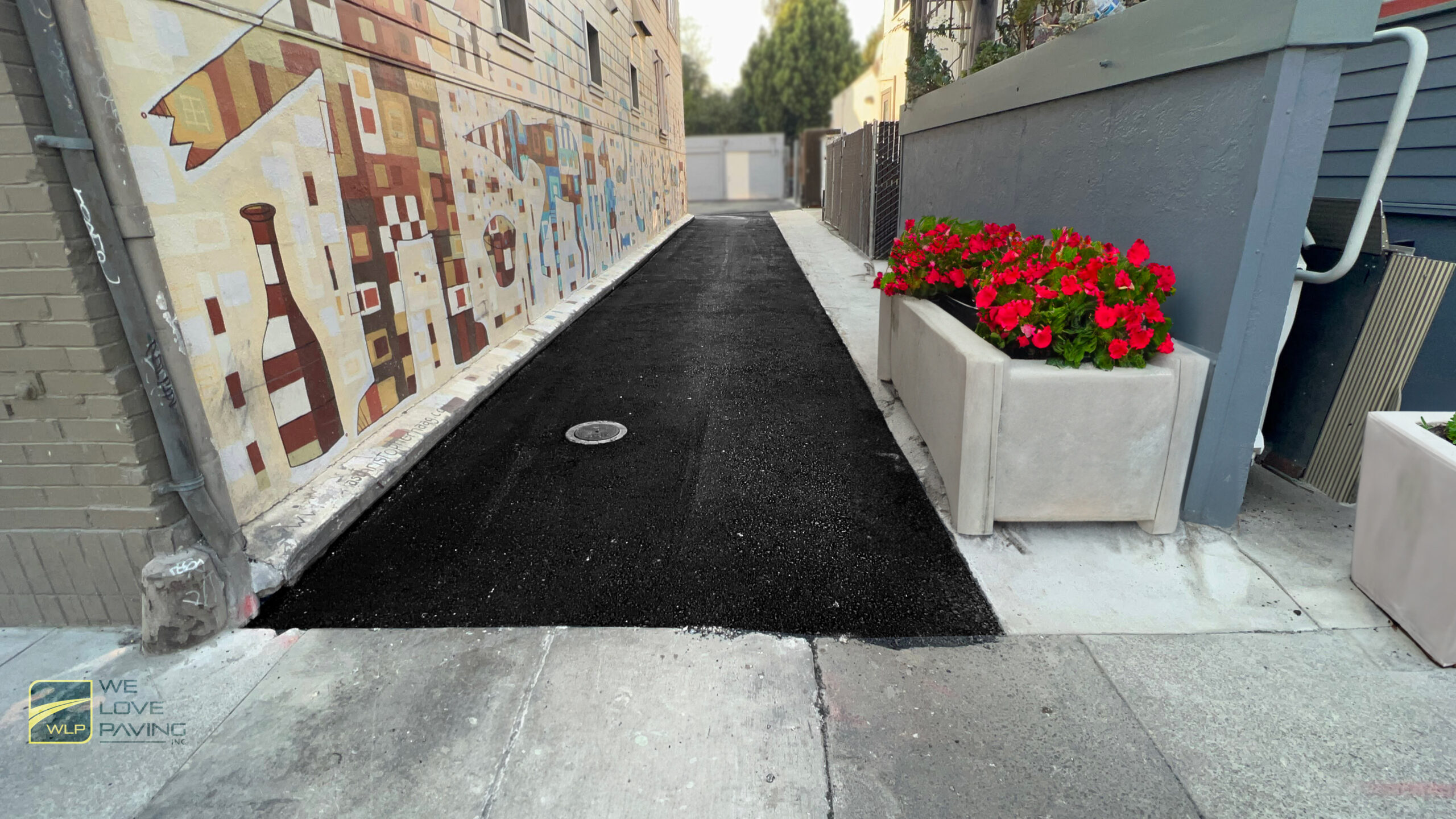
- Dark Appearance: Asphalt’s dark color can create a sleek, modern look that complements various landscape designs. It also provides a nice contrast with greenery and other outdoor elements.
Cons of Asphalt Paving Patios:
- Maintenance Requirements
- Regular Sealcoating: To maintain its appearance and durability, asphalt requires regular sealcoating every few years. This adds to the ongoing maintenance costs.
- Susceptibility to Oil and Gas Stains: Asphalt can be stained by oil, gasoline, and other chemicals, which may require special cleaners and treatments to remove.
- Aesthetic Limitations
- Limited Design Options: Asphalt does not offer the same range of design and color options as concrete. While it can be shaped and contoured, its appearance is relatively uniform compared to stamped or stained concrete.
- Heat Retention
- Heat Absorption: Asphalt absorbs and retains heat, making it hot to the touch in sunny weather. This can make the surface uncomfortable to walk on during hot days.
Concrete Patios
Concrete patios are constructed by pouring a mixture of cement, sand, gravel, and water into a formwork, creating a solid, continuous surface.
Pros of Concrete Patios:
- Versatile Design
- Customization: Concrete can be stamped, stained, or colored to mimic the appearance of natural stone, brick, or tile. This versatility allows for a wide range of design possibilities to match any aesthetic.
- Smooth Surface: Concrete provides a smooth, stable surface that is ideal for outdoor furniture and activities.
- Durability and Strength
- Load-Bearing Capacity: Concrete is extremely strong and can support heavy loads, making it suitable for areas with high traffic or large outdoor structures.
- Long Lifespan: When properly maintained, concrete patios can last for decades, providing a long-term solution for outdoor living spaces.
- Low Maintenance
- Easy Cleaning: Concrete surfaces are easy to clean and maintain. Regular sweeping and occasional power washing can keep a concrete patio looking fresh.
- Resistant to Staining: With proper sealing, concrete is resistant to stains from oil, grease, and other substances.
Cons of Concrete Patios:
- Prone to Cracking
- Susceptibility to Cracking: Concrete is rigid and can crack due to ground movement, freeze-thaw cycles, and other environmental factors. Repairing concrete cracks can be challenging and may require professional assistance.
- Costly Repairs: Repairing or resurfacing a damaged concrete patio can be expensive, and in some cases, the entire patio may need to be replaced.
- Installation Time and Cost
- Higher Initial Cost: Concrete patios can be more expensive to install than asphalt due to higher material and labor costs.
- Longer Installation Time: Installing a concrete patio is a more time-consuming process, requiring proper curing time before it can be used.
- Drainage Issues
- Water Runoff: Concrete is an impermeable surface, which can lead to water runoff and potential drainage problems. Proper grading and drainage systems are necessary to manage water flow.
- Heat Retention
- Heat Absorption: Similar to asphalt, concrete can become hot in direct sunlight, making it uncomfortable to walk on during hot weather.
Conclusion
Choosing between an asphalt paving patio and a concrete patio depends on various factors, including budget, design preferences, maintenance willingness, and climate considerations.
Asphalt paving patios offer cost-effectiveness, quick installation, flexibility, and ease of repair, making them a practical choice for homeowners looking for a durable and budget-friendly option. However, they require regular maintenance, including sealcoating, and have limited design options.
Concrete patios, on the other hand, provide versatile design possibilities, strength, and a long lifespan, making them a desirable option for those willing to invest in a more customizable and durable surface. They require less frequent maintenance but are more prone to cracking and can be more expensive to install and repair.