How Thick Should Asphalt Paving Be?

Choosing the right thickness for asphalt paving is crucial for the longevity and durability of the surface, whether it’s a driveway, parking lot, or roadway. The thickness of asphalt paving affects its ability to withstand traffic loads, weather conditions, and overall wear and tear. This article will explore the factors influencing asphalt thickness and provide guidelines for different applications.

Introduction

  1. Importance of Proper Asphalt Thickness
    • Durability and longevity of the pavement.
    • Impact on maintenance and repair costs.
    • Safety considerations for users.
  2. Types of Asphalt Paving Applications
    • Residential driveways.
    • Commercial parking lots.
    • Public roadways and highways.

Factors Influencing Asphalt Thickness

  1. Traffic Load
    • Definition of traffic load and its importance.
    • Differences in traffic load for residential vs. commercial applications.
    • Examples of heavy traffic areas requiring thicker asphalt.
  2. Subgrade Condition
    • Explanation of the subgrade and its role in asphalt paving.
    • Importance of a stable and well-prepared subgrade.
    • Techniques for assessing and improving subgrade quality.
  3. Climate and Weather Conditions
    • Impact of temperature fluctuations on asphalt performance.
    • Effects of precipitation and drainage on asphalt integrity.
    • Considerations for different climates (e.g., cold regions vs. hot regions).

Recommended Asphalt Thickness for Different Applications

  1. Residential Driveways
    • Typical thickness range (2-3 inches).
    • Factors that may require thicker asphalt (e.g., large vehicles, poor subgrade).
  2. Commercial Parking Lots
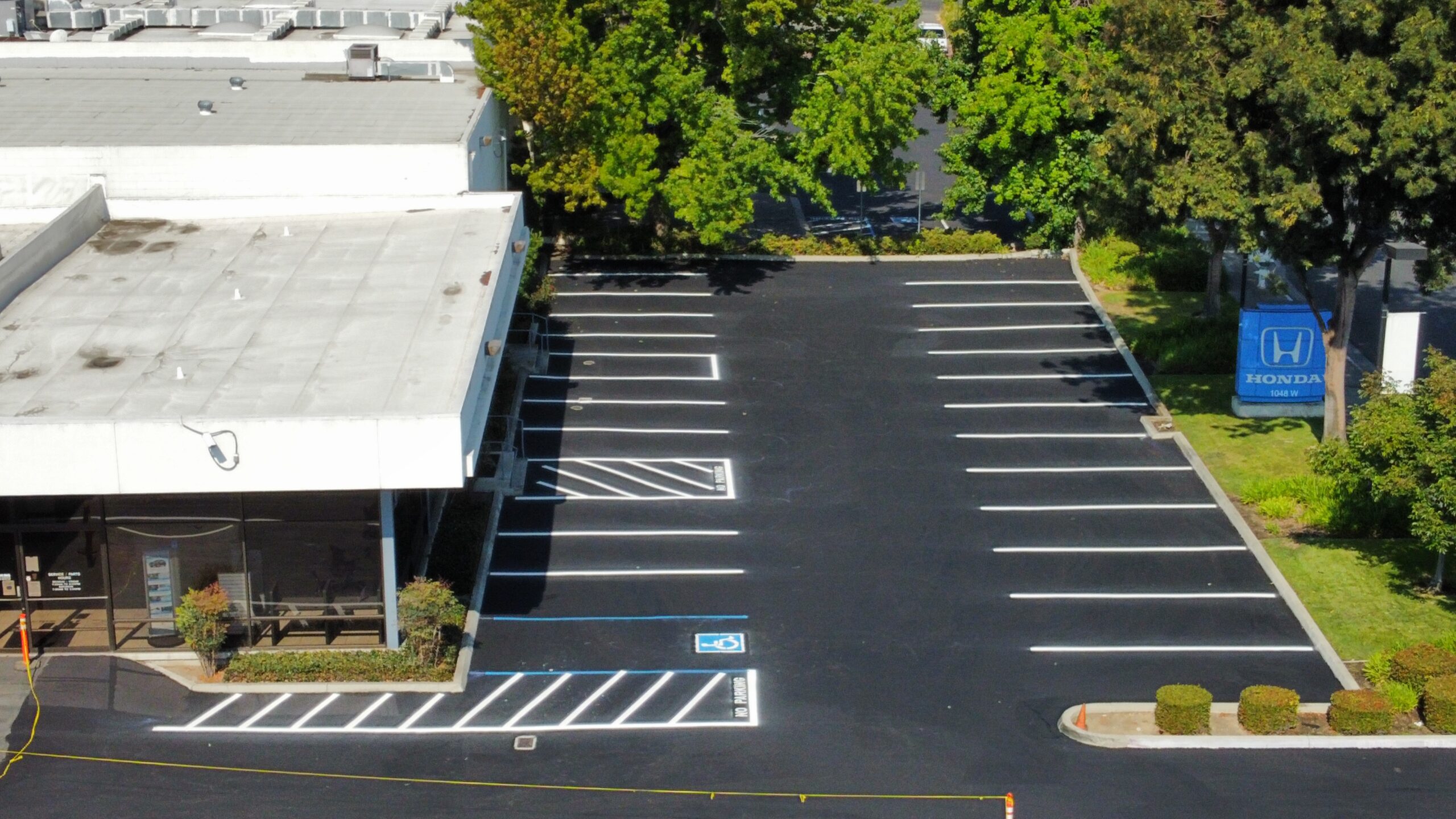
    • Standard thickness (4-6 inches).
    • Adjustments based on expected traffic volume and vehicle types.
    • Importance of proper design and layout.
  3. Public Roadways and Highways
    • Thickness requirements for different types of roads (local streets vs. highways).
    • Role of federal and state guidelines in determining thickness.
    • Examples of thickness specifications from various transportation authorities.

Asphalt Paving Layers

  1. Base Layer
    • Description and purpose of the base layer.
    • Common materials used (e.g., crushed stone, gravel).
    • Recommended thickness for the base layer.
  2. Binder Layer
    • Function of the binder layer in asphalt paving.
    • Typical materials and their properties.
    • Thickness recommendations for optimal performance.
  3. Surface Layer
    • Importance of the surface layer for smoothness and durability.
    • Materials used in the surface layer (e.g., fine aggregate, bitumen).
    • Suggested thickness for different applications.

Installation and Compaction

  1. Proper Installation Techniques
    • Importance of hiring experienced contractors.
    • Key steps in the asphalt paving process.
    • Common mistakes to avoid during installation.
  2. Compaction and Its Role in Asphalt Performance
    • Explanation of compaction and its benefits.
    • Equipment used for compaction (e.g., rollers).
    • Ideal compaction practices to achieve desired thickness and density.

Maintenance and Longevity

  1. Regular Maintenance Practices
    • Importance of routine inspections and repairs.
    • Common maintenance tasks (e.g., sealing cracks, patching potholes).
    • Tips for extending the life of asphalt pavement.
  2. Signs of Asphalt Deterioration
    • Indicators that your asphalt may need repair or replacement.
    • Effects of inadequate thickness on pavement performance.
    • When to consider resurfacing or full replacement.

Case Studies and Expert Opinions

  1. Real-life Examples
    • Success stories of properly installed asphalt pavements.
    • Challenges faced due to incorrect thickness and how they were resolved.
  2. Insights from Industry Experts
    • Recommendations from asphalt paving professionals.
    • Common questions and answers about asphalt thickness.

Conclusion

Determining the correct thickness for asphalt paving is essential for ensuring a durable and long-lasting surface. By considering factors such as traffic load, subgrade condition, and climate, you can make informed decisions for various applications. Proper installation, compaction, and regular maintenance further contribute to the performance and longevity of asphalt pavement. Always consult with experienced contractors and follow industry guidelines to achieve the best results.

Share

WHO IS FRED?

Fred, Regional Operations Manager, comes from a family of immigrant roots and a story built on sacrifice, discipline, and hard work. Growing up, Fred watched his parents work long hours and weekends to create a better future teaching him the values of perseverance, determination, and doing things the right way every single time.
We Love Paving began with Fred’s father, who started doing what he knew best: paving. Over the years, he built experience alongside respected professionals in the industry, refining his methods and developing a reputation for quality work that speaks for itself. As his clientele grew, so did the vision one built not only on skill, but on integrity and pride in every job.

Posts that might interest you

How to improve your parking lot ratio!

How to improve your parking lot ratio!

May 4, 2023

The parking ratio of a commercial real estate property is the number of parking spaces available per square foot of leasable space. Having an adequate parking ratio is essential for attracting and retaining tenants, as it can impact their ability to conduct business and serve customers. If you own or manage a commercial property and

What is commercial Property depreciation?

What is commercial Property depreciation?

May 4, 2023

Commercial real estate investment holds immense potential for generating substantial returns over time. Beyond rental income and property appreciation, savvy investors employ various strategies to optimize their returns. One such strategy that often goes underappreciated is leveraging commercial real estate depreciation for tax benefits. In this comprehensive guide, we’ll explore how strategic depreciation can bolster

Can a Commercial Property be turned to residential?

Can a Commercial Property be turned to residential?

May 4, 2023

As cities evolve and populations grow, the demand for housing continues to rise. In response to this ever-present need, property owners and developers are exploring innovative ways to maximize the use of existing structures. One increasingly popular approach is the conversion of commercial properties into residential spaces. In this article, we’ll delve into the intricacies

A Paving Company near you!

A Paving Company near you!

May 4, 2023

When it comes to paving companies, there are a lot of options out there. But if you’re looking for a company that truly stands out from the crowd, look no further than We Love Paving. Here are just a few reasons why we believe our company is superior to our competition. Expertise and Experience At

when is the best season to pave?

when is the best season to pave?

May 4, 2023

Paving season is a pivotal period in the construction industry, demanding careful planning and consideration to ensure successful project execution. Understanding the ideal timing for paving is essential for contractors and project managers alike, as it significantly impacts project outcomes. Let’s delve into the factors that influence paving season and determine the best time to

Are Asphalt Millings good for your driveway?

Are Asphalt Millings good for your driveway?

May 4, 2023

Asphalt millings have garnered increasing attention as a versatile and practical material for driveway construction, offering a myriad of advantages that appeal to homeowners. In this comprehensive guide, we’ll delve deeper into the myriad benefits of using asphalt millings for your driveway. Understanding Asphalt Millings Before delving into their benefits, let’s first understand what asphalt

Can paving be done in the rain?

Can paving be done in the rain?

May 4, 2023

Certainly! Conducting a more extensive investigation on the impact of rain on paving would involve exploring various aspects such as the specific effects of rain on different types of paving materials, the techniques and technologies used to mitigate these effects, case studies highlighting the consequences of paving in rainy conditions, and any regulatory or industry

why is it important to seal coat your parking lot!

why is it important to seal coat your parking lot!

May 1, 2023

Parking lots serve as vital assets for businesses, offering safe and convenient spaces for customers and employees alike. However, the asphalt surfaces of these lots are subject to wear and tear over time, necessitating proactive maintenance to ensure longevity and safety. One highly effective method of preserving asphalt integrity is sealcoating—a process that offers numerous

can parking lot repairs be capitalized?

can parking lot repairs be capitalized?

May 1, 2023

In the realm of business operations, maintenance and repair costs are inevitable. For property owners, particularly those managing parking facilities, the question of how to account for parking lot repairs can be critical. Should these expenses be treated as immediate costs or capitalized as long-term assets? The answer lies in understanding the nature and impact

The need for paving development

The need for paving development

May 1, 2023

In the bustling landscape of commercial areas, the significance of impeccable paving cannot be overstated. This article delves into the pivotal role that well-maintained paving plays in enhancing the aesthetic appeal, functionality, and overall success of commercial spaces. Elevating Aesthetic Appeal: First impressions matter, especially in the realm of commerce. The exterior of a commercial

Previous Next